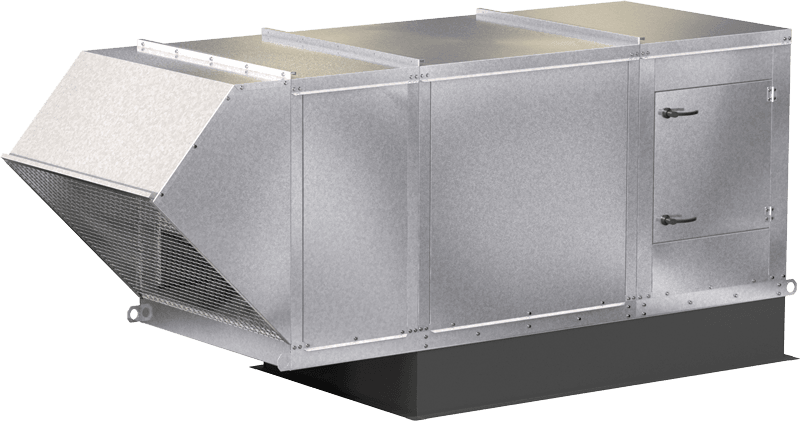
Make Up Air Unit With Cooling
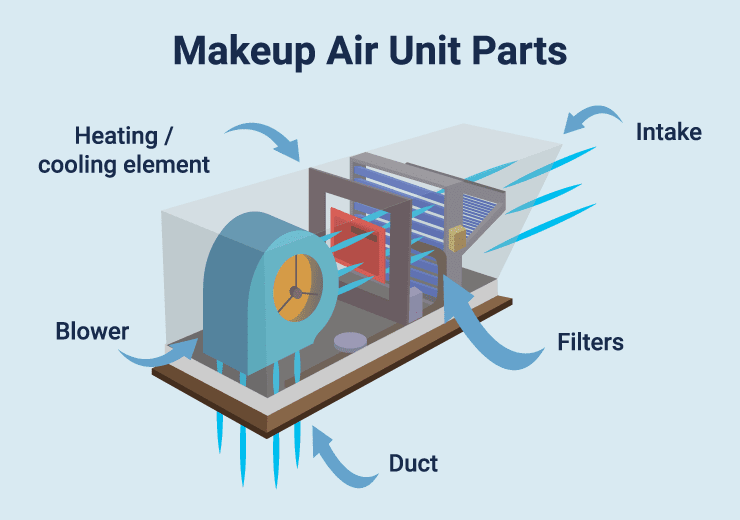
Make-up Air Units (MAUs) with cooling are essential HVAC systems designed to provide fresh, conditioned air to buildings. They address the issue of air exhausted by processes like ventilation, kitchen hoods, and manufacturing, replacing it with treated air to maintain indoor air quality and occupant comfort. This article provides a comprehensive overview of MAUs with cooling, explaining their function, components, benefits, and considerations for selection and implementation.
What is a Make-Up Air Unit (MAU)?
An MAU is a dedicated HVAC system that supplies outside air to a building to compensate for air that has been exhausted. Without an MAU, negative pressure can develop within a building, leading to drafts, difficulty opening doors, and potentially drawing in unfiltered air from undesirable locations.
Think of it this way: imagine a balloon with a hole. As air escapes, the balloon deflates. An MAU is like constantly blowing air into the balloon to maintain its shape and internal pressure. It ensures the building isn't constantly 'deflating' from exhaust fans pulling air out.
The Need for Cooling
While simply supplying outside air addresses the pressure issue, it doesn't address the temperature. Introducing unconditioned outside air, especially during hot summer months, can significantly impact the existing HVAC system's ability to maintain a comfortable indoor environment. Cooling capabilities integrated into an MAU pre-treat the incoming air, reducing the load on the building's primary HVAC system and preventing temperature fluctuations.
Components of a Make-Up Air Unit with Cooling
An MAU with cooling is composed of several key components working in tandem to deliver conditioned air. These include:
- Intake Louvers and Filters: The starting point, these components draw in outside air and remove particulates like dust, pollen, and debris. Filter efficiency is crucial for maintaining indoor air quality and protecting downstream components.
- Cooling Coil: The heart of the cooling process. This coil contains a refrigerant that absorbs heat from the incoming air. Think of refrigerant as the "blood" of your AC system, carrying heat from inside to outside.
- Compressor: The compressor increases the pressure and temperature of the refrigerant, enabling it to release heat more efficiently in the condenser. It is the powerhouse of the cooling system.
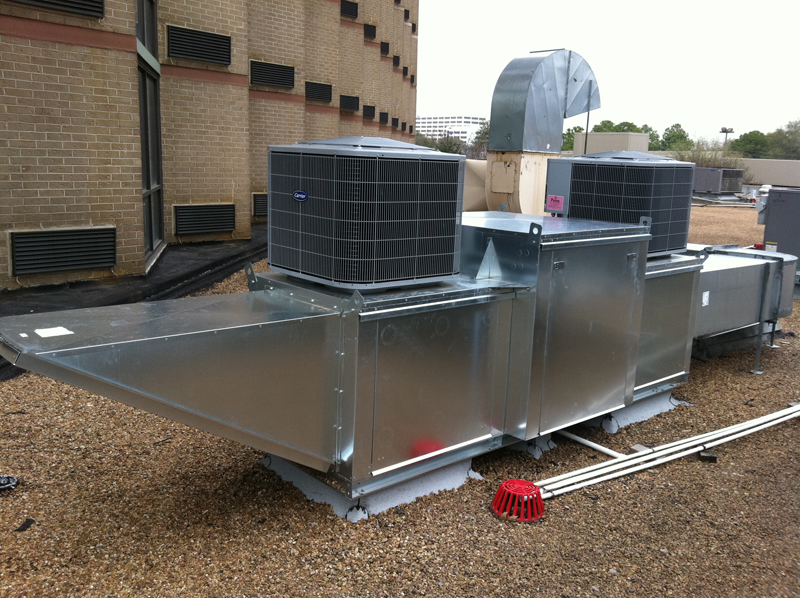
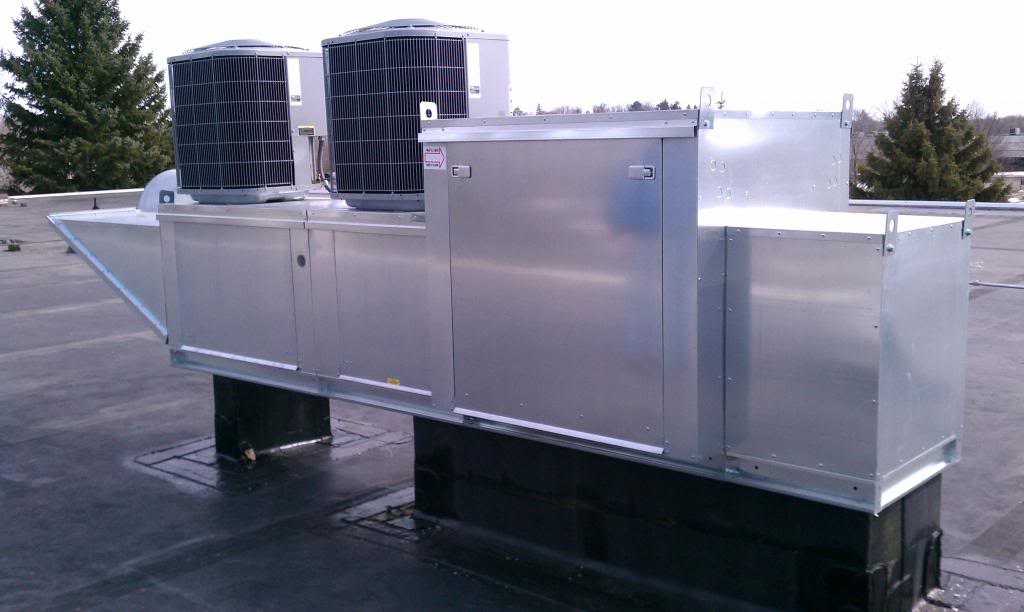
- Condenser: Located outside the building, the condenser releases the heat absorbed by the refrigerant into the atmosphere. A fan typically assists this process.
- Expansion Valve (or Metering Device): This component reduces the pressure of the refrigerant before it enters the cooling coil, allowing it to absorb heat more effectively. It's like a pressure release valve preparing the refrigerant for its cooling job.
- Fan: A powerful fan distributes conditioned air into the building's ductwork or directly into the designated space.
- Heating Coil (Optional): Many MAUs also include a heating coil (electric resistance or gas-fired) to provide heat during colder months. This allows the MAU to provide year-round temperature control.
- Controls and Sensors: Sophisticated controls monitor air temperature, humidity, and pressure, adjusting the MAU's operation to maintain desired conditions. Modern MAUs often feature advanced controls for energy efficiency and remote monitoring.
How a Make-Up Air Unit with Cooling Works
The operation of an MAU with cooling can be broken down into the following steps:
- Air Intake and Filtration: Outside air is drawn into the unit through intake louvers and passes through filters to remove contaminants.
- Cooling Process: The filtered air then flows across the cooling coil. The refrigerant circulating within the coil absorbs heat from the air, lowering its temperature.
- Refrigerant Cycle: The refrigerant, now carrying the absorbed heat, cycles through the compressor, condenser, and expansion valve to release the heat outside and prepare for another cycle of cooling.
- Air Distribution: The cooled air is then propelled by the fan through ductwork or directly into the building, replacing the exhausted air.
- Temperature Regulation: Sensors and controls constantly monitor the air temperature and adjust the cooling output to maintain the desired setpoint. If heating is required, the heating coil is activated.
Benefits of Using a Make-Up Air Unit with Cooling
Implementing an MAU with cooling offers numerous benefits:
- Improved Indoor Air Quality (IAQ): By supplying fresh, filtered air, MAUs reduce the concentration of indoor pollutants and improve overall air quality.
- Maintained Building Pressure: MAUs prevent negative pressure, eliminating drafts and ensuring proper ventilation.
- Enhanced Occupant Comfort: Conditioned air provides a more comfortable indoor environment, especially in spaces with significant exhaust systems.
- Reduced Strain on Existing HVAC Systems: Pre-cooling the incoming air reduces the load on the building's primary HVAC system, improving efficiency and extending its lifespan.
- Energy Savings: By precisely controlling the amount and temperature of incoming air, MAUs can optimize energy consumption. Features like variable speed drives on the fan motor further enhance energy efficiency.
- Compliance with Building Codes: Many building codes require MAUs in spaces with significant exhaust systems to ensure proper ventilation and air quality.
- Process Optimization: In industrial settings, maintaining specific temperature and humidity levels can be critical for process control. MAUs can help achieve these conditions.
Considerations When Selecting an MAU with Cooling
Choosing the right MAU with cooling requires careful consideration of several factors:
- Airflow Requirements: Determine the exact volume of air needed to replace the exhausted air. This is typically measured in cubic feet per minute (CFM). Oversizing or undersizing the MAU can lead to inefficiencies and comfort issues.
- Cooling Capacity: Calculate the cooling load based on the climate, building characteristics, and occupancy. Cooling capacity is typically measured in tons or BTU/hr.
- Heating Capacity (if applicable): If heating is required, determine the necessary heating capacity based on the climate and desired indoor temperature.
- Filter Efficiency: Select filters with an appropriate Minimum Efficiency Reporting Value (MERV) rating to effectively remove particulates. Higher MERV ratings indicate greater filtration efficiency.
- Energy Efficiency: Look for MAUs with high Energy Efficiency Ratios (EER) or Seasonal Energy Efficiency Ratios (SEER) for cooling, and high thermal efficiency for heating.
- Control System: Choose a control system that is user-friendly and provides precise temperature and airflow control. Consider options with remote monitoring and control capabilities.
- Space Constraints: Consider the physical dimensions of the MAU and ensure that there is adequate space for installation and maintenance.
- Noise Levels: Evaluate the noise levels produced by the MAU, especially if it will be located near occupied spaces.
- Installation and Maintenance: Factor in the cost of installation and ongoing maintenance. Choose a unit that is relatively easy to maintain and has readily available replacement parts.
- Budget: Establish a budget that considers the initial cost of the MAU, as well as the long-term operating and maintenance costs.
Types of Cooling Technologies Used in MAUs
Several cooling technologies can be incorporated into MAUs:
- Direct Expansion (DX) Cooling: The most common type, DX cooling uses a refrigerant directly in the cooling coil to absorb heat from the air.
- Chilled Water Cooling: In this system, chilled water from a central chiller plant is circulated through the cooling coil to cool the air. This is often used in large buildings with existing chilled water systems.
- Evaporative Cooling: This method uses the evaporation of water to cool the air. It is most effective in dry climates.
- Indirect Evaporative Cooling: This is a more advanced form of evaporative cooling that can be used in a wider range of climates. It cools the air indirectly without adding moisture to the supply air.
Installation and Maintenance
Proper installation and maintenance are crucial for the efficient and reliable operation of an MAU with cooling.
Installation
- Proper Placement: Locate the MAU in a location that allows for easy access for maintenance and provides adequate airflow.
- Secure Mounting: Ensure that the MAU is securely mounted to prevent vibration and noise.
- Ductwork Connections: Properly connect the MAU to the building's ductwork, ensuring airtight seals to prevent air leakage.
- Electrical Connections: Connect the MAU to the electrical supply according to local codes and regulations.
- Control System Integration: Integrate the MAU's control system with the building's overall HVAC control system, if applicable.
Maintenance
- Regular Filter Changes: Replace air filters regularly to maintain airflow and indoor air quality. The frequency of filter changes will depend on the filter type and the amount of dust and debris in the air.
- Coil Cleaning: Clean the cooling and heating coils regularly to remove dirt and debris that can reduce their efficiency.
- Fan Maintenance: Inspect and lubricate fan motors and bearings as needed.
- Refrigerant Checks: Check the refrigerant levels regularly and add refrigerant if necessary. A qualified technician should perform this task.
- Control System Calibration: Calibrate the control system periodically to ensure accurate temperature and airflow control.
- Professional Inspection: Schedule regular professional inspections to identify and address any potential problems.
Conclusion
Make-Up Air Units with cooling are a critical component of modern HVAC systems, providing fresh, conditioned air to maintain indoor air quality, occupant comfort, and building pressure. By understanding the components, operation, benefits, and considerations for selection and implementation, building owners and managers can make informed decisions to optimize their HVAC systems and create a healthier and more efficient indoor environment.