Mantel Height Over Gas Fireplace Code

One of the most frequent issues homeowners encounter with their gas fireplaces is the nagging question: "Is my mantel high enough?" Many are unaware of the strict codes and guidelines governing mantel height in relation to the fireplace opening, and a non-compliant setup can lead to serious safety concerns like overheating, damage to the mantel, and even potential fire hazards. Let's walk through diagnosing and addressing this common problem, empowering you to take control of your fireplace safety.
Understanding the Mantel Height Issue
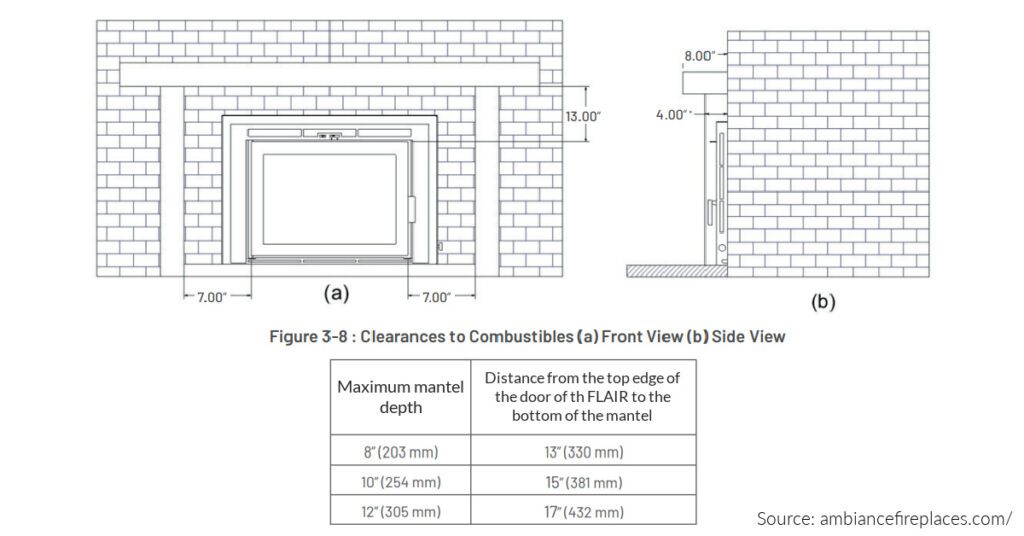
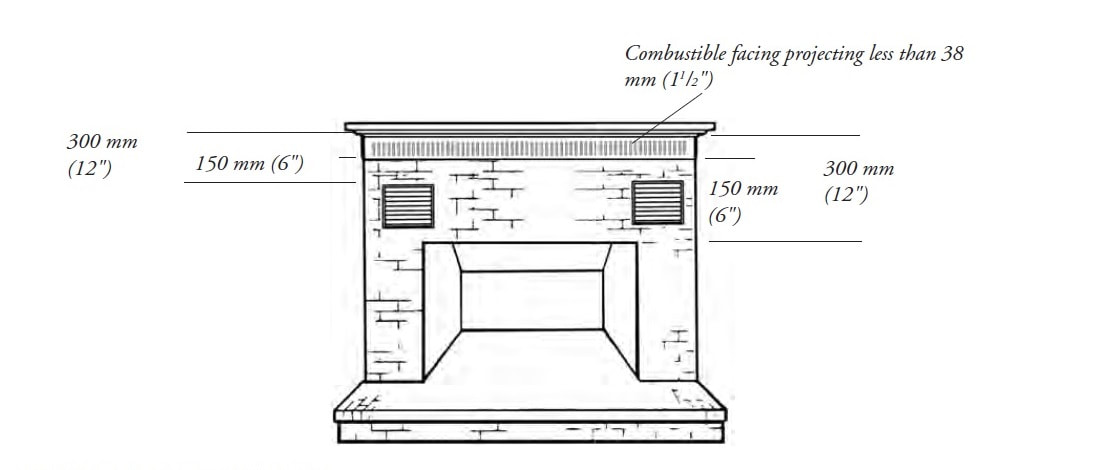
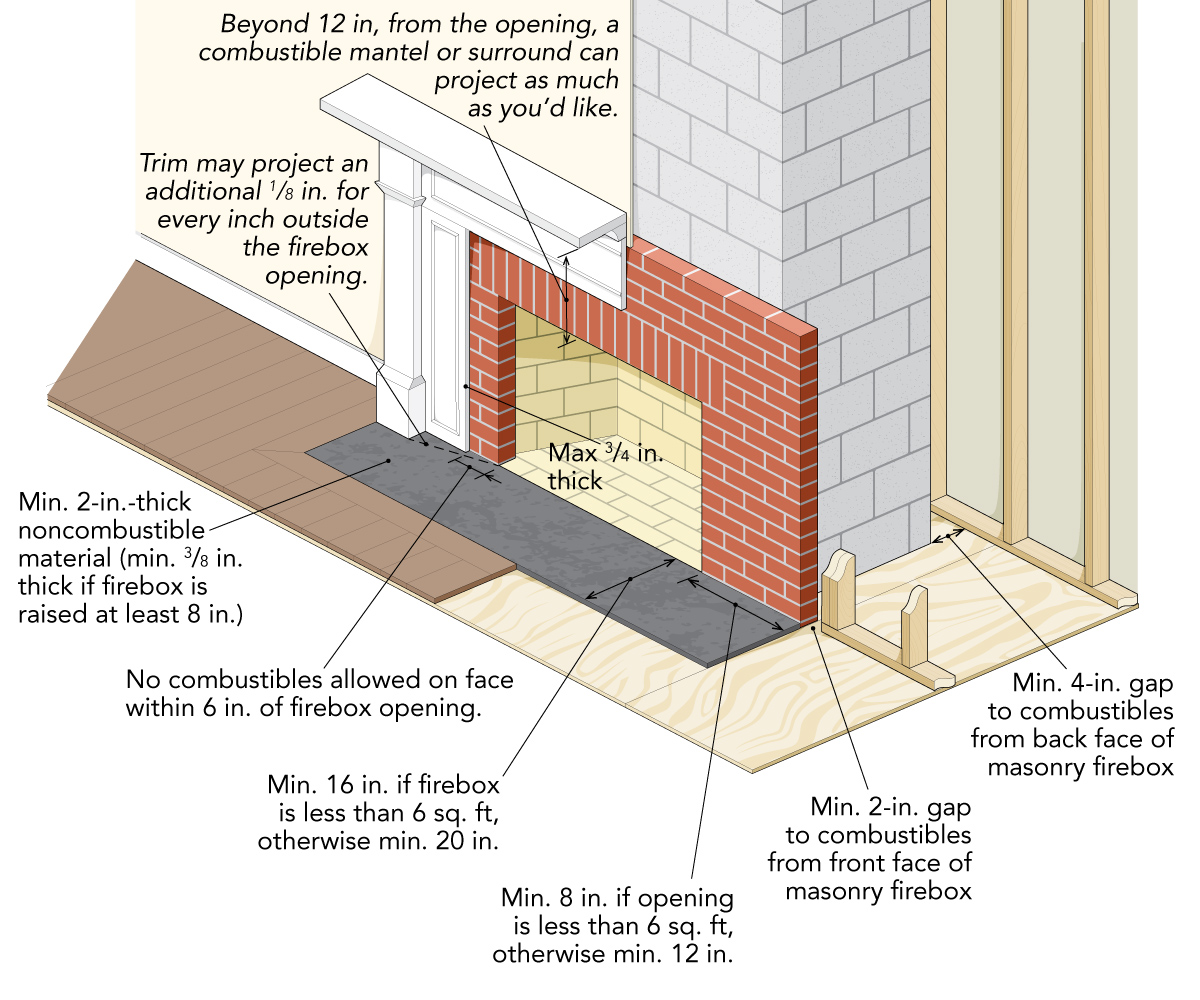
The fundamental problem stems from the heat radiating upwards from a gas fireplace. If a mantel is too close to the opening, it can absorb excessive heat. This can cause the wood to dry out, warp, crack, and potentially even ignite over prolonged exposure. Building codes and manufacturer guidelines exist to prevent this, specifying minimum distances between the top of the fireplace opening and the underside of the mantel.
Why are these guidelines important?
They ensure:
- Safety: Preventing fires and protecting your home.
- Mantel Integrity: Preserving the mantel's appearance and structural soundness.
- Compliance: Meeting local building codes, which may be important for insurance purposes or resale value.
Diagnosis: Is My Mantel Too Low?
Before diving into fixes, we need to accurately diagnose the problem. Here’s a step-by-step guide:
Step 1: Gather Information
First, locate the manufacturer's installation manual for your gas fireplace. This is the most important step. Search online using the fireplace's model number if you don’t have a physical copy. The manual will contain specific clearance requirements for your particular fireplace model. These requirements override any general guidelines.
Step 2: Measure Accurately
Use a measuring tape to determine the following:
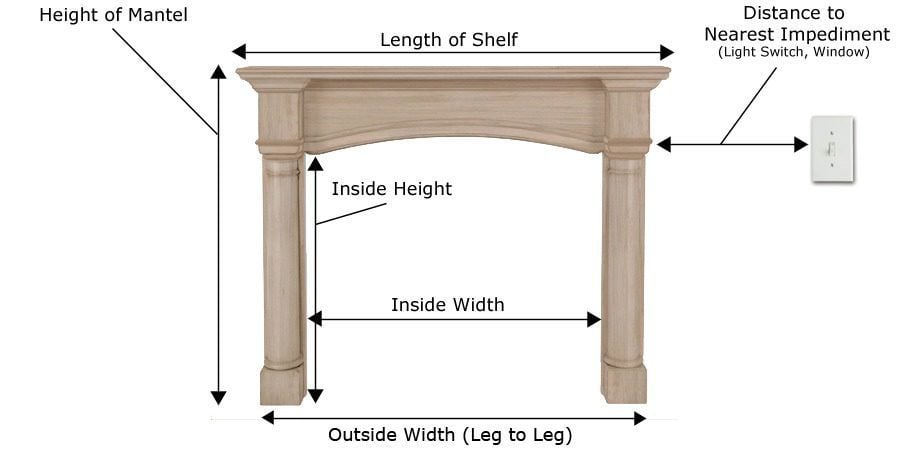
- A: Height of the Fireplace Opening: Measure from the base of the fireplace opening (where the flames are visible) to the top edge of the opening.
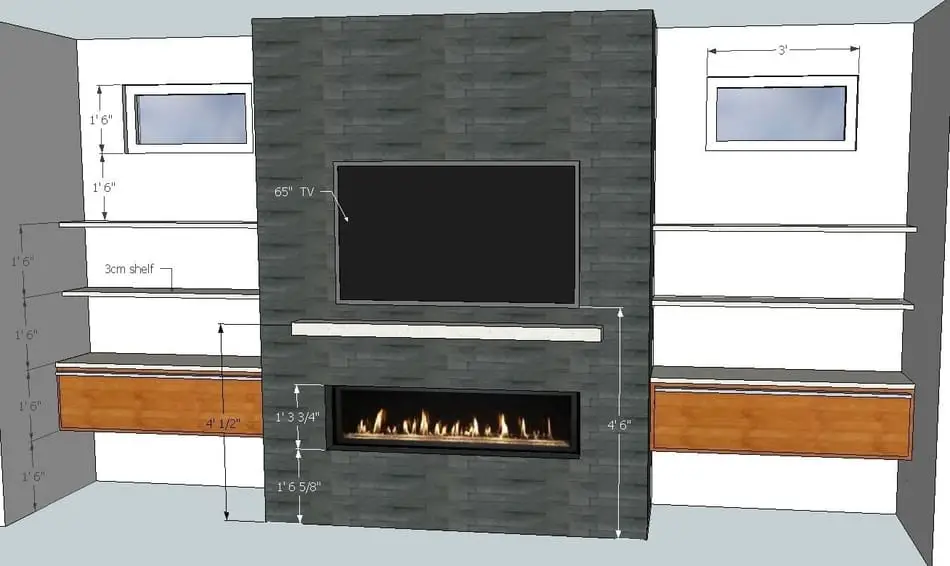
- B: Distance to the Mantel: Measure from the top edge of the fireplace opening to the underside of the mantel.
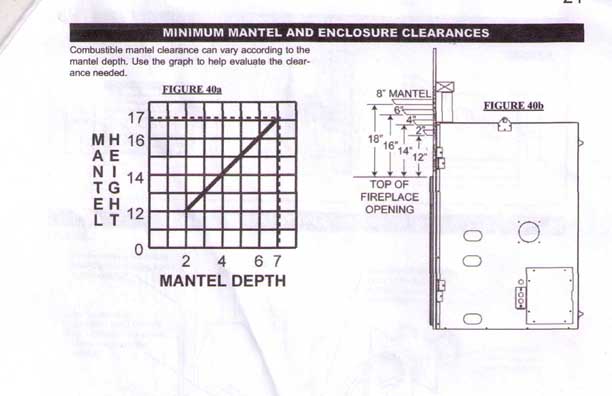
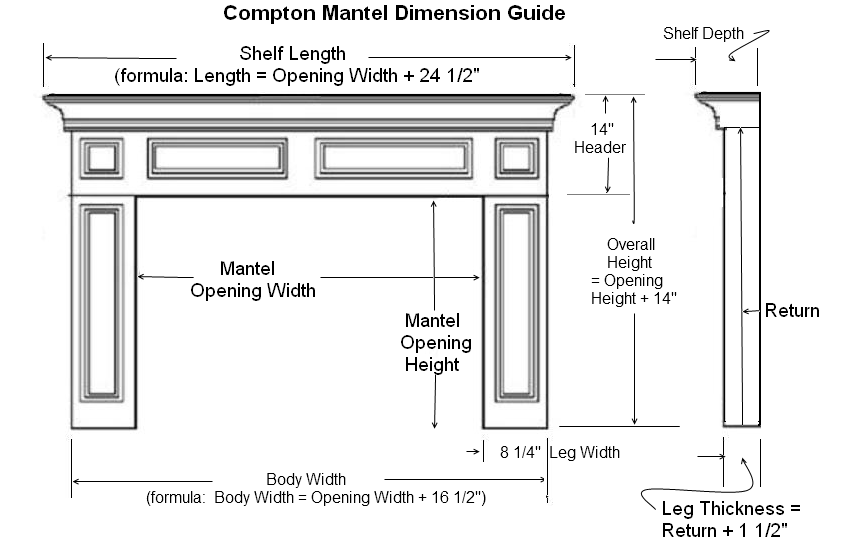
- C: Mantel Depth: Measure how far the mantel projects out from the wall. This is crucial, as deeper mantels often require greater clearances.
Record these measurements carefully. Double-check them for accuracy.
Step 3: Compare to Guidelines
Now, compare your measurements to the following:
Manufacturer's Specifications: Prioritize these above all else. The manual might state something like, "Minimum clearance of 12 inches for mantels less than 8 inches deep." Or it could provide a chart illustrating clearance requirements based on mantel depth.
General Rule of Thumb (If Manufacturer Specs Are Unavailable): If you absolutely cannot find the manufacturer's guidelines, a general rule suggests a minimum clearance of 12 inches for every 6 inches of mantel depth. So, a 6-inch deep mantel should be at least 12 inches above the fireplace opening, a 12-inch deep mantel should be at least 24 inches above, and so on. However, remember this is a general guideline and should only be used as a last resort. Local codes may also dictate minimum distances.
Step 4: Identify the Problem
Based on your measurements and the guidelines, determine if your mantel is too low. If the distance to the mantel (measurement B) is less than what is specified by the manufacturer or the general rule, you have a potential issue.
Simple, Safe DIY Fixes (When Appropriate)
Sometimes, the issue can be resolved with relatively simple DIY solutions. However, it's crucial to emphasize that these fixes are only suitable for minor discrepancies. If you are unsure or the difference is significant, consult a qualified professional. Also, consider the impact any changes will have on the overall aesthetic of your fireplace.
Fix 1: Adding a Heat Shield
A heat shield is a non-combustible barrier that can be installed between the fireplace and the mantel to deflect heat. This is a common and relatively inexpensive solution.
Materials Needed:
- Heat Shield Material: Choose a non-combustible material like sheet metal (steel or aluminum), or a specialized heat shield panel designed for fireplaces.
- Measuring Tape
- Scissors or Metal Shears: For cutting the heat shield material.
- Drill and Screws (If Necessary): For mounting the heat shield. Choose screws appropriate for the mantel material.
- Heat-Resistant Adhesive (Optional): For added security when attaching the heat shield.
- Safety Glasses and Gloves: For protection.
Procedure:
- Measure: Carefully measure the area of the mantel directly above the fireplace opening that needs protection. Add a few inches on each side for overlap.
- Cut: Cut the heat shield material to the measured size.
- Attach (Method 1 - Adhesive): Apply heat-resistant adhesive to the back of the heat shield and carefully press it onto the underside of the mantel. Ensure it's securely attached. Let it cure according to the adhesive manufacturer's instructions.
- Attach (Method 2 - Screws): If using screws, pre-drill pilot holes into the mantel. Position the heat shield and screw it into place. Ensure the screws are flush with the surface to avoid snagging.
- Test: After installation, carefully monitor the mantel's temperature during fireplace use to ensure the heat shield is effectively deflecting heat.
Important Considerations:
- Ensure the heat shield is completely non-combustible.
- Choose a finish that complements the mantel's aesthetic.
- Monitor the heat shield and mantel for any signs of overheating or damage.
Fix 2: Adjusting Gas Input (Professional Required in Some Cases)
In some cases, reducing the gas input to the fireplace can lower the heat output and mitigate the issue. However, this is NOT a DIY fix for most homeowners. It requires a qualified gas technician to adjust the gas valve and ensure the fireplace is still operating safely and efficiently.
When to consider this:
- If the manufacturer's manual allows for adjustable gas input.
- If you are comfortable with the fireplace's reduced heat output.
- ALWAYS hire a qualified gas technician for this task.
Why Professional Intervention is Crucial: Adjusting the gas input improperly can lead to incomplete combustion, carbon monoxide production, and other safety hazards.
Fix 3: Lowering the Fireplace (Rare and Complex)
This is rarely a practical solution, especially with pre-fabricated gas fireplaces. It typically involves major structural changes and significant expense. Unless your fireplace is a custom-built unit and the installation allows for height adjustment, this option is generally not recommended.
When to Call a Professional
Knowing when to call in the experts is crucial for safety and peace of mind. Here are situations where professional help is absolutely necessary:
- Significant Discrepancy: If the mantel is significantly lower than the required clearance (e.g., more than a few inches).
- Uncertainty: If you are unsure about any aspect of the diagnosis or repair process.
- Gas Line Adjustments: If you are considering adjusting the gas input to the fireplace.
- Structural Modifications: If any structural changes are required to raise the mantel or lower the fireplace.
- Signs of Damage: If you notice any signs of heat damage to the mantel, such as charring, cracking, or warping.
- Complicated Installations: If your fireplace installation is complex or unusual.
- Code Compliance Concerns: If you are concerned about meeting local building codes.
Types of Professionals to Consider:
- Qualified Gas Technician: For gas line adjustments and fireplace servicing.
- Fireplace Installer: For complex installations, structural modifications, and code compliance issues.
- Carpenter: For raising or modifying the mantel.
Preventing Future Problems
Taking proactive steps can help prevent mantel height issues in the future:
- Consult Professionals During Installation: When installing a new gas fireplace, consult with a qualified installer to ensure proper mantel height and clearances from the outset.
- Choose Materials Wisely: Opt for non-combustible or heat-resistant materials for the mantel and surrounding surfaces.
- Regular Inspections: Periodically inspect the mantel for any signs of heat damage.
- Follow Manufacturer's Instructions: Always adhere to the manufacturer's installation and operating instructions.
Final Thoughts
Addressing mantel height concerns over a gas fireplace is essential for safety and compliance. By following these steps, you can accurately diagnose the problem and implement simple fixes when appropriate. Remember to prioritize safety and consult with qualified professionals when necessary. A little knowledge and proactive maintenance can ensure your fireplace remains a safe and enjoyable feature of your home for years to come. When in doubt, always err on the side of caution.