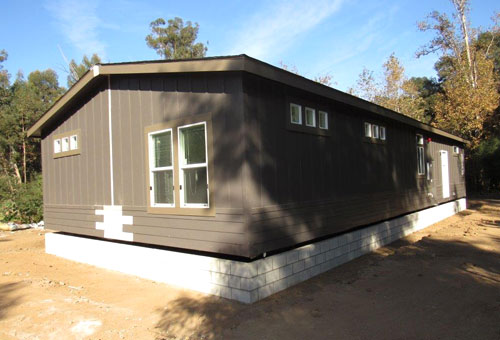
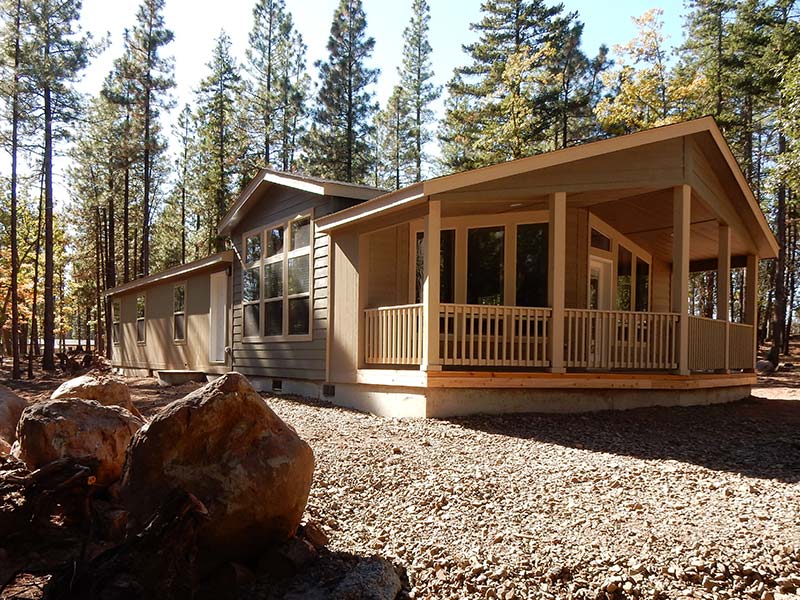
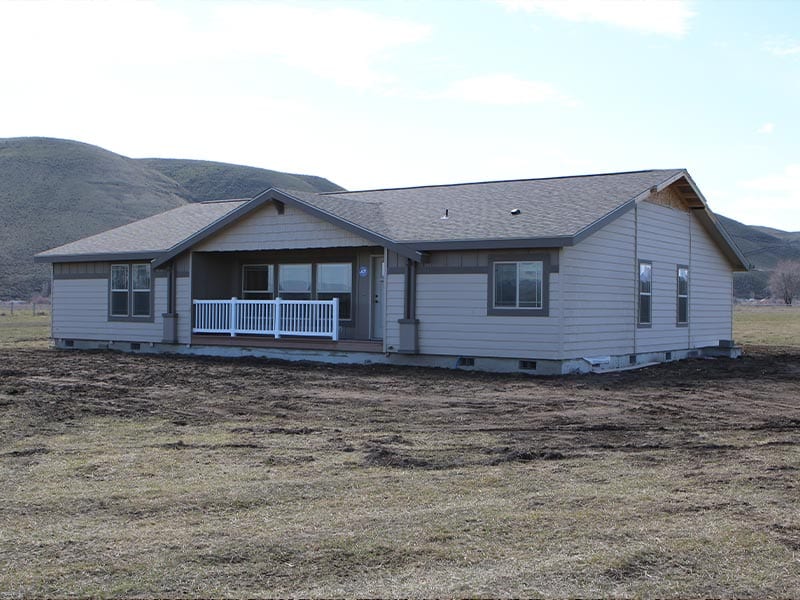
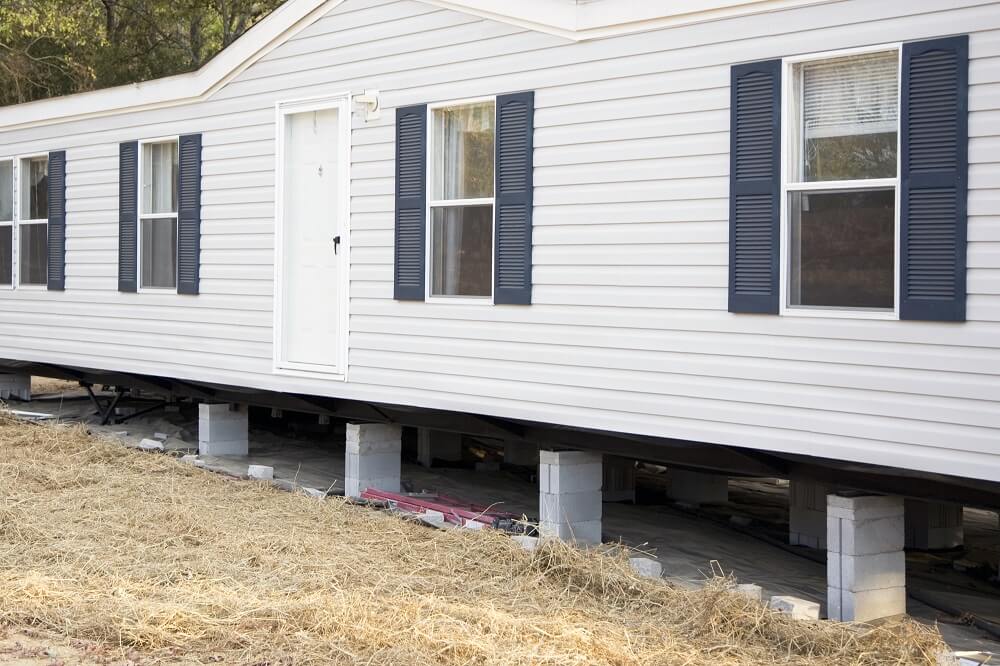
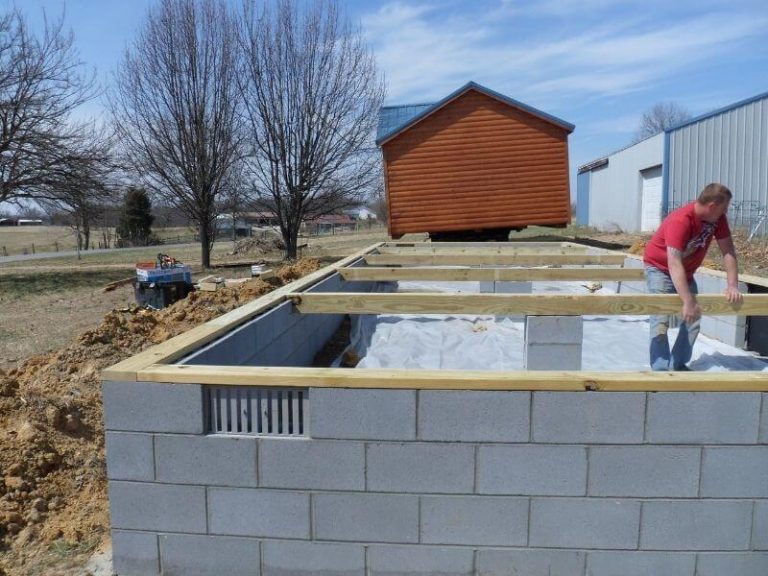
Manufactured Home On Permanent Foundation
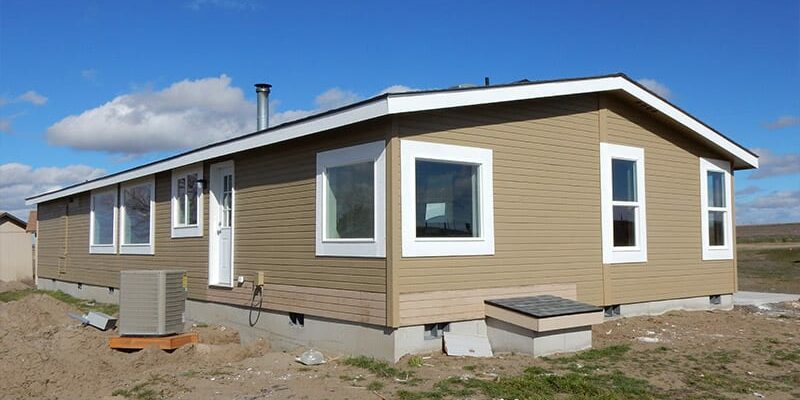
Manufactured Home on Permanent Foundation: Unlocking Energy Efficiency and Savings
Manufactured homes, often referred to as mobile homes, represent a significant portion of the housing market, particularly for first-time homebuyers and those seeking affordable living. When placed on a permanent foundation, these homes can offer increased stability, improved financing options, and, crucially, enhanced energy efficiency. This article explores the unique energy-saving opportunities available to manufactured homeowners who have secured their homes to a permanent foundation, offering insights for homeowners, businesses, smart home enthusiasts, and HVAC contractors alike.
Understanding the Energy Efficiency Landscape of Manufactured Homes
Historically, manufactured homes have been plagued by energy inefficiency. Older models often suffered from poor insulation, single-pane windows, and outdated HVAC systems. This resulted in higher energy bills and a greater environmental footprint. However, modern manufactured homes built to updated HUD (Housing and Urban Development) codes are significantly more energy-efficient than their predecessors. Adding a permanent foundation takes energy savings a step further.
The HUD code sets minimum standards for energy efficiency in manufactured homes, including insulation levels, window performance, and HVAC system efficiency. These standards are regularly updated to reflect advancements in building science and energy-saving technologies. However, placing a manufactured home on a permanent foundation opens the door to further improvements, allowing homeowners to meet and exceed these minimums.
Benefits of a Permanent Foundation for Energy Efficiency
A permanent foundation essentially transforms a manufactured home into a more traditional site-built residence, unlocking several key energy-saving benefits:
Improved Insulation and Air Sealing
One of the most significant advantages of a permanent foundation is the ability to effectively insulate the crawl space or basement beneath the home. This reduces heat loss in the winter and heat gain in the summer, leading to substantial energy savings. According to Energy Star, proper insulation can reduce heating and cooling costs by as much as 15%. Options include:
- Spray foam insulation: Offers superior air sealing and R-value compared to traditional fiberglass batts.
- Rigid foam board: Provides excellent thermal resistance and moisture control.
- Fiberglass batts: A cost-effective option for insulating crawl spaces and basements.
Furthermore, a permanent foundation allows for better air sealing around the perimeter of the home, minimizing drafts and preventing conditioned air from escaping. This can be achieved through caulking, weather stripping, and sealing any gaps or cracks in the foundation walls.
Enhanced HVAC System Performance
A stable, well-insulated foundation creates a more consistent indoor temperature, reducing the workload on the HVAC system. This leads to increased efficiency and a longer lifespan for the equipment. Homeowners can further optimize their HVAC systems by:
- Upgrading to a high-efficiency furnace or air conditioner: Look for models with high AFUE (Annual Fuel Utilization Efficiency) ratings for furnaces and high SEER (Seasonal Energy Efficiency Ratio) ratings for air conditioners. Energy Star certified models offer superior energy performance.
- Installing a heat pump: Heat pumps provide both heating and cooling and can be significantly more efficient than traditional furnaces and air conditioners, especially in moderate climates.
- Ensuring proper ductwork: Leaky ductwork can waste a significant amount of energy. Sealing and insulating ducts can improve HVAC system efficiency by as much as 20%.
Reduced Moisture Problems
A properly constructed permanent foundation provides a barrier against moisture intrusion, preventing dampness and mold growth in the crawl space or basement. This is crucial for maintaining indoor air quality and preventing structural damage. Addressing moisture issues also improves the efficiency of the HVAC system, as excessive humidity can increase cooling costs.
Increased Property Value and Resale Potential
Placing a manufactured home on a permanent foundation not only improves its energy efficiency but also increases its property value and resale potential. Potential buyers often view homes with permanent foundations as more desirable due to their stability, durability, and energy-saving benefits.
Smart Home Integration for Enhanced Energy Management
Integrating smart home technology can further optimize energy efficiency in a manufactured home on a permanent foundation. Smart thermostats, sensors, and energy monitoring systems provide homeowners with real-time data and control over their energy consumption.
Smart Thermostats
Smart thermostats learn your heating and cooling preferences and automatically adjust the temperature to optimize energy savings. They can also be controlled remotely via smartphone, allowing you to adjust the temperature even when you're away from home. Some smart thermostats can also provide detailed energy usage reports, helping you identify areas where you can save even more energy.
Smart Sensors
Smart sensors can monitor temperature, humidity, and occupancy levels in different rooms of the home. This data can be used to automatically adjust the HVAC system, ensuring that each room is heated or cooled only when necessary. For example, occupancy sensors can turn off the lights and lower the thermostat in unoccupied rooms.
Energy Monitoring Systems
Energy monitoring systems provide real-time data on your energy consumption, allowing you to track your usage and identify areas where you can save energy. These systems can also send alerts if you're using an excessive amount of energy, helping you identify potential problems early on.
Government Incentives and Rebates
Many government agencies and utility companies offer incentives and rebates for energy-efficient upgrades, including those related to manufactured homes on permanent foundations. These incentives can help offset the cost of upgrades and make them more affordable. Be sure to check with your local utility company and state energy office for available programs. Some common programs include:
- Energy Efficiency Tax Credits: The federal government offers tax credits for certain energy-efficient home improvements, such as insulation, energy-efficient windows, and high-efficiency HVAC systems.
- Utility Rebates: Many utility companies offer rebates for purchasing and installing energy-efficient appliances and equipment.
- State Energy Programs: Many states offer their own energy efficiency programs, which may include rebates, loans, and grants.
ROI and Long-Term Savings
While the initial investment in a permanent foundation and energy-efficient upgrades may seem significant, the long-term savings can be substantial. The increased energy efficiency will lower your monthly utility bills, and the increased property value will provide a return on your investment when you sell the home. Furthermore, reducing your energy consumption will help protect the environment and reduce your carbon footprint.
Consider this example: A homeowner invests $10,000 in a permanent foundation, insulation upgrades, and a high-efficiency HVAC system. These upgrades reduce their annual energy bills by $1,000. Over a period of 10 years, the homeowner will save $10,000 on energy bills, effectively recouping their initial investment. Additionally, the home's value will likely increase by more than $10,000, providing a significant return on investment.
HVAC Contractor Opportunities
HVAC contractors can play a crucial role in helping manufactured homeowners improve their energy efficiency. By offering energy audits, recommending energy-efficient equipment, and providing expert installation services, contractors can help homeowners save money on their energy bills and reduce their environmental impact.
Here are some opportunities for HVAC contractors:
- Offer energy audits: Identify areas where homeowners can save energy and recommend specific upgrades.
- Promote energy-efficient equipment: Educate homeowners about the benefits of high-efficiency furnaces, air conditioners, and heat pumps.
- Provide expert installation services: Ensure that equipment is installed correctly and efficiently.
- Offer maintenance services: Regular maintenance can help ensure that HVAC systems are operating at peak efficiency.
Conclusion
Placing a manufactured home on a permanent foundation opens the door to significant energy efficiency improvements and cost savings. By investing in insulation, upgrading the HVAC system, and integrating smart home technology, homeowners can create a comfortable, energy-efficient living space while reducing their environmental impact. For HVAC contractors, this presents a growing market opportunity to provide valuable services and promote sustainable living. By focusing on energy efficiency, we can create a more sustainable and affordable housing market for everyone.