Mars 3 4 Hp Blower Motor Wiring Diagram

Understanding your HVAC system is key to maximizing its efficiency and minimizing energy bills. While professional installation and maintenance are always recommended, a basic understanding of components like the blower motor can empower you to make informed decisions and potentially troubleshoot minor issues. This article focuses on the Mars 3 4 Hp Blower Motor Wiring Diagram, providing insights for homeowners, business owners, smart home enthusiasts, and HVAC contractors looking to improve energy efficiency and reduce costs.
Decoding the Mars 3/4 HP Blower Motor Wiring Diagram
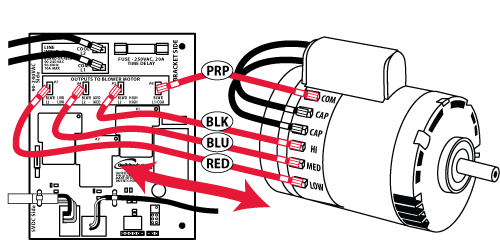
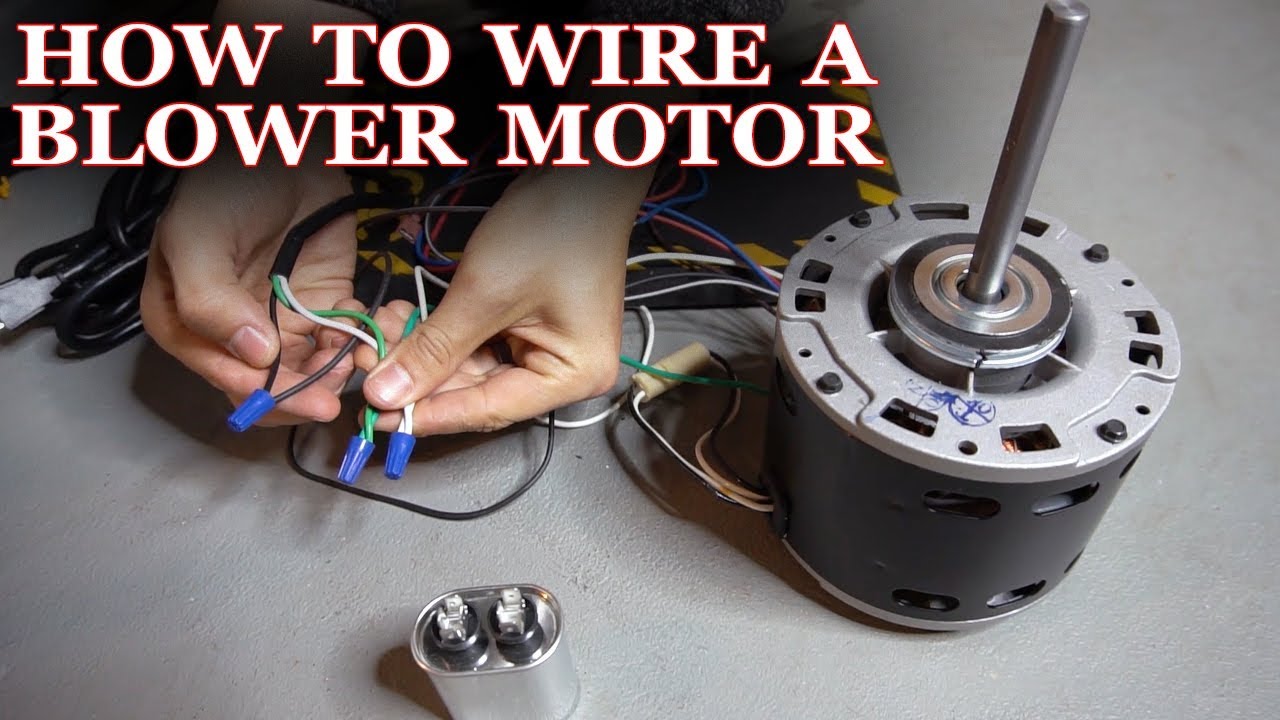
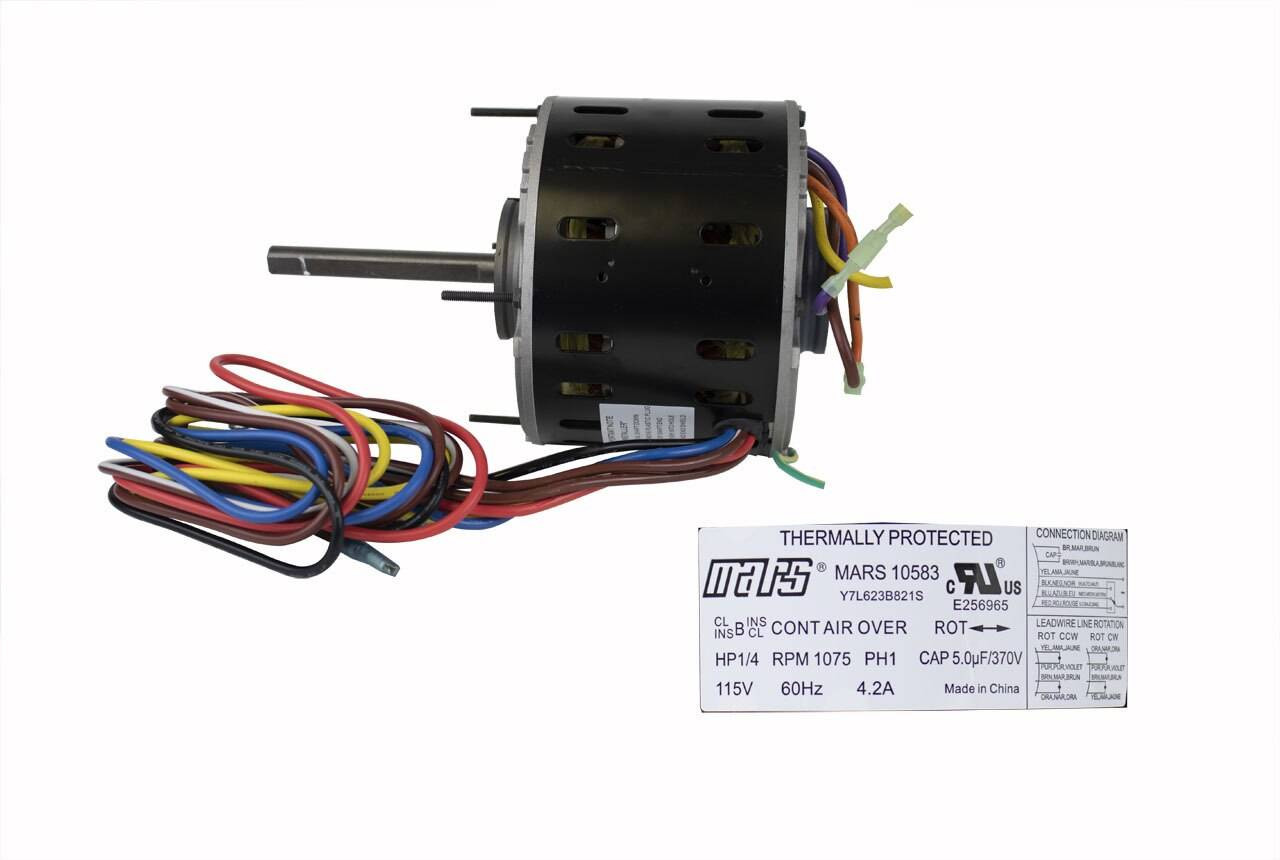
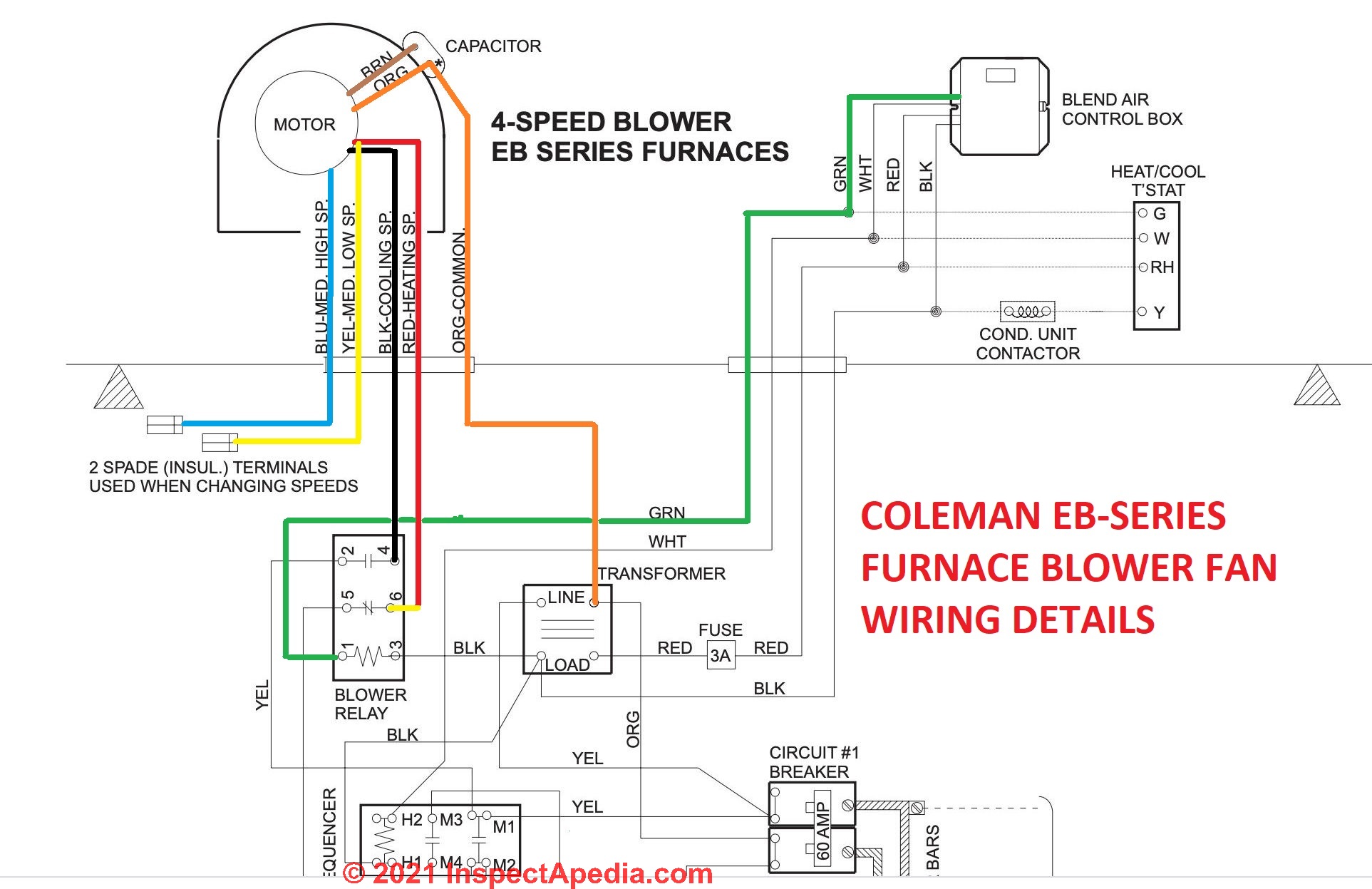
The Mars 3/4 HP blower motor is a common component in many residential and light commercial HVAC systems. It's responsible for circulating air throughout your ductwork, delivering heated or cooled air to every room. Properly wiring this motor is crucial for its efficient and safe operation. A wiring diagram serves as the roadmap for making these connections. Let's break down what you might find on a typical Mars 3/4 HP blower motor wiring diagram.
Typical Wiring Diagram Components
Most Mars 3/4 HP blower motor wiring diagrams will include the following elements:
- Motor Terminals: These are the points where wires connect to the motor. They are often labeled with letters (e.g., L1, L2, T1, T2) or numbers.
- Capacitor: The capacitor provides the initial jolt of energy needed to start the motor. It's connected in series with the start winding.
- Power Supply: This indicates the voltage (typically 115V or 230V in residential settings) and the source of electrical power.
- Speed Taps: Many blower motors have multiple speed taps, allowing you to adjust the airflow. These are usually labeled with numbers or colors, with different taps corresponding to different speeds.
- Ground Wire: A crucial safety component, the ground wire connects the motor to the grounding system, protecting against electrical shock.
- Wiring Color Codes: The diagram should indicate the color of each wire and its corresponding terminal. Standard color codes (e.g., black for line voltage, white for neutral, green for ground) are generally followed.
Important Note: Always consult the specific wiring diagram that came with your Mars 3/4 HP blower motor. Wiring configurations can vary depending on the model and manufacturer. Never attempt to wire a motor without the correct diagram.
Understanding Common Wiring Configurations
While specific diagrams differ, some common wiring scenarios exist:
- Single-Speed Motors: These motors have only one speed setting. The wiring is relatively simple, with power connected to the appropriate terminals and the capacitor wired in.
- Multi-Speed Motors: These motors have multiple speed settings, allowing for greater control over airflow. The diagram will show how to connect the desired speed tap. Often, a control board or relay is used to switch between speeds.
- PSC (Permanent Split Capacitor) Motors: These are the most common type of blower motor. They use a capacitor to provide starting torque and improve efficiency.
Carefully trace the wires in the diagram to understand how each component is connected. Pay close attention to the capacitor wiring, as incorrect connections can damage the motor.
Maximizing Energy Efficiency with a Properly Wired Blower Motor
A correctly wired Mars 3/4 HP blower motor is fundamental to the efficient operation of your HVAC system. Here's how proper wiring translates to energy savings:
- Optimal Airflow: When wired correctly, the blower motor delivers the appropriate amount of airflow for heating and cooling. This ensures that your system operates at its peak efficiency, preventing it from overworking and consuming excess energy.
- Reduced Strain on Components: Improper wiring can cause the motor to run inefficiently, putting strain on other components like the compressor. This can lead to premature failure and costly repairs.
- Accurate Temperature Control: A properly functioning blower motor ensures consistent temperature throughout your home or business. This reduces the likelihood of temperature fluctuations that can cause your system to work harder and consume more energy.
Consider investing in a smart thermostat to take advantage of variable-speed blower motor capabilities. A smart thermostat can automatically adjust the blower motor speed based on demand, optimizing energy consumption. Energy Star certified smart thermostats can offer rebates and significant annual savings.
Troubleshooting Common Wiring Issues
If your Mars 3/4 HP blower motor isn't working correctly, wiring issues could be the culprit. Here are some common symptoms and potential solutions:
- Motor Not Starting: Check the power supply, the capacitor, and the wiring connections. Ensure that all wires are securely connected and that there are no loose or frayed wires.
- Motor Running at the Wrong Speed: Verify that the correct speed tap is connected. If using a control board, check its settings and wiring.
- Motor Overheating: Overheating can be caused by incorrect wiring, a faulty capacitor, or restricted airflow. Check the wiring diagram and ensure that all connections are correct. Clean or replace air filters to ensure proper airflow.
- Tripped Circuit Breaker: A tripped circuit breaker can indicate a short circuit in the wiring. Carefully inspect all wiring for damage and correct any shorts.
Safety First: Always disconnect the power supply before working on any electrical components. If you're not comfortable working with electricity, consult a qualified HVAC technician.
The ROI of Energy-Efficient HVAC Systems
Upgrading to a more energy-efficient HVAC system, including a properly wired and maintained Mars 3/4 HP blower motor, can provide a significant return on investment. Here's a look at some of the benefits:
- Lower Energy Bills: Energy-efficient systems consume less electricity, resulting in lower monthly energy bills.
- Increased Comfort: Efficient systems provide more consistent temperature and humidity control, improving overall comfort.
- Extended Equipment Lifespan: By reducing strain on components, energy-efficient systems can extend the lifespan of your HVAC equipment.
- Increased Property Value: Energy-efficient homes and businesses are more attractive to buyers and renters, increasing property value.
- Government Incentives and Rebates: Many governments and utility companies offer incentives and rebates for installing energy-efficient HVAC systems. Check with your local utility company or government agency for available programs.
According to the U.S. Department of Energy, heating and cooling account for approximately 48% of the energy used in a typical U.S. home. By investing in energy-efficient HVAC solutions, you can significantly reduce your energy consumption and save money.
Smart Home Integration for Enhanced Efficiency
Integrating your HVAC system with a smart home platform can further enhance energy efficiency and convenience. Here are some ways to leverage smart home technology:
- Smart Thermostats: As mentioned earlier, smart thermostats can automatically adjust the temperature based on occupancy, weather conditions, and your preferences.
- Smart Sensors: Smart sensors can monitor temperature and humidity in different rooms, allowing you to optimize airflow and temperature control.
- Remote Control: Control your HVAC system from anywhere using your smartphone or tablet.
- Energy Monitoring: Track your energy consumption in real-time to identify areas where you can save energy.
By connecting your Mars 3/4 HP blower motor and other HVAC components to a smart home system, you can gain greater control over your energy usage and create a more comfortable and efficient living environment. Look for products compatible with major smart home ecosystems like Google Home, Amazon Alexa, and Apple HomeKit.
Working with HVAC Contractors on Energy-Efficient Solutions
When upgrading or maintaining your HVAC system, it's essential to work with a qualified and experienced HVAC contractor. Here are some tips for finding the right contractor:
- Check Credentials: Ensure that the contractor is licensed and insured.
- Ask for Referrals: Get referrals from friends, family, or neighbors.
- Read Reviews: Check online reviews to see what other customers have to say about the contractor's services.
- Get Multiple Quotes: Obtain quotes from multiple contractors to compare prices and services.
- Discuss Energy-Efficient Options: Ask the contractor about energy-efficient HVAC solutions and available rebates.
A reputable HVAC contractor will be able to properly assess your needs, recommend the right equipment, and ensure that your system is installed and maintained correctly. They can also help you understand the Mars 3/4 HP blower motor wiring diagram and troubleshoot any issues that may arise.
Conclusion
Understanding the Mars 3/4 HP blower motor wiring diagram is a valuable step towards improving the energy efficiency and performance of your HVAC system. By properly wiring and maintaining your blower motor, you can optimize airflow, reduce energy consumption, and save money. Whether you're a homeowner, business owner, smart home enthusiast, or HVAC contractor, prioritizing energy efficiency is a win-win for your wallet and the environment. Remember to always prioritize safety and consult with a qualified professional when working with electrical components.