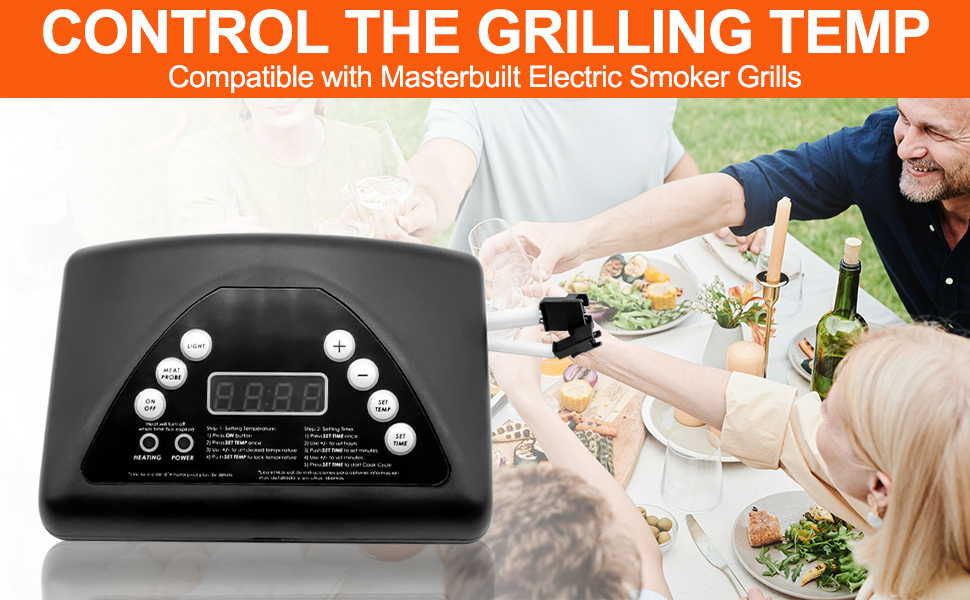
Masterbuilt Electric Smoker Digital Control Panel Replacement

The world of HVAC extends beyond traditional heating and cooling systems. As an HVAC professional, understanding related technologies and appliances can significantly broaden your skillset and open doors to new career opportunities. One such area, often overlooked, involves the electrical control systems found in appliances like electric smokers. While seemingly unrelated, the principles of electrical troubleshooting, control board diagnostics, and component replacement apply directly to HVAC systems, making this knowledge valuable. This article delves into the specifics of Masterbuilt electric smoker digital control panel replacement, offering insights for HVAC students, technicians, and employers looking to expand their expertise and workforce capabilities.
Understanding the Overlap: HVAC and Appliance Control Systems
At its core, HVAC work involves understanding and manipulating electrical circuits, sensors, and control systems to regulate temperature and airflow. Electric smokers, particularly those from Masterbuilt, utilize similar components: a digital control panel, temperature sensors (thermocouples or RTDs), heating elements (resistive heaters), and wiring. A malfunctioning control panel can disrupt the entire smoking process, leading to inconsistent results or complete failure. The diagnostic and repair techniques employed in HVAC – checking voltage, testing continuity, identifying faulty components – are directly applicable to diagnosing and repairing electric smoker control systems.
Consider this scenario: An HVAC technician is called to troubleshoot a faulty air conditioning unit. The first step is often checking the control board for voltage, identifying blown fuses, or testing the functionality of relays. Similarly, when a Masterbuilt electric smoker control panel fails, the technician would employ the same methodology: verifying power supply, checking for damaged wiring, and testing the functionality of the control panel's internal components.
Masterbuilt Electric Smoker Digital Control Panel Replacement: A Step-by-Step Guide
Replacing a Masterbuilt electric smoker's digital control panel is a relatively straightforward process, but requires attention to detail and a basic understanding of electrical safety. Always disconnect the smoker from the power source before beginning any repairs.
Step 1: Diagnosis and Part Identification
Before ordering a replacement panel, confirm that the control panel is indeed the problem. Check the power cord for damage, ensure the outlet is functioning correctly, and inspect the wiring connections to the control panel for loose connections or corrosion. Many issues can be resolved with a simple cleaning or tightening of connections.
To identify the correct replacement part, locate the model number of your Masterbuilt smoker. This is typically found on a sticker on the back or bottom of the unit. Use this model number to search for the corresponding digital control panel replacement on the Masterbuilt website or through authorized retailers. Using the correct part number is crucial for compatibility.
Step 2: Disassembly and Removal of the Old Panel
Carefully remove the screws securing the control panel to the smoker. These screws are often located on the front or sides of the panel. Once the screws are removed, gently pull the control panel away from the smoker body. Note the arrangement of the wiring harness connected to the panel. Take pictures or draw a diagram to ensure you reconnect the wires correctly later. Disconnect the wiring harness from the old control panel, noting the position of each wire.
Step 3: Installing the New Panel
Connect the wiring harness to the new control panel, ensuring each wire is connected to the correct terminal. Refer to your photos or diagram from the disassembly process to ensure proper connection. Incorrect wiring can damage the control panel or other components of the smoker. Secure the new control panel to the smoker body using the screws you removed earlier.
Step 4: Testing and Verification
Once the new control panel is installed, plug the smoker back into the power source and turn it on. Set a desired temperature and monitor the control panel to ensure it is functioning correctly. Check that the heating element is engaging and that the temperature is rising. Allow the smoker to run for a short period to verify that the temperature stabilizes and the control panel maintains the set temperature.
The Value Proposition for HVAC Professionals
Why should an HVAC professional care about electric smokers? The answer lies in diversification and enhanced skillset. By understanding the fundamentals of appliance control systems, HVAC technicians can:
- Expand their service offerings: Offer appliance repair services to existing clients, increasing revenue streams.
- Improve troubleshooting skills: Sharpen diagnostic abilities by working on a wider range of electrical systems.
- Increase marketability: Demonstrate a broader skillset to potential employers, making themselves more attractive candidates.
Certifications and Career Advancement
While no specific certification directly addresses electric smoker repair, the foundational certifications in HVAC are crucial. Here's how they relate:
- EPA Section 608 Certification: Mandatory for technicians handling refrigerants, but demonstrates a commitment to environmental responsibility and regulatory compliance, valued by employers.
- NATE (North American Technician Excellence) Certification: Validates competency in specific HVAC areas. While not directly related to smokers, it showcases a commitment to professional development. A NATE certified technician with skills in appliance repair is highly sought after.
According to the Bureau of Labor Statistics, the median annual wage for HVACR mechanics and installers was $59,620 in May 2023. The job outlook is projected to grow 6 percent from 2022 to 2032, about as fast as the average for all occupations. Those with specialized skills, like appliance repair, can command higher salaries and enjoy greater job security.
Real-world example: An HVAC apprentice starts by assisting with routine maintenance on residential HVAC systems. They take the initiative to learn about appliance repair and offer to fix a broken refrigerator for a friend. This experience leads to a side hustle repairing appliances, supplementing their income and further developing their electrical troubleshooting skills. Eventually, they open their own HVAC business that also offers appliance repair services, capitalizing on their diverse skillset.
What Employers Need to Know
Employers in the HVAC industry should consider the value of hiring technicians with broader skillsets. Technicians with experience in appliance repair can provide a more comprehensive service to clients, increasing customer satisfaction and potentially generating new revenue streams. When hiring, look for candidates with:
- Strong electrical troubleshooting skills: The ability to diagnose and repair electrical circuits is essential.
- Experience with control systems: Familiarity with control boards, sensors, and wiring diagrams.
- A willingness to learn: The HVAC industry is constantly evolving, so a commitment to continuous learning is crucial.
Investing in training for existing technicians to expand their skillset can also be a valuable strategy. Offering courses on appliance repair or providing access to online resources can help technicians develop the knowledge and skills they need to excel in this area.
Conclusion
While seemingly niche, understanding and repairing electric smoker control systems offers a valuable opportunity for HVAC professionals to diversify their skillset, enhance their marketability, and increase their earning potential. By embracing related technologies and continuously learning, HVAC professionals can stay ahead of the curve and thrive in a dynamic and evolving industry. The principles of electrical troubleshooting and component replacement, honed on a simple electric smoker, translate directly to the complexities of modern HVAC systems, making this knowledge a worthwhile investment for students, technicians, and employers alike.