Max Gpm Through 3 4 Pipe
Frequently Asked Questions: Max GPM Through 3/4" Pipe
This FAQ aims to answer common questions about the maximum flow rate (GPM) achievable through a 3/4 inch pipe. Understanding the factors that influence flow is crucial for ensuring efficient plumbing and avoiding performance issues. We'll break down the key considerations in a clear and accessible way.
Q1: What is the maximum GPM I can realistically expect through a 3/4" pipe?
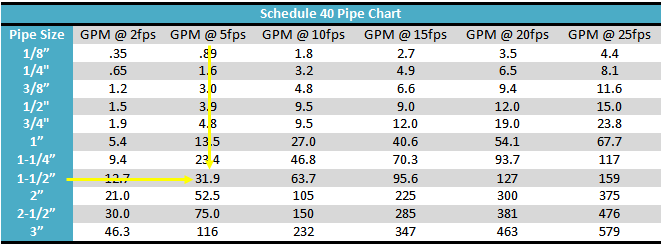
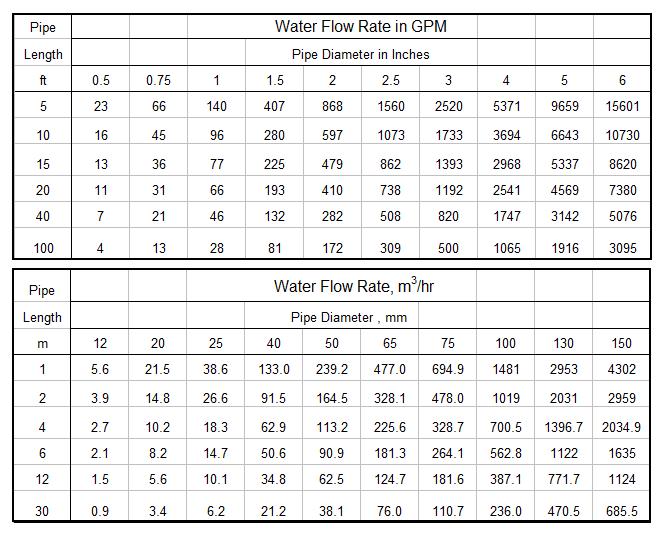
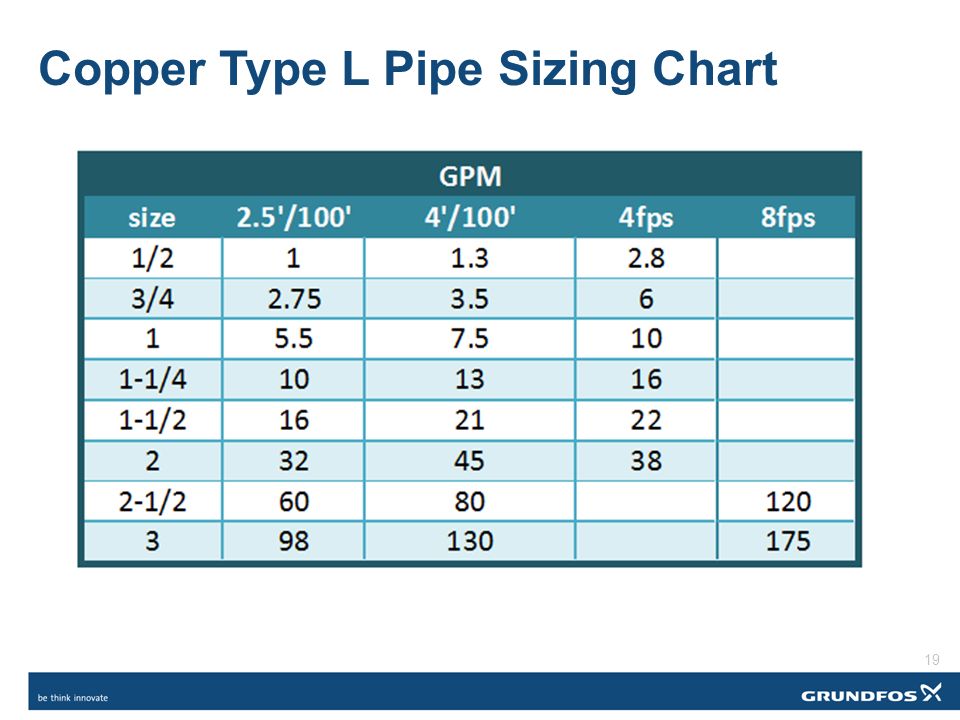
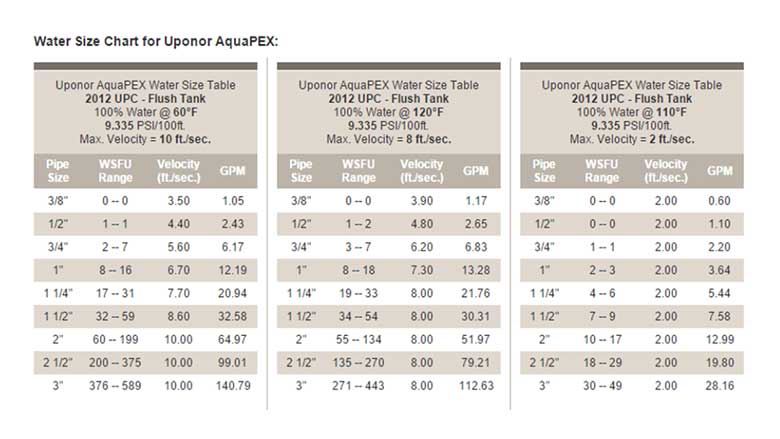
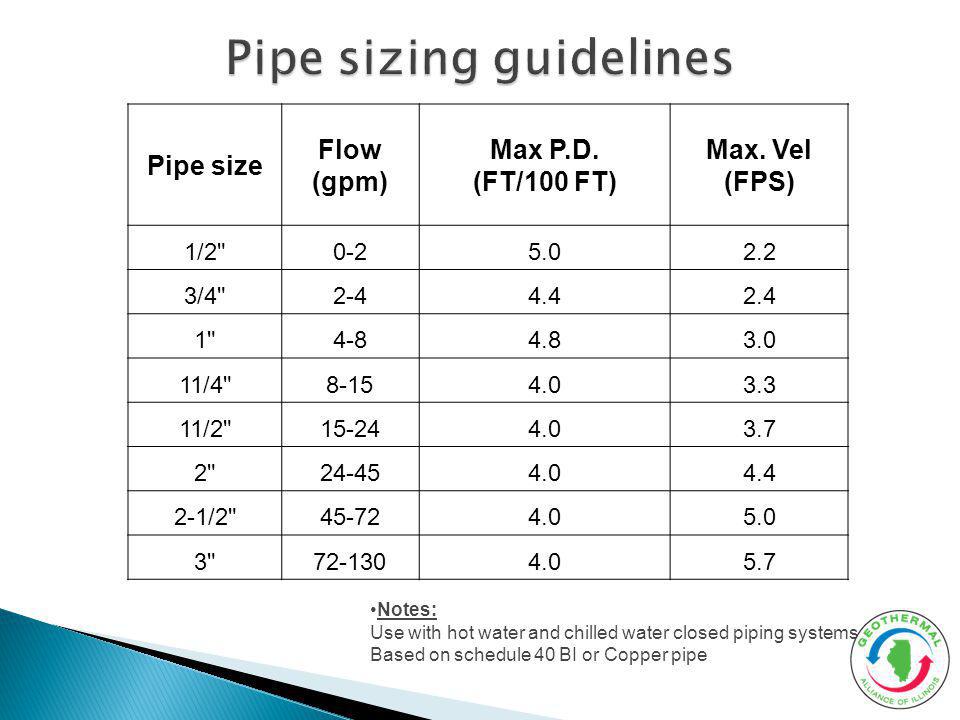
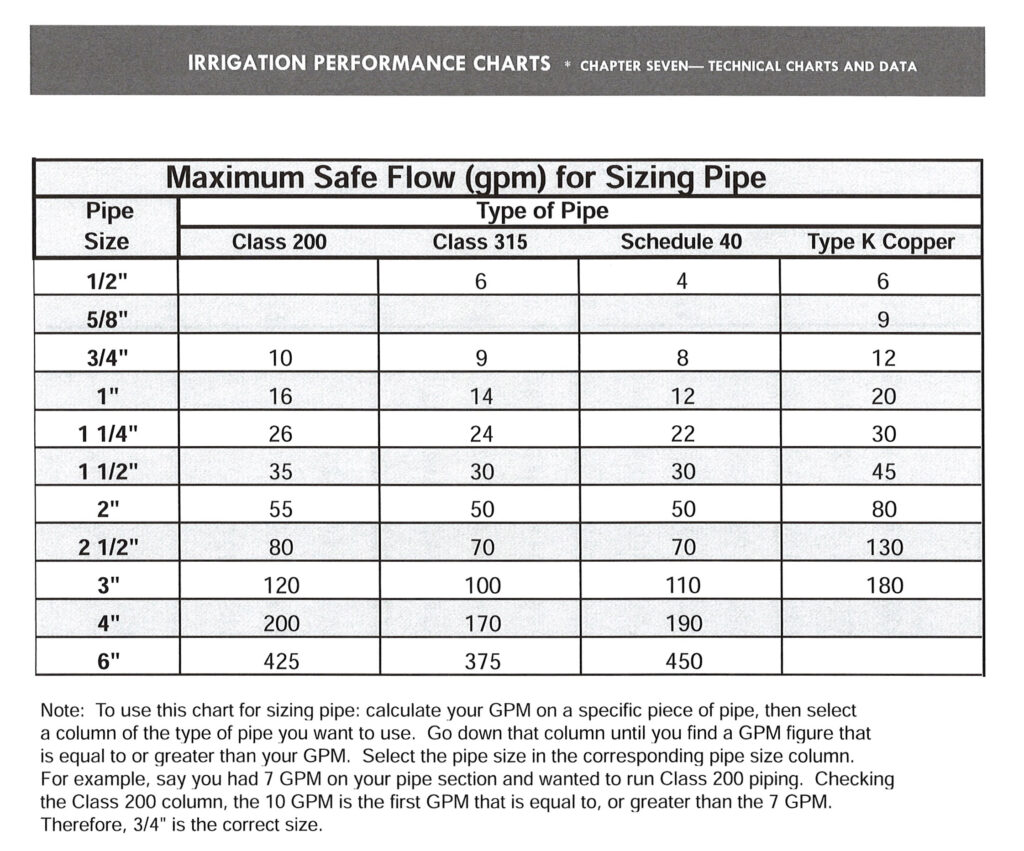
This is a very common question! There's no single, definitive answer, as the maximum Gallons Per Minute (GPM) you can achieve through a 3/4" pipe depends on several factors. However, a good *general* range to consider is between 8 and 13 GPM. This assumes a reasonable pressure drop and fairly standard plumbing conditions. It's important to understand that pushing beyond this range significantly increases pressure drop and can lead to performance problems.
Factors influencing this range include:
- Water Pressure: Higher water pressure *generally* allows for a higher GPM, but also increases the risk of exceeding safe pressure levels in your pipes and appliances.
- Pipe Length: Longer pipes create more friction, reducing the GPM at the outlet.
- Fittings and Bends: Each elbow, tee, valve, or other fitting adds resistance to the flow, lowering the GPM. Think of it like a traffic jam for water!
- Pipe Material: Different materials (copper, PVC, PEX) have slightly different internal roughness, affecting friction and flow.
- Water Quality: Hard water or water with sediment can build up inside the pipe, reducing the effective diameter and lowering GPM over time.
Therefore, while 8-13 GPM is a reasonable starting point, you need to consider your specific circumstances for a more accurate assessment. A professional plumber can provide a precise calculation.
Q2: How does pipe length affect the GPM in a 3/4" pipe?
Pipe length has a *significant* impact on GPM. The longer the pipe, the greater the friction the water experiences as it flows. This friction reduces the water pressure and, consequently, the flow rate at the end of the pipe. Imagine trying to push a marble through a short straw versus a very long one – the longer straw requires more effort (pressure) to achieve the same speed (GPM).
Specifically:
- Increased Friction: Longer pipes mean more contact between the water and the pipe walls, leading to greater friction loss.
- Reduced Pressure: Friction reduces the water pressure along the pipe's length.
- Lower GPM: With less pressure available at the outlet, the GPM will be lower.
The relationship isn't linear, meaning doubling the pipe length *doesn't* necessarily halve the GPM. The effect is more complex and depends on the water velocity and the friction factor of the pipe material. For long runs, it's essential to calculate the pressure drop due to friction accurately to ensure adequate flow at the point of use. Using larger diameter pipes for longer runs can compensate for friction losses.
Q3: What role do fittings (elbows, tees, valves) play in reducing GPM?
Fittings, such as elbows, tees, and valves, introduce turbulence and resistance to the water flow. Each fitting essentially creates a mini-obstacle in the pipe, forcing the water to change direction or pass through a restricted opening. This disruption increases friction and reduces the overall GPM.
Here's how they impact GPM:
- Turbulence: Fittings cause the water to flow in a less streamlined manner, leading to increased friction and energy loss.
- Resistance: Each fitting presents resistance to the flow, requiring more pressure to maintain the same GPM.
- Equivalent Length: Plumbers often use the concept of "equivalent length" to account for the pressure drop caused by fittings. This means each fitting is considered equivalent to a certain length of straight pipe in terms of its impact on pressure loss. A 90-degree elbow, for example, might be equivalent to several feet of straight pipe.
The number and type of fittings significantly affect the total pressure drop in a plumbing system. Minimizing the number of fittings and using smoother, long-radius fittings can help maximize GPM. Choosing the correct type of valve (ball valve vs. globe valve, for example) also makes a difference, as some valves offer less resistance to flow than others.
Q4: Does the material of the 3/4" pipe (copper, PEX, PVC) affect the GPM?
Yes, the pipe material *does* influence the GPM, although the difference is often relatively small, especially in newer installations. The key factor is the internal roughness of the pipe. A rougher surface creates more friction as water flows through it.
Here's a breakdown:
- Copper: Copper pipes generally have a very smooth interior surface, offering excellent flow characteristics. However, over time, corrosion or mineral buildup can increase roughness and reduce GPM.
- PEX: PEX (cross-linked polyethylene) is also relatively smooth and offers good flow rates. PEX is less susceptible to corrosion than copper, which can help maintain flow rates over the long term.
- PVC: PVC (polyvinyl chloride) is generally considered to have a slightly higher roughness factor than copper or PEX, resulting in a slightly lower GPM for the same pipe diameter and pressure. The difference is often small enough that it's not a primary concern in most residential applications.
The internal diameter of the pipe is also crucial. Even if the *nominal* size is 3/4", slight variations in manufacturing can affect the actual internal diameter, impacting the flow. For critical applications, it's best to consult pipe specifications to determine the precise internal diameter and roughness factor.
Q5: How can I increase the GPM through my existing 3/4" pipe?
Increasing the GPM through an existing 3/4" pipe can be challenging without making significant changes to your plumbing system. However, here are some potential approaches:
- Increase Water Pressure (Cautiously): Increasing the water pressure at the source can boost GPM, but be very careful! Exceeding the pressure rating of your pipes and appliances can cause damage or leaks. Consult with a plumber before increasing pressure.
- Reduce Friction Losses:
- Minimize Fittings: If possible, reduce the number of elbows, tees, and other fittings in the line.
- Use Sweeping Bends: Replace sharp 90-degree elbows with smoother, long-radius bends.
- Choose Low-Resistance Valves: Use ball valves instead of globe valves where appropriate.
- Clean or Replace the Pipe: Over time, mineral buildup or corrosion can restrict the flow inside the pipe. Cleaning the pipe (professionally) or replacing it can restore GPM.
- Install a Booster Pump: A booster pump can increase the water pressure in the line, boosting the GPM. This is a more expensive solution but may be necessary in situations with chronically low pressure.
- Consider a Larger Pipe Diameter: If the problem is severe and persistent, the most effective solution may be to replace the 3/4" pipe with a larger diameter pipe (e.g., 1"). This will significantly reduce friction and increase the GPM. This is often the most costly solution, but the most effective in the long run.
Before making any changes to your plumbing system, it's always best to consult with a qualified plumber. They can assess your specific situation and recommend the most appropriate solution.
Q6: What happens if I try to push too much water (too high GPM) through a 3/4" pipe?
Trying to force too much water through a 3/4" pipe can lead to several problems:
- Excessive Pressure Drop: The pressure at the outlet will be significantly lower than at the source, resulting in weak flow from faucets and showerheads.
- Water Hammer: High water velocity can cause water hammer, a banging noise in the pipes caused by sudden changes in flow direction. This can damage pipes and fixtures.
- Noise: Turbulent flow can create a lot of noise in the pipes.
- Erosion Corrosion: High water velocity can erode the inside of the pipes, especially at joints and fittings, leading to leaks over time.
- Inefficient Appliance Operation: Appliances like water heaters and washing machines may not function properly if they don't receive adequate water flow and pressure.
Essentially, the plumbing system becomes stressed. It's always better to design a plumbing system with sufficient pipe diameter to meet the anticipated flow demands.
Q7: How can I accurately calculate the ideal GPM for my 3/4" pipe based on my specific situation?
While we've provided general guidelines, a precise calculation requires considering all the factors mentioned above. Several tools and resources can help:
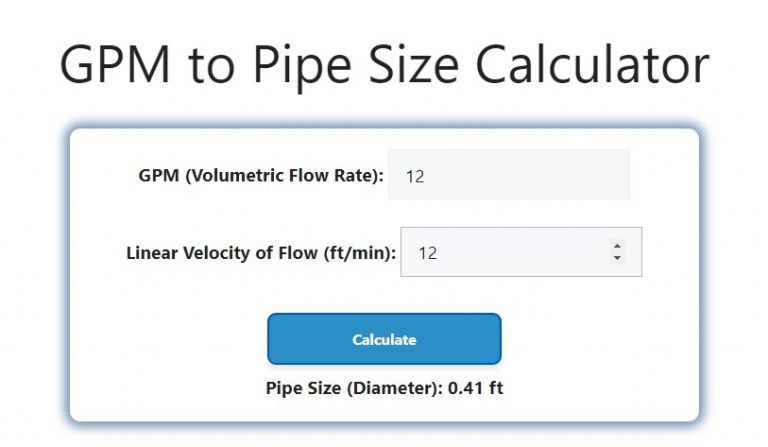
- Pressure Drop Calculators: Online pressure drop calculators allow you to input pipe length, material, fittings, flow rate, and other parameters to estimate the pressure drop in your system. These calculators can help you determine the maximum GPM achievable before the pressure drop becomes unacceptable.
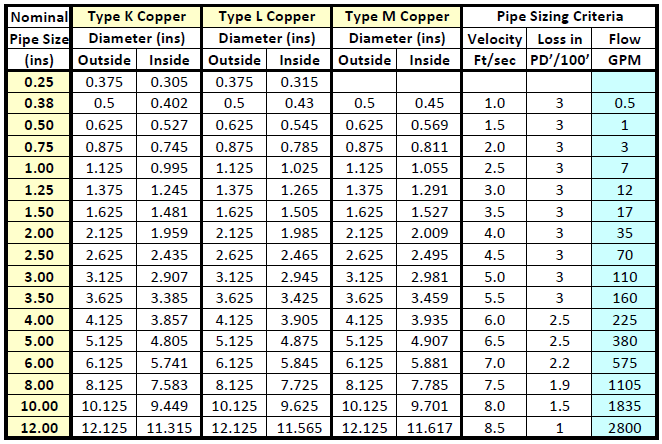
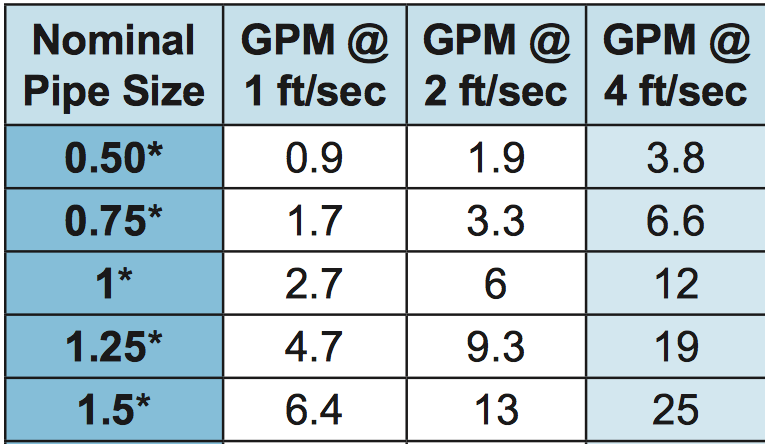
- Pipe Flow Charts: Pipe flow charts provide pre-calculated GPM values for different pipe sizes, materials, and pressure drops. These charts are a quick and easy way to estimate flow rates, but they may not be as accurate as a detailed pressure drop calculation.
- Consult a Plumber: The most reliable approach is to consult with a qualified plumber. They have the expertise and tools to accurately assess your plumbing system and calculate the ideal GPM for your specific situation. They can also identify any potential problems or limitations and recommend the best solutions. This is the recommended course of action if you are unsure.
Remember that the goal isn't just to maximize GPM but to ensure adequate flow and pressure at all points of use in your plumbing system while maintaining safe and efficient operation.