Maximum Slope For Sewer Pipe
Maintaining a properly functioning sewer system is crucial for any home or business. While the focus is often on avoiding clogs and backups, a frequently overlooked aspect is the slope of the sewer pipe. An incorrect slope can lead to a host of problems, negating any efforts towards energy efficiency by potentially requiring costly repairs and replacements. Understanding the optimal slope is paramount for both new construction and renovations, impacting your plumbing's longevity and even your overall energy bill.
Why Sewer Pipe Slope Matters
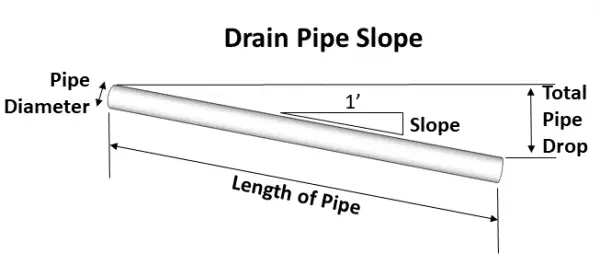
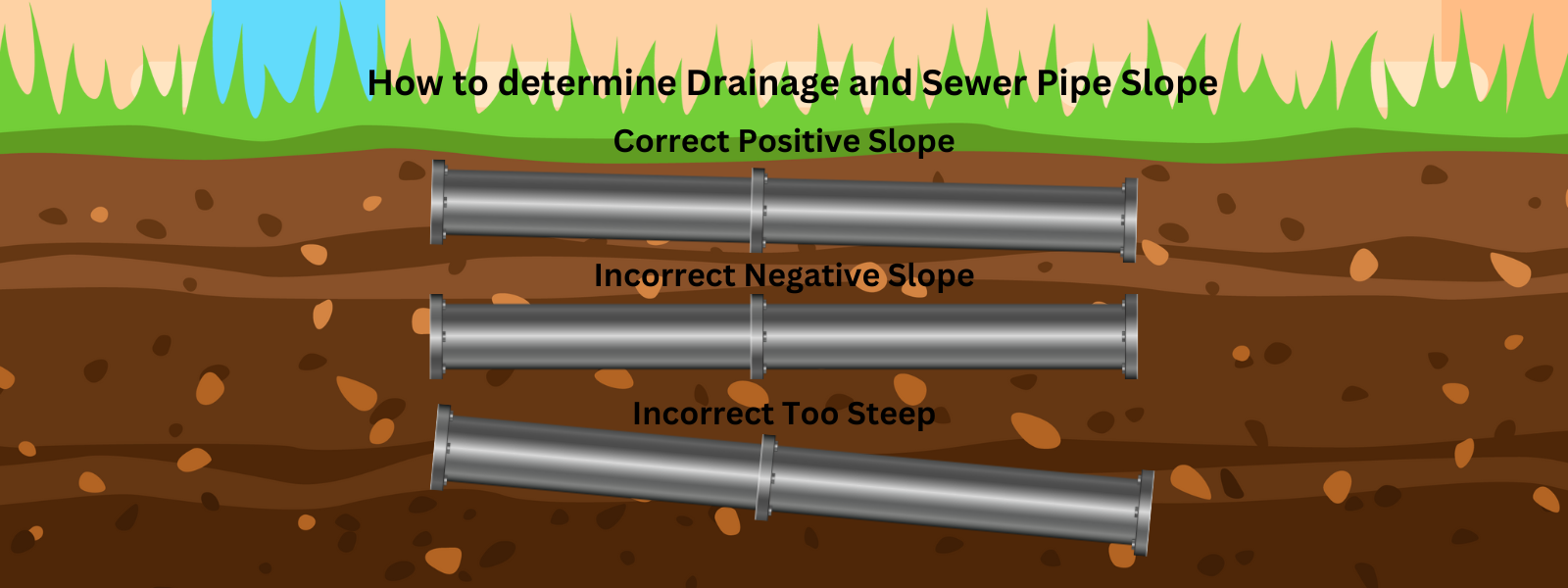
The slope, or gradient, of a sewer pipe is the degree to which it declines over a certain distance. This decline utilizes gravity to efficiently move wastewater and solid waste away from your property and into the municipal sewer system or septic tank. When the slope isn't right, the entire system is compromised.
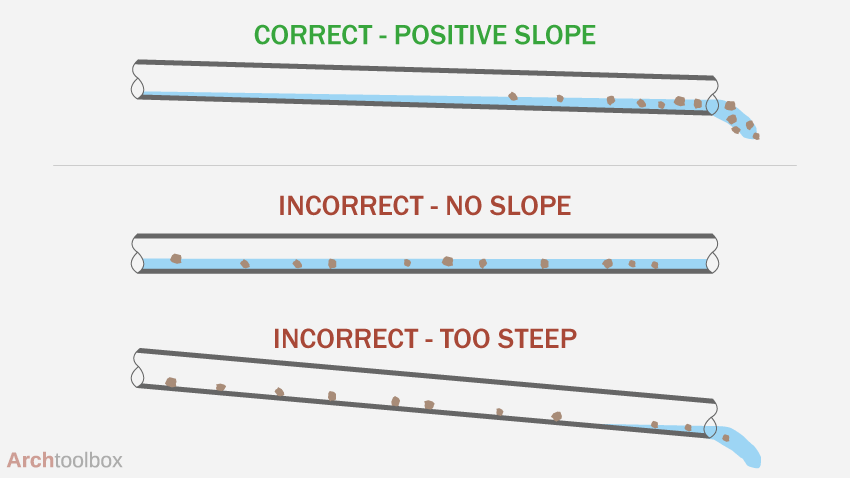
Too Little Slope (Flat or Sagging): If the slope is insufficient, gravity's pull is weakened. Wastewater flows too slowly, allowing solids to settle and accumulate within the pipe. This leads to blockages, backups, and unpleasant odors. Furthermore, stagnant water in the pipes can create an environment conducive to bacterial growth, potentially causing health hazards. Think of it as a slow-moving river – sediment eventually builds up, obstructing the flow.
Too Much Slope (Excessive Decline): While seemingly counterintuitive, an excessive slope is equally problematic. The liquid portion of the wastewater races ahead, leaving solid waste behind to cling to the pipe walls. This "solids stranding" effect eventually leads to clogs and backups, similar to an insufficient slope. Imagine a steep waterslide – the water rushes down, but the rider may not keep up!
The Ideal Sewer Pipe Slope: The Quarter-Inch Rule
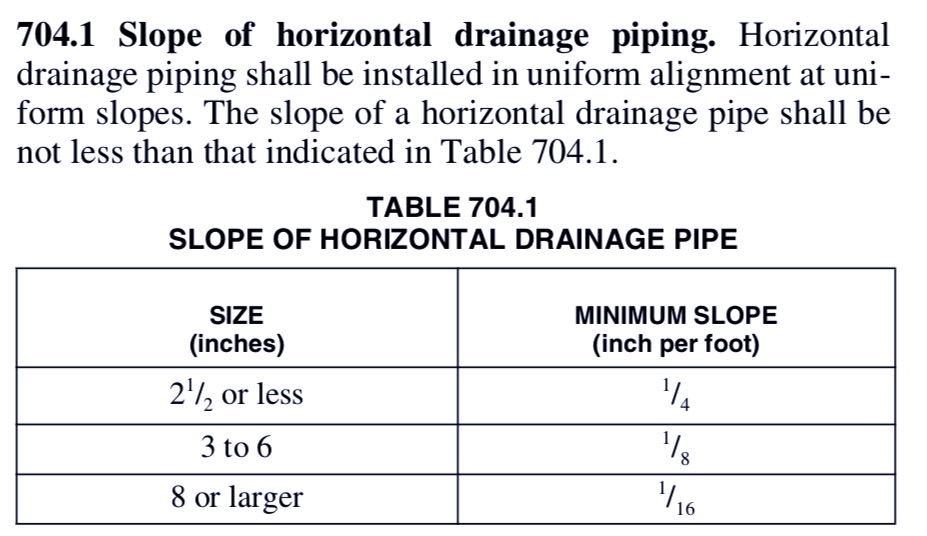
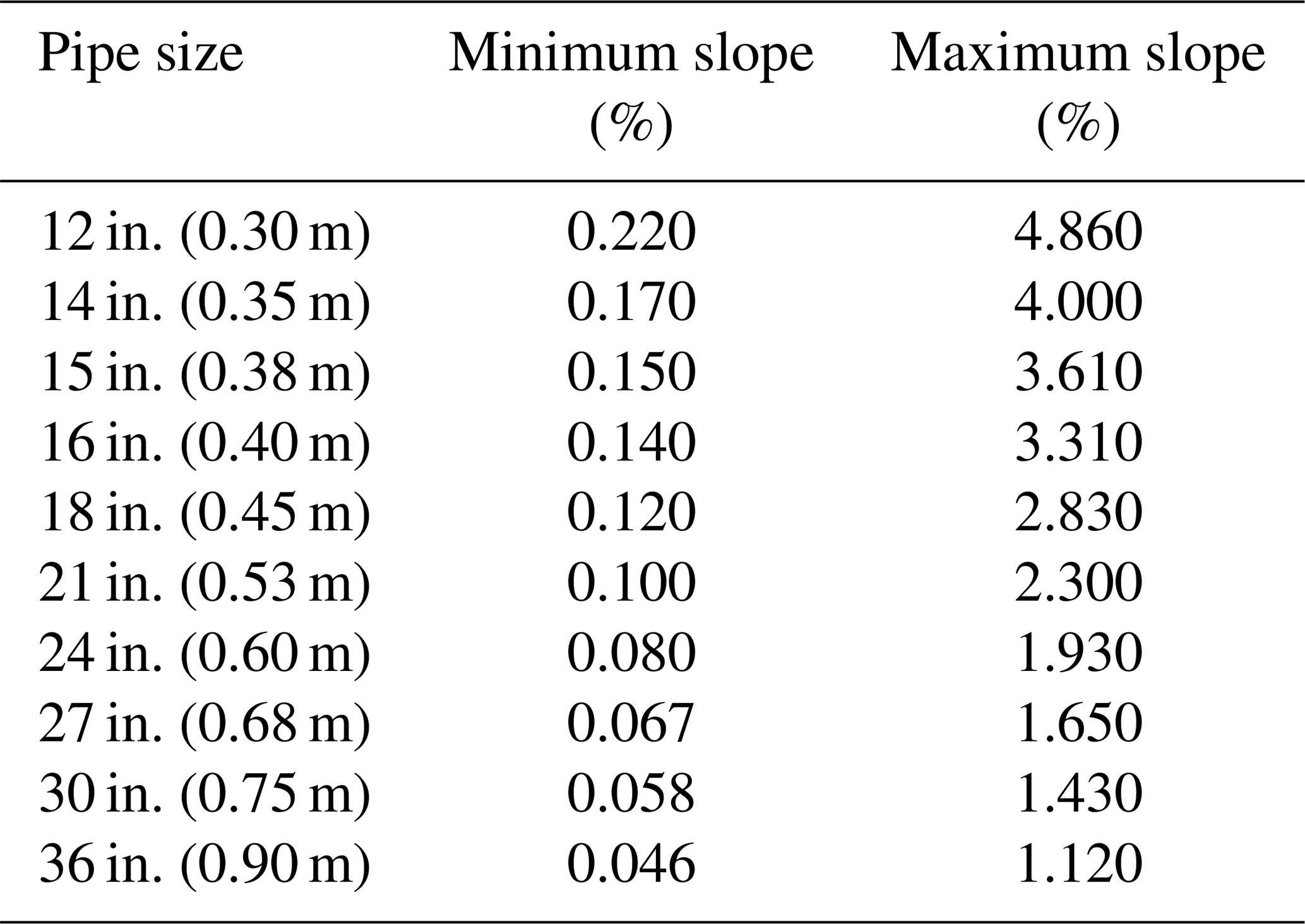
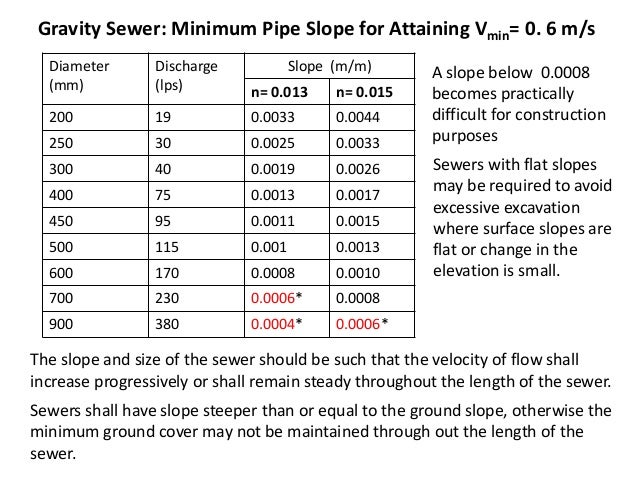
The widely accepted standard for sewer pipe slope is 1/4 inch per foot (2%). This means that for every foot of horizontal run, the pipe should drop by 1/4 of an inch. This rule provides the optimal balance between wastewater velocity and solid waste transport. This is often called the quarter-inch rule.
Exceptions to the Rule
While the 1/4-inch rule is generally applicable, there are situations where deviations are permissible or even necessary:
- 4-inch or Larger Pipes: For pipes with a diameter of 4 inches or greater, a slightly reduced slope of 1/8 inch per foot (1%) is sometimes allowed. The larger diameter allows for greater flow capacity, compensating for the shallower slope.
- Extreme Situations: In situations where space is severely limited and achieving the recommended slope is physically impossible, local plumbing codes may permit alternative solutions. However, these situations usually require specialized engineering and the implementation of measures to mitigate potential clogging. Consult a qualified plumber and your local code authority before deviating from the standard slope.
Calculating Sewer Pipe Slope
Accurately calculating and maintaining the proper sewer pipe slope requires careful measurement and attention to detail. Here's a step-by-step guide:
- Determine the Run: Measure the horizontal distance the pipe needs to travel. This is the "run."
- Apply the Formula: Multiply the run (in feet) by the desired slope (in inches per foot). For example, for a run of 20 feet and a desired slope of 1/4 inch per foot, the calculation is: 20 feet * (1/4 inch/foot) = 5 inches. This means the pipe needs to drop a total of 5 inches over the 20-foot run.
- Maintain Consistent Slope: Ensure the slope is consistent throughout the entire run. Avoid any dips, humps, or abrupt changes in direction, as these can create areas where solids can accumulate.
Tools for Measuring Slope
Several tools can assist in accurately measuring and maintaining the correct sewer pipe slope:
- Level: A standard level can be used in conjunction with a ruler or measuring tape to ensure the pipe is consistently sloped.
- Laser Level: Laser levels provide a highly accurate and precise method for establishing and maintaining the desired slope, especially over longer distances.
- Inclinometer or Digital Level: These devices measure the angle of the pipe and can be used to verify that it meets the required slope.
The Connection to Energy Efficiency and Cost Savings
While it might seem counterintuitive, a properly sloped sewer pipe directly contributes to energy efficiency and cost savings in several ways:
- Reduced Plumbing Repairs: Proper slope minimizes the risk of clogs and backups, preventing costly emergency plumbing repairs. Repeated clogs can cause pipes to leak and that can raise your water bill considerably.
- Extended Pipe Lifespan: By preventing the accumulation of solids and the resulting corrosion, a correct slope helps extend the lifespan of your sewer pipes, delaying the need for expensive replacements.
- Efficient Wastewater Treatment: A properly functioning sewer system ensures that wastewater is efficiently transported to the municipal treatment facility or septic tank, minimizing the strain on these systems.
- Water Conservation: Eliminating clogs and backups prevents water wastage associated with overflowing toilets or sinks.
Smart Home Integration: Monitoring Your Plumbing for Optimal Performance
The integration of smart home technology is extending beyond thermostats and lighting, now encompassing plumbing systems. Smart sensors and monitoring devices can provide real-time data on water flow, pressure, and temperature, allowing you to detect potential problems, including slope-related issues, before they escalate. These sensors can detect slow or inconsistent flow rates, indicating a potential clog or slope issue, or they can identify unusual pressure fluctuations, which may signal a backup in the system.
By integrating these smart plumbing solutions with your existing smart home ecosystem, you can receive alerts on your smartphone or tablet when potential problems are detected, enabling you to take proactive measures to prevent costly repairs.
HVAC Contractors: Expanding Your Services with Energy-Efficient Plumbing Solutions
HVAC contractors are uniquely positioned to offer comprehensive energy-efficient solutions that extend beyond heating and cooling systems. By incorporating plumbing services, such as sewer line inspections and slope corrections, you can provide a more holistic approach to home energy management.
Offer these Services
- Sewer Line Inspections: Utilize video inspection technology to assess the condition of sewer lines, identify potential problems, and verify the slope.
- Slope Corrections: Provide services to correct improper sewer pipe slopes, ensuring optimal wastewater flow and preventing future problems.
- Smart Plumbing Installations: Install and integrate smart plumbing sensors and monitoring devices to provide homeowners with real-time data and alerts on their plumbing systems.
- Energy-Efficient Plumbing Upgrades: Promote the benefits of energy-efficient plumbing fixtures, such as low-flow toilets and showerheads, to reduce water consumption and lower utility bills.
By expanding your service offerings to include these plumbing solutions, you can attract new customers, increase revenue, and establish yourself as a trusted provider of comprehensive energy-efficient home solutions.
Rebates and Incentives for Energy-Efficient Plumbing
Many utility companies and government agencies offer rebates and incentives for homeowners who invest in energy-efficient plumbing upgrades. These programs can help offset the cost of new plumbing fixtures, repairs, and smart plumbing installations. Some energy-efficient appliances and plumbing modifications may qualify for tax credits or rebates. Check with your local utility company and the Energy Star website to learn about available programs in your area.
Example Programs:
- EPA WaterSense Program: This program certifies water-efficient plumbing fixtures, such as toilets, showerheads, and faucets, that meet strict performance criteria. Many utility companies offer rebates for installing WaterSense-labeled products.
- Local Utility Rebates: Many local utility companies offer rebates for upgrading to high-efficiency toilets, repairing leaky plumbing fixtures, and installing smart water monitoring systems.
Ensuring a Sustainable Future Through Proper Plumbing
The often-overlooked aspect of sewer pipe slope plays a critical role in the overall efficiency and sustainability of our homes and businesses. By understanding the principles of proper slope, utilizing smart home technology, and taking advantage of available rebates and incentives, we can all contribute to a more sustainable future while saving money on energy bills.
Consult with a qualified plumber to assess your sewer system and ensure that it meets the recommended slope requirements. Regular inspections and proactive maintenance can help prevent costly repairs and extend the lifespan of your plumbing system, ultimately contributing to a more energy-efficient and sustainable home or business.
Remember, the key to a healthy and efficient sewer system lies in understanding the importance of the quarter-inch rule, and taking the necessary steps to ensure that your pipes are properly sloped for optimal performance.
By embracing these strategies, homeowners and businesses can achieve significant energy savings, reduce their environmental impact, and contribute to a more sustainable future.