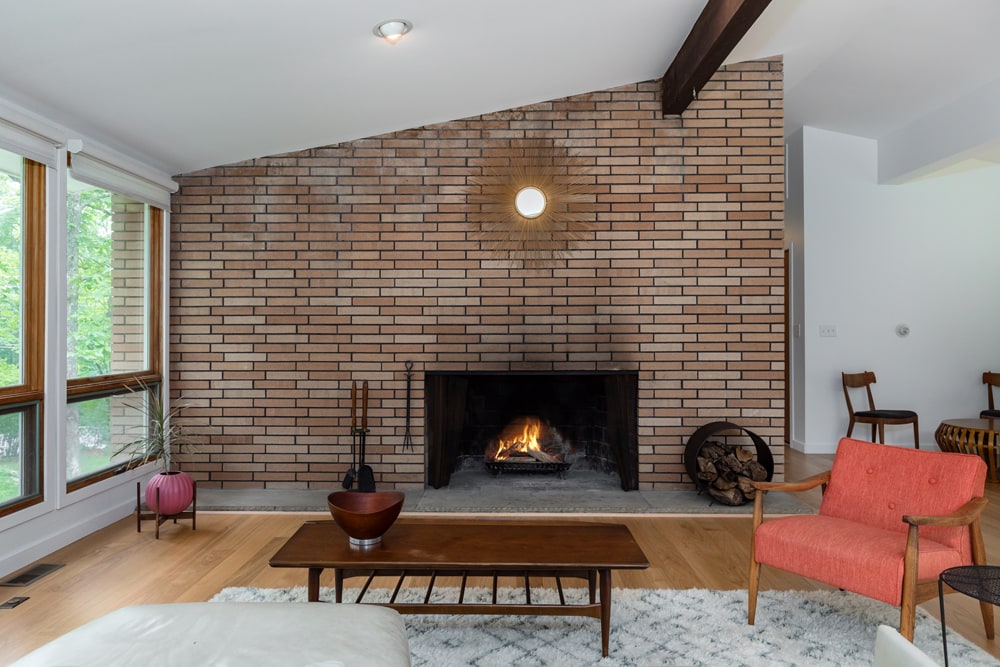
Mid Century Modern Fireplace
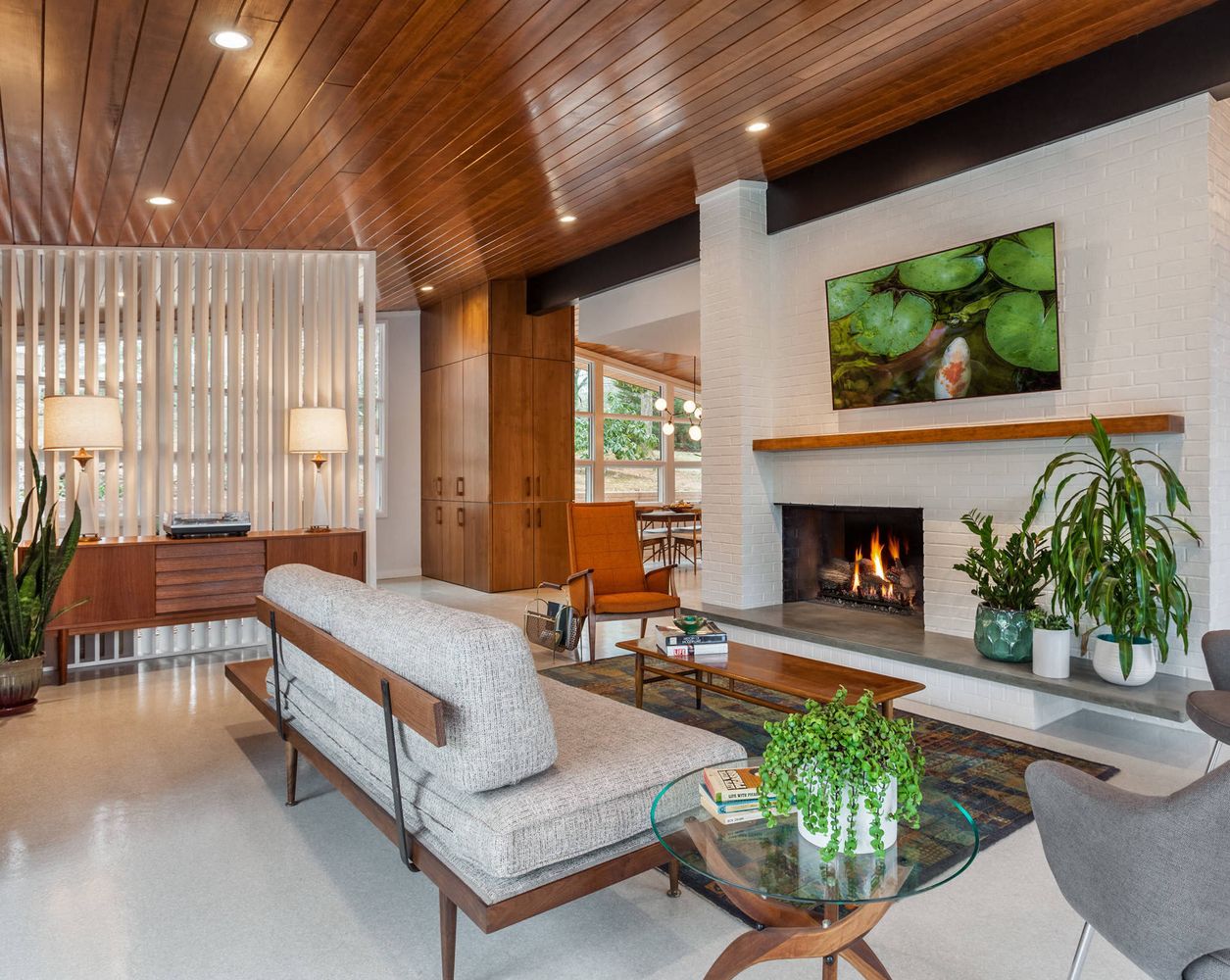
The Mid-Century Modern (MCM) aesthetic, born from post-World War II optimism and a desire for streamlined simplicity, continues to influence interior design and, surprisingly, the HVAC industry. While seemingly disparate, understanding MCM fireplace design is valuable for HVAC professionals. It offers insights into building materials, ventilation requirements, and evolving consumer preferences, all impacting career pathways and business opportunities.
The Allure of Mid-Century Modern Fireplaces
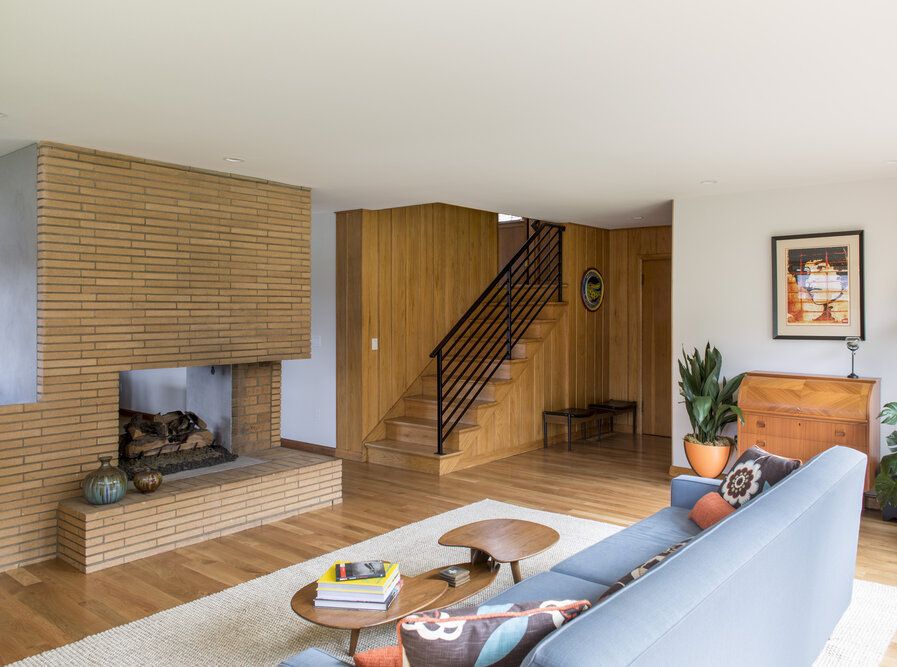
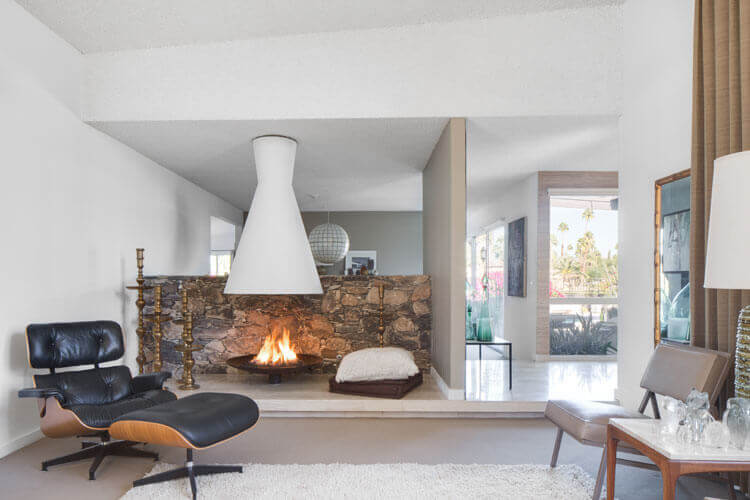
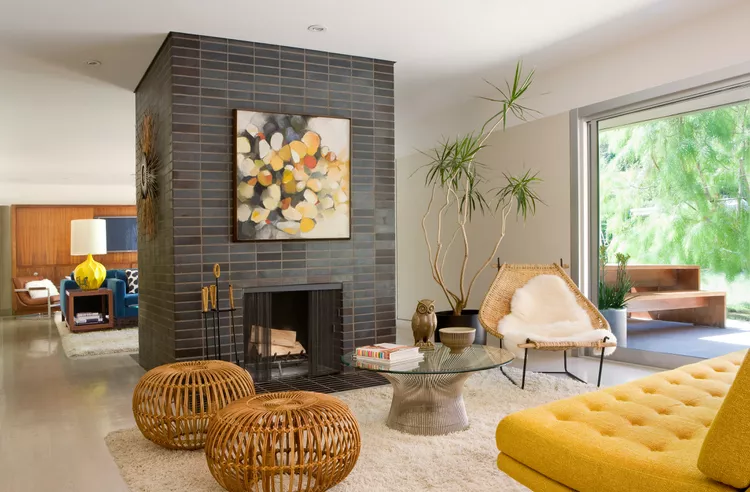
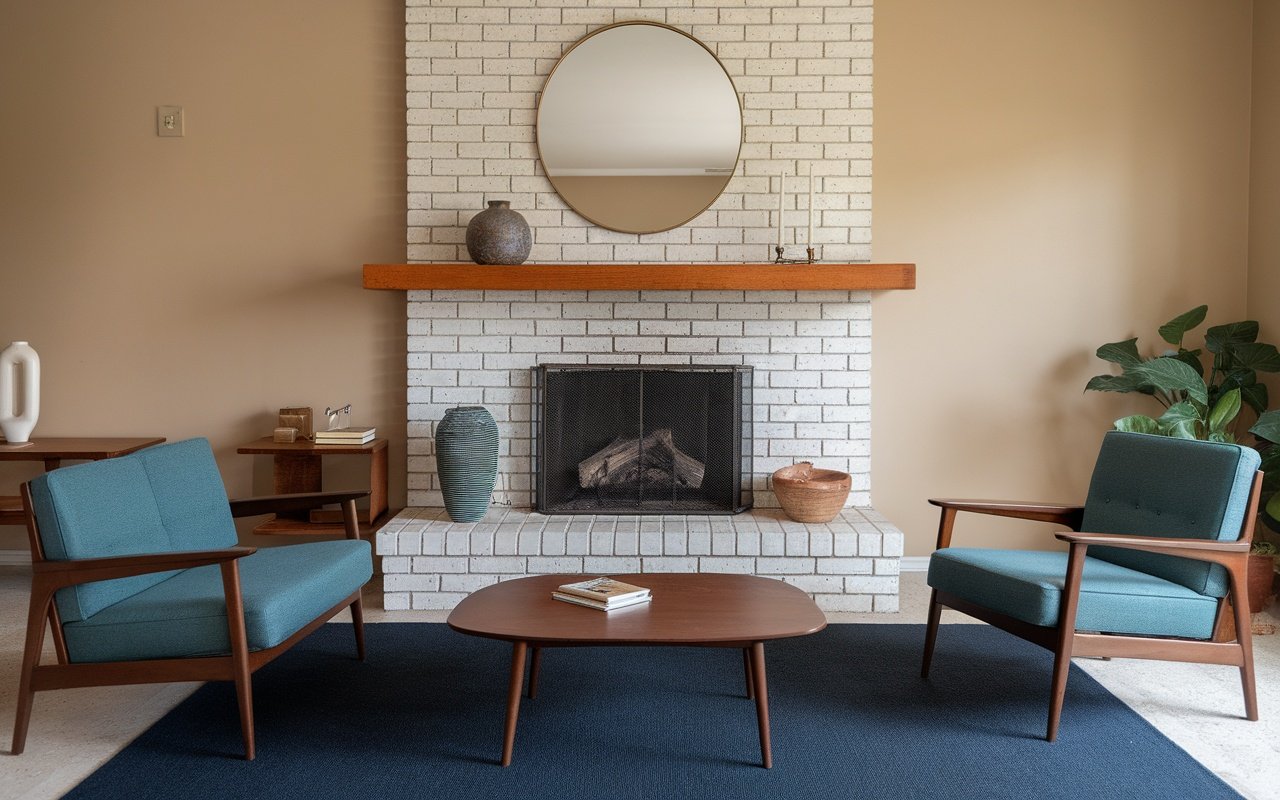
MCM fireplaces are characterized by clean lines, geometric shapes, and a focus on natural materials like brick, stone, and wood. They often feature minimalist mantels or no mantels at all, emphasizing the firebox as a central design element. Common design elements include:
- Raised hearths: Creating a visual focal point and sometimes incorporating built-in seating.
- Exposed brick or stone: Showcasing the raw beauty of the materials.
- Geometric fireboxes: Square, rectangular, or even asymmetrical designs.
- Minimalist surrounds: Limiting ornamentation to emphasize the clean lines.
These design choices influence the HVAC considerations. The type of fuel used (wood, gas, electric) dictates ventilation requirements. The fireplace's location within the home impacts heating zones and overall efficiency. Understanding these nuances is crucial for providing accurate and effective HVAC services.
HVAC Considerations for MCM Fireplaces
Modern HVAC systems must integrate seamlessly with MCM fireplace designs. Key considerations include:
Ventilation
Proper ventilation is paramount, especially for wood-burning fireplaces. Insufficient airflow can lead to:
- Carbon monoxide buildup: A potentially deadly hazard.
- Backdrafting: Smoke entering the home instead of exiting through the chimney.
- Inefficient combustion: Resulting in wasted fuel and increased emissions.
HVAC technicians must ensure adequate chimney drafting and consider installing fresh air intakes to support combustion. Gas fireplaces also require proper venting to remove combustion byproducts. Local codes and regulations often dictate specific ventilation requirements. EPA 608 certification, while primarily focused on refrigerant handling, demonstrates a commitment to environmental responsibility and understanding of combustion principles.
Heating Zones and Efficiency
Fireplaces, while aesthetically pleasing, are often inefficient heating sources. Heat tends to rise and escape through the chimney, leaving other areas of the home cold. HVAC professionals can recommend strategies to improve efficiency, such as:
- Installing fireplace inserts: These enclosed units significantly improve heat output and efficiency.
- Integrating the fireplace with the central heating system: Utilizing ductwork to distribute heat more evenly throughout the home.
- Sealing air leaks around the fireplace: Preventing drafts and heat loss.
Understanding zoning principles is essential. An HVAC system with multiple zones allows homeowners to control the temperature in different areas of the home, optimizing comfort and energy savings. A homeowner might choose to lower the temperature in bedrooms while relying on the fireplace to heat the living room.
Material Compatibility
The materials used in MCM fireplace construction, such as brick, stone, and wood, can impact HVAC system performance. For example, brick and stone retain heat, potentially affecting the thermostat's accuracy. HVAC technicians need to account for these factors when calibrating the system and ensuring optimal performance.
Career Paths and Opportunities
The increasing popularity of MCM design creates opportunities for HVAC professionals with specialized knowledge. Several career paths are particularly relevant:
HVAC Technician Specializing in Fireplace Integration
This role involves installing, maintaining, and repairing HVAC systems that complement MCM fireplace designs. Responsibilities include:
- Assessing ventilation requirements for different fireplace types.
- Integrating fireplaces with central heating systems.
- Troubleshooting issues related to fireplace efficiency and safety.
Salary Range: $45,000 - $75,000 per year, depending on experience and location.
Energy Auditor
Energy auditors assess the energy efficiency of homes and recommend improvements. They can identify opportunities to optimize fireplace performance and reduce energy consumption. NATE (North American Technician Excellence) certification in energy efficiency demonstrates a commitment to this area.
Salary Range: $50,000 - $80,000 per year, depending on experience and certifications.
HVAC Design Engineer
Design engineers create HVAC systems for new construction and renovations. They must consider the fireplace's design and location when designing the system. Knowledge of building codes and sustainable design principles is essential.
Salary Range: $70,000 - $120,000 per year, depending on experience and education.
Certifications and Training
Several certifications and training programs can enhance your career prospects in the HVAC industry, particularly related to MCM fireplace integration:
- NATE Certification: Demonstrates competency in specific HVAC areas, such as heating, cooling, and ventilation.
- EPA 608 Certification: Required for handling refrigerants, but also shows a commitment to environmental responsibility.
- Chimney Sweep Certification: Provides specialized knowledge of chimney construction, maintenance, and safety. The Chimney Safety Institute of America (CSIA) is a leading provider.
- Manufacturer-Specific Training: Many fireplace manufacturers offer training programs on their products.
Continuous learning is crucial in the HVAC industry. Staying up-to-date on the latest technologies, building codes, and design trends is essential for providing high-quality service.
The Job Outlook
The Bureau of Labor Statistics projects a positive job outlook for HVAC mechanics and installers. The demand for skilled technicians is expected to grow as homeowners increasingly invest in energy-efficient and aesthetically pleasing HVAC systems. Understanding design trends like Mid-Century Modern gives technicians a competitive edge.
"Employment of heating, air conditioning, and refrigeration mechanics and installers is projected to grow 6 percent from 2022 to 2032, about as fast as the average for all occupations. About 41,500 openings for heating, air conditioning, and refrigeration mechanics and installers are projected each year, on average, over the decade. All of those openings are expected to result from the need to replace workers who retire or transfer to other occupations." - Bureau of Labor Statistics
Advice for Employers
Employers should prioritize hiring HVAC professionals with a well-rounded skillset, including knowledge of MCM design principles and fireplace integration. Consider the following:
- Provide training opportunities: Invest in training programs to keep your employees up-to-date on the latest technologies and design trends.
- Seek certifications: Encourage employees to pursue relevant certifications, such as NATE and EPA 608.
- Emphasize customer service: HVAC professionals are often the face of the company. Excellent customer service skills are essential for building trust and loyalty.
By investing in skilled and knowledgeable employees, employers can gain a competitive advantage in the HVAC market.
Conclusion
The Mid-Century Modern aesthetic has a significant impact on modern homes, and understanding its influence on fireplace design is crucial for HVAC professionals. By acquiring the necessary knowledge and skills, technicians can enhance their career prospects and provide valuable services to homeowners seeking to integrate modern HVAC systems with classic design elements. Continuous learning, professional certifications, and a commitment to customer service are essential for success in this dynamic industry. The combination of technical expertise and design awareness makes HVAC professionals invaluable assets in the evolving landscape of home comfort and aesthetics.