Miller Furnace Troubleshooting Codes
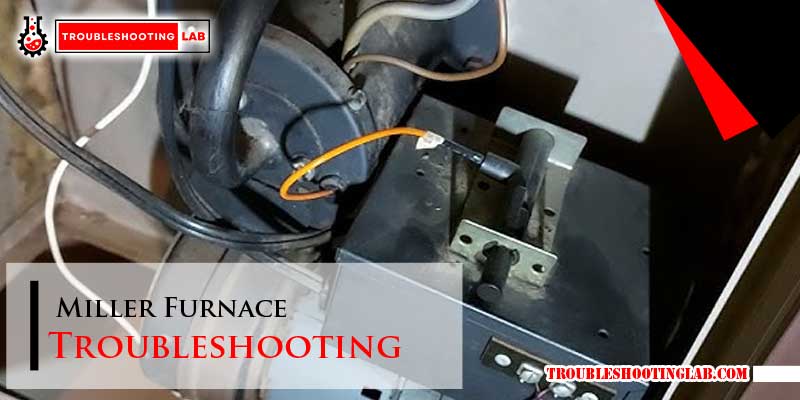
Miller furnaces, known for their affordability and reliability, are a common sight in homes and light commercial settings across the country. Like all heating systems, however, they can experience issues. Fortunately, modern Miller furnaces incorporate diagnostic features that display error codes, assisting homeowners, technicians, and facility managers in pinpointing problems and facilitating faster repairs. Understanding these codes is crucial for maintaining optimal furnace performance and extending its lifespan.
Understanding Miller Furnace Troubleshooting Codes
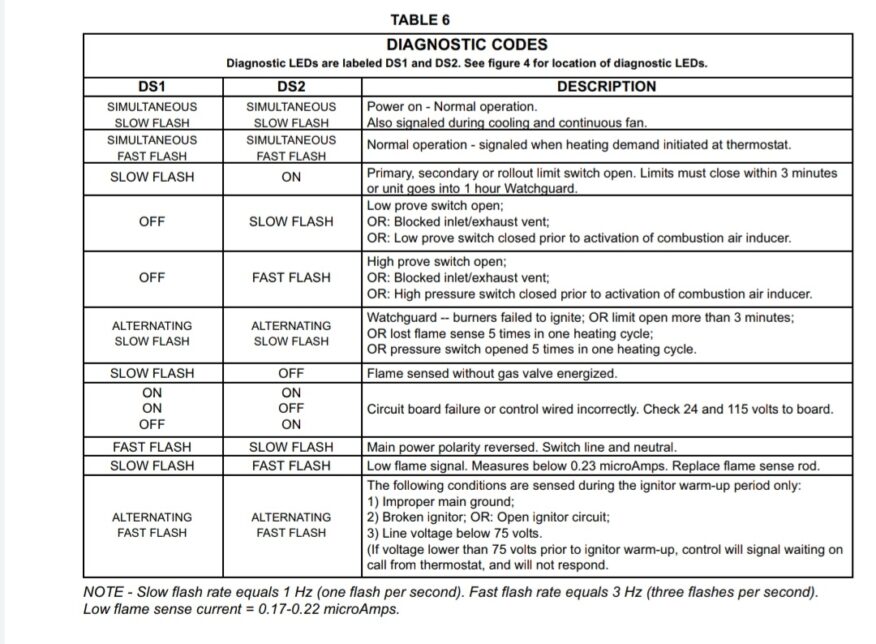
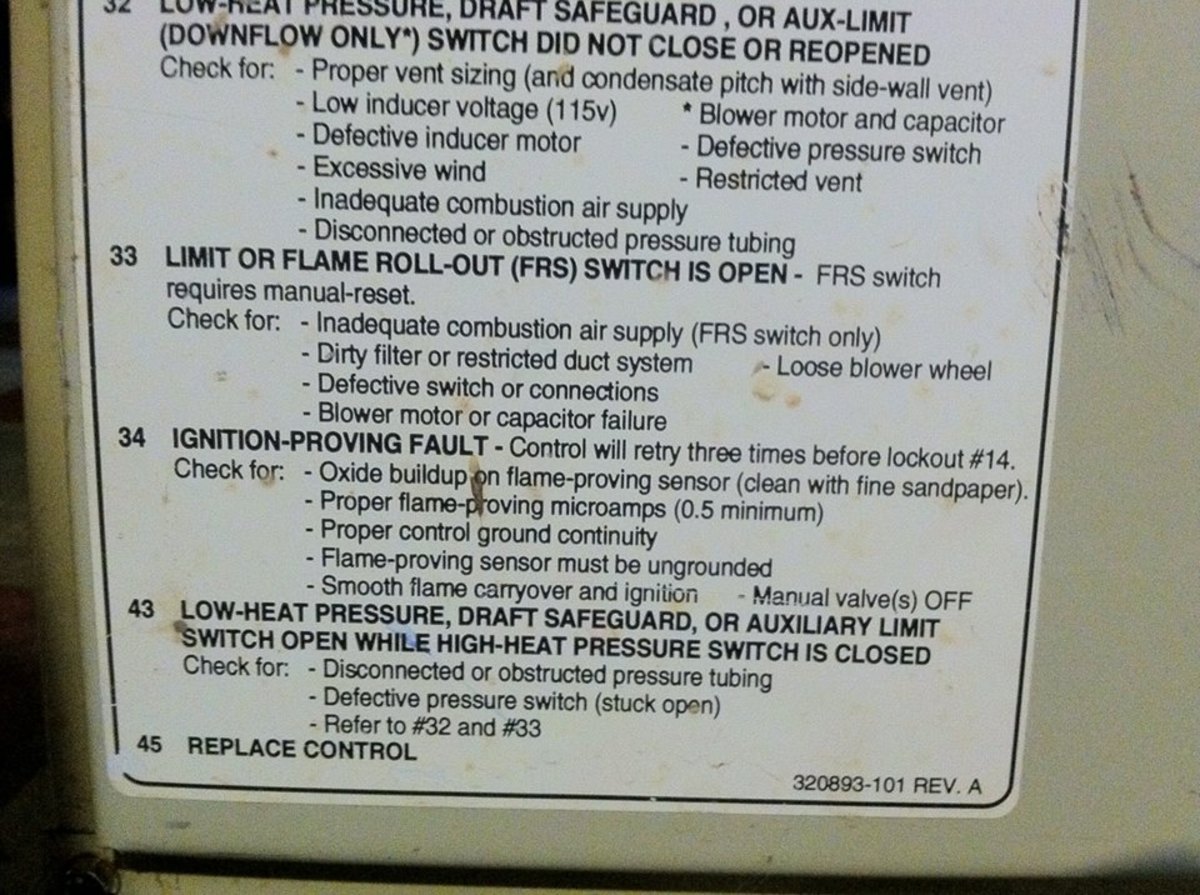
Troubleshooting codes are essentially short messages displayed on the furnace's control board (usually via an LED display or series of flashing lights). These codes correspond to specific faults detected by the furnace's internal sensors and control system. The codes are designed to guide troubleshooting, but it's essential to remember that a code indicates a symptom, not necessarily the root cause. Further investigation is usually required.
Before diving into specific codes, let's clarify a few key terms often encountered in Miller furnace diagnostics:
- Flame Sensor: A safety device that confirms the presence of a flame during operation. If the flame sensor doesn't detect a flame when the gas valve is open, the furnace will shut down to prevent gas buildup.
- Pressure Switch: Monitors the pressure within the venting system. A blocked vent can cause the pressure switch to trip, shutting down the furnace.
- Limit Switch: A safety device that shuts down the furnace if it overheats. This can be caused by a blocked filter, a faulty blower motor, or obstructed vents.
- Thermocouple/Flame Rectification: Older furnaces used thermocouples to detect flame. Modern units use flame rectification which measures the electrical current through the flame itself.
- Rollout Switch: Located near the burners, this switch detects if flames are rolling out of the burner compartment, a dangerous situation that requires immediate attention.
- Ignitor: Ignites the gas to start the combustion process. Miller furnaces typically use hot surface ignitors.
Common Miller Furnace Error Codes and Troubleshooting
Here's a breakdown of some common Miller furnace error codes, along with possible causes and troubleshooting steps. Always turn off the power to the furnace before attempting any repairs. If you are not comfortable working with gas or electrical systems, consult a qualified HVAC technician.
Important Note: Miller furnace models can vary, so always consult the specific furnace's service manual for the most accurate code definitions and troubleshooting procedures. The examples provided are general guidelines.
Example Code 1: Flame Sensor Failure (Often indicated by a specific flashing pattern)
Possible Causes:
- Dirty flame sensor.
- Faulty flame sensor.
- Poor electrical connection to the flame sensor.
- Improper grounding.
- Faulty gas valve.
Troubleshooting Steps:
- Clean the Flame Sensor: Use a piece of fine-grit sandpaper or steel wool to gently clean the flame sensor rod.
- Check the Wiring: Ensure the wire connecting to the flame sensor is secure and in good condition.
- Test the Flame Sensor: Use a multimeter to test the flame sensor for proper resistance. Consult the furnace's service manual for the correct resistance value.
- Inspect Grounding: Ensure the furnace is properly grounded.
- Test Gas Valve: This requires advanced knowledge and should be performed by a qualified technician.
Example Code 2: Pressure Switch Open (Indicated by a specific flashing pattern)
Possible Causes:
- Blocked vent.
- Faulty pressure switch.
- Condensation in the pressure switch tubing.
- Weak inducer motor.
Troubleshooting Steps:
- Inspect the Vent: Check for any obstructions in the vent pipe, such as bird nests, leaves, or snow.
- Check Pressure Switch Tubing: Disconnect the tubing from the pressure switch and blow through it to clear any condensation.
- Test the Pressure Switch: Use a multimeter to test the pressure switch for continuity.
- Inspect Inducer Motor: Ensure the inducer motor is running smoothly and generating adequate pressure. If it is weak or making unusual noises, it may need to be replaced.
Example Code 3: Limit Switch Open (Indicated by a specific flashing pattern)
Possible Causes:
- Blocked air filter.
- Closed or obstructed vents.
- Faulty blower motor.
- Overheated heat exchanger.
- Faulty limit switch.
Troubleshooting Steps:
- Replace the Air Filter: A dirty air filter is a common cause of overheating.
- Open Vents: Ensure all vents are open and unobstructed.
- Inspect Blower Motor: Check the blower motor for proper operation. Listen for unusual noises and ensure the motor is running at the correct speed.
- Inspect Heat Exchanger: A cracked or damaged heat exchanger can cause overheating and is a serious safety hazard. This should be inspected by a qualified technician.
- Test the Limit Switch: Use a multimeter to test the limit switch for continuity.
Example Code 4: Ignition Failure (Indicated by a specific flashing pattern)
Possible Causes:
- Faulty ignitor.
- Faulty gas valve.
- Blocked gas line.
- Faulty control board.
Troubleshooting Steps:
- Inspect the Ignitor: Check the ignitor for cracks or damage. If it is not glowing during the ignition sequence, it may need to be replaced.
- Check Gas Supply: Ensure the gas valve is open and there is gas pressure to the furnace.
- Test Gas Valve: This requires advanced knowledge and should be performed by a qualified technician.
- Inspect Control Board: A faulty control board can prevent the ignitor from receiving power or the gas valve from opening. This often requires professional diagnosis.
Preventative Maintenance: Avoiding Error Codes
The best way to deal with error codes is to prevent them from occurring in the first place. Regular preventative maintenance can significantly reduce the likelihood of furnace problems.
- Annual Inspection: Schedule an annual inspection by a qualified HVAC technician. They can identify potential problems before they lead to breakdowns.
- Filter Replacement: Replace the air filter regularly, typically every 1-3 months, depending on the type of filter and the air quality in your home.
- Vent Inspection: Inspect the venting system annually for obstructions.
- Clean Burners: Periodically clean the burners to ensure efficient combustion. This is best left to a professional.
- Carbon Monoxide Detectors: Install and maintain carbon monoxide detectors to protect your family from the dangers of carbon monoxide poisoning.
When to Call a Professional
While some troubleshooting steps can be performed by homeowners, it's crucial to recognize when professional help is needed. If you are uncomfortable working with gas or electrical systems, or if you are unable to diagnose the problem based on the error code, it's best to call a qualified HVAC technician. Attempting to repair a furnace without the proper knowledge and tools can be dangerous and could potentially damage the furnace further. Always prioritize safety.
Furthermore, certain repairs, such as replacing a gas valve or working on the heat exchanger, should always be performed by a licensed technician. These components are critical for safety and require specialized knowledge and equipment.
Cost Considerations
The cost of repairing a Miller furnace can vary depending on the problem. Simple repairs, such as cleaning a flame sensor or replacing an air filter, may only cost a few dollars. However, more complex repairs, such as replacing a blower motor or a control board, can cost several hundred dollars or more.
When faced with a significant repair, it's often worthwhile to consider the age and condition of the furnace. If the furnace is nearing the end of its lifespan (typically 15-20 years), it may be more cost-effective to replace it with a new, more efficient model. Modern furnaces offer significant energy savings and improved comfort compared to older models.
Conclusion
Understanding Miller furnace troubleshooting codes is a valuable skill for homeowners, HVAC technicians, and facility managers alike. By learning to interpret these codes and perform basic troubleshooting steps, you can quickly identify and address common furnace problems, ensuring efficient and reliable heating throughout the winter months. Remember to always prioritize safety and consult a qualified HVAC technician when needed.