Mini Split Ac And Heat Pump
Mini-split air conditioners and heat pumps, also known as ductless systems, offer a flexible and efficient way to heat and cool individual rooms or zones in your home. Unlike traditional central air systems, they don't rely on a network of ductwork. This makes them ideal for additions, renovations, or homes without existing duct systems.
What are Mini-Split Systems?
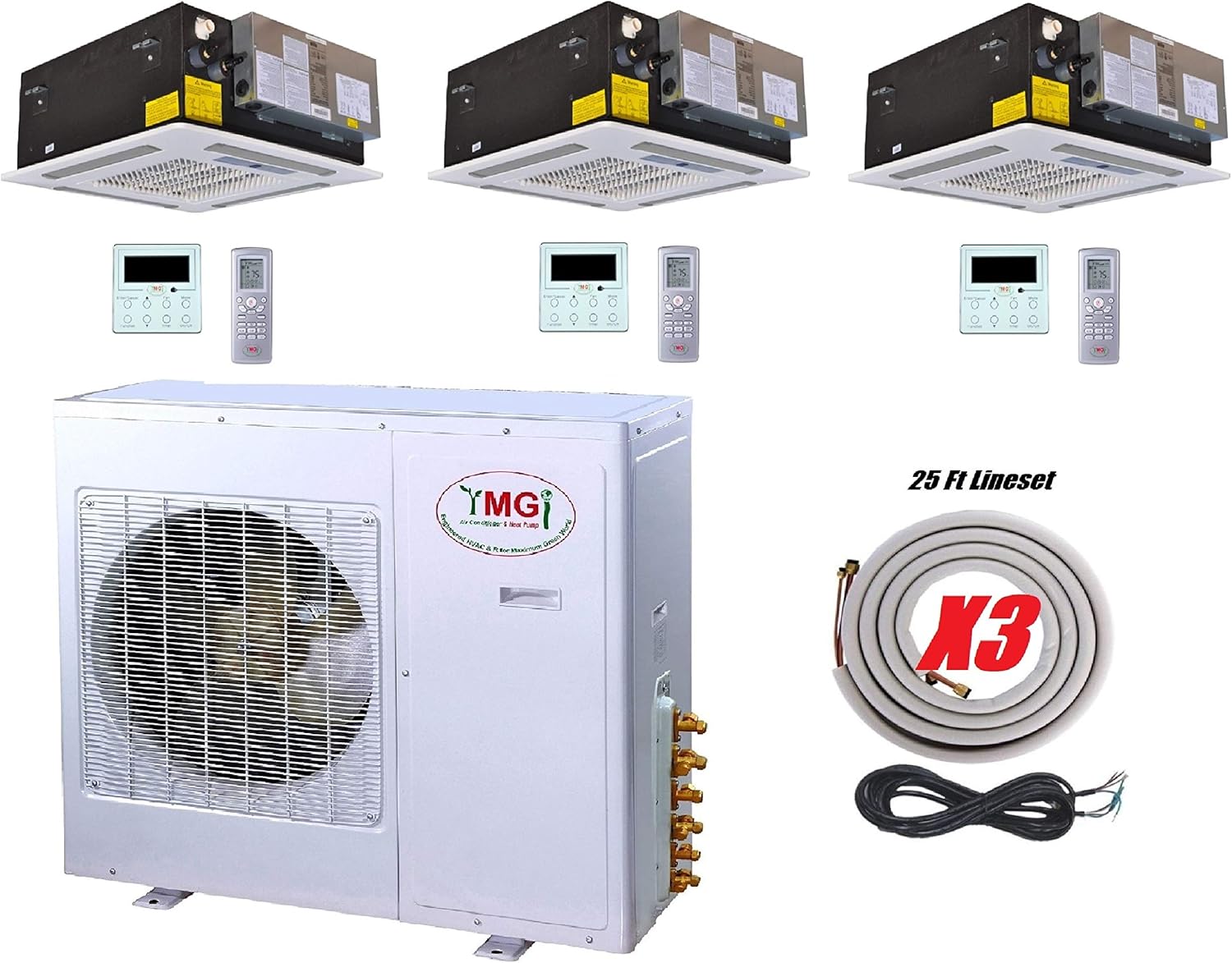
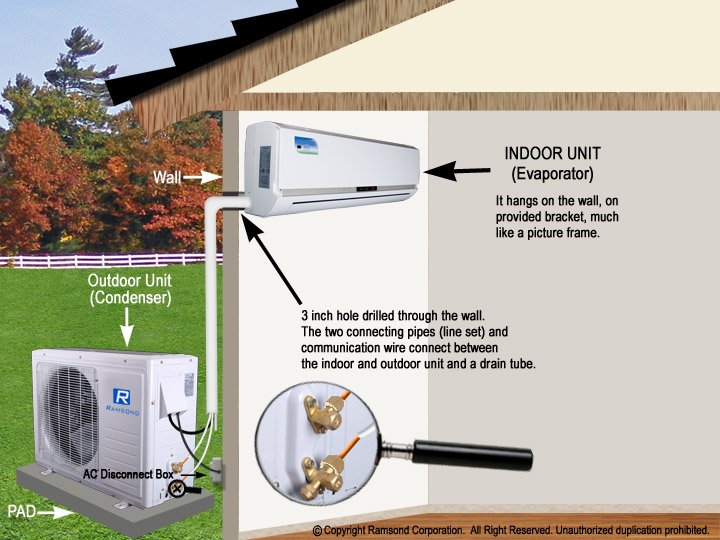
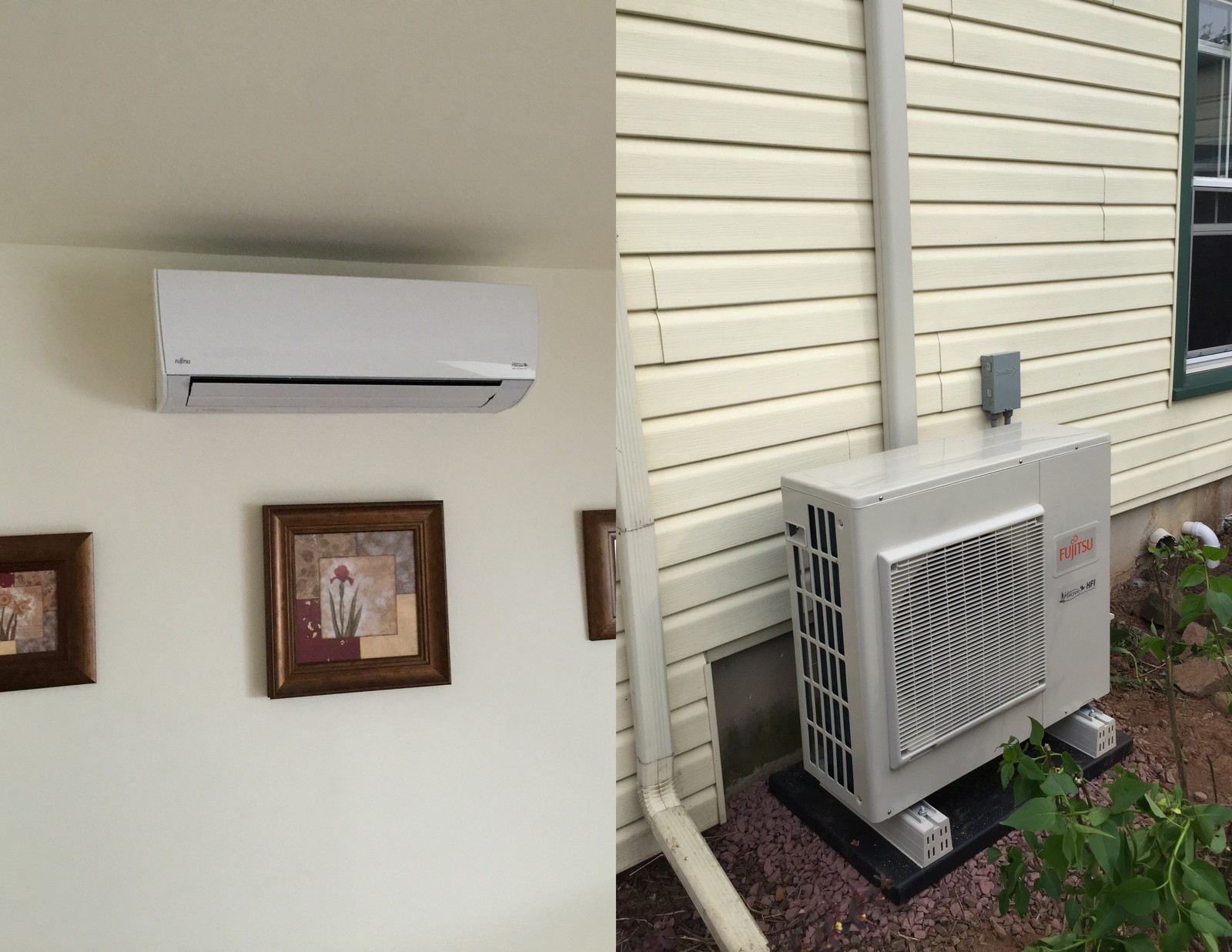
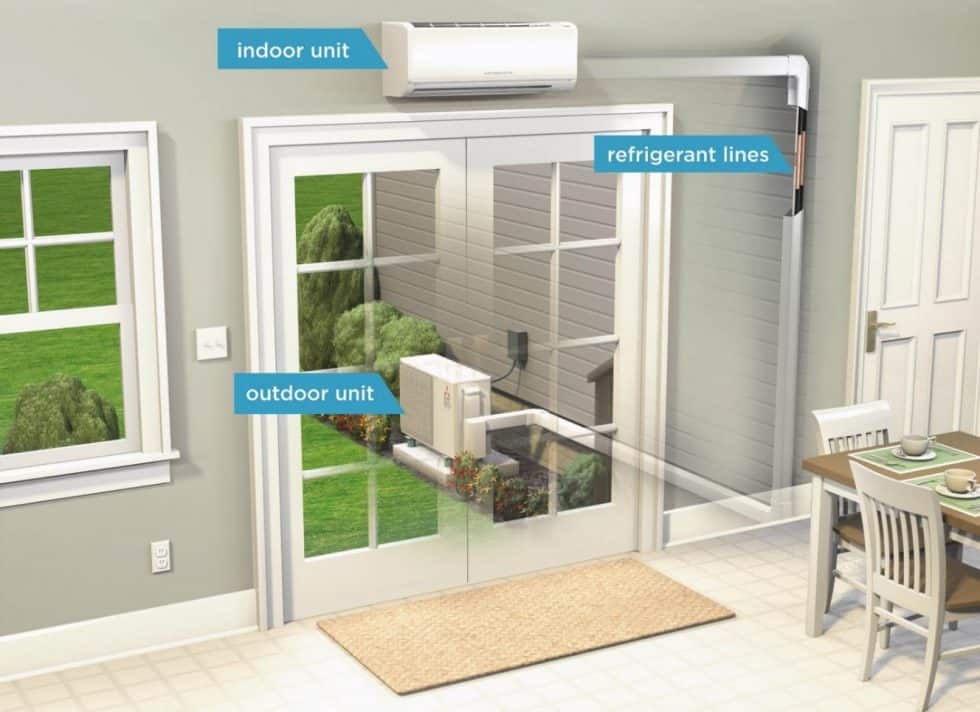
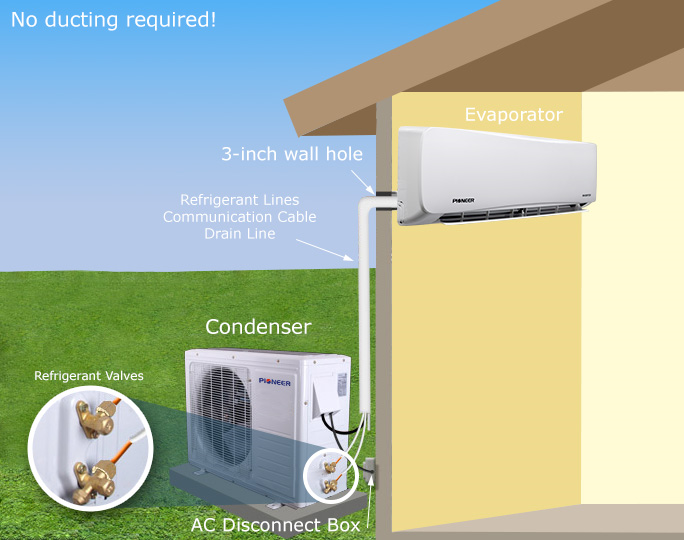
A mini-split system consists of two main components: an outdoor unit (containing the compressor, condenser coil, and fan) and one or more indoor units (containing the evaporator coil and fan). These units are connected by refrigerant lines and electrical wiring through a small hole in the wall.
Think of the outdoor unit as the "engine" of the system, and the indoor unit as the "air delivery" system.
Key Components Explained:
- Outdoor Unit (Compressor/Condenser): This unit houses the compressor, which pumps refrigerant throughout the system. It also contains the condenser coil, which releases heat to the outside air in cooling mode, and the fan which helps with heat transfer.
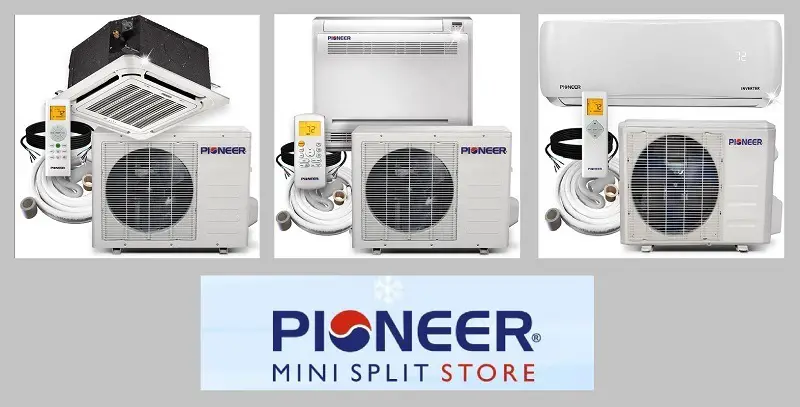
- Indoor Unit (Evaporator): Located inside the room, this unit contains the evaporator coil, which absorbs heat from the air in cooling mode. It also houses a fan that circulates the cooled or heated air into the room. These are available in various styles like wall-mounted, ceiling cassettes, and floor-mounted.
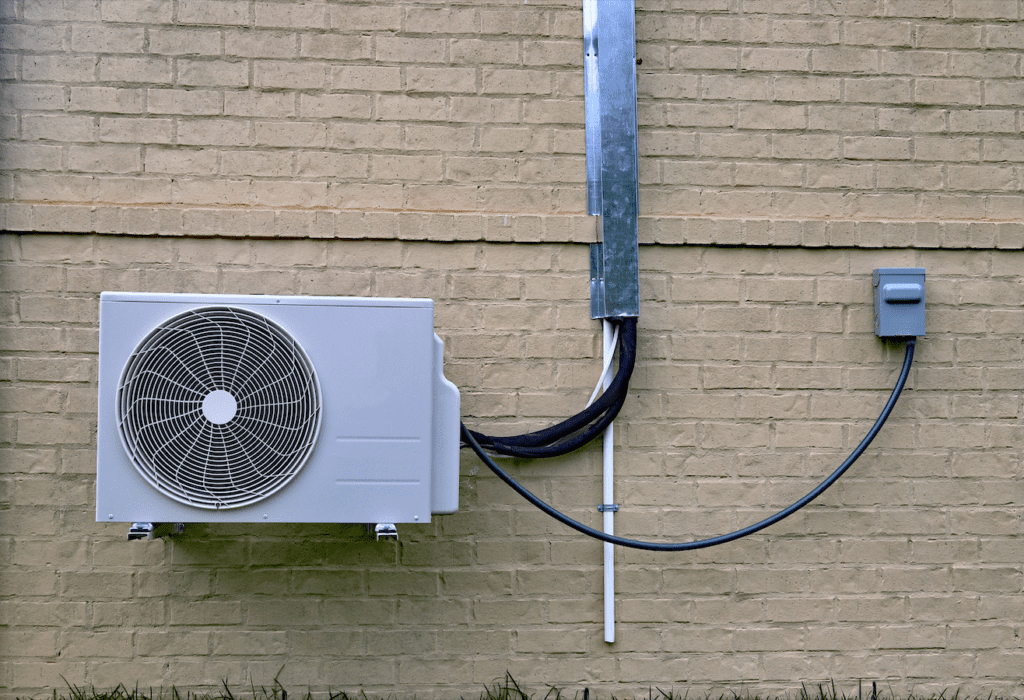
- Refrigerant Lines: Copper pipes that carry the refrigerant between the indoor and outdoor units. Refrigerant is like the "blood" of the system, carrying heat from one place to another.
- Electrical Wiring: Provides power to both the indoor and outdoor units, and facilitates communication between them.
- Remote Control: Allows you to control the temperature, fan speed, and other settings of the indoor unit. Many systems now offer smartphone app control.
How Do Mini-Splits Work?
Mini-splits utilize a refrigeration cycle to transfer heat. Here's a simplified explanation:
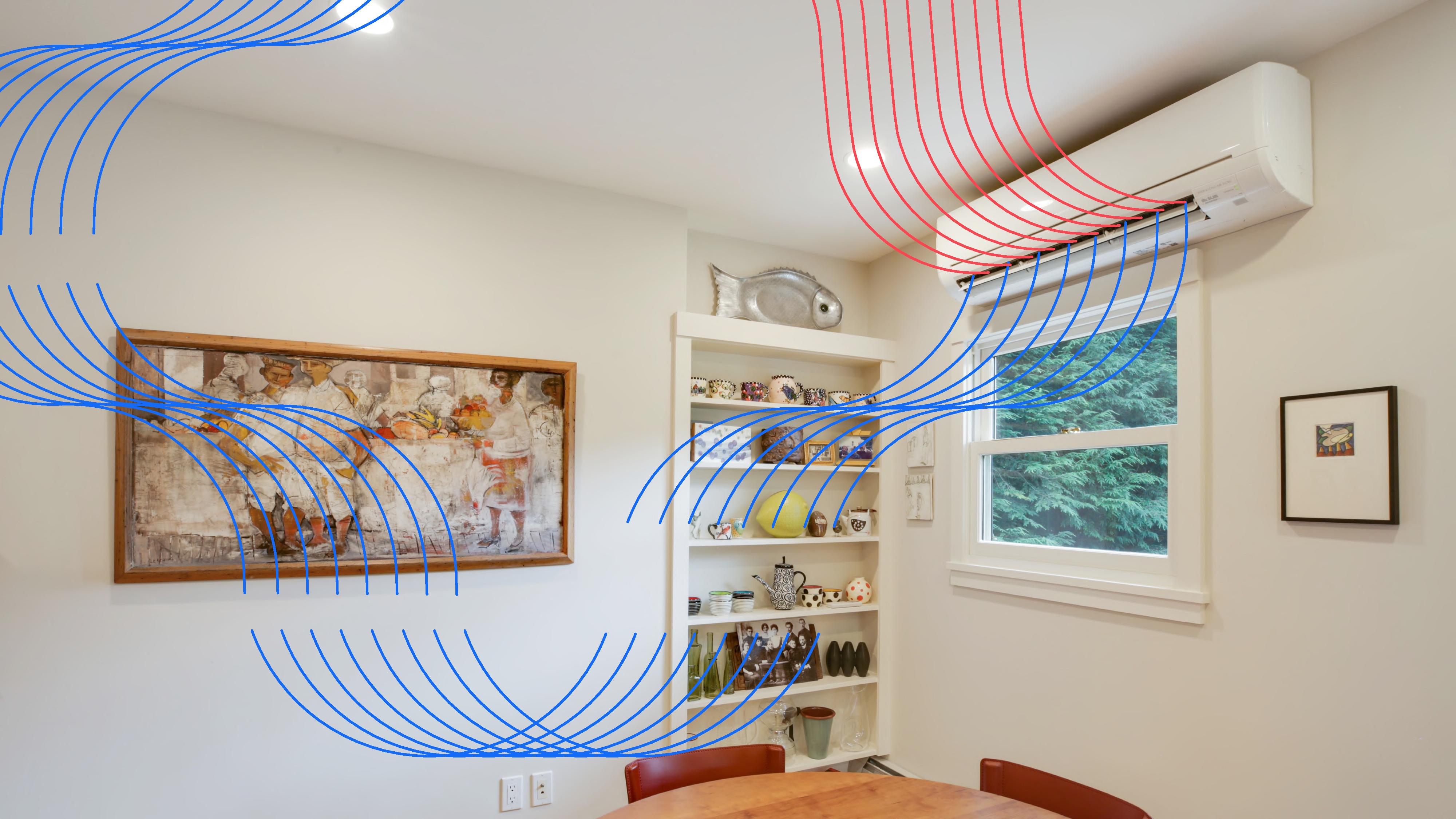
- Cooling Mode: Warm air from the room is drawn over the evaporator coil in the indoor unit. The refrigerant inside the coil absorbs this heat, cooling the air, which is then blown back into the room. The heated refrigerant travels to the outdoor unit.
- Outdoor Unit Operation (Cooling): In the outdoor unit, the refrigerant releases the absorbed heat to the outside air via the condenser coil and fan. The refrigerant then cools down and returns to the indoor unit to repeat the cycle.
- Heating Mode (Heat Pump): The process is reversed. The outdoor unit extracts heat from the outside air (even in cold temperatures) and transfers it to the refrigerant. This warmed refrigerant travels to the indoor unit.
- Indoor Unit Operation (Heating): In the indoor unit, the refrigerant releases heat into the room, warming the air. The cooled refrigerant returns to the outdoor unit to repeat the cycle.
Even in cold weather, there's still heat energy present in the outside air. A heat pump is designed to extract this energy, though its efficiency decreases as the temperature drops significantly.
Advantages of Mini-Split Systems
- Energy Efficiency: Mini-splits are generally more energy-efficient than traditional central air systems because they don't suffer from duct losses. Ductwork can leak air, wasting energy. Look for models with high SEER (Seasonal Energy Efficiency Ratio) and HSPF (Heating Seasonal Performance Factor) ratings.
- Zoned Cooling and Heating: You can control the temperature in each room or zone independently, allowing you to heat or cool only the areas you're using. This saves energy and money.
- Easy Installation: Installation is typically simpler and less disruptive than installing ductwork for a central air system. A small hole in the wall is all that's needed to connect the indoor and outdoor units.
- Quiet Operation: Mini-split systems are known for their quiet operation, both indoors and outdoors.
- No Ductwork Required: Ideal for homes without existing ductwork, additions, or renovations where adding ductwork would be difficult or expensive.
- Improved Air Quality: Many mini-split systems come with advanced filtration systems that can remove dust, allergens, and other pollutants from the air.
Disadvantages of Mini-Split Systems
- Initial Cost: The upfront cost of a mini-split system can be higher than a window unit or portable AC. However, the long-term energy savings can often offset the initial investment.
- Aesthetics: Some people find the appearance of the indoor units less aesthetically pleasing than central air vents. However, newer models are becoming more stylish and discreet.
- Limited Heating Capacity in Extreme Cold: While heat pumps can provide efficient heating in moderate climates, their heating capacity can decrease significantly in extremely cold weather. Supplemental heating may be required in these situations.
- Professional Installation Required: Proper installation is crucial for optimal performance and longevity. It's best to hire a qualified HVAC technician.
Choosing the Right Mini-Split System
Selecting the right mini-split system depends on several factors:
- Room Size and Layout: Determine the square footage of the area you want to heat and cool. Consider factors like ceiling height, window size, and insulation levels.
- Climate: Choose a system that is appropriate for your climate. If you live in a very cold climate, you may need a system with a higher heating capacity or a supplemental heating source.
- Number of Zones: Decide how many zones you want to control independently. A multi-zone system can accommodate multiple indoor units connected to a single outdoor unit.
- Energy Efficiency: Look for systems with high SEER and HSPF ratings to maximize energy savings. Energy Star certified models are a good choice.
- Features: Consider features like remote control, programmable timers, sleep mode, and air purification filters.
- Budget: Determine your budget and compare prices from different manufacturers and installers.
Installation Considerations
Professional installation is essential for mini-split systems. A qualified HVAC technician will ensure that the system is properly sized, installed, and configured for optimal performance. The technician will also handle the refrigerant lines, electrical wiring, and system testing.
Here are some key installation considerations:
- Location of the Outdoor Unit: The outdoor unit should be placed on a solid, level surface with adequate clearance for airflow. It should also be protected from direct sunlight and harsh weather conditions.
- Location of the Indoor Unit: The indoor unit should be mounted on a wall or ceiling in a location that allows for good air circulation throughout the room. Avoid placing it behind furniture or curtains.
- Refrigerant Line Connections: The refrigerant lines must be properly connected and sealed to prevent leaks.
- Electrical Wiring: The electrical wiring must be installed according to local codes and regulations.
- System Testing: After installation, the technician should test the system to ensure that it is operating properly and efficiently.
Maintenance and Care
Regular maintenance is essential to keep your mini-split system running smoothly and efficiently. Here are some basic maintenance tasks:
- Clean the Air Filters: Clean the air filters in the indoor unit every month or two. Dirty filters can restrict airflow and reduce efficiency.
- Clean the Outdoor Unit: Remove any debris, such as leaves, dirt, or snow, from the outdoor unit.
- Inspect the Refrigerant Lines: Check the refrigerant lines for leaks or damage. If you notice any problems, contact a qualified HVAC technician.
- Schedule Professional Maintenance: Schedule a professional maintenance checkup at least once a year. The technician will inspect the system, clean the coils, and check the refrigerant levels.
Cost of Mini-Split Systems
The cost of a mini-split system can vary depending on several factors, including the size of the system, the number of zones, the brand, and the installation costs.
Here's a general estimate of the costs involved:
- System Cost: The cost of the indoor and outdoor units can range from $1,500 to $6,000 or more, depending on the size and features of the system. Multi-zone systems will be more expensive.
- Installation Cost: Installation costs can range from $500 to $2,000 or more, depending on the complexity of the installation and the labor rates in your area.
It's important to get quotes from multiple installers before making a decision. Be sure to ask about warranties and financing options.
Conclusion
Mini-split air conditioners and heat pumps offer a versatile and efficient solution for heating and cooling individual rooms or zones in your home. They are particularly well-suited for homes without existing ductwork, additions, or renovations. While the initial cost can be higher than other options, the long-term energy savings and improved comfort can make them a worthwhile investment. By understanding the features, benefits, and considerations discussed in this guide, you can make an informed decision about whether a mini-split system is right for you.