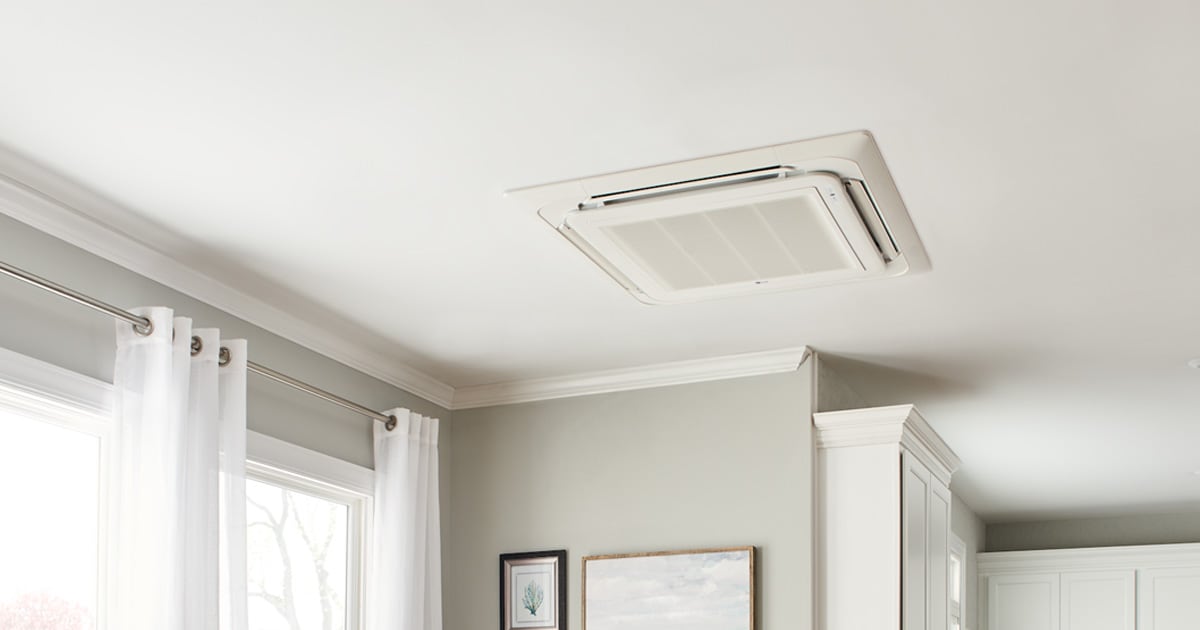
Mini Split Ac With Ceiling Cassette

Ceiling cassette mini-split systems offer a discreet and efficient way to heat and cool spaces. Unlike traditional wall-mounted or floor-standing units, these systems are recessed into the ceiling, providing a streamlined appearance and uniform air distribution. This article explores the components, advantages, disadvantages, installation considerations, and maintenance of ceiling cassette mini-split air conditioners, catering to homeowners, HVAC technicians, and facility managers.
Understanding Ceiling Cassette Mini-Split Systems
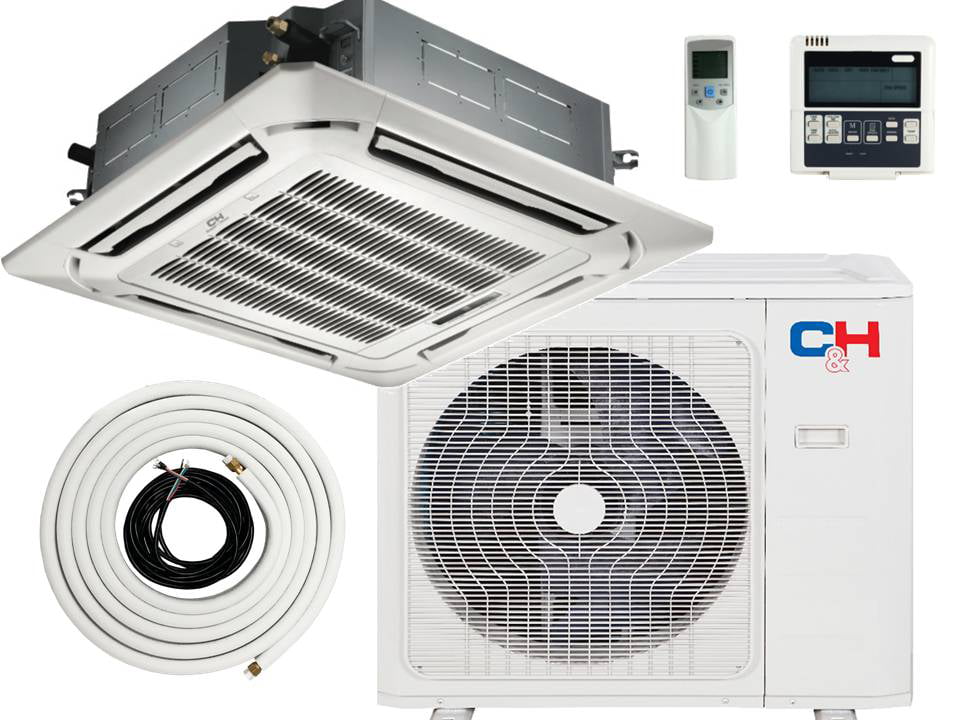
A ceiling cassette mini-split AC is a type of ductless mini-split system. Ductless systems, in general, provide zoned heating and cooling without the need for extensive ductwork. A typical mini-split system consists of two main components:
- Outdoor Unit: This unit houses the compressor, condenser coil, and expansion valve. It's responsible for rejecting heat (in cooling mode) or absorbing heat (in heating mode).
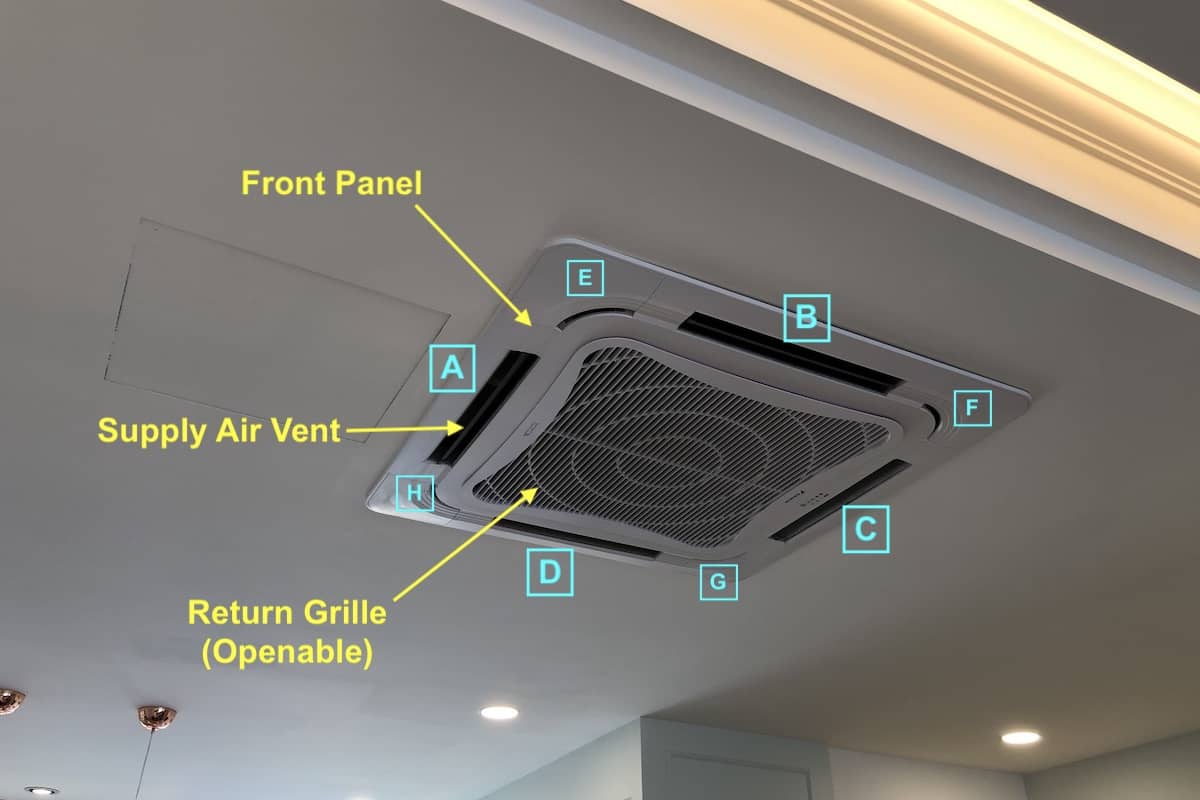
- Indoor Unit (Cassette): The ceiling cassette is the indoor component. It contains the evaporator coil, a fan, and air filters. It's designed to be flush-mounted within a standard ceiling grid or drywall opening.
Refrigerant lines connect the indoor and outdoor units, transferring heat between them. A condensate drain line removes moisture collected during the cooling process.
Key Components of a Ceiling Cassette Unit
- Evaporator Coil: Cools the air as refrigerant evaporates.
- Fan: Distributes cooled or heated air into the room, often employing multiple directional airflow settings.
- Air Filters: Remove dust, pollen, and other airborne particles to improve air quality. Regular cleaning is essential.
- Condensate Pan and Drain: Collect and drain condensation. Proper drainage is crucial to prevent water damage and mold growth.
- Control System: Allows users to adjust temperature, fan speed, and operating modes (cooling, heating, dehumidifying, fan-only). Remote controls are standard.
Advantages of Ceiling Cassette Mini-Splits
Ceiling cassette mini-splits offer several benefits over traditional HVAC systems and other types of mini-splits:
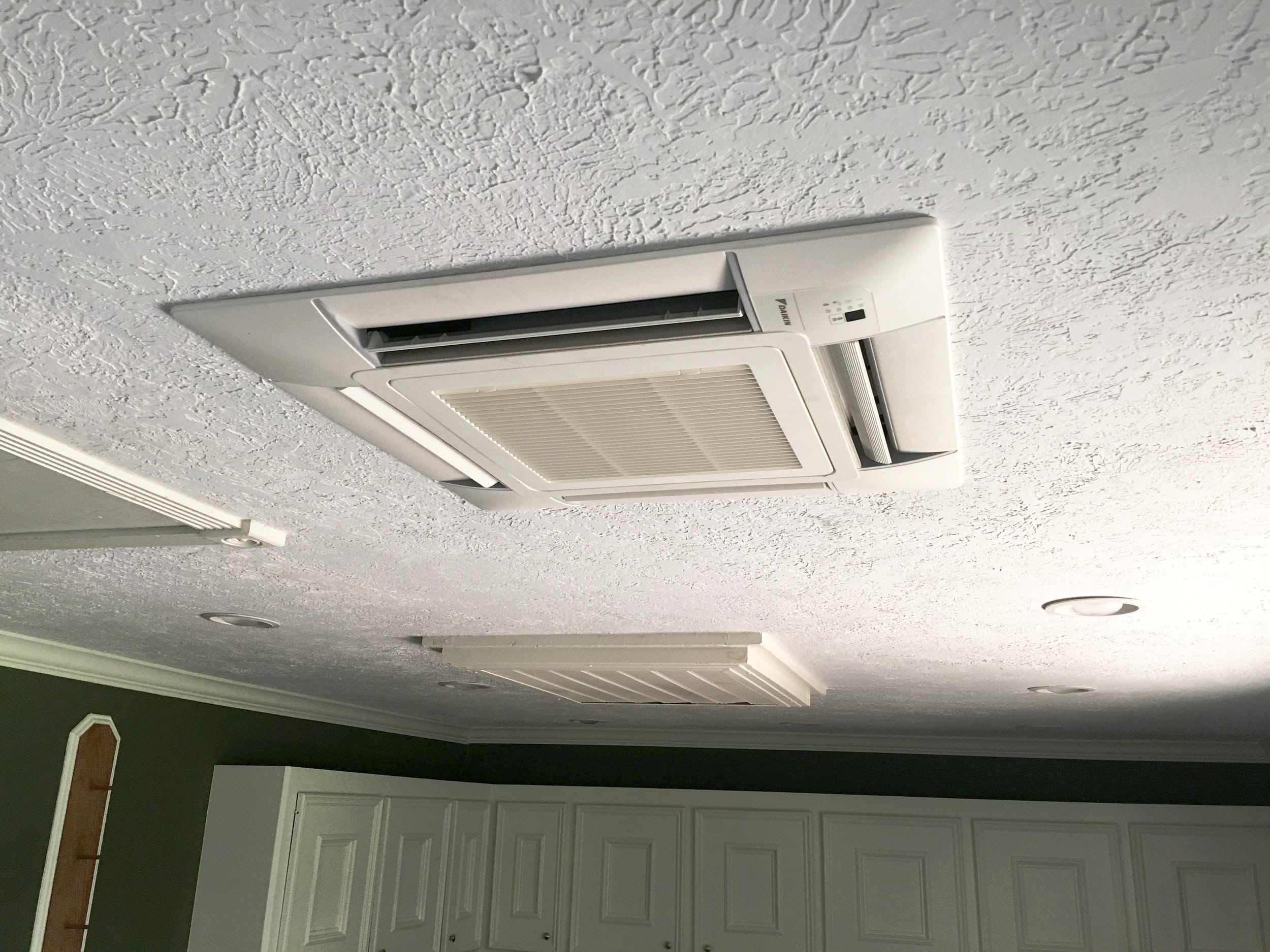
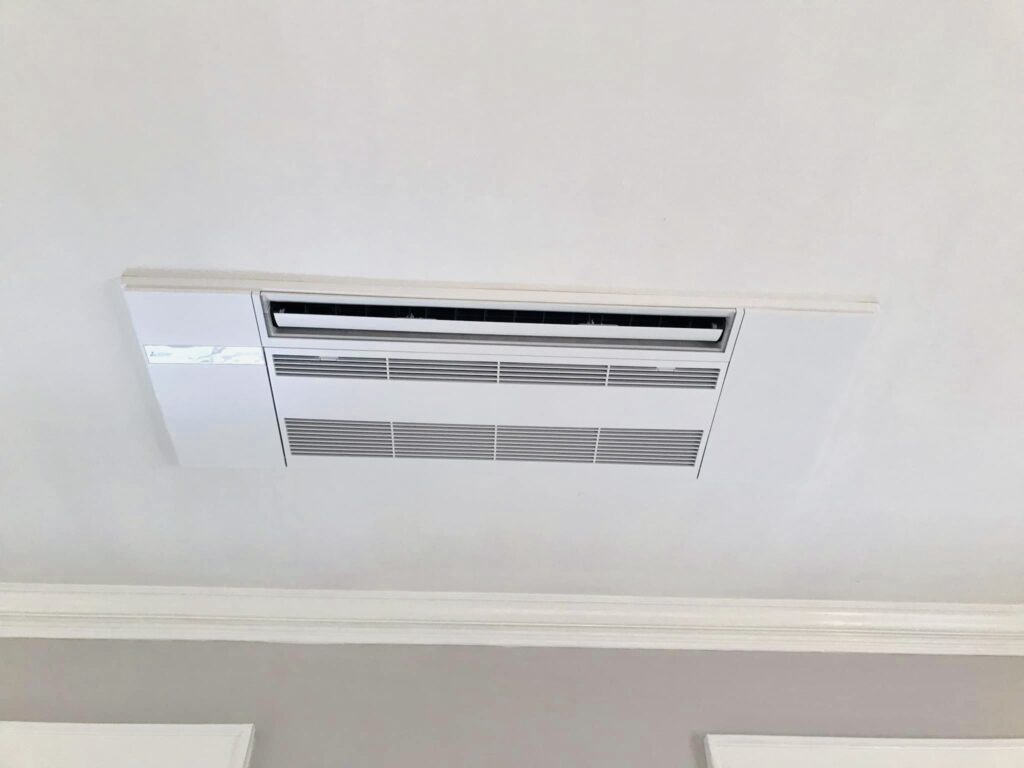
- Aesthetics: The flush-mounted design is visually appealing and integrates seamlessly into the ceiling, making them less obtrusive than wall-mounted units.
- Uniform Air Distribution: Many models feature 360-degree airflow, providing even temperature distribution throughout the room and minimizing hot or cold spots.
- Space Saving: By being recessed in the ceiling, they free up wall and floor space.
- Zoned Heating and Cooling: Allows for independent temperature control in different zones, improving energy efficiency and comfort. This is particularly useful in homes or buildings with varying occupancy patterns.
- Quiet Operation: Modern ceiling cassette units are designed for quiet operation, both indoors and outdoors.
Example: Consider a large open-plan office. A ceiling cassette system can provide consistent temperature throughout the space, eliminating drafts and cold spots that might occur with a single, larger unit.
Disadvantages of Ceiling Cassette Mini-Splits
While ceiling cassette mini-splits offer numerous advantages, there are also potential drawbacks to consider:
- Installation Complexity: Installation can be more complex than wall-mounted units, often requiring professional installation and potentially modifications to the ceiling structure.
- Cost: Typically more expensive than wall-mounted mini-splits, both in terms of equipment and installation costs.
- Ceiling Height Requirements: They require sufficient ceiling height to accommodate the unit and maintain adequate headroom.
- Maintenance Access: Accessing the unit for maintenance and repairs can be more challenging compared to wall-mounted units.
- Potential for Leaks: Condensate leaks can damage ceilings if the drain line is not properly installed or maintained.
Example: In a home with low ceilings, installing a ceiling cassette mini-split might not be feasible due to headroom constraints.
Installation Considerations
Proper installation is crucial for the performance and longevity of a ceiling cassette mini-split system. Consider these factors:
- Professional Installation: Due to the complexity of the installation process, it's highly recommended to hire a qualified and licensed HVAC technician.
- Location: Choose a location that provides optimal airflow and is easily accessible for maintenance. Avoid locations near heat sources or obstructions.
- Ceiling Structure: Ensure the ceiling structure can support the weight of the unit. Reinforcements may be necessary.
- Refrigerant Line Routing: Properly route and insulate refrigerant lines to minimize heat loss or gain. Follow manufacturer's guidelines for line lengths and bends.
- Condensate Drain Line: Install a properly sloped and trapped condensate drain line to prevent water backup and ensure proper drainage.
- Electrical Connections: Ensure proper electrical connections are made according to local codes and manufacturer's specifications.
- System Commissioning: After installation, the technician should commission the system to ensure it's operating correctly and efficiently. This includes checking refrigerant levels, airflow, and control system functionality.
Tip for Technicians: Always use a vacuum pump to evacuate the refrigerant lines before releasing refrigerant. This removes moisture and non-condensables, improving system performance and preventing premature failure.
Maintenance and Troubleshooting
Regular maintenance is essential to keep your ceiling cassette mini-split system running efficiently and reliably. Here are some maintenance tips:
- Air Filter Cleaning: Clean or replace air filters every 1-3 months, depending on air quality. Dirty filters restrict airflow, reducing efficiency and potentially damaging the unit.
- Coil Cleaning: Periodically clean the evaporator coil with a soft brush or vacuum cleaner. A professional coil cleaning may be necessary every few years.
- Condensate Drain Inspection: Check the condensate drain line for clogs and ensure proper drainage. Pouring a cup of diluted bleach down the drain line can help prevent algae growth.
- Outdoor Unit Cleaning: Keep the outdoor unit free of debris, such as leaves, grass clippings, and snow.
- Professional Inspection: Schedule an annual inspection by a qualified HVAC technician to check refrigerant levels, electrical connections, and overall system performance.
Common Troubleshooting Issues
- Unit Not Cooling or Heating: Check the thermostat settings, air filters, and refrigerant levels.
- Water Leaks: Inspect the condensate drain line for clogs or damage.
- Unusual Noises: Investigate the source of the noise and consult a technician if necessary.
- Error Codes: Consult the manufacturer's manual for troubleshooting information related to specific error codes.
Pro Tip: Keep a log of maintenance performed and any issues encountered. This can help technicians diagnose problems more quickly and efficiently.
Cost, Efficiency, and Lifespan
The cost of a ceiling cassette mini-split system varies depending on the size, features, and brand. Typically, the equipment cost ranges from $800 to $3000 per indoor unit, with installation costs ranging from $500 to $1500 per unit. Factors influencing installation costs include the complexity of the job, distance between indoor and outdoor units, and electrical work required.
Efficiency Ratings: Mini-split systems are rated using Seasonal Energy Efficiency Ratio (SEER) for cooling and Heating Season Performance Factor (HSPF) for heating. Look for models with high SEER and HSPF ratings to maximize energy savings. Energy Star certified models offer even greater efficiency.
Lifespan: A well-maintained ceiling cassette mini-split system can last 15-20 years. Regular maintenance, proper installation, and using the system within its design parameters can extend its lifespan.
Comparison: Compared to central AC systems, mini-splits often have higher SEER ratings, leading to lower energy bills. While the initial cost might be higher, the long-term savings can offset the difference.
Conclusion
Ceiling cassette mini-split systems offer a compelling combination of aesthetics, efficiency, and comfort. While they may require a higher initial investment and more complex installation, the benefits of zoned heating and cooling, quiet operation, and space-saving design make them a valuable option for homeowners, facility managers, and anyone seeking a discreet and efficient HVAC solution. By understanding the components, advantages, disadvantages, and maintenance requirements, you can make an informed decision about whether a ceiling cassette mini-split system is right for your needs. Always consult with a qualified HVAC professional to determine the best system for your specific application.