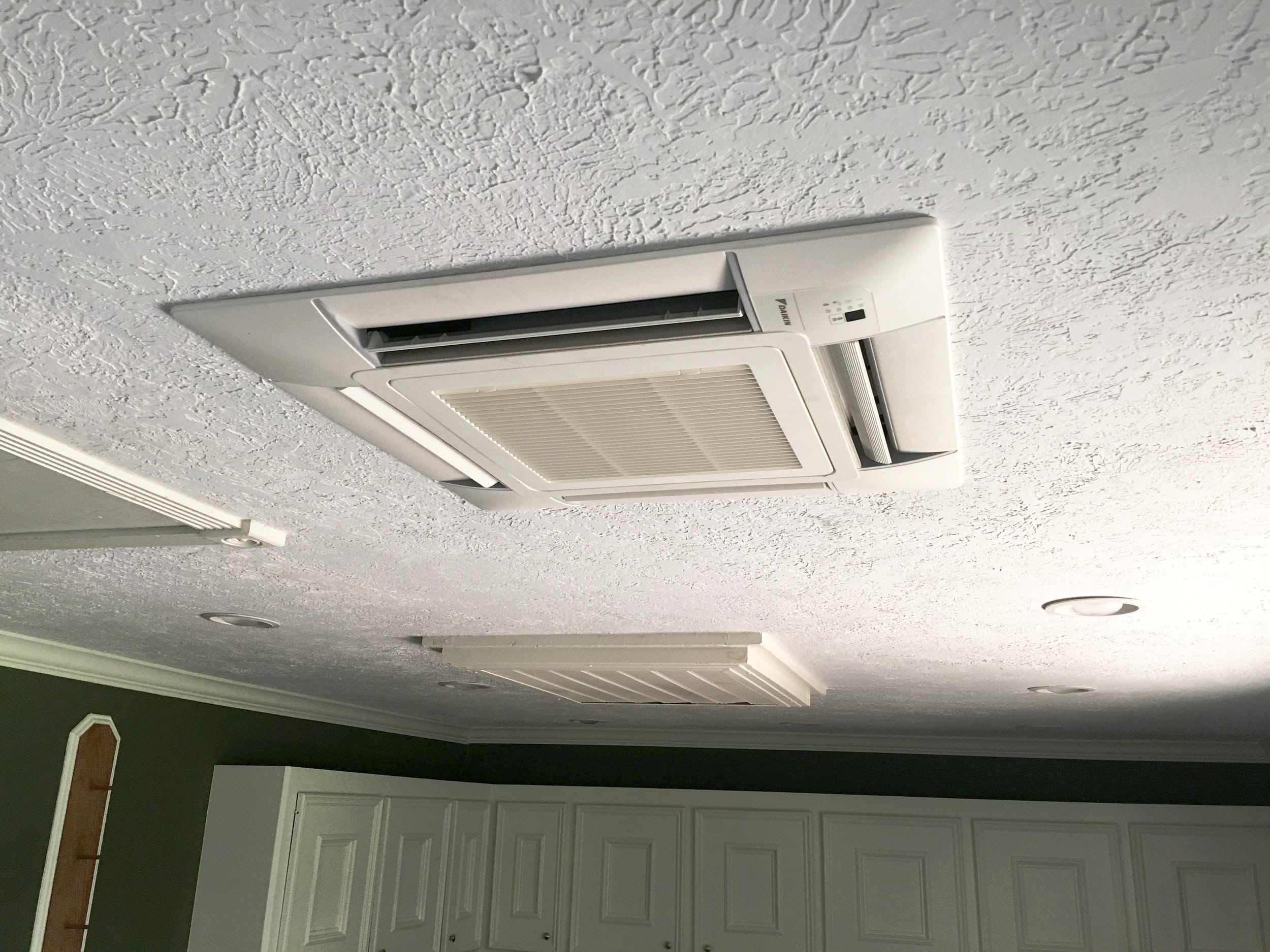
Mini Split Air Conditioner Ceiling Mount
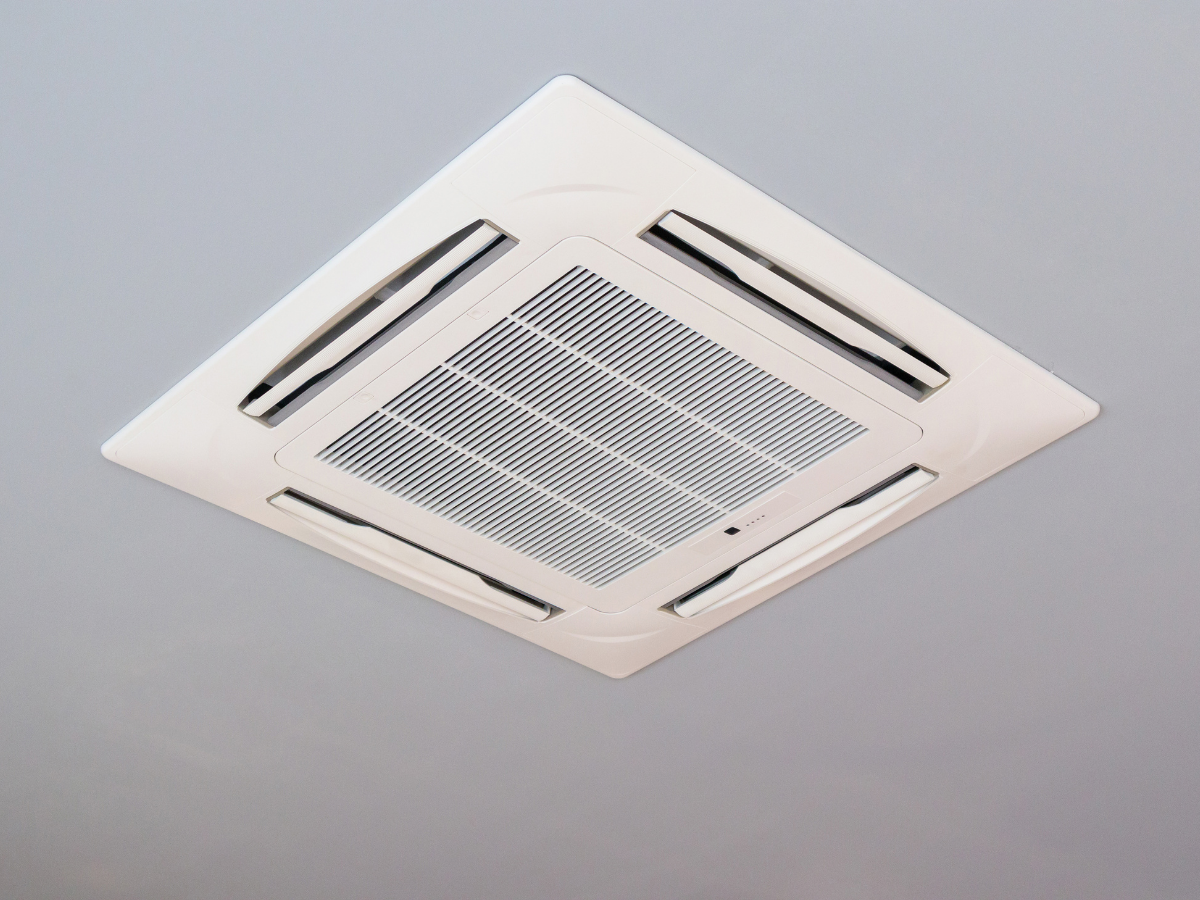
Frequently Asked Questions: Mini Split Air Conditioner Ceiling Mount
Ceiling-mounted mini split air conditioners offer a unique and efficient way to cool and heat your space. Here are some of the most frequently asked questions about them to help you decide if they're the right choice for you.
Q1: What are the advantages of a ceiling-mounted mini split compared to wall-mounted or floor-mounted units?
Ceiling-mounted mini splits offer several key benefits:
- Improved Airflow: Mounted high, they provide better air circulation throughout the room, distributing conditioned air more evenly. This avoids hot or cold spots commonly found with other types of units.
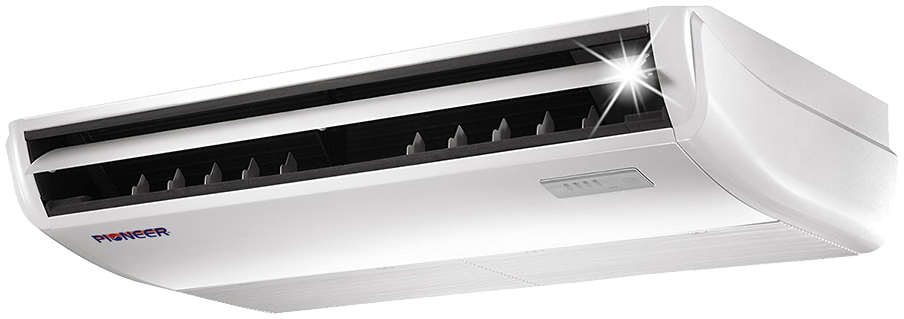
- Space Saving: By being mounted on the ceiling, they free up valuable wall and floor space. This is especially beneficial in smaller rooms or areas with limited wall space.
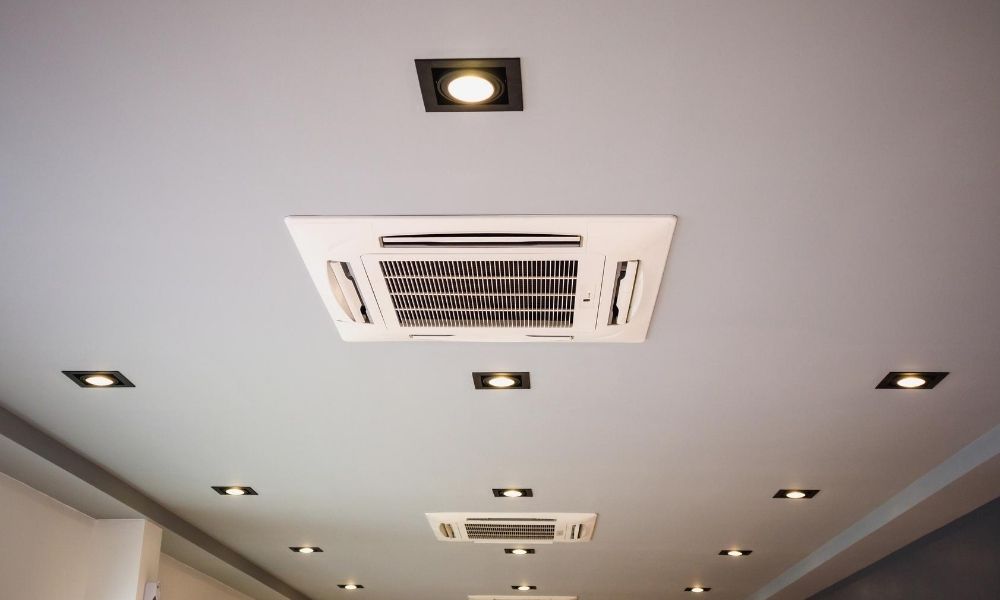
- Aesthetics: Some people find ceiling cassettes to be more aesthetically pleasing than other types of mini splits, as they can be less obtrusive. They can blend in more seamlessly with the ceiling design.
- Reduced Dust Intake: Being higher up, they're less likely to suck in dust and debris from the floor, contributing to cleaner air and less frequent filter cleaning.
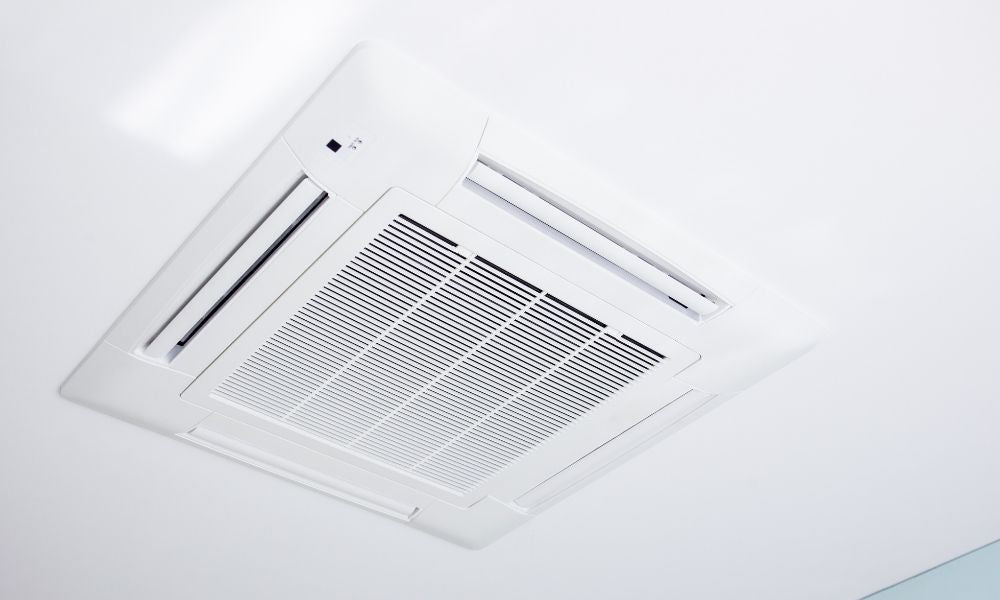
- Wider Air Distribution: Ceiling cassettes often feature multi-directional airflow, allowing you to direct the air where it's needed most. Some units have 360-degree airflow.
Q2: Are ceiling-mounted mini splits more difficult to install than other types?
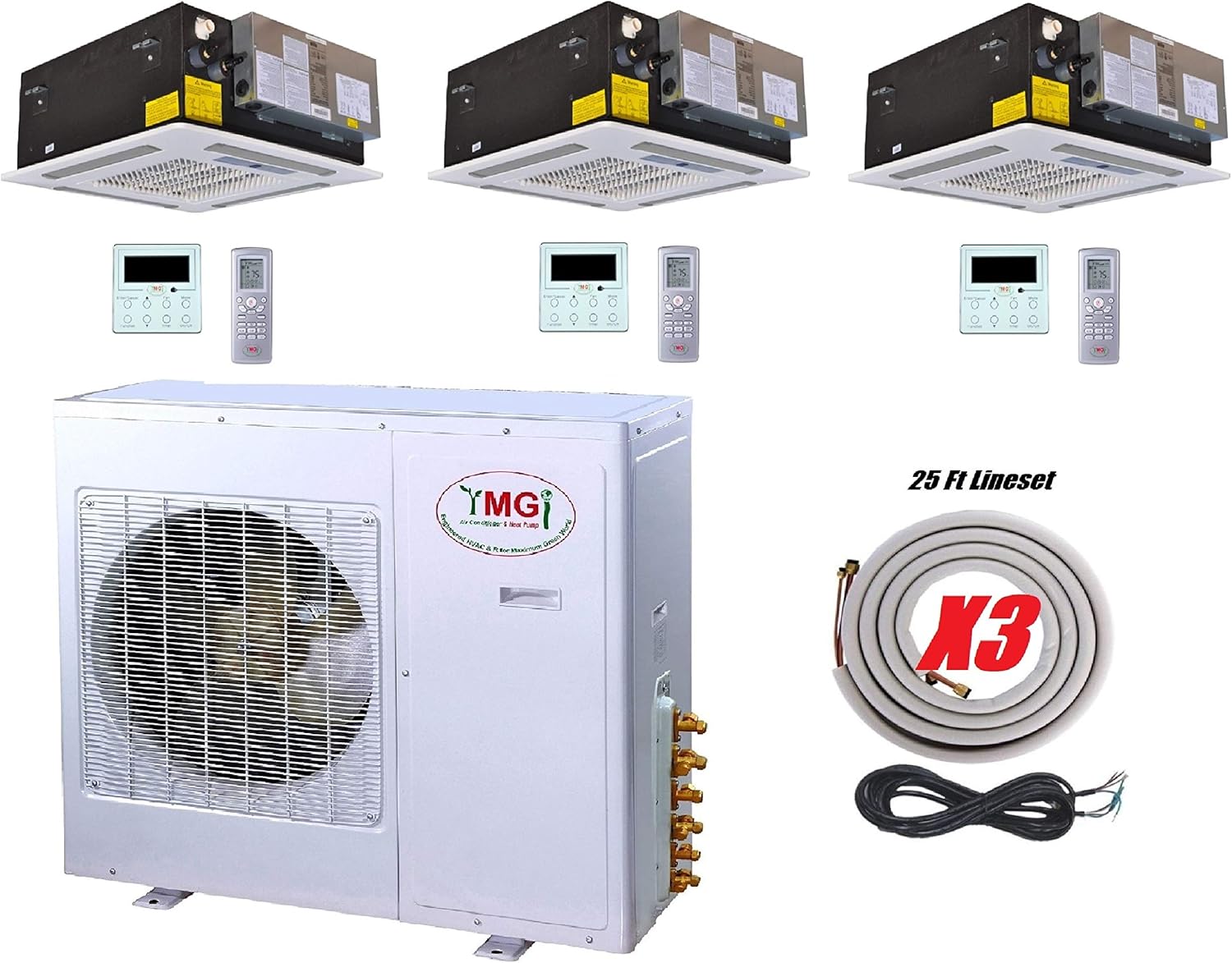
Generally, ceiling-mounted mini splits require professional installation, perhaps even more so than wall-mounted units. The process involves:
- Structural Considerations: Ensuring the ceiling can safely support the weight of the unit. This might involve reinforcing the ceiling joists.
- Running Refrigerant Lines: Connecting the indoor unit to the outdoor compressor, which requires drilling holes and running refrigerant lines through walls or ceilings. This needs to be done correctly to prevent leaks.
- Electrical Wiring: Connecting the unit to a dedicated electrical circuit. This requires knowledge of electrical codes and best practices.
- Condensate Drain: Properly installing a drain line to remove condensation from the unit. Improper drainage can lead to water damage.
- Access: Easier accessibility to perform the work, since the installer will be using a ladder or potentially scaffolding.
Professional installation is crucial to ensure proper functionality, safety, and longevity of the system. While a DIY approach might seem tempting, the complexities involved often make it a task best left to experienced HVAC technicians.
Q3: What is the maintenance like for a ceiling-mounted mini split? Are they hard to clean?
Maintenance for ceiling-mounted mini splits is similar to other types, but accessing the unit for cleaning can sometimes be slightly more challenging. Key maintenance tasks include:
- Filter Cleaning: Regularly cleaning or replacing the air filters (typically every 1-3 months) is essential for maintaining optimal performance and air quality. Most ceiling cassettes have removable filters that are easy to access.
- Coil Cleaning: Periodically cleaning the indoor and outdoor coils to remove dust and debris. This can be done with a soft brush or vacuum cleaner. Professional coil cleaning is recommended annually.
- Condensate Drain Cleaning: Ensuring the condensate drain line is clear of obstructions to prevent water backup. You can flush the drain line with a solution of bleach and water or use a wet/dry vacuum.
- Inspecting Refrigerant Lines: Checking for any leaks or damage to the refrigerant lines. If you suspect a leak, contact a professional immediately.
- Professional Inspection: Schedule annual professional inspections and maintenance to ensure the system is running efficiently and to identify any potential problems early on.
While cleaning the filters is usually straightforward, you might need a step ladder to reach the unit comfortably. Consider the height of your ceilings when evaluating accessibility.
Q4: Are ceiling-mounted mini splits noisy?
Most modern mini split systems, including ceiling-mounted units, are designed for quiet operation. However, noise levels can vary depending on the model and the fan speed setting.
- Sound Ratings: Look for units with low decibel (dB) ratings. Many models operate at or below 30 dB, which is quieter than a whisper.
- Fan Speed: Lower fan speeds generally produce less noise. Choose a unit with multiple fan speed settings to customize the noise level to your preference.
- Installation Quality: Proper installation is crucial for minimizing noise. If the unit is not mounted securely or if the refrigerant lines are not properly insulated, it can vibrate and create noise.
- Features: Some units have a "sleep mode" or "quiet mode" that further reduces noise levels during nighttime operation.
Generally, ceiling-mounted units are no noisier than other types of mini splits. In some cases, they might even be quieter because they are further away from occupants.
Q5: Can I use a ceiling-mounted mini split for both heating and cooling?
Yes, most ceiling-mounted mini split systems are heat pumps, meaning they can provide both heating and cooling. They work by transferring heat between the indoor and outdoor environments.
- Heat Pump Technology: In cooling mode, the system removes heat from the indoor air and releases it outdoors. In heating mode, the process is reversed.
- Energy Efficiency: Heat pumps are generally more energy-efficient than traditional electric resistance heaters, especially in moderate climates.
- Climate Considerations: Heat pumps are most effective in climates with mild winters. In extremely cold climates, they may require a supplemental heating source.
- Temperature Range: Check the operating temperature range of the unit to ensure it is suitable for your climate.
Using a ceiling-mounted mini split for both heating and cooling can provide year-round comfort and potentially lower your energy bills compared to using separate heating and cooling systems.
Q6: What about the aesthetics? Do they look out of place on the ceiling?
Aesthetics are subjective, but ceiling-mounted mini splits are often designed to be relatively unobtrusive. Here are some points to consider:
- Design Options: Ceiling cassettes come in various designs, some of which are designed to blend seamlessly with the ceiling.
- Flush Mounting: Some models are designed for flush mounting, meaning they sit almost flush with the ceiling surface for a cleaner look.
- Grille Design: The grille design can also affect the overall appearance. Some grilles are more discreet than others.
- Color Options: Most units are white or off-white, but some manufacturers may offer other color options to match your ceiling.
- Placement: Strategic placement of the unit can minimize its visual impact. Consider placing it in a corner or along an edge of the ceiling.
- Integration: Some homeowners will even integrate the unit within a dropped ceiling to even further conceal the unit.
Ultimately, the aesthetics of a ceiling-mounted mini split depend on your personal preferences and the overall design of your space. Consider looking at images of installed units to get a better sense of how they might look in your home or office.
Q7: How do I choose the right size ceiling-mounted mini split for my room?
Choosing the right size mini split is critical for ensuring optimal performance and energy efficiency. An undersized unit will struggle to cool or heat the space effectively, while an oversized unit may cycle on and off too frequently, leading to inefficient operation and discomfort.
Here's how to determine the appropriate size:
- Square Footage: As a general rule, start by calculating the square footage of the room you want to cool or heat.
- BTU Calculation: Use a BTU (British Thermal Unit) calculator or consult with an HVAC professional to determine the appropriate BTU rating for your space. BTU is a measure of the amount of heat the unit can remove from the room per hour.
- Factors to Consider: Several factors can affect the required BTU rating, including:
- Climate: Warmer climates require higher BTU ratings.
- Insulation: Poorly insulated rooms require higher BTU ratings.
- Window Size and Orientation: Rooms with large windows or windows facing south or west require higher BTU ratings.
- Ceiling Height: Higher ceilings require higher BTU ratings.
- Occupancy: Rooms with more occupants require higher BTU ratings.
- Heat-Generating Appliances: Rooms with heat-generating appliances (e.g., computers, stoves) require higher BTU ratings.
- Professional Consultation: It's always best to consult with a qualified HVAC professional to get a personalized recommendation based on your specific needs and circumstances. They can perform a load calculation to accurately determine the required BTU rating.
Don't rely solely on square footage. Taking into account all the relevant factors will ensure you choose the right size unit for your space.