Mini Split Air Conditioning Unit With Heater
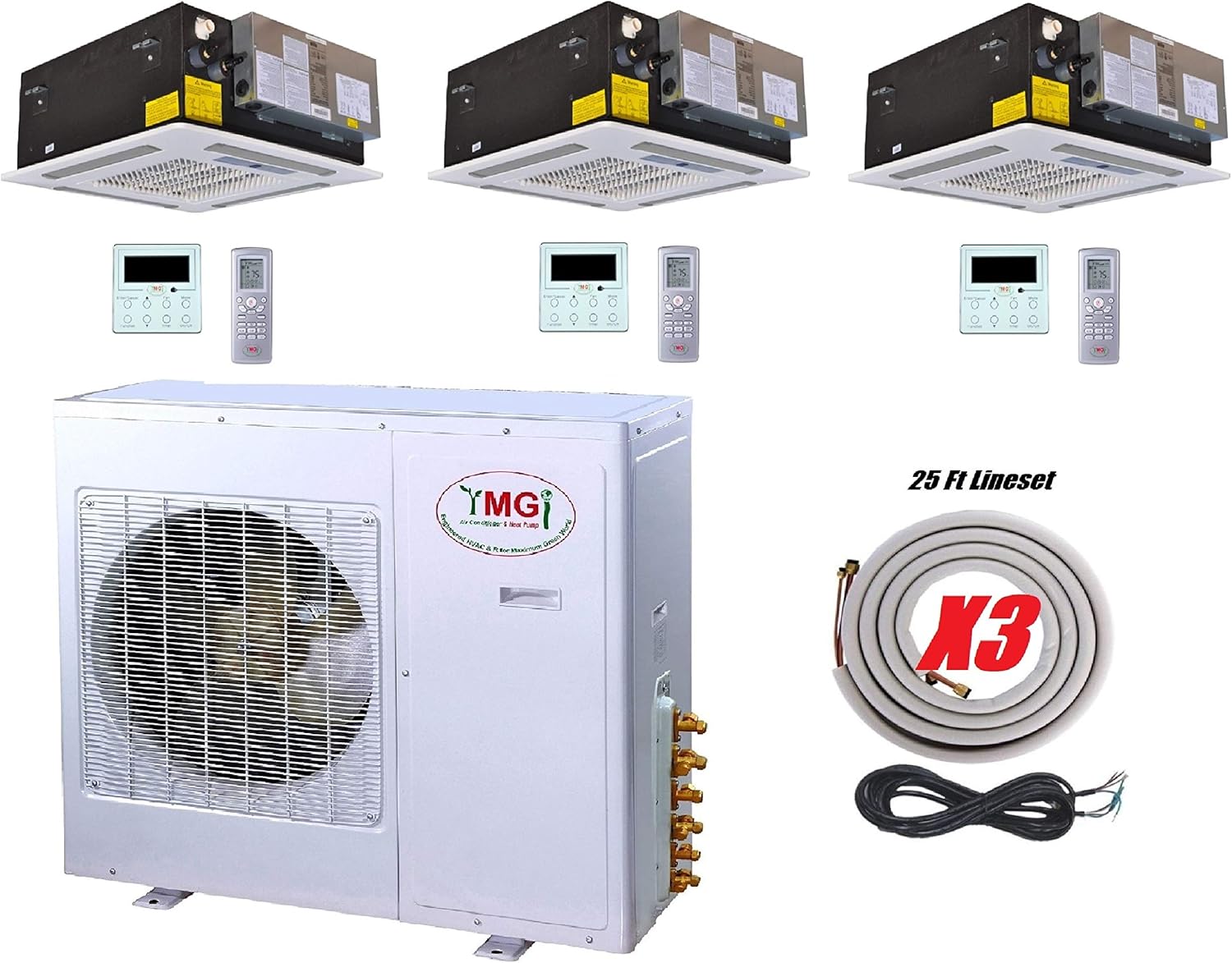
Mini-split air conditioning units with heaters, also known as ductless mini-splits, are becoming increasingly popular for their efficiency, flexibility, and ease of installation. Unlike traditional central AC systems that rely on a network of ducts, mini-splits offer a zoned approach to climate control, allowing you to heat or cool individual rooms or areas within your home. This guide will provide a comprehensive overview of mini-split systems, covering their components, operation, benefits, installation, maintenance, and key considerations when choosing a system.
What is a Mini-Split System?
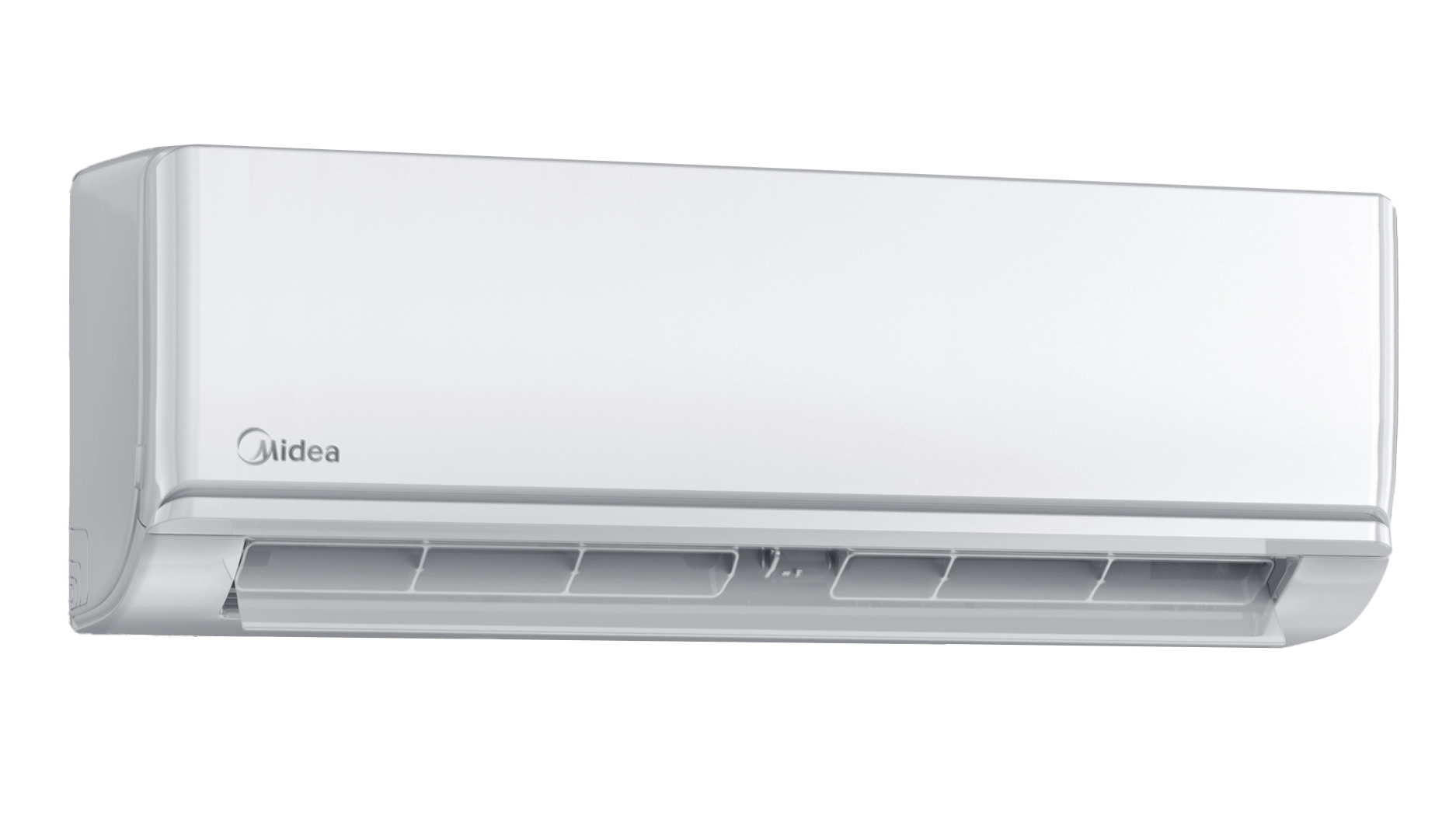
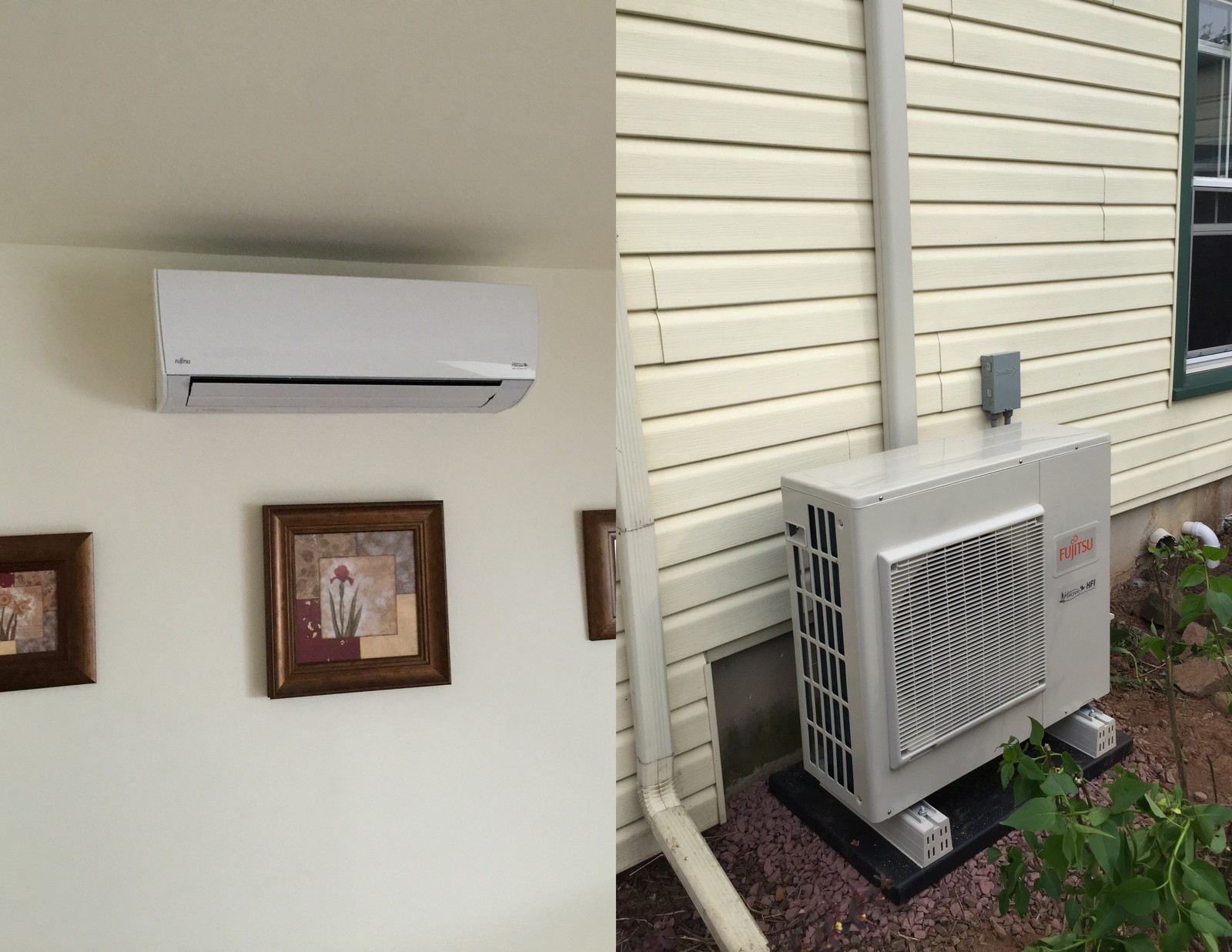
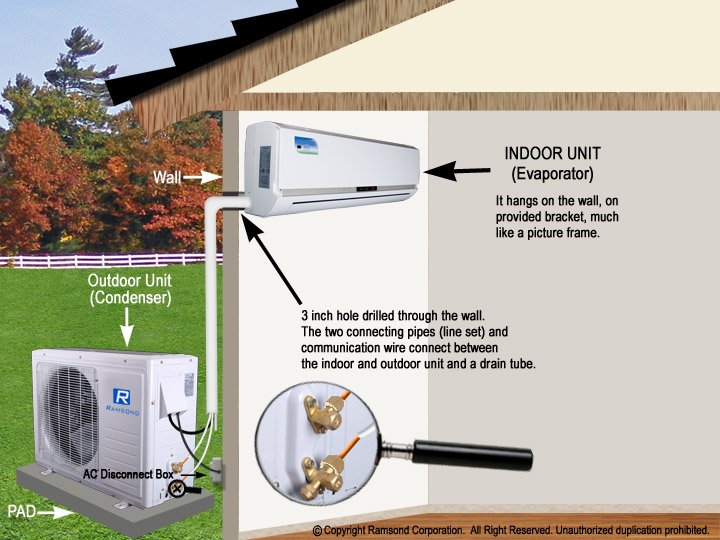
A mini-split system consists of two main components: an outdoor unit (containing the compressor, condenser, and expansion valve) and one or more indoor units (air handlers). These units are connected by a conduit containing refrigerant lines, power cables, and a drain line for condensate removal. This conduit is typically small, requiring only a small hole through the wall for installation.
Components of a Mini-Split System
- Outdoor Unit: This unit is responsible for rejecting heat during cooling and absorbing heat during heating. It houses the compressor, which circulates the refrigerant, and the condenser, which dissipates heat.
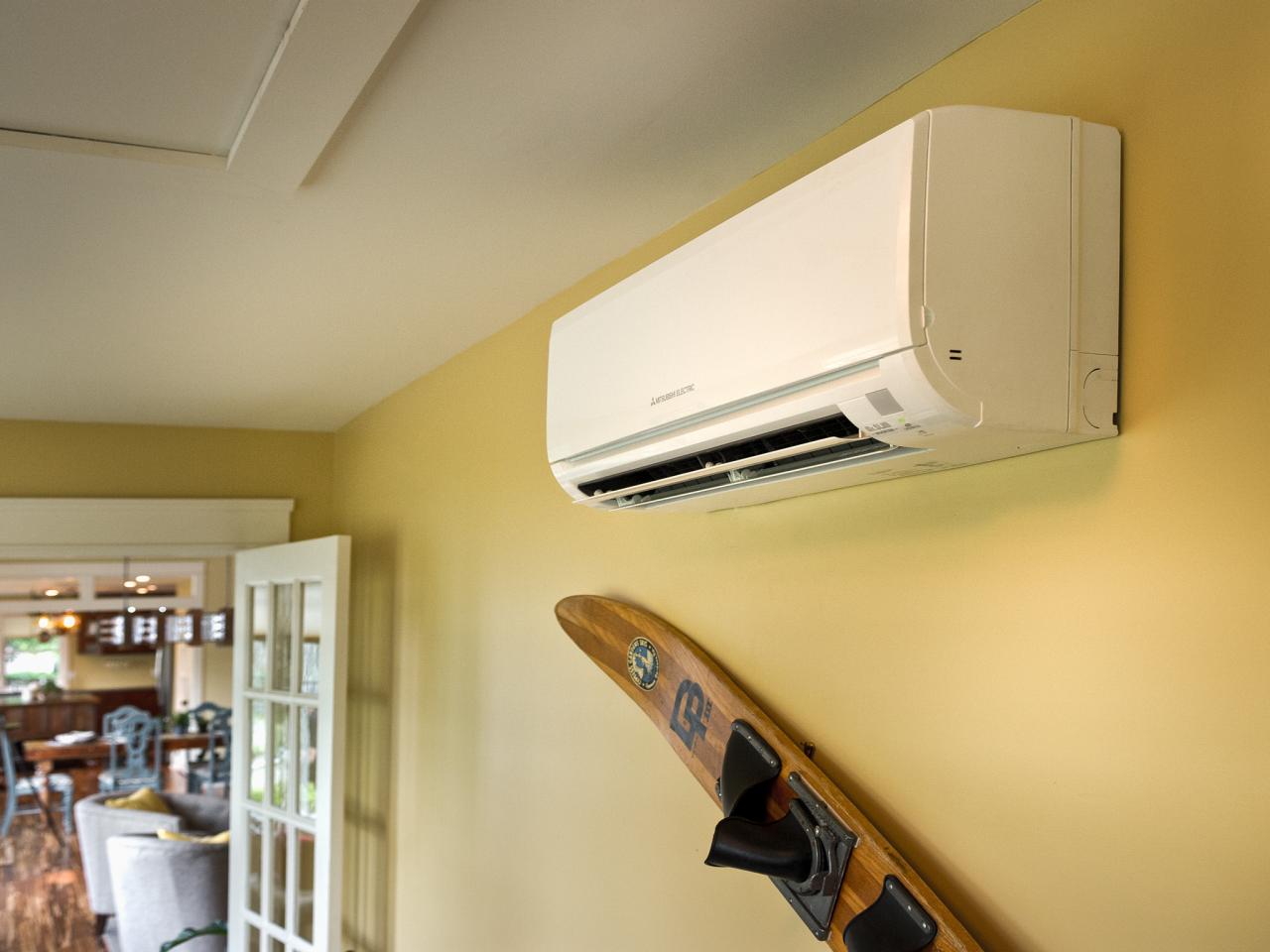
- Indoor Unit(s): These units distribute the conditioned air into the room. They contain a fan and cooling/heating coil. Indoor units come in various styles, including wall-mounted, ceiling-cassette, and floor-standing models.
- Refrigerant Lines: These insulated copper lines carry the refrigerant between the indoor and outdoor units. Think of refrigerant as the "blood" of your AC system, carrying heat from inside to outside (in cooling mode) or vice versa (in heating mode).
- Power Cable: Provides electrical power to both the indoor and outdoor units.
- Drain Line: Removes condensation produced during the cooling process.
- Control System: Mini-splits typically come with a remote control for each indoor unit, allowing for individual temperature settings and fan speed adjustments. Many modern systems also offer smartphone app control and integration with smart home systems.
How Mini-Splits Work
Mini-split systems operate on the principle of heat transfer using refrigerant. In cooling mode, the refrigerant absorbs heat from the indoor air as it passes through the indoor unit's coil. The refrigerant, now heated, is pumped to the outdoor unit, where the heat is released into the outside air. The cooled refrigerant then returns to the indoor unit to repeat the cycle.
In heating mode, the process is reversed. The refrigerant absorbs heat from the outdoor air (even in cold temperatures, there is still some heat available) and transfers it to the indoor unit, where it is released into the room. This is achieved through a reverse cycle operation.
A key component in the heating and cooling process is the compressor. The compressor increases the pressure and temperature of the refrigerant, enabling it to efficiently transfer heat. Inverter technology, commonly found in modern mini-split systems, allows the compressor to operate at variable speeds, adjusting the cooling or heating output to match the room's needs. This results in significant energy savings and more consistent temperature control compared to traditional on/off compressors.
Benefits of Mini-Split Systems
Mini-split systems offer several advantages over traditional central AC systems:
- Energy Efficiency: Mini-splits are generally more energy-efficient than central AC systems because they don't suffer from duct losses. Ductwork can leak up to 30% of the conditioned air, wasting energy and increasing utility bills. The SEER (Seasonal Energy Efficiency Ratio) and HSPF (Heating Seasonal Performance Factor) ratings are used to measure the efficiency of mini-split systems. Higher numbers indicate greater efficiency.
- Zoned Cooling and Heating: Mini-splits allow you to control the temperature in individual rooms or zones, providing customized comfort and avoiding the need to heat or cool unoccupied areas.
- Easy Installation: Installation is typically less disruptive and less expensive than installing ductwork for a central AC system. Only a small hole is required for the conduit connecting the indoor and outdoor units.
- Quiet Operation: Mini-splits are known for their quiet operation, both indoors and outdoors. The compressor is located in the outdoor unit, minimizing noise inside the home.
- Improved Air Quality: Many mini-split systems come with advanced air filtration systems that remove dust, allergens, and other pollutants from the air, improving indoor air quality.
- Flexibility: Mini-splits can be installed in a variety of locations, including homes without existing ductwork, additions, sunrooms, and individual offices.
Choosing the Right Mini-Split System
Selecting the right mini-split system depends on several factors:
- Size and Layout of the Space: The size of the room or area you want to heat or cool will determine the required BTU (British Thermal Unit) capacity of the indoor unit. A larger space requires a higher BTU rating. Consult with a professional to determine the appropriate BTU size for your needs.
- Climate: The climate in your area will influence the type of mini-split system you need. In colder climates, you'll want a system with a high HSPF rating and the ability to operate efficiently in low ambient temperatures.
- Number of Zones: Determine how many zones you want to control independently. Multi-zone systems can connect multiple indoor units to a single outdoor unit.
- Features: Consider features such as smart home integration, programmable timers, sleep mode, and air filtration systems.
- Budget: Mini-split systems vary in price depending on their size, features, and brand. Establish a budget before you start shopping.
- SEER and HSPF Ratings: Pay close attention to the SEER (cooling efficiency) and HSPF (heating efficiency) ratings. Higher ratings translate to lower energy bills. Look for Energy Star certified models for maximum efficiency.
Installation of a Mini-Split System
While some homeowners with HVAC experience may attempt a DIY installation, it's generally recommended to hire a qualified HVAC professional to install a mini-split system. Proper installation is crucial for ensuring optimal performance, efficiency, and longevity of the system.
The installation process typically involves:
- Mounting the Outdoor Unit: The outdoor unit should be placed on a level surface, away from obstructions, and with adequate clearance for airflow.
- Mounting the Indoor Unit(s): Indoor units are typically mounted on a wall, but ceiling-cassette and floor-standing models are also available. The location should allow for optimal air distribution.
- Connecting the Refrigerant Lines: The refrigerant lines must be properly insulated and connected to both the indoor and outdoor units.
- Running the Drain Line: The drain line must be properly sloped to allow for condensate drainage.
- Electrical Connections: Electrical connections must be made according to local codes and regulations.
- Vacuuming the Refrigerant Lines: This is a crucial step to remove air and moisture from the refrigerant lines, ensuring proper system operation.
- Charging the System with Refrigerant: The system must be charged with the correct amount of refrigerant.
- Testing the System: The system should be tested to ensure that it is operating properly and efficiently.
Maintenance of a Mini-Split System
Regular maintenance is essential for keeping your mini-split system operating at peak performance and extending its lifespan.
Here are some key maintenance tasks:
- Cleaning the Air Filters: Clean the air filters every month or two to remove dust and debris. Dirty filters can restrict airflow, reducing efficiency and potentially damaging the system. Most filters are washable.
- Cleaning the Indoor Unit: Periodically clean the indoor unit with a soft cloth and mild detergent.
- Cleaning the Outdoor Unit: Remove any debris, such as leaves and branches, from around the outdoor unit.
- Checking the Refrigerant Lines: Inspect the refrigerant lines for leaks or damage.
- Checking the Drain Line: Ensure that the drain line is clear and free of obstructions.
- Professional Maintenance: Schedule a professional maintenance checkup at least once a year. A qualified HVAC technician can inspect the system, clean the coils, check the refrigerant level, and identify any potential problems.
Troubleshooting Common Issues
While mini-split systems are generally reliable, you may encounter some common issues:
- Unit Not Cooling or Heating: This could be due to a dirty air filter, low refrigerant level, or a malfunctioning compressor.
- Unit Making Unusual Noises: This could be due to a loose component, a malfunctioning fan, or a problem with the compressor.
- Unit Leaking Water: This could be due to a clogged drain line.
- Unit Not Turning On: This could be due to a power outage, a tripped circuit breaker, or a faulty remote control.
If you experience any of these issues, consult your owner's manual or contact a qualified HVAC technician for assistance. Attempting to repair the system yourself without proper knowledge and tools can be dangerous and may void the warranty.
Cost Considerations
The cost of a mini-split system can vary depending on several factors, including the size of the system, the number of zones, the features, and the brand. Installation costs will also vary depending on the complexity of the installation and the local labor rates.
While the initial investment in a mini-split system may be higher than a window AC unit, the long-term energy savings and improved comfort can often offset the higher upfront cost. Many utility companies offer rebates and incentives for installing energy-efficient mini-split systems, which can further reduce the overall cost.
When comparing the cost of different mini-split systems, be sure to consider the total cost of ownership, including the initial purchase price, installation costs, energy costs, and maintenance costs.
Conclusion
Mini-split air conditioning units with heaters offer a versatile and efficient solution for heating and cooling individual rooms or zones within your home. Their energy efficiency, zoned control, and ease of installation make them an attractive alternative to traditional central AC systems. By understanding the components, operation, benefits, and maintenance requirements of mini-split systems, you can make an informed decision and enjoy years of comfortable and efficient climate control.