Mini Split Line Set Size Chart
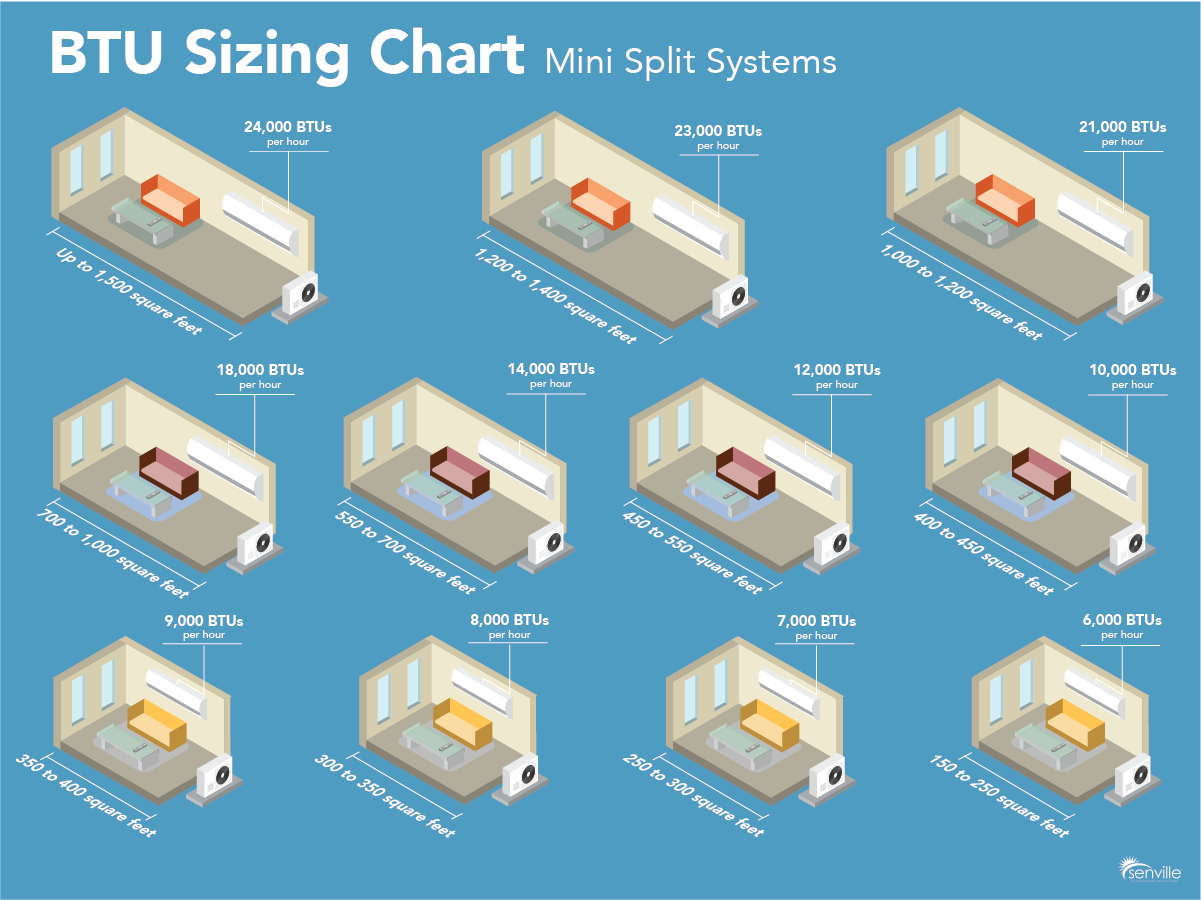
Are you experiencing inconsistent heating or cooling from your mini-split system? Perhaps one room feels like an icebox while another is still stuffy. This frustrating problem can often stem from an incorrectly sized line set. Before you call an expensive technician, let's walk through some simple troubleshooting steps to determine if this is the culprit. We'll explore what you can check yourself, what requires basic tools, and when it's time to call in the pros.
Understanding the Mini-Split Line Set
The line set is the pair of copper pipes that connect the outdoor condenser unit to the indoor air handler of your mini-split system. These pipes carry refrigerant, the lifeblood of your system, which absorbs and releases heat to provide either cooling or heating. Proper sizing of the line set is absolutely critical for optimal performance and efficiency.
Why is line set size so important? If the pipes are too small, the refrigerant will struggle to flow freely, leading to reduced capacity, increased energy consumption, and potential compressor damage. If the pipes are too large, the refrigerant velocity may be too low, affecting oil return to the compressor and also reducing efficiency. In both cases, you'll end up with a system that doesn't perform as expected and may even fail prematurely.
Troubleshooting: Is Your Line Set the Problem?
Let's start by identifying the telltale signs of an improperly sized line set. Look for these symptoms:
- Reduced Heating or Cooling Capacity: The system struggles to reach the set temperature, or takes a very long time to do so.
- Inconsistent Temperatures: Some zones are too hot or too cold, despite being set to the same temperature.
- Increased Energy Bills: The system is running longer and harder to achieve the desired temperature, resulting in higher energy consumption.
- Noisy Operation: The compressor may be working harder than it should, leading to unusual noises.
- Freezing Up: The indoor unit might freeze up, especially in cooling mode.
- System Short Cycling: The unit turns on and off frequently, without maintaining a consistent temperature.
If you're experiencing one or more of these issues, a poorly sized line set could be to blame. Let's move on to the diagnosis.
Step-by-Step Diagnosis: Checking the Line Set
Here's a methodical approach to determine if the line set is the issue. We'll divide this into visual checks, checks requiring basic tools, and situations where you need a professional.
1. Visual Inspection (No Tools Required)
Start with a thorough visual inspection. Safety first! Always turn off the power to the mini-split system at the breaker before inspecting any components.
- Check for Kinks or Damage: Carefully examine the line set along its entire length, from the outdoor unit to the indoor unit. Look for any kinks, dents, or other signs of physical damage. Kinks can restrict refrigerant flow.
- Inspect Insulation: The line set should be properly insulated to prevent heat loss or gain. Check for tears, gaps, or missing insulation. Damaged insulation can significantly reduce system efficiency. Also, verify the insulation looks to be specifically for refrigerant lines (usually a closed-cell foam). Standard pipe insulation may not be adequate.
- Examine Connections: Inspect the connections at both the outdoor and indoor units for any signs of leaks or corrosion. Look for oily residue or discoloration around the fittings.
- Note Line Set Length: Without measuring, try to get a sense of the length of the lineset. Is it a very long run? Extremely long runs can require larger line set sizes or additional refrigerant charge. Also, try to estimate the vertical distance between the indoor and outdoor unit. Large vertical distances also affect sizing.
DIY Action: If you find any minor damage to the insulation, you can try to repair it with HVAC-specific insulation tape. Be sure to wrap the tape tightly and cover the entire damaged area. Any kinks or significant damage to the copper lines themselves require professional repair.
2. Checking the Line Set Size (Basic Tools Required)
This step requires some basic tools and a little more technical knowledge. If you're uncomfortable working with tools or unsure about any of these steps, it's best to call a qualified HVAC technician.
Tools Needed:
- Measuring Tape
- Wrench Set
- Screwdriver Set
- Manufacturer's Specifications (Model number of the unit to look up sizing specs)
Steps:
- Locate the Outdoor Unit's Model Number: Find the model number on the outdoor unit's nameplate. This is crucial for finding the correct line set size specifications.
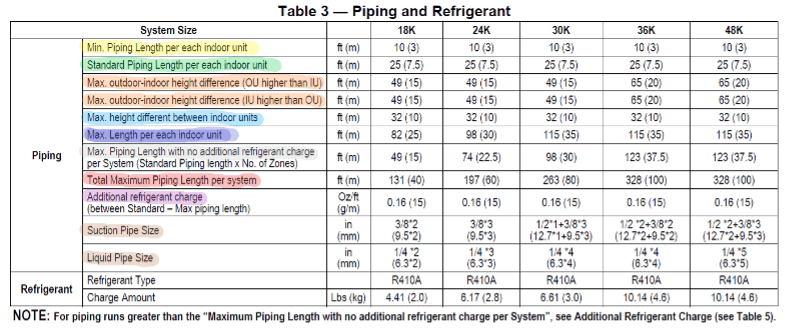
- Consult the Manufacturer's Specifications: Use the model number to find the manufacturer's specifications for your mini-split system. You can usually find this information online on the manufacturer's website or in the installation manual. Look for the section on line set sizing requirements. This will typically specify the recommended line set diameter (in inches) for various distances.
- Measure the Line Set Diameter: Carefully measure the outer diameter of both the liquid line (smaller pipe) and the suction line (larger pipe) using your measuring tape or calipers. It's essential to measure the *outer* diameter of the copper pipes, not the inner diameter. Note that the measurement may be in fractions of an inch.
- Compare Measurements to Specifications: Compare the measured line set diameters to the manufacturer's specifications. Is the existing line set the correct size for your system based on the length of the run? If the line set is too small or too large, it's likely contributing to your heating or cooling problems. * Common sizes are 1/4", 3/8", 1/2", 5/8" and 3/4".
- Check for Correct Pipe Material: Ensure the lineset is using refrigeration grade copper tubing, rated to handle the pressure and chemical composition of the refrigerant being used.
DIY Action: Unfortunately, replacing the line set is *not* a DIY task. This requires specialized tools, knowledge of refrigerant handling, and proper brazing techniques. Attempting to replace the line set yourself could damage the system, void the warranty, and potentially release harmful refrigerant into the environment. This is definitely a job for a qualified HVAC technician.
3. Checking Refrigerant Charge (Professional Required)
While not directly related to line set size, an improper refrigerant charge can mimic the symptoms of an undersized line set. Checking the refrigerant charge requires specialized equipment and knowledge of HVAC systems. This is strictly a task for a qualified HVAC technician.
Why a Professional? Refrigerant is a controlled substance, and handling it requires proper training and certification. Incorrectly charging the system can damage the compressor, reduce efficiency, and release harmful greenhouse gases into the atmosphere. Furthermore, attempting to check or add refrigerant without the proper equipment and knowledge is extremely dangerous.
When to Call a Professional HVAC Technician
Here's a summary of when it's time to call in the professionals:
- You suspect an improperly sized line set based on your measurements and the manufacturer's specifications.
- You find significant damage to the line set, such as kinks, dents, or leaks.
- You suspect a refrigerant leak or an improper refrigerant charge.
- The system is experiencing compressor problems or other major component failures.
- You are uncomfortable working with tools or unsure about any of the troubleshooting steps.
A qualified HVAC technician will have the tools, knowledge, and experience to accurately diagnose the problem, safely repair or replace the line set, and properly charge the system with refrigerant. They can also identify any other underlying issues that may be contributing to the problem.
Preventative Measures
To avoid line set issues in the future, consider these preventative measures:
- Proper Installation: Ensure that your mini-split system is installed by a qualified HVAC technician who understands proper line set sizing and installation techniques.
- Regular Maintenance: Schedule regular maintenance for your mini-split system, including cleaning the coils and checking the refrigerant charge.
- Protect the Line Set: Protect the line set from physical damage by shielding it from impact and ensuring proper insulation.
- Use a Professional for Repairs: Always use a qualified HVAC technician for any repairs or maintenance on your mini-split system.
Conclusion
Troubleshooting mini-split issues can seem daunting, but by following these steps, you can confidently assess whether an improperly sized line set is the cause of your heating or cooling problems. Remember to prioritize safety and know your limits. While some tasks can be handled yourself, others require the expertise of a qualified HVAC technician. By taking a proactive approach and addressing potential problems early, you can ensure that your mini-split system operates efficiently and reliably for years to come.