Minimum Rise And Run For Stairs

Stairs might seem unrelated to HVAC, but think about it: accessing your attic furnace, your basement AC unit, or even just moving equipment around your home often involves navigating stairs. And if those stairs aren't built to code, or are in disrepair, they present a serious safety hazard. This article dives into the crucial topic of minimum rise and run for stairs, ensuring you can safely access and maintain your HVAC system and keep your home safe. While we're focused on stair dimensions here, remember that a safe and comfortable home environment is intricately linked to a well-functioning HVAC system.
Understanding Rise and Run: The Foundation of Safe Stairs
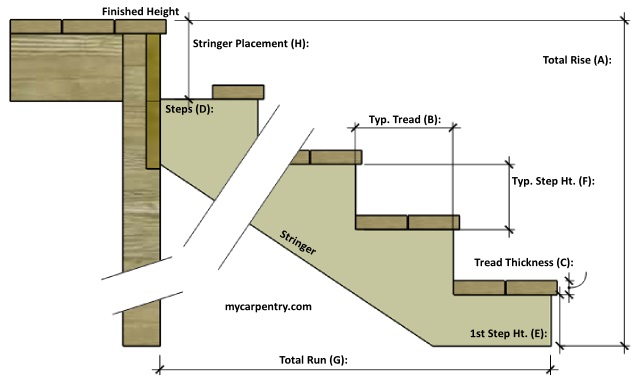
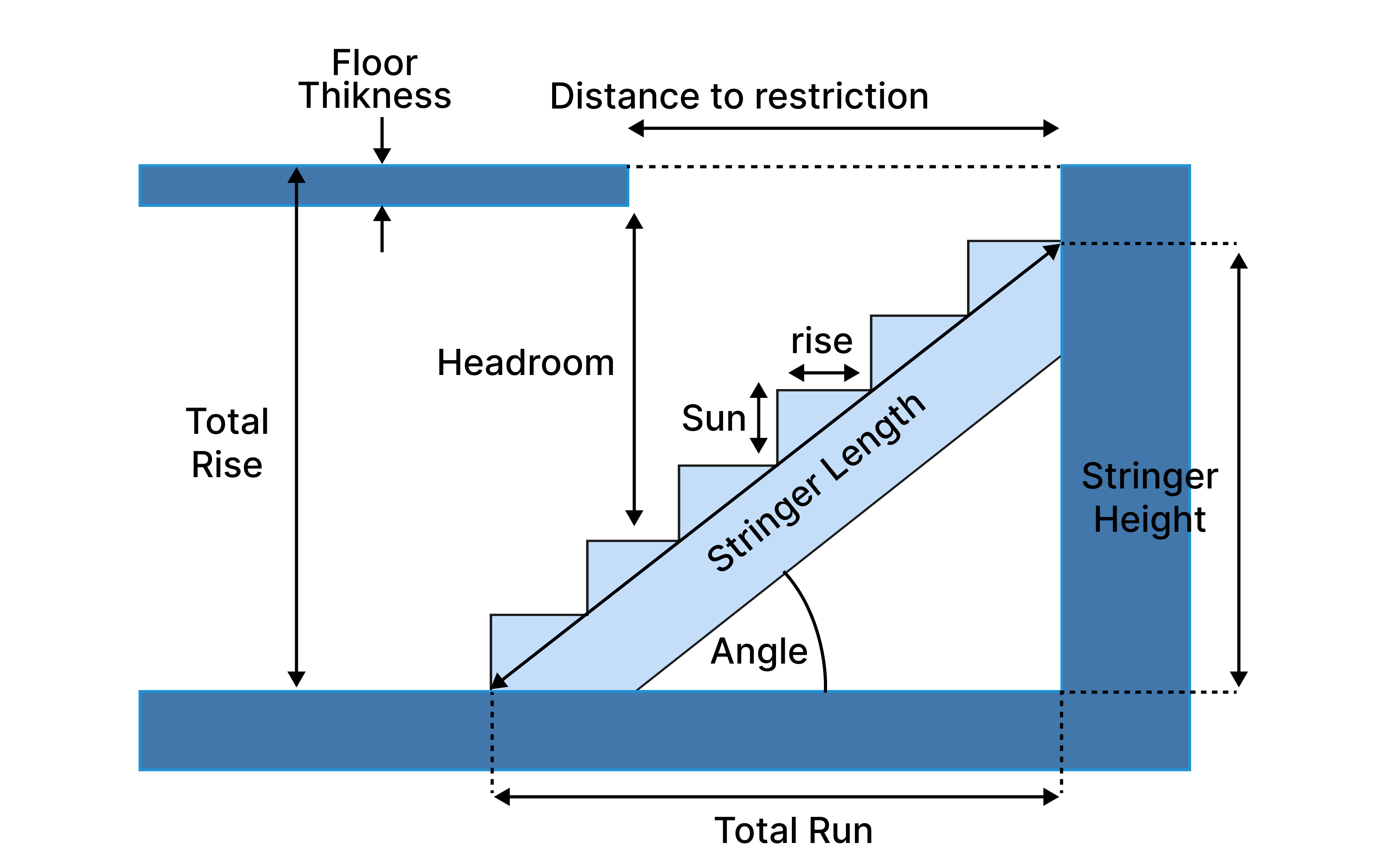
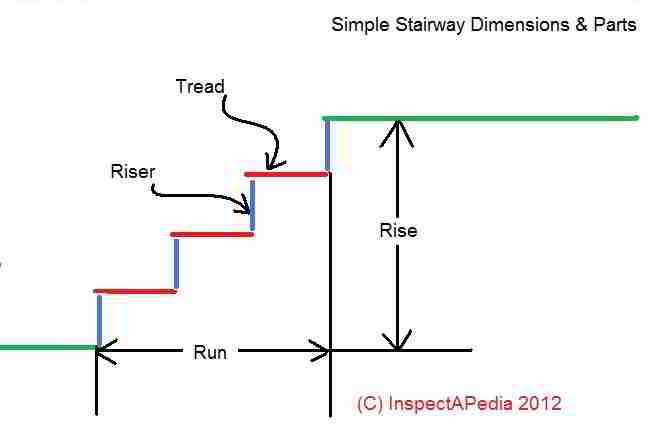
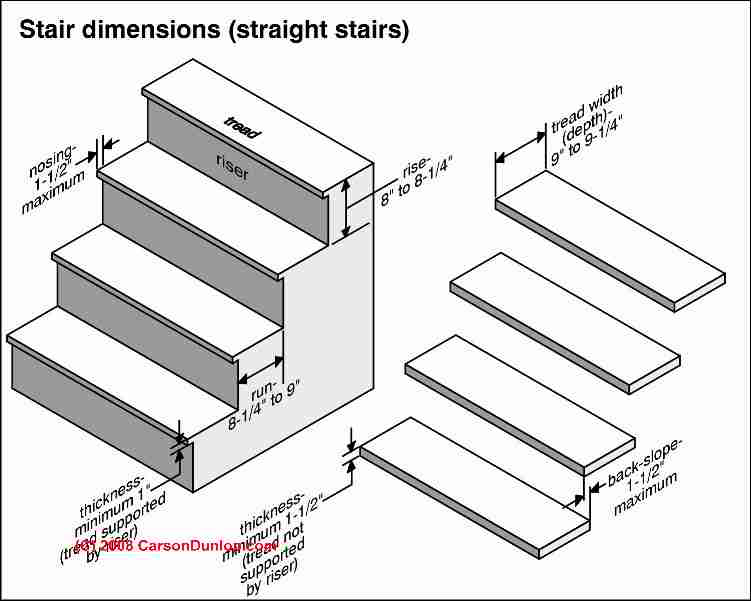
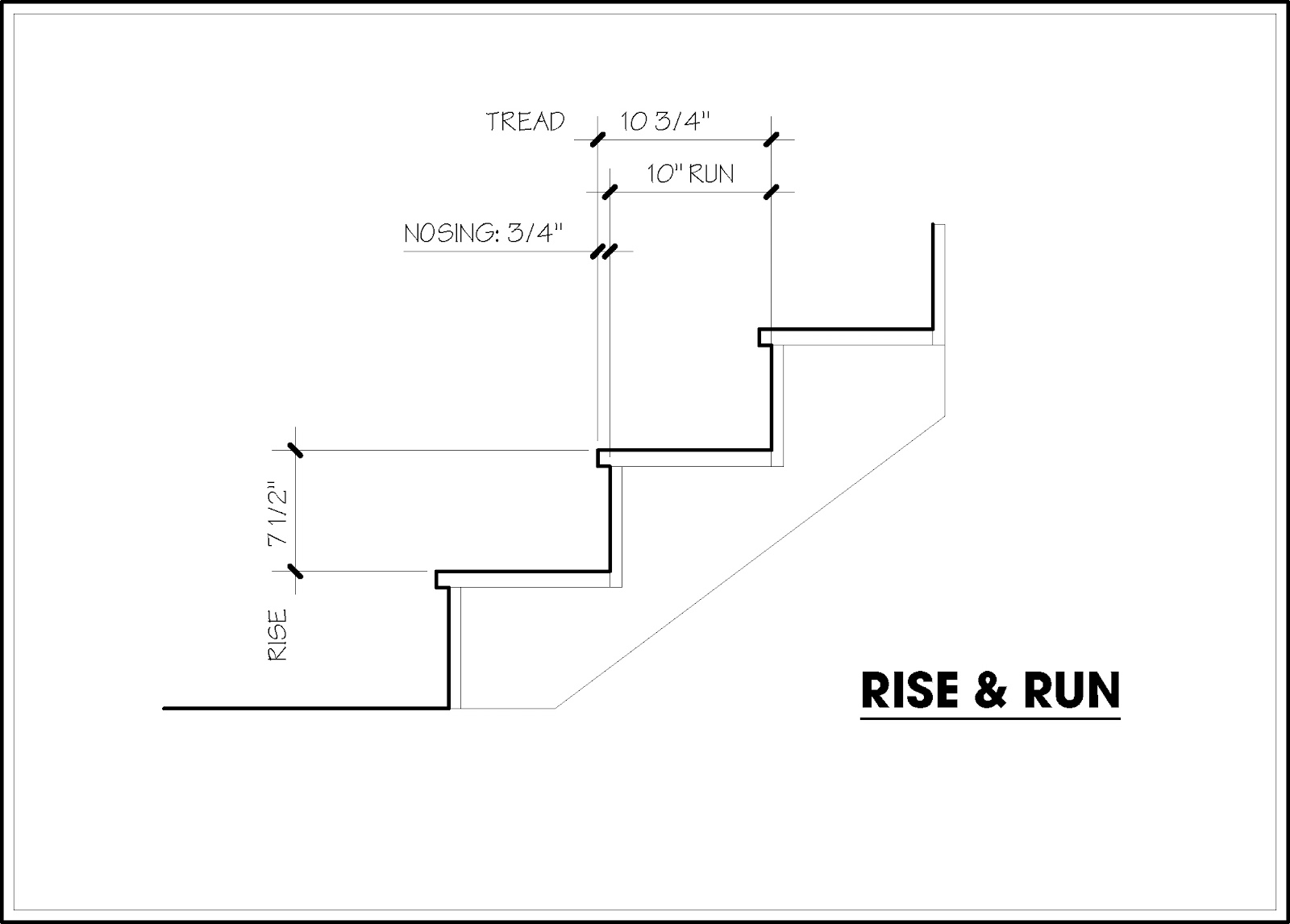
Before we get into specific measurements, let's define our terms. The rise is the vertical distance between each step. Think of it as how high you have to lift your foot to get to the next step. The run, on the other hand, is the horizontal depth of each step. It's how much space you have to put your foot on each tread. Getting these dimensions right is critical for preventing trips and falls.
Why are Proper Rise and Run Important?
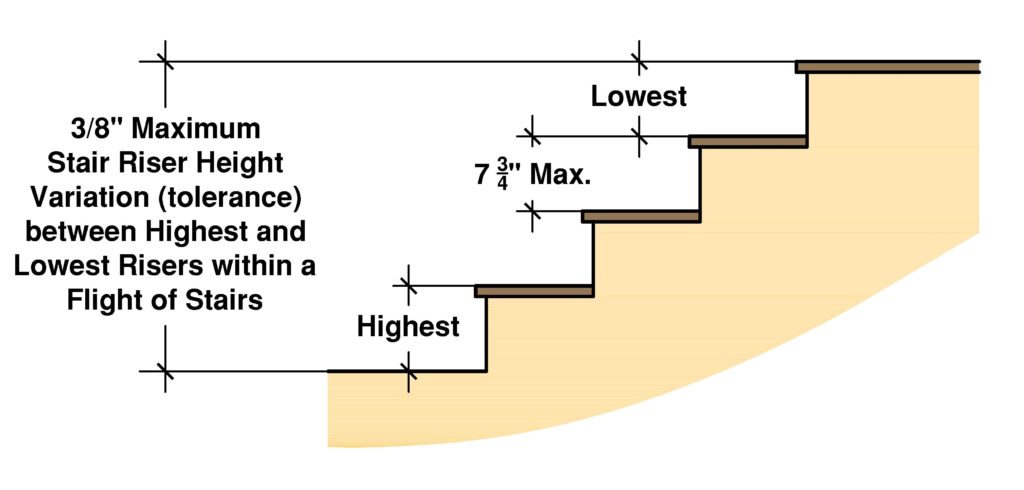
Consistent rise and run dimensions are the bedrock of safe stair design. When these dimensions are inconsistent, your body can't easily predict the movement required for each step, greatly increasing the risk of stumbling. Imagine climbing a set of stairs where one step is slightly higher or shallower than the others – it's a recipe for disaster! Furthermore, improper dimensions can lead to fatigue and strain, especially when carrying heavy items like HVAC filters or tools.
Minimum Rise and Run Requirements: What the Codes Say
Building codes exist to ensure the safety and well-being of homeowners. While codes can vary slightly depending on your local jurisdiction, there are general standards for stair construction. It's always best to check with your local building department for the specific regulations in your area.
Here are some commonly accepted guidelines based on the International Residential Code (IRC):
- Maximum Rise: Typically, the maximum rise allowed is around 8 inches (203 mm). Many jurisdictions use 7 3/4 inches (197 mm) as the preferred maximum.
- Minimum Run: The minimum run is generally around 9 inches (229 mm). Some areas require a minimum of 10 inches (254 mm) or even 11 inches (279 mm).
- Headroom: Headroom is the vertical distance from the top of a stair tread to the ceiling above. The minimum headroom is usually 6 feet 8 inches (2032 mm).
- Stair Width: Stair width is the horizontal distance across the stairs. Check your local building codes, but 36 inches (914 mm) is common minimum.
Important Note: These are minimum requirements. You can often exceed these dimensions for added comfort and safety.
The "2R + T = 24-25" Rule
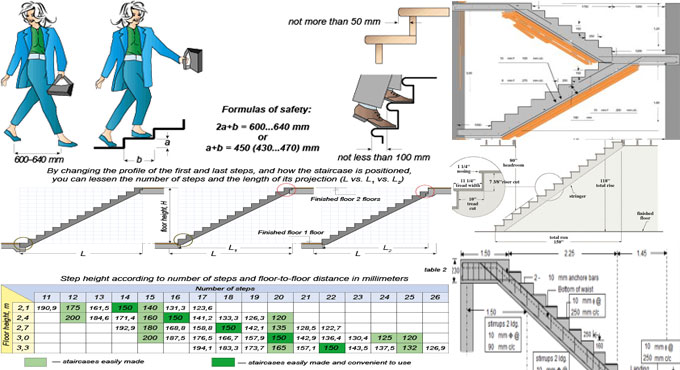
A handy rule of thumb for stair design is the "2R + T = 24-25" formula, where 'R' is the rise and 'T' is the tread (run). This formula suggests that twice the rise plus the tread should equal between 24 and 25 inches for comfortable stair dimensions. This is a guideline, not a hard and fast rule, but it's a useful starting point.
Identifying and Addressing Stair Problems
Now that you know the ideal dimensions, how do you identify potential problems in your existing stairs?
Common Stair Issues:
- Uneven Steps: This is perhaps the most dangerous issue. Use a measuring tape or level to check for variations in rise and run between steps.
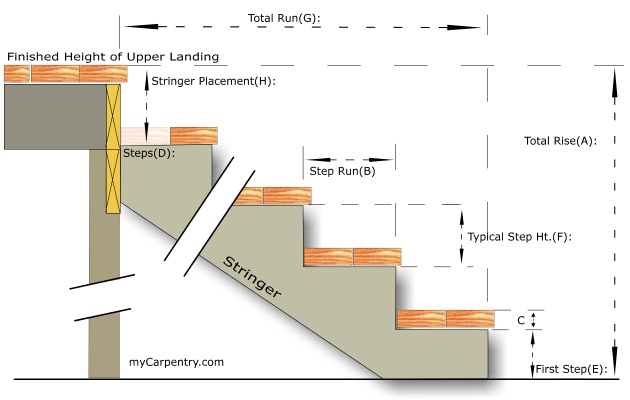
- Squeaking: While annoying, squeaking can also indicate loose treads or stringers (the structural supports on the sides of the stairs).
- Cracked or Damaged Treads: These can pose a serious tripping hazard.
- Loose Handrails: A secure handrail is essential for safety.
- Inadequate Lighting: Poor lighting can make it difficult to see the stairs, increasing the risk of falls.
DIY vs. Calling a Professional: Knowing Your Limits
Some stair repairs are suitable for DIYers, while others are best left to experienced professionals. Here's a breakdown:
DIY-Friendly Repairs:
- Tightening Loose Screws: Often, squeaking can be resolved by simply tightening the screws that hold the treads to the stringers.
- Adding Shims: Small variations in rise can sometimes be corrected with shims placed under the treads.
- Replacing Damaged Treads (Minor Damage): If the damage is localized and doesn't affect the structural integrity of the tread, you might be able to replace it yourself. Ensure you use a tread of the same dimensions and material.
- Improving Lighting: Adding brighter bulbs or installing motion-sensor lights can significantly improve stair safety.
When to Call a Professional:
- Structural Damage: If the stringers are cracked, rotted, or otherwise damaged, this requires professional attention. Replacing or repairing stringers is a complex and potentially dangerous task.
- Significant Variations in Rise and Run: Correcting large variations in rise and run often requires rebuilding the entire staircase or individual steps, which is best left to a professional carpenter.
- Code Violations: If your stairs clearly violate building codes, a professional can help you bring them into compliance.
- Handrail Issues Affecting Structural Integrity: If the handrail is wobbly or the posts are significantly damaged, a professional should assess the underlying structural problems and perform necessary repairs.
Tools and Materials for Stair Repair
If you're tackling DIY stair repairs, here are some essential tools and materials:
Tools:
- Measuring Tape
- Level
- Screwdriver (Phillips and Flathead)
- Drill
- Hammer
- Wood Chisel
- Safety Glasses
- Dust Mask
- Circular Saw (for cutting treads, if needed)
- Miter Saw (for precise angled cuts)
Materials:
- Wood Screws
- Wood Glue
- Shims
- Replacement Treads (matching the existing material)
- Wood Filler (for repairing minor cracks and holes)
- Sandpaper
- Paint or Stain (to match the existing finish)
The HVAC Connection: Safe Access and Maintenance
As we mentioned at the beginning, the condition of your stairs directly impacts your ability to safely maintain your HVAC system. Consider these scenarios:
- Attic Furnace Access: Navigating steep or poorly maintained attic stairs to replace a furnace filter can be hazardous.
- Basement AC Unit Access: Descending into a dark, damp basement with uneven steps to inspect your air conditioning unit can lead to slips and falls.
- Moving Equipment: Carrying heavy HVAC equipment up or down stairs with inadequate headroom or narrow treads poses a significant risk of injury.
By ensuring your stairs are safe and up to code, you not only protect yourself and your family but also make it easier to maintain your HVAC system, potentially preventing costly repairs down the line.
Estimating Repair Costs
The cost of stair repairs can vary widely depending on the extent of the damage and whether you hire a professional. Here are some rough estimates:
- Minor Repairs (tightening screws, adding shims): $20 - $50 (DIY)
- Replacing a Single Tread: $50 - $200 (DIY) / $150 - $400 (Professional)
- Handrail Repair: $100 - $300 (DIY) / $300 - $800 (Professional)
- Structural Repairs (stringers, rebuilding stairs): $500 - $5,000+ (Professional)
These are just estimates. Get multiple quotes from qualified contractors for accurate pricing. Always factor in the cost of materials and potential unforeseen issues.
Safety First!
Before starting any stair repair project, always prioritize safety:
- Wear safety glasses and a dust mask.
- Work in a well-lit area.
- Use appropriate tools for the job.
- If you're unsure about any aspect of the repair, consult a professional.
- Turn off power if electrical work is involved (e.g., installing new lighting).
Conclusion: Stair Safety is a Home Safety Essential
Proper stair construction and maintenance are crucial for creating a safe and comfortable home environment. By understanding the principles of rise and run, identifying potential problems, and knowing when to DIY and when to call a professional, you can ensure your stairs are safe for everyone who uses them, including yourself when maintaining your important HVAC systems. Remember to always prioritize safety and consult your local building codes for specific requirements in your area. A little attention to stair safety can go a long way in preventing accidents and ensuring your home remains a haven.