Mitsubishi 5 Zone Mini Split Ceiling Cassette
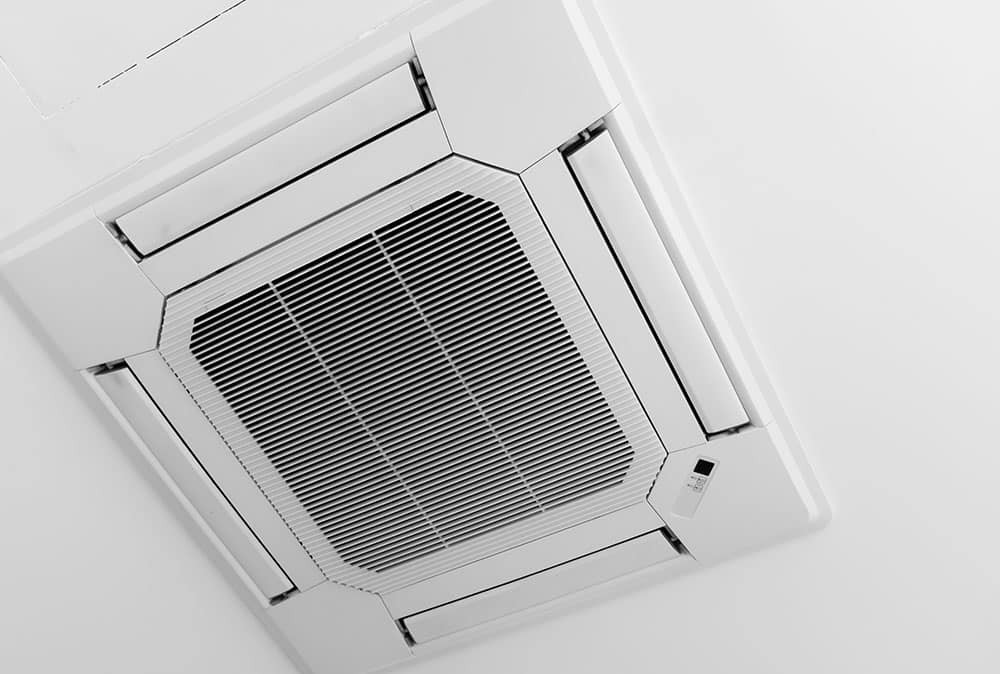
If you're looking for efficient and discreet heating and cooling for multiple rooms, the Mitsubishi 5 Zone Mini Split Ceiling Cassette system is a popular choice. This article delves into understanding, troubleshooting, and maintaining these systems, helping you keep your home comfortable. Whether you're a homeowner tackling minor issues or a DIY enthusiast looking to expand your knowledge, this guide will provide valuable insights.
Understanding the Mitsubishi 5 Zone Mini Split Ceiling Cassette System
Mini-split systems, also known as ductless systems, offer zone-controlled heating and cooling. The Mitsubishi 5 Zone variant allows you to connect up to five indoor units (ceiling cassettes in this case) to a single outdoor unit. This eliminates the need for extensive ductwork, making it ideal for retrofits, additions, or homes without existing duct systems.
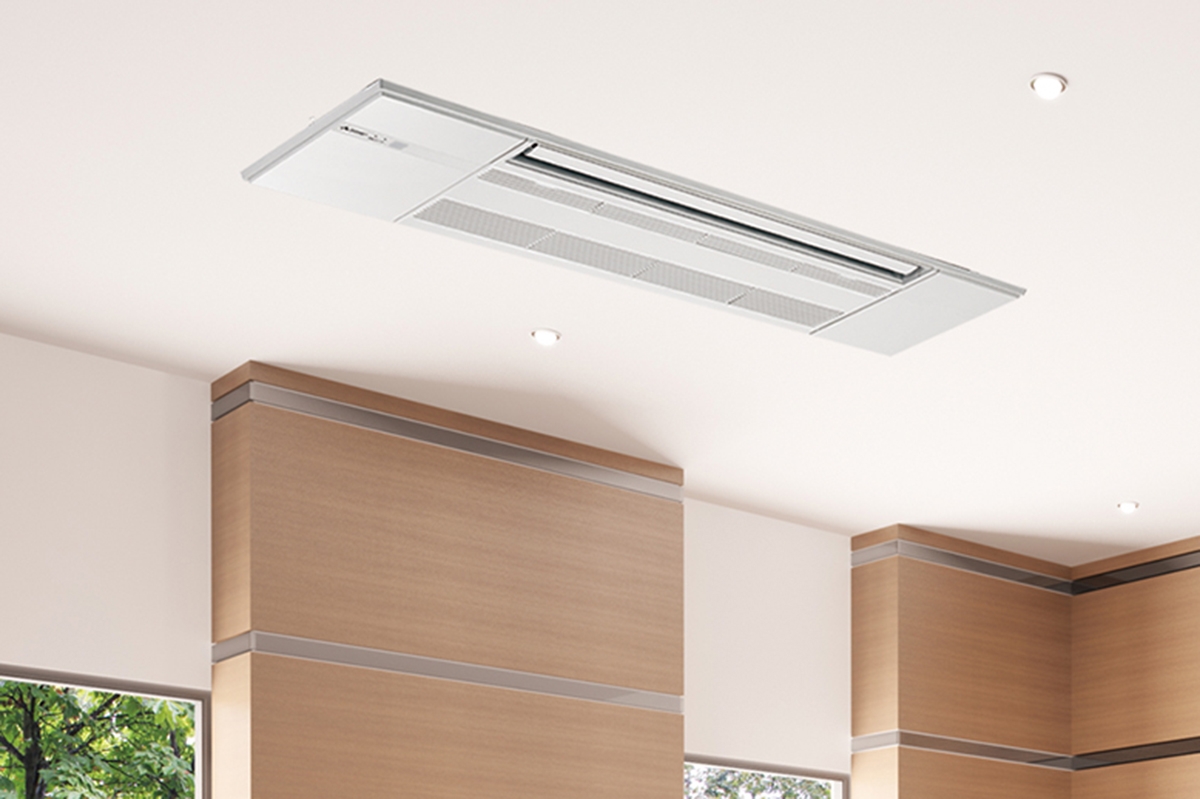
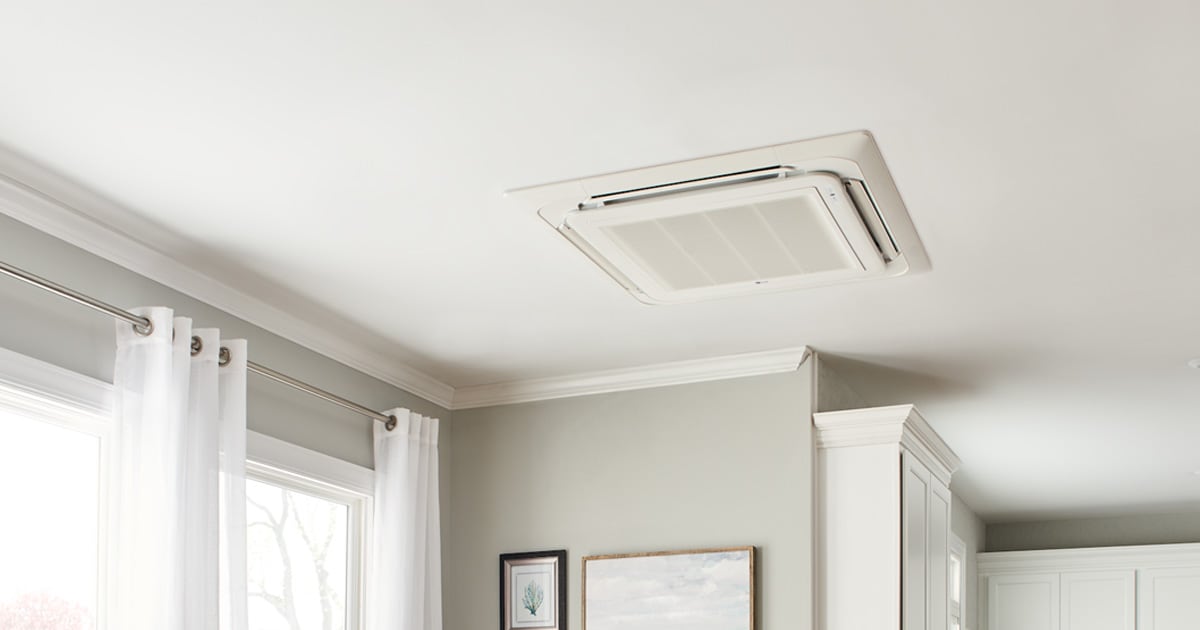
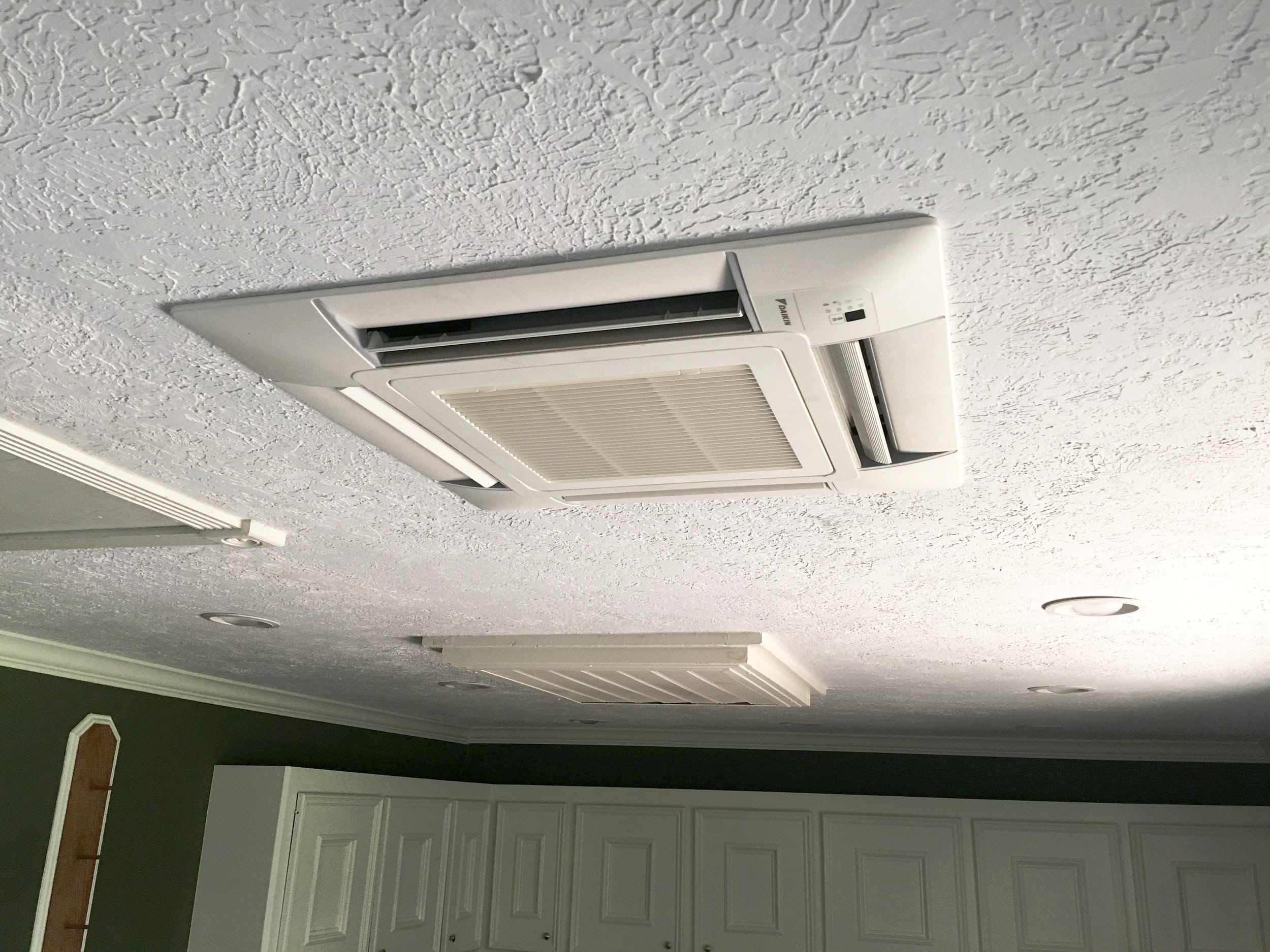
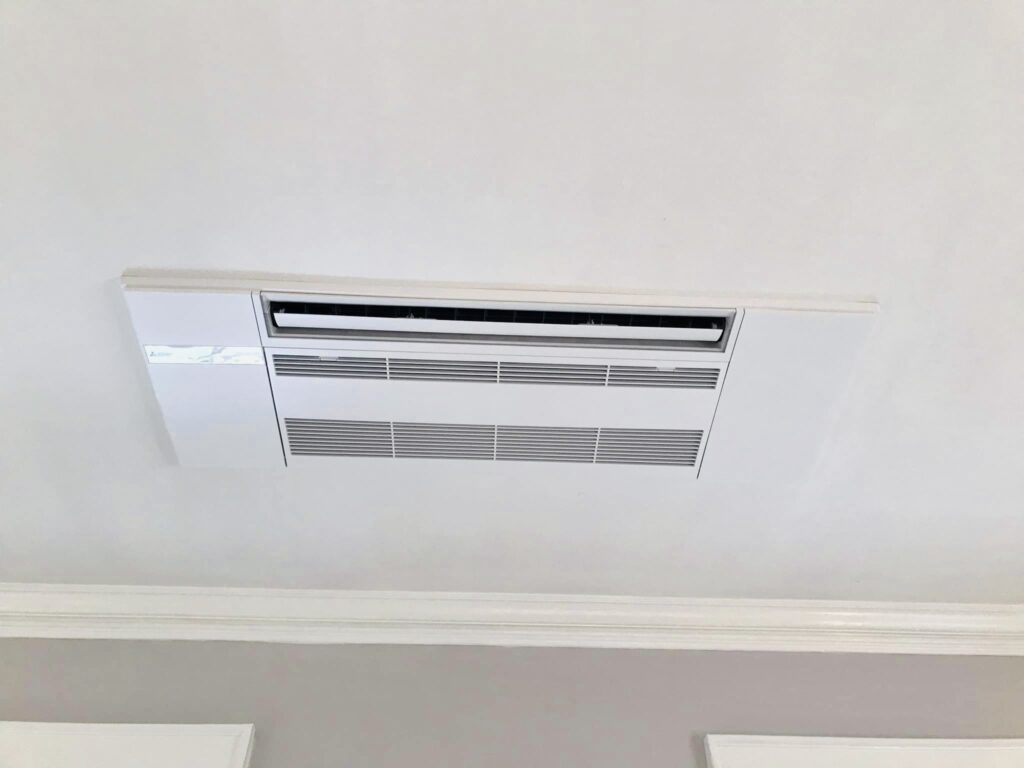
Ceiling Cassettes: These indoor units are mounted flush with the ceiling, providing a sleek and unobtrusive aesthetic. They distribute air evenly across the room, offering consistent temperature control.
System Components:
- Outdoor Unit (Condenser): Houses the compressor, condenser coil, and fan. This unit is responsible for rejecting or absorbing heat from the refrigerant.
- Indoor Units (Ceiling Cassettes): Distribute conditioned air into the rooms. Each unit contains an evaporator coil, fan, and air filter.
- Refrigerant Lines: Copper tubing that carries refrigerant between the outdoor and indoor units.
- Control System: Usually includes a remote control for each indoor unit and a central control panel (optional) for the entire system.
- Condensate Drain Lines: Remove condensation produced during cooling operation.
Troubleshooting Common Issues
Here are some common problems you might encounter with your Mitsubishi 5 Zone Mini Split Ceiling Cassette system, along with potential solutions:
1. Unit Not Turning On:
- Possible Causes:
- Power outage or tripped breaker.
- Remote control batteries are dead.
- Faulty remote control.
- System is in standby mode.
- Faulty wiring or electrical components.
- Troubleshooting Steps:
- Check the main power supply and circuit breaker.
- Replace the remote control batteries.
- Try using the emergency operation button (if available) on the indoor unit.
- Consult the manufacturer's manual for specific troubleshooting steps.
- When to Call a Professional: If the problem persists after checking the basics, it's best to call a qualified HVAC technician to diagnose and repair electrical issues.
2. Insufficient Heating or Cooling:
- Possible Causes:
- Dirty air filter.
- Blocked outdoor unit.
- Refrigerant leak.
- Incorrect temperature settings.
- Faulty thermostat or temperature sensor.
- Troubleshooting Steps:
- Clean or replace the air filter in the indoor unit.
- Ensure the outdoor unit is free from debris (leaves, snow, etc.).
- Verify the temperature settings on the remote control.
- Check for any signs of refrigerant leaks (ice buildup on the refrigerant lines).
- When to Call a Professional: Refrigerant leaks require specialized tools and training to repair. Contact a qualified HVAC technician immediately.
3. Water Leaking from Indoor Unit:
- Possible Causes:
- Clogged condensate drain line.
- Frozen evaporator coil (due to low refrigerant or airflow).
- Improperly installed condensate drain line.
- Troubleshooting Steps:
- Check the condensate drain line for any clogs. You can use a wet/dry vacuum or a stiff wire to clear the blockage.
- Inspect the drain line for proper slope and connections.
- If the evaporator coil is frozen, try turning off the unit and allowing it to thaw.
- When to Call a Professional: If you suspect a frozen coil due to a refrigerant leak or if you are unable to clear the drain line, contact a qualified HVAC technician.
4. Unusual Noises:
- Possible Causes:
- Loose components.
- Debris in the fan.
- Faulty motor bearings.
- Refrigerant issues.
- Troubleshooting Steps:
- Inspect the indoor and outdoor units for any loose panels or components.
- Check for debris obstructing the fan blades.
- When to Call a Professional: Unusual noises, especially grinding or screeching sounds, often indicate a mechanical problem that requires professional attention.
5. Error Codes Displayed on Remote or Unit:
- Possible Causes: Error codes can indicate a wide range of problems, from sensor failures to communication errors.
- Troubleshooting Steps:
- Consult the Mitsubishi user manual for a list of error codes and their corresponding meanings.
- Try resetting the system by turning it off and then back on.
- When to Call a Professional: Error codes often point to specific component failures that require professional diagnosis and repair.
DIY Maintenance Tips
Regular maintenance can help prevent problems and extend the life of your Mitsubishi 5 Zone Mini Split Ceiling Cassette system.
- Air Filter Cleaning/Replacement: Clean or replace the air filters every 1-3 months, depending on usage and air quality.
- Outdoor Unit Cleaning: Periodically clean the outdoor unit by removing any debris (leaves, grass, snow) from around the unit. Use a garden hose to gently wash the fins. Avoid using a pressure washer, as it can damage the fins.
- Condensate Drain Line Inspection: Regularly inspect the condensate drain line for any signs of clogs or leaks.
- Coil Cleaning: You can clean the indoor unit's evaporator coil and the outdoor unit's condenser coil with a fin comb and a specialized coil cleaner. Follow the manufacturer's instructions carefully. Caution: Exercise extreme care when working with electrical components.
When to Call a Professional
While some issues can be resolved with DIY troubleshooting, certain repairs require the expertise of a qualified HVAC technician. Here are some situations when you should always call a professional:
- Refrigerant Leaks: Handling refrigerant requires specialized equipment and training.
- Electrical Problems: Diagnosing and repairing electrical faults can be dangerous and should only be performed by a qualified electrician or HVAC technician.
- Compressor Issues: The compressor is the heart of the system, and repairs are complex and expensive.
- Major Component Failures: If you suspect a major component, such as the fan motor, circuit board, or reversing valve, has failed, it's best to call a professional.
- You're Uncomfortable or Unsure: If you're not comfortable working on your HVAC system, or if you're unsure about any aspect of the repair, it's always best to err on the side of caution and call a professional.
Estimated Repair Costs
The cost of repairing a Mitsubishi 5 Zone Mini Split Ceiling Cassette system can vary depending on the nature of the problem, the parts required, and the labor rates in your area. Here are some rough estimates:
- Air Filter Replacement: $10-$30 (DIY)
- Condensate Drain Line Cleaning: $75-$150 (Professional)
- Refrigerant Recharge: $200-$600 (Professional)
- Fan Motor Replacement: $300-$800 (Professional)
- Compressor Replacement: $1000-$3000 (Professional)
- Circuit Board Replacement: $300-$1000 (Professional)
Note: These are just estimates. It's always best to get a quote from a qualified HVAC technician before proceeding with any repairs.
Tools and Parts You Might Need
Here's a list of tools and parts you might need for DIY troubleshooting and maintenance:
Tools:
- Screwdrivers (Phillips and flathead)
- Wrench set
- Multimeter
- Wet/dry vacuum
- Fin comb
- Refrigerant leak detector (for experienced technicians only)
- Manifold gauge set (for experienced technicians only)
Parts:
- Air filters
- Condensate drain cleaner
- Coil cleaner
- Replacement remote control batteries
- Replacement fuses
Finding a Qualified HVAC Technician
When you need professional assistance, it's important to choose a qualified HVAC technician. Here are some tips:
- Check for Licensing and Insurance: Ensure the technician is properly licensed and insured in your state.
- Read Online Reviews: Look for reviews on websites like Google, Yelp, and Angie's List.
- Ask for Referrals: Ask friends, family, or neighbors for recommendations.
- Get Multiple Quotes: Obtain quotes from several technicians before making a decision.
- Verify Experience with Mini-Split Systems: Ensure the technician has experience working on Mitsubishi mini-split systems, particularly ceiling cassette models.
By understanding the intricacies of your Mitsubishi 5 Zone Mini Split Ceiling Cassette system, performing regular maintenance, and knowing when to call a professional, you can ensure its reliable and efficient operation for years to come. Remember safety first, and don't hesitate to seek expert help when needed.