Mitsubishi Air Conditioning And Heating Units

Mitsubishi Electric is a global leader in the heating, ventilation, and air conditioning (HVAC) industry, renowned for its innovative and energy-efficient systems. Their range encompasses residential, commercial, and industrial applications, offering solutions from single-room comfort to whole-building climate control. This article explores the diverse offerings of Mitsubishi air conditioning and heating units, providing insights for homeowners, HVAC technicians, and facility managers.
Residential Mitsubishi HVAC Systems
For homeowners, Mitsubishi offers ductless mini-split systems, ducted systems, and hybrid solutions, each with unique advantages. The primary focus is on delivering personalized comfort with exceptional energy efficiency.
Ductless Mini-Split Systems: Zoned Comfort
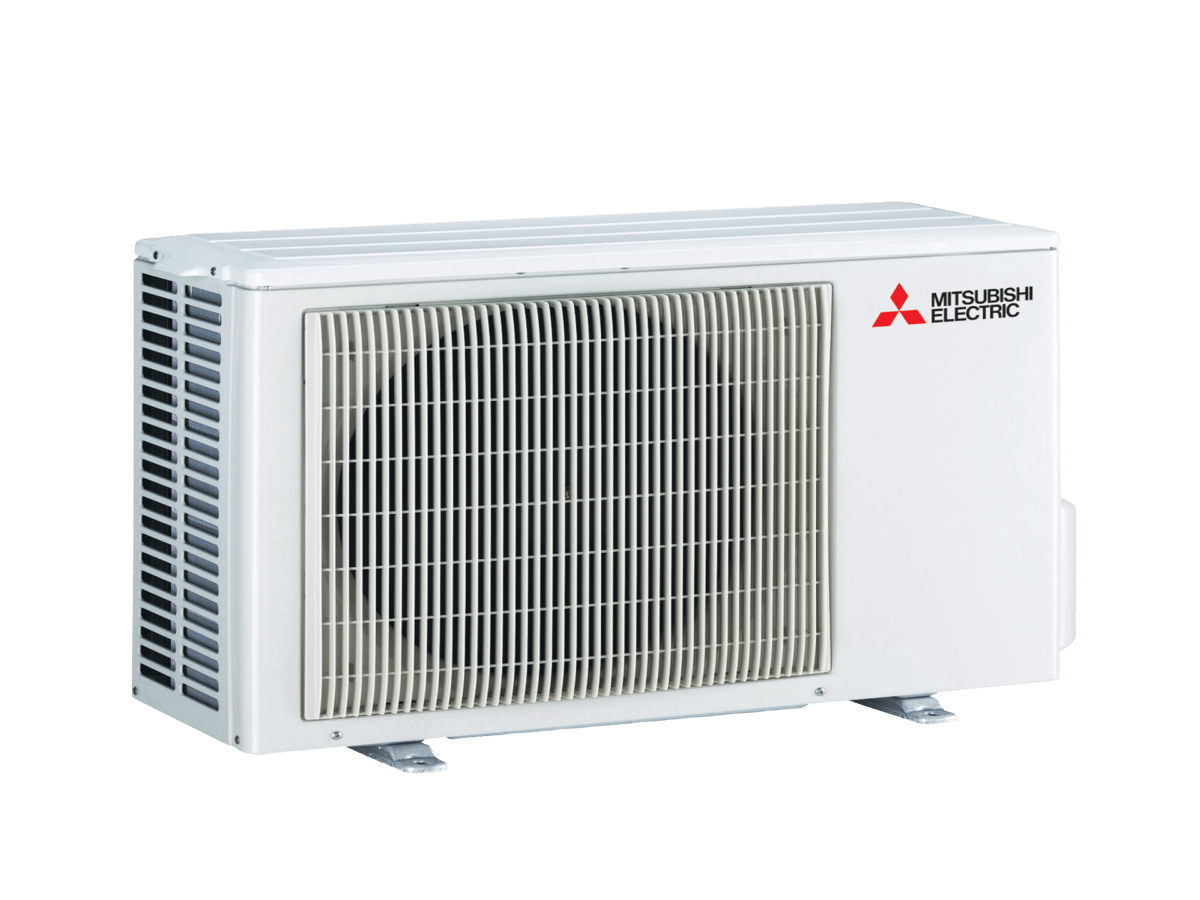
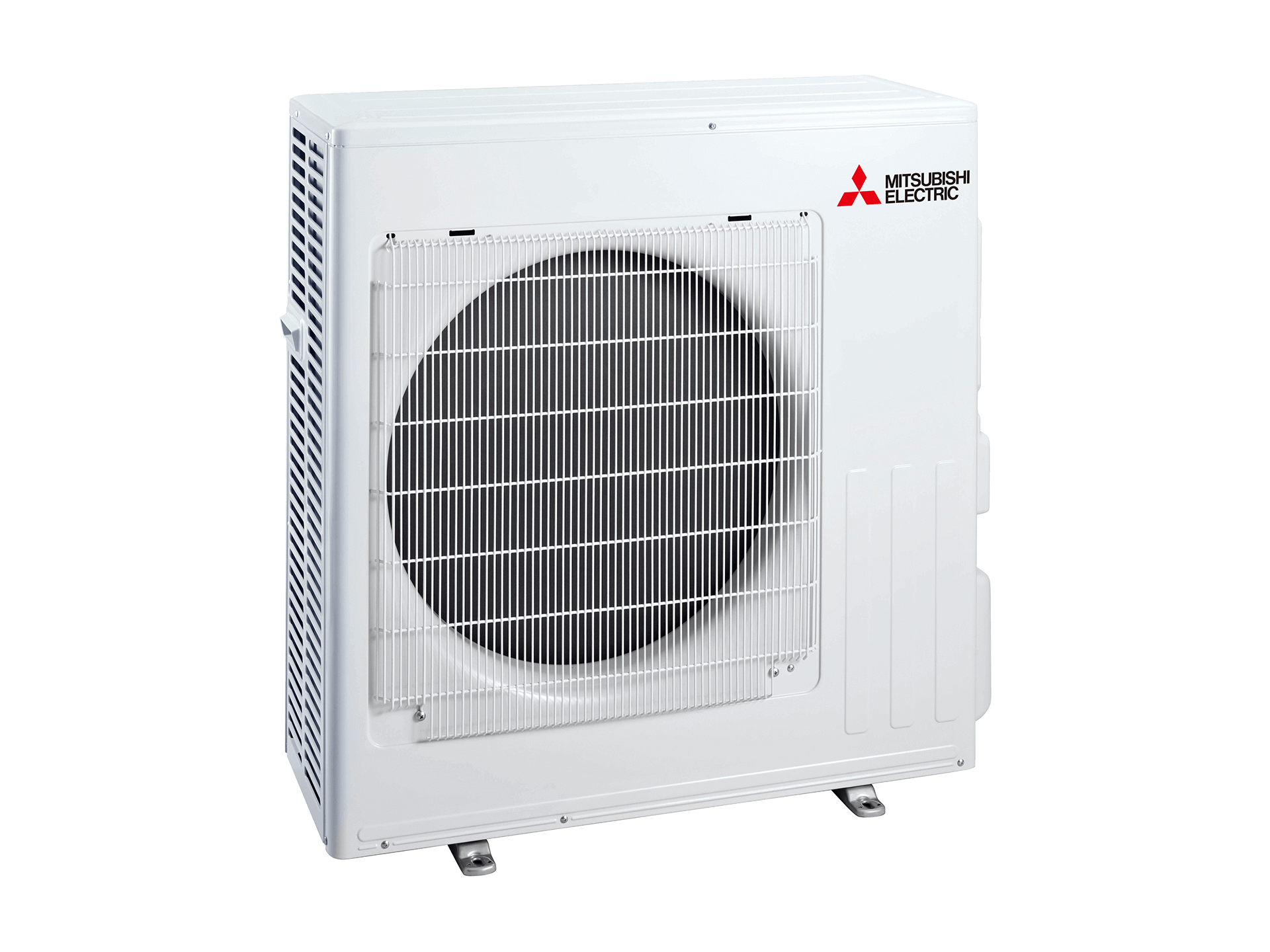
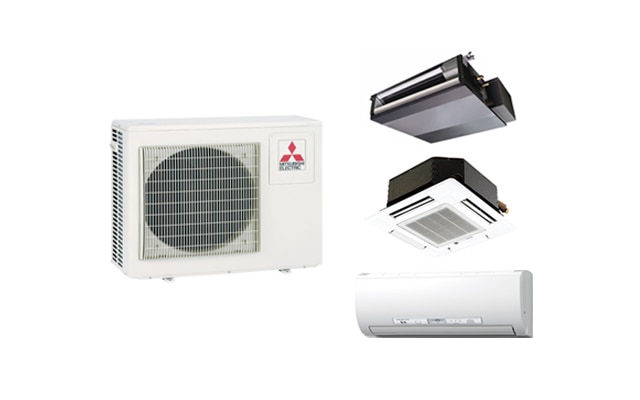
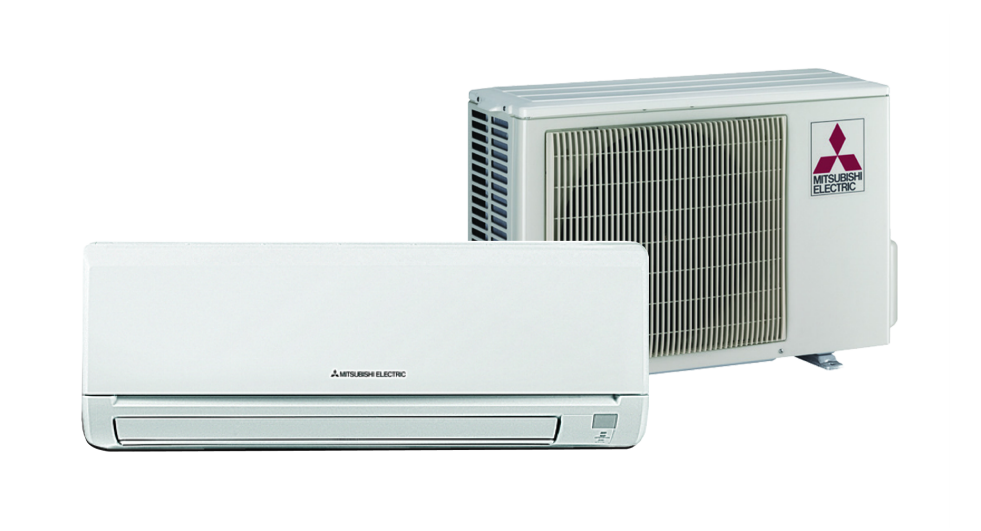
Mitsubishi’s ductless mini-split systems, often referred to as split systems, are a popular choice for homeowners seeking zoned heating and cooling. These systems consist of an outdoor unit (condenser) and one or more indoor units (evaporators) connected by refrigerant lines. They eliminate the need for ductwork, making them ideal for homes without existing ductwork, additions, or rooms that are difficult to heat or cool.
Key Features:
- Zoned Heating and Cooling: Each indoor unit can be independently controlled, allowing for personalized comfort in different areas of the home. This eliminates wasted energy by heating or cooling unoccupied rooms.
- Energy Efficiency: Mitsubishi ductless systems are known for their high SEER (Seasonal Energy Efficiency Ratio) and HSPF (Heating Seasonal Performance Factor) ratings. High SEER values indicate efficient cooling, while high HSPF values indicate efficient heating. Models with the Hyper-Heating INVERTER (H2i) technology can maintain heating capacity even in extremely cold climates.
- Quiet Operation: Both indoor and outdoor units operate quietly, minimizing noise disruption.
- Easy Installation: Ductless systems are generally easier and less disruptive to install compared to ducted systems.
- Advanced Filtration: Many models incorporate sophisticated air filtration systems that remove allergens, dust, and other pollutants, improving indoor air quality.
Real-World Example: A homeowner in a two-story house could install a multi-zone mini-split system with one outdoor unit and two indoor units – one for the upstairs bedrooms and one for the downstairs living area. This allows them to heat or cool only the occupied zones, saving energy and money compared to a traditional central air system.
Ducted Systems: Centralized Comfort
Mitsubishi also offers ducted systems, providing centralized heating and cooling for homes with existing ductwork. These systems are a good option for homeowners who prefer a traditional forced-air system but want the energy efficiency and advanced features of Mitsubishi technology.
Key Features:
- Centralized Control: A single thermostat controls the entire system, providing consistent temperature throughout the house.
- Inverter Technology: Mitsubishi ducted systems utilize inverter-driven compressors, which adjust the cooling or heating output based on the actual demand. This results in more consistent temperatures and reduced energy consumption compared to traditional on/off compressors.
- Energy Efficiency: Similar to ductless systems, Mitsubishi ducted systems boast high SEER and HSPF ratings.
- Quiet Operation: Advanced fan blade designs and insulated cabinets minimize noise levels.
Hybrid Systems: Best of Both Worlds
Hybrid systems combine the benefits of ductless and ducted systems. They typically consist of a central ducted unit for the main living areas and ductless units for individual rooms or zones. This allows for both centralized and zoned comfort, providing maximum flexibility and energy efficiency.
Commercial Mitsubishi HVAC Systems
For commercial applications, Mitsubishi offers a wide range of VRF (Variable Refrigerant Flow) systems, packaged units, and other solutions designed to meet the diverse needs of offices, retail spaces, and other commercial buildings.
VRF Systems: Scalable and Efficient
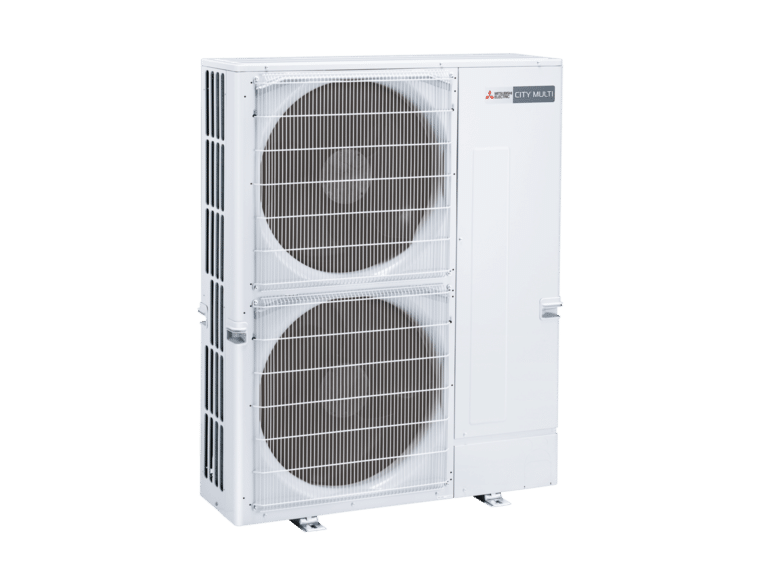
VRF (Variable Refrigerant Flow) systems are a popular choice for commercial buildings due to their scalability, energy efficiency, and ability to provide individualized comfort to different zones. VRF systems use a single outdoor unit connected to multiple indoor units, each with its own thermostat. The system adjusts the refrigerant flow to each indoor unit based on the heating or cooling demand, resulting in precise temperature control and reduced energy consumption.
Key Features:
- Zoned Control: VRF systems allow for independent temperature control in multiple zones, catering to the specific needs of different areas within the building.
- Energy Efficiency: VRF systems are highly energy-efficient, especially in buildings with varying occupancy levels. They use inverter-driven compressors and other advanced technologies to minimize energy waste.
- Heat Recovery: Some VRF systems offer heat recovery capabilities, allowing them to transfer heat from one zone to another, further improving energy efficiency. For example, heat extracted from a server room can be used to heat an office space.
- Flexible Design: VRF systems can be configured to meet the specific needs of a wide range of buildings. They can accommodate long refrigerant line lengths and large elevation differences, making them suitable for complex building layouts.
- Remote Monitoring and Control: Many VRF systems can be remotely monitored and controlled, allowing facility managers to optimize performance and troubleshoot issues from anywhere.
Packaged Units: Simplified Installation
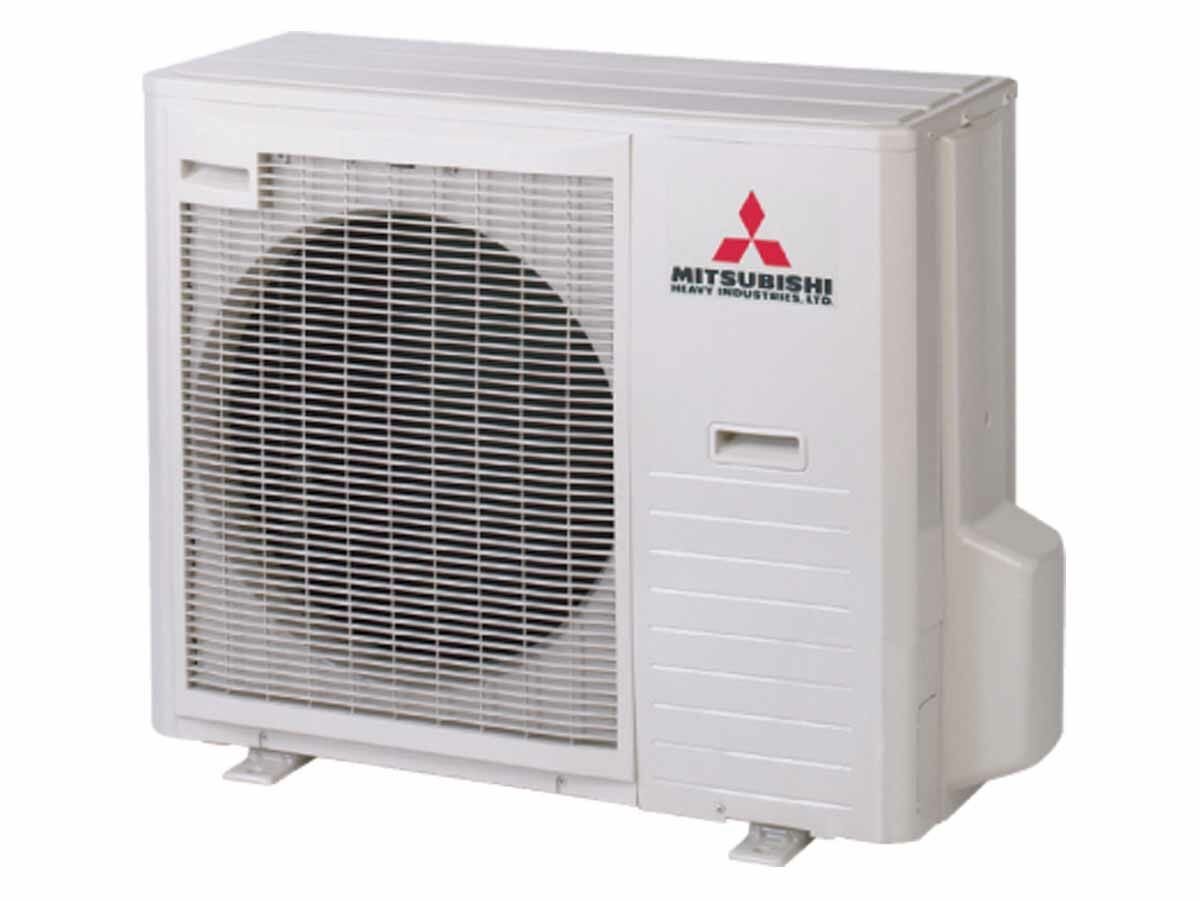
Mitsubishi also offers packaged units, which combine all the components of an HVAC system into a single unit. These units are typically installed on rooftops or ground-level pads and are connected to ductwork that distributes conditioned air throughout the building. Packaged units are a simpler and more cost-effective option for some commercial applications, especially for smaller buildings or retrofit projects.
Efficiency Ratings and Lifespan
Understanding efficiency ratings and lifespan is crucial when evaluating different HVAC systems.
Efficiency Ratings:
- SEER (Seasonal Energy Efficiency Ratio): Measures the cooling efficiency of an air conditioner. Higher SEER ratings indicate greater efficiency.
- HSPF (Heating Seasonal Performance Factor): Measures the heating efficiency of a heat pump. Higher HSPF ratings indicate greater efficiency.
- EER (Energy Efficiency Ratio): Measures the cooling efficiency of an air conditioner at a specific operating point.
- COP (Coefficient of Performance): Measures the heating efficiency of a heat pump at a specific operating point.
Mitsubishi systems are known for their high SEER and HSPF ratings, often exceeding industry standards. Look for systems with Energy Star certification to ensure maximum energy savings.
Lifespan:
The lifespan of a Mitsubishi air conditioning or heating unit depends on several factors, including the quality of installation, the level of maintenance, and the operating environment. Generally, a well-maintained Mitsubishi system can last for 15-20 years or even longer. Regular maintenance, such as cleaning the coils, changing the filters, and inspecting the refrigerant lines, can significantly extend the lifespan of the system.
Cost Considerations
The cost of a Mitsubishi air conditioning or heating system can vary depending on the type of system, the size of the unit, and the complexity of the installation. Ductless mini-split systems typically have a higher upfront cost than traditional central air systems, but they can save money in the long run due to their superior energy efficiency. VRF systems are generally more expensive than packaged units, but they offer greater flexibility and energy savings for larger commercial buildings.
It's important to obtain quotes from multiple HVAC contractors to compare prices and ensure that you are getting the best value for your money. Consider the long-term operating costs, including energy consumption and maintenance, when making your decision. Local utility companies often offer rebates and incentives for installing energy-efficient HVAC systems, which can further reduce the overall cost.
Maintenance and Troubleshooting
Proper maintenance is essential for ensuring the longevity and efficiency of your Mitsubishi air conditioning or heating system.
Regular Maintenance Tasks:
- Clean or replace air filters regularly: Dirty air filters can restrict airflow, reduce efficiency, and damage the system.
- Clean the coils: Dirty coils can reduce the system's ability to transfer heat.
- Inspect refrigerant lines: Leaks can reduce efficiency and damage the compressor.
- Check electrical connections: Loose connections can cause problems.
- Schedule professional maintenance: A qualified HVAC technician can perform a comprehensive inspection and tune-up to ensure that the system is operating at peak performance.
Common Troubleshooting Issues:
- System not turning on: Check the circuit breaker and the thermostat settings.
- Insufficient heating or cooling: Check the air filter and the refrigerant levels.
- Unusual noises: Contact a qualified HVAC technician to diagnose and repair the problem.
- Water leaks: Check the condensate drain line for clogs.
For more complex issues, it's always best to consult with a qualified HVAC technician who is familiar with Mitsubishi systems. Mitsubishi provides extensive technical documentation and training resources for HVAC professionals to help them diagnose and repair their systems effectively.
Conclusion: Mitsubishi air conditioning and heating units offer a wide range of solutions for residential and commercial applications, known for their energy efficiency, advanced features, and reliable performance. By understanding the different types of systems, efficiency ratings, and maintenance requirements, homeowners, HVAC technicians, and facility managers can make informed decisions to optimize comfort and reduce energy costs.