Mitsubishi Electric Air Conditioner Heat Mode

One of the most common frustrations homeowners experience with their Mitsubishi Electric air conditioner, particularly during the colder months, is the unit failing to effectively heat the room. You might turn it on, set the temperature higher than usual, and still feel a chill. This can lead to discomfort, higher energy bills as the unit struggles, and the nagging worry of a potential breakdown. Let's walk through a systematic approach to diagnose and, where possible, resolve this issue.
Step 1: Initial Checks (No Tools Required)
Before you reach for any tools or consider calling a technician, let's start with the basics. These checks are quick, easy, and can often pinpoint simple oversights.
Verify the Mode and Temperature Settings
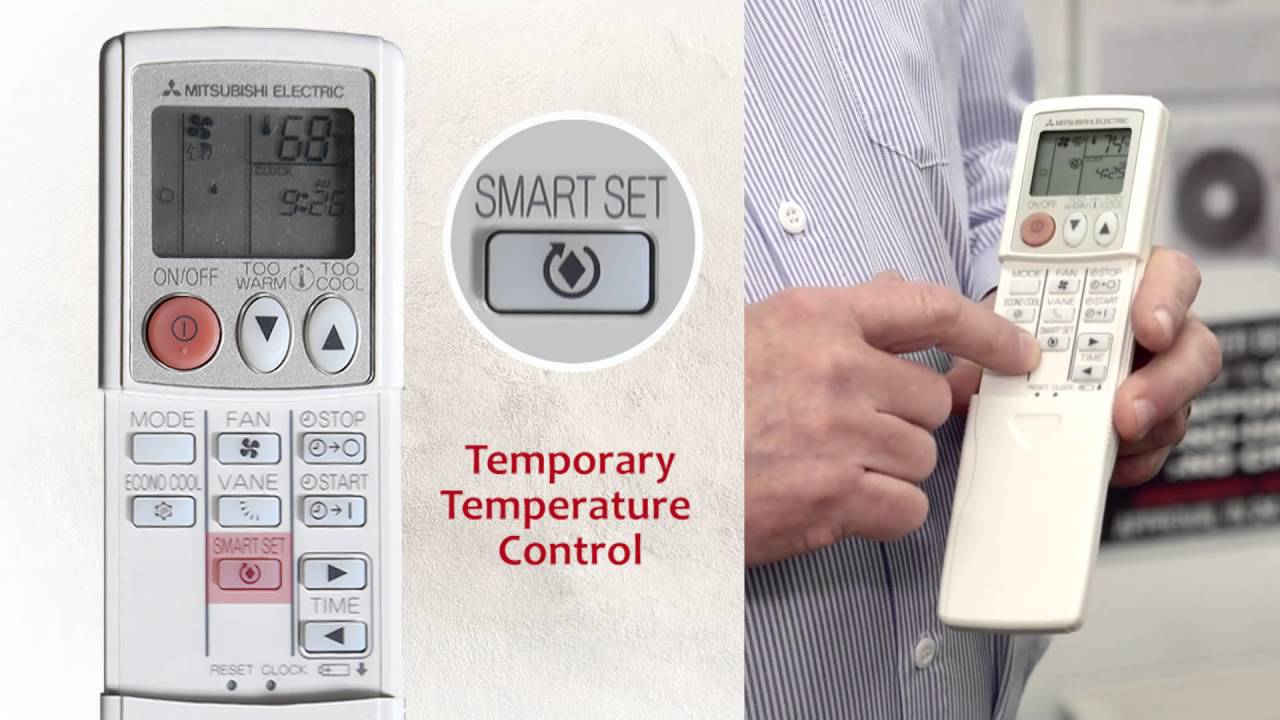
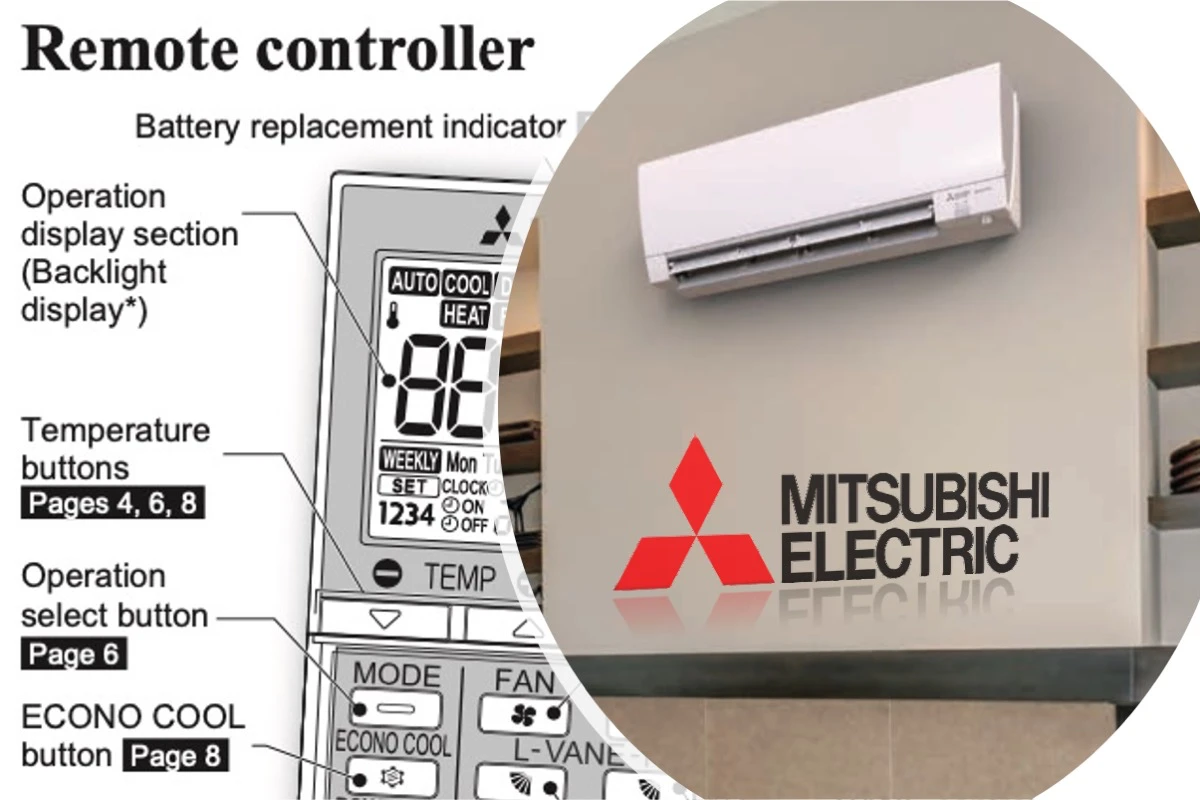
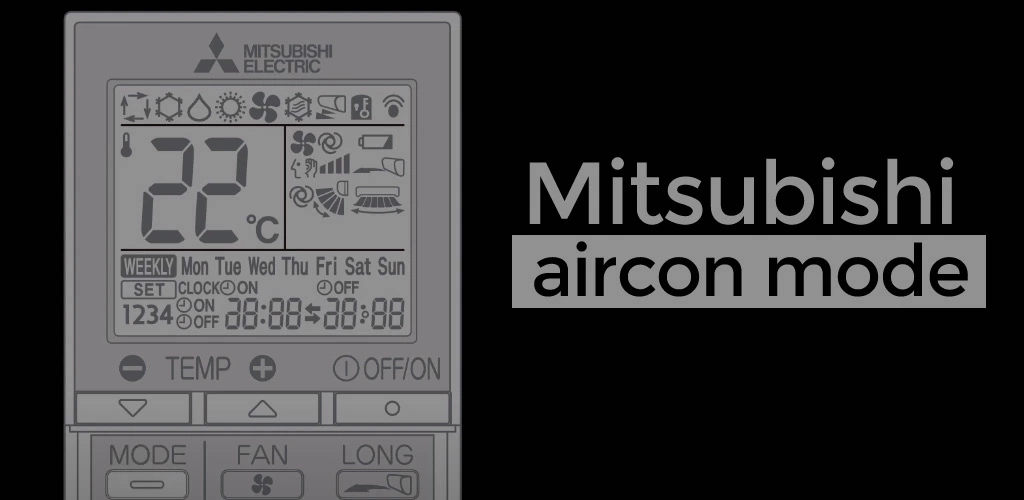
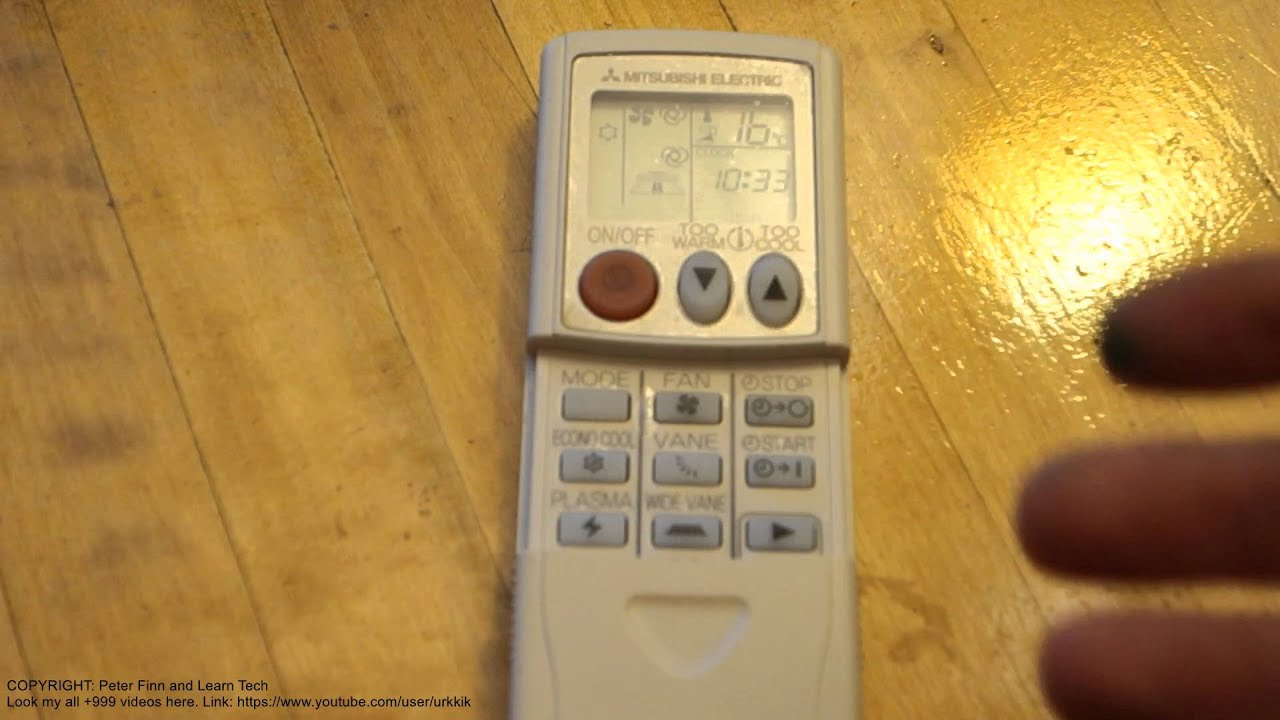
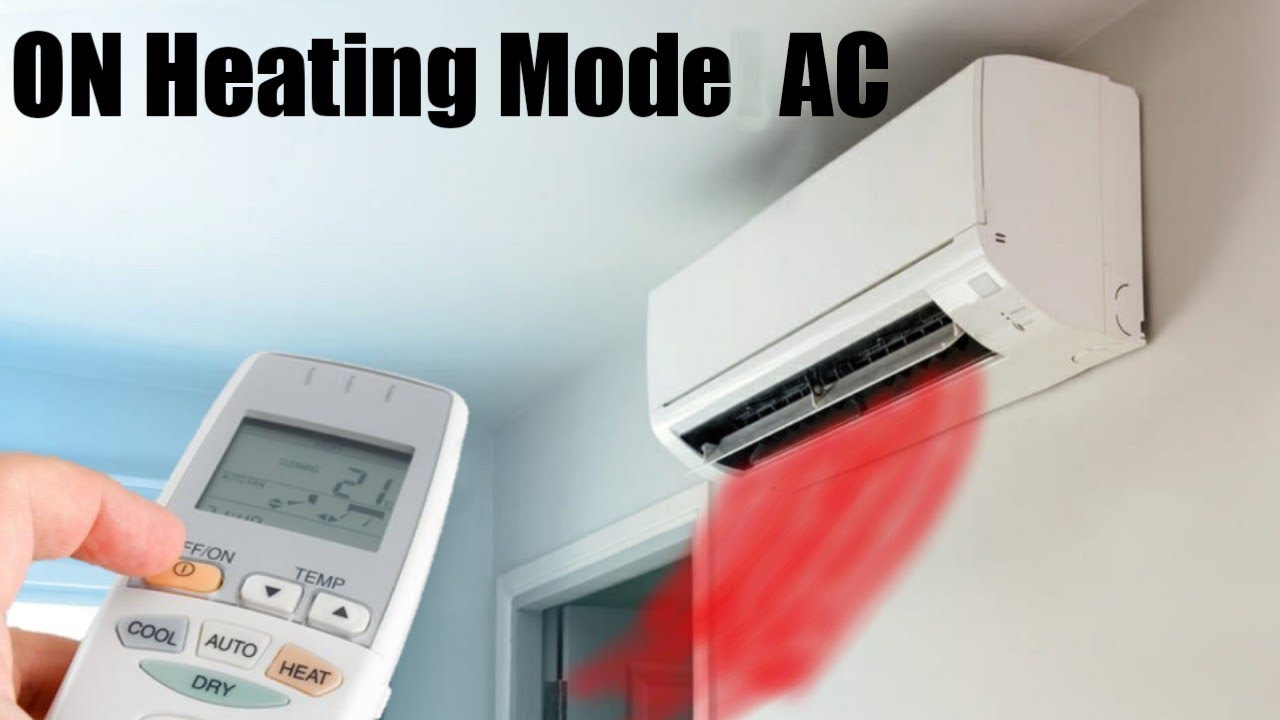
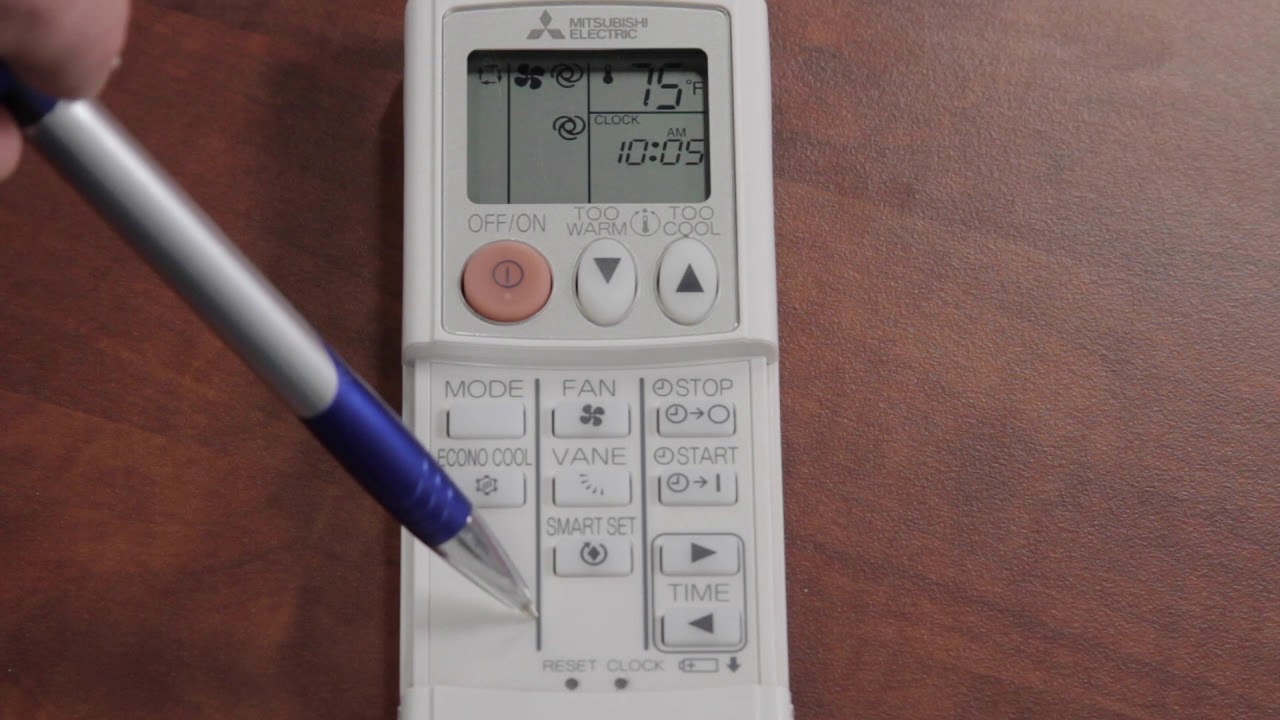
It sounds obvious, but double-check that your Mitsubishi Electric unit is actually set to HEAT mode. Many models have a 'Cool,' 'Heat,' 'Auto,' 'Dry,' and 'Fan' setting. Ensure the remote or control panel displays the heat symbol (often a sun or flame). Next, confirm that the set temperature is higher than the current room temperature. A setting of 65°F (18°C) won't make a difference if your room is already at that temperature.
Check the Air Filters
Dirty air filters are a prime suspect in heating (and cooling) inefficiencies. A clogged filter restricts airflow, forcing the unit to work harder and reducing its ability to warm the air effectively. Visually inspect the air filters. They're usually located behind a removable panel on the indoor unit. If they appear dusty or covered in debris, they need cleaning or replacing. Refer to your owner's manual for specific instructions on removing and cleaning the filters. Some filters are washable, while others require replacement.
Inspect Airflow Around the Indoor Unit
Make sure nothing is obstructing the airflow around the indoor unit. This includes curtains, furniture, or other objects placed too close to the unit. The unit needs unrestricted airflow to draw in room temperature air and release heated air effectively.
Examine the Outdoor Unit
Walk around to the outdoor unit and visually inspect it. Is it covered in snow, ice, or debris? Clear away any obstructions, ensuring adequate airflow around the unit. Pay particular attention to the fins (the metal grilles) on the sides of the unit. Bent or damaged fins can restrict airflow. You can gently straighten bent fins with a fin comb, which is a specialized tool, but be extremely careful not to damage them further. If the unit is encased in ice, carefully try to melt it with warm water. Never use sharp objects to chip away ice, as you risk damaging the unit.
Step 2: Advanced Checks (Basic Tools Required)
If the initial checks don't reveal the problem, you might need some basic tools to investigate further. These steps require a bit more caution and a basic understanding of electrical safety. If you are uncomfortable with any of these steps, please call a qualified HVAC technician.
Check the Breaker
Locate the circuit breaker for your Mitsubishi Electric air conditioner in your home's electrical panel. Ensure the breaker is switched ON. If it has tripped (switched to the OFF position), reset it by switching it fully OFF and then back ON. If the breaker trips repeatedly, it indicates a more serious electrical problem that requires professional attention. Do not repeatedly reset a tripping breaker; this is a fire hazard.
Voltage Check (Multimeter Required – Use with Extreme Caution)
This step is only for those comfortable and experienced using a multimeter. Improper use can lead to electric shock. If you're not confident, skip this step and call a technician.
Using a multimeter, check the voltage at the outdoor unit's disconnect switch. The disconnect switch is usually located near the outdoor unit and is a safety device to cut power to the unit. Turn off the breaker feeding the outdoor unit before removing the cover of the disconnect switch. Using the multimeter, verify that the voltage matches the unit's specifications (usually 208-230V for most residential units). If the voltage is significantly lower than the specified range, it could indicate a wiring problem or a problem with the power supply from the utility company. Contact an electrician to investigate further.
Inspect the Condensate Drain Line
While less common with heating issues, a blocked condensate drain line can sometimes indirectly affect the unit's performance. The condensate drain line removes moisture that condenses during the cooling process, but a blockage can trigger safety mechanisms that shut down the unit or prevent it from operating at full capacity. Locate the condensate drain line, which is usually a PVC pipe running from the indoor unit to the outside or to a drain. Check for any visible blockages, such as algae or debris. You can try to clear the line using a wet/dry vacuum or by flushing it with water. Be careful not to over-pressurize the line.
Step 3: Understanding Error Codes (Refer to Your Manual)
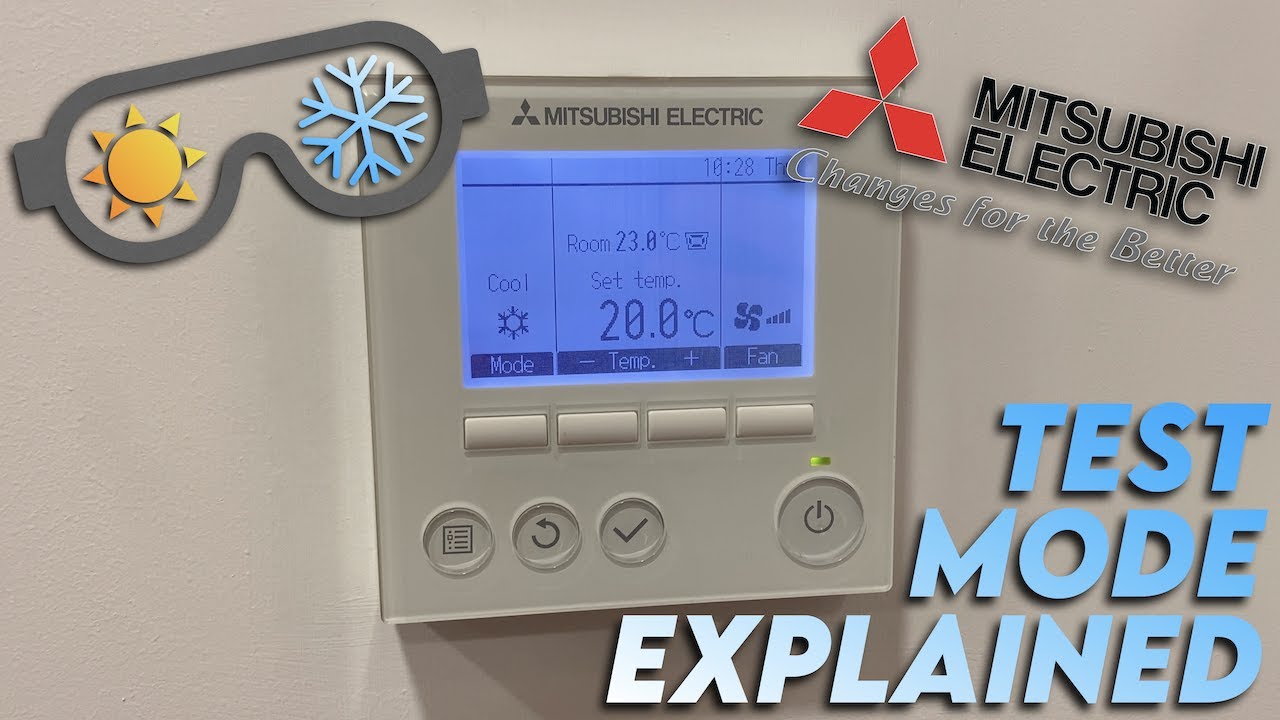
Many modern Mitsubishi Electric air conditioners have a built-in diagnostic system that displays error codes on the remote or control panel. These codes provide valuable clues about the nature of the problem. Consult your owner's manual for a list of error codes and their corresponding meanings. Some error codes indicate simple issues that you can resolve yourself, while others point to more complex problems that require professional attention.
For example, an error code related to a faulty thermistor (temperature sensor) might indicate that the sensor needs replacement, which is a task best left to a technician. An error code related to low refrigerant levels strongly suggests a leak and requires immediate professional service.
When to Call a Professional
While many simple heating issues can be resolved with DIY troubleshooting, certain problems require the expertise and tools of a qualified HVAC technician. Here are some situations where it's best to call for professional help:
- Refrigerant Leaks: Low refrigerant levels indicate a leak, which requires specialized equipment to locate and repair. Refrigerant is also harmful to the environment, so handling it requires proper certification and disposal methods.
- Compressor Problems: The compressor is the heart of the air conditioning system. If it's malfunctioning, the unit won't heat or cool properly. Compressor repairs are complex and expensive and should only be performed by a qualified technician.
- Electrical Issues: Any electrical problems beyond checking the breaker or voltage (with proper experience) should be left to a licensed electrician or HVAC technician. Working with electricity is dangerous, and improper repairs can lead to electric shock or fire.
- Complex Error Codes: If your unit is displaying an error code that you don't understand or that indicates a complex problem, it's best to call a technician. Trying to fix a problem without proper knowledge can damage the unit further.
- Lack of Heating After Troubleshooting: If you've followed all the troubleshooting steps outlined above and your unit is still not heating properly, it's likely that there's a more serious underlying issue that requires professional diagnosis and repair.
- Unusual Noises: Loud banging, hissing, or grinding noises coming from the indoor or outdoor unit can indicate a mechanical problem that needs immediate attention.
Preventive Maintenance for Optimal Heating Performance
The best way to avoid heating problems is to perform regular preventive maintenance on your Mitsubishi Electric air conditioner. Here are some tips:
- Clean or Replace Air Filters Regularly: Check your air filters monthly and clean or replace them as needed. This will improve airflow and prevent the unit from working harder than necessary.
- Clean the Outdoor Unit: Periodically clean the outdoor unit to remove any debris that may be obstructing airflow. Use a garden hose to gently rinse the fins.
- Schedule Annual Professional Maintenance: Have a qualified HVAC technician inspect and service your unit at least once a year. They can identify and address potential problems before they become major issues.
- Keep the Area Around the Units Clear: Ensure that there is adequate clearance around both the indoor and outdoor units to allow for proper airflow.
By following these troubleshooting steps and performing regular maintenance, you can keep your Mitsubishi Electric air conditioner running efficiently and effectively for years to come. Remember, safety is paramount. When in doubt, always consult a qualified HVAC technician.