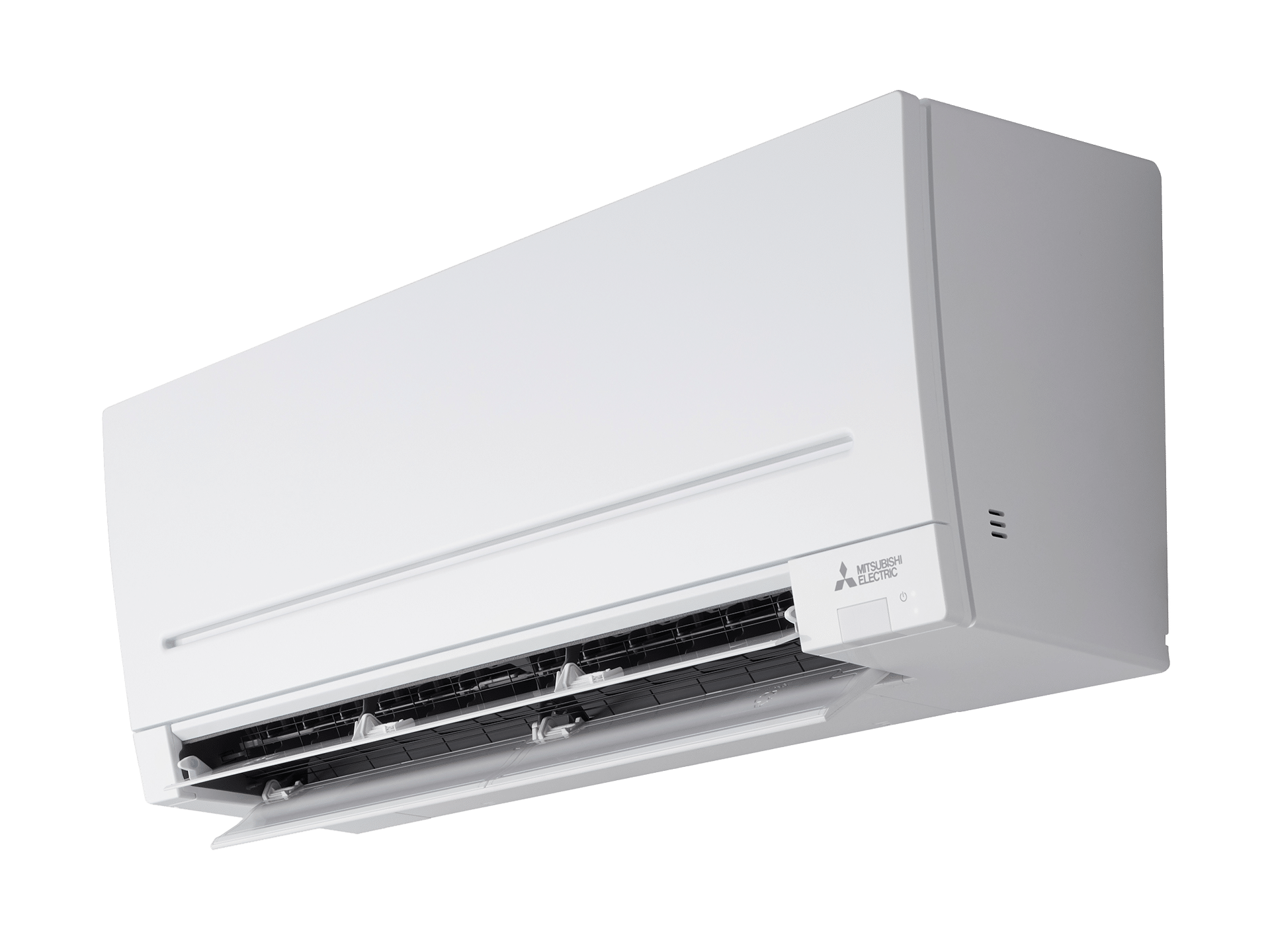
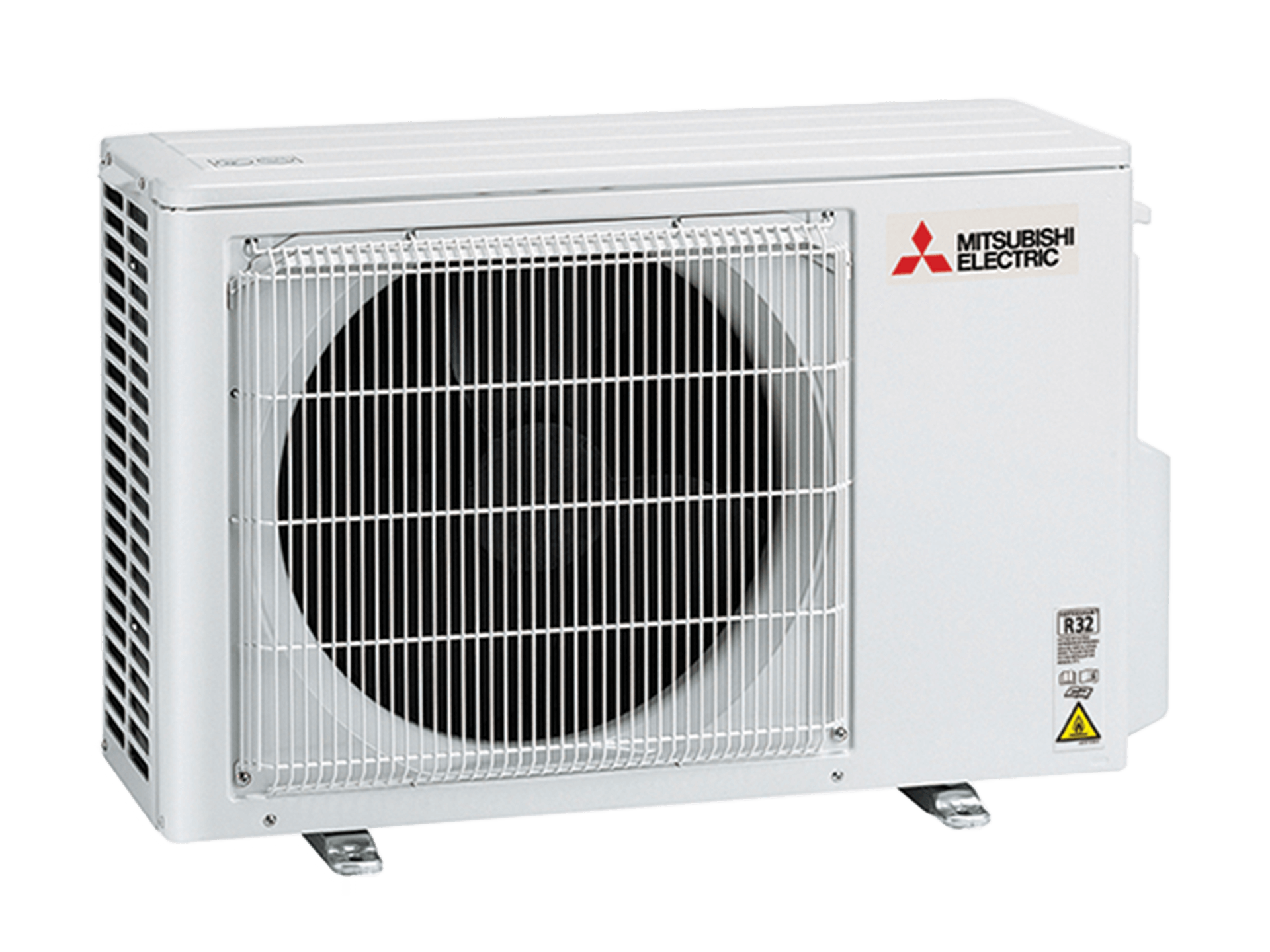
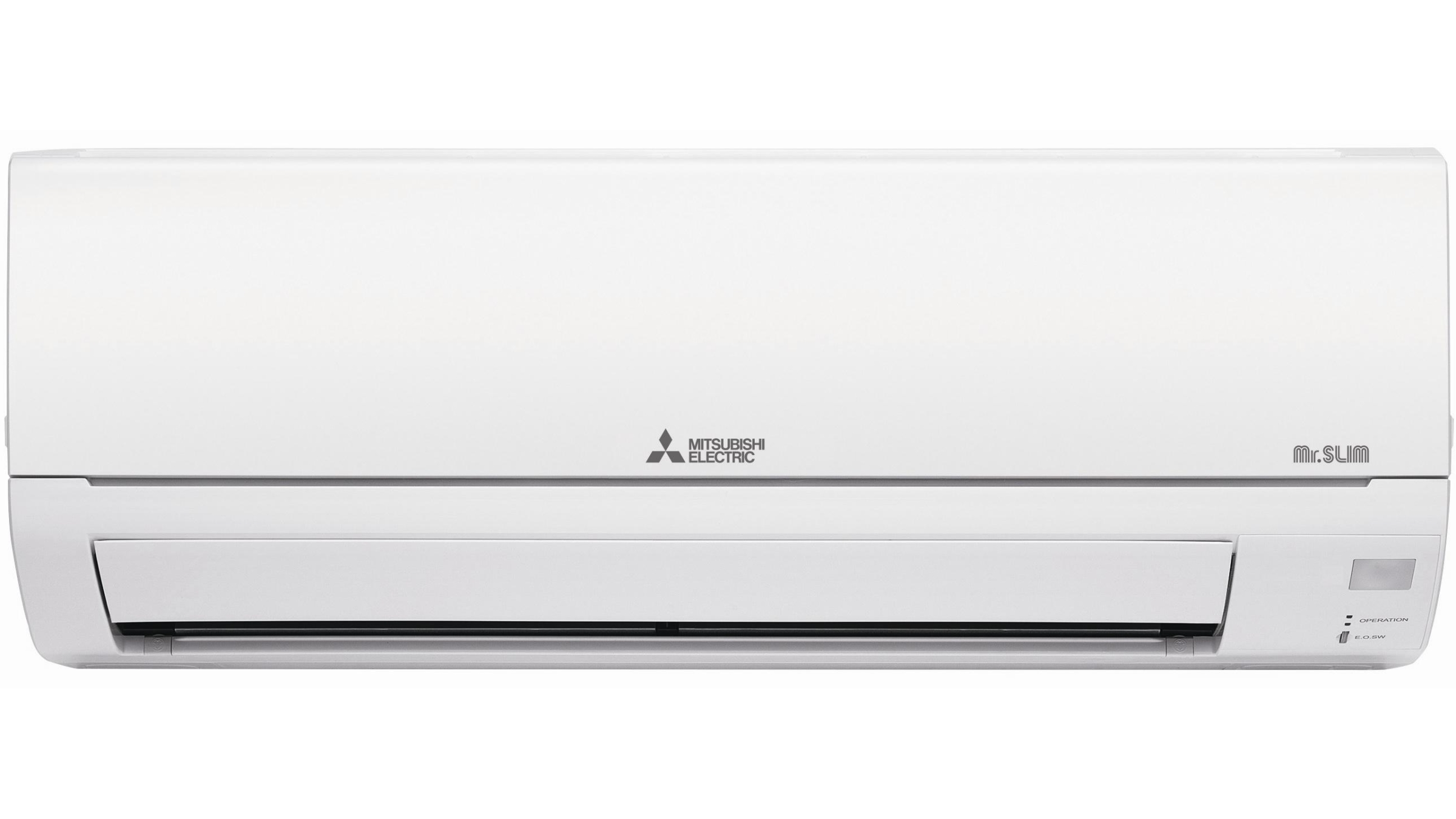
Mitsubishi Electric Split Type Air Conditioner
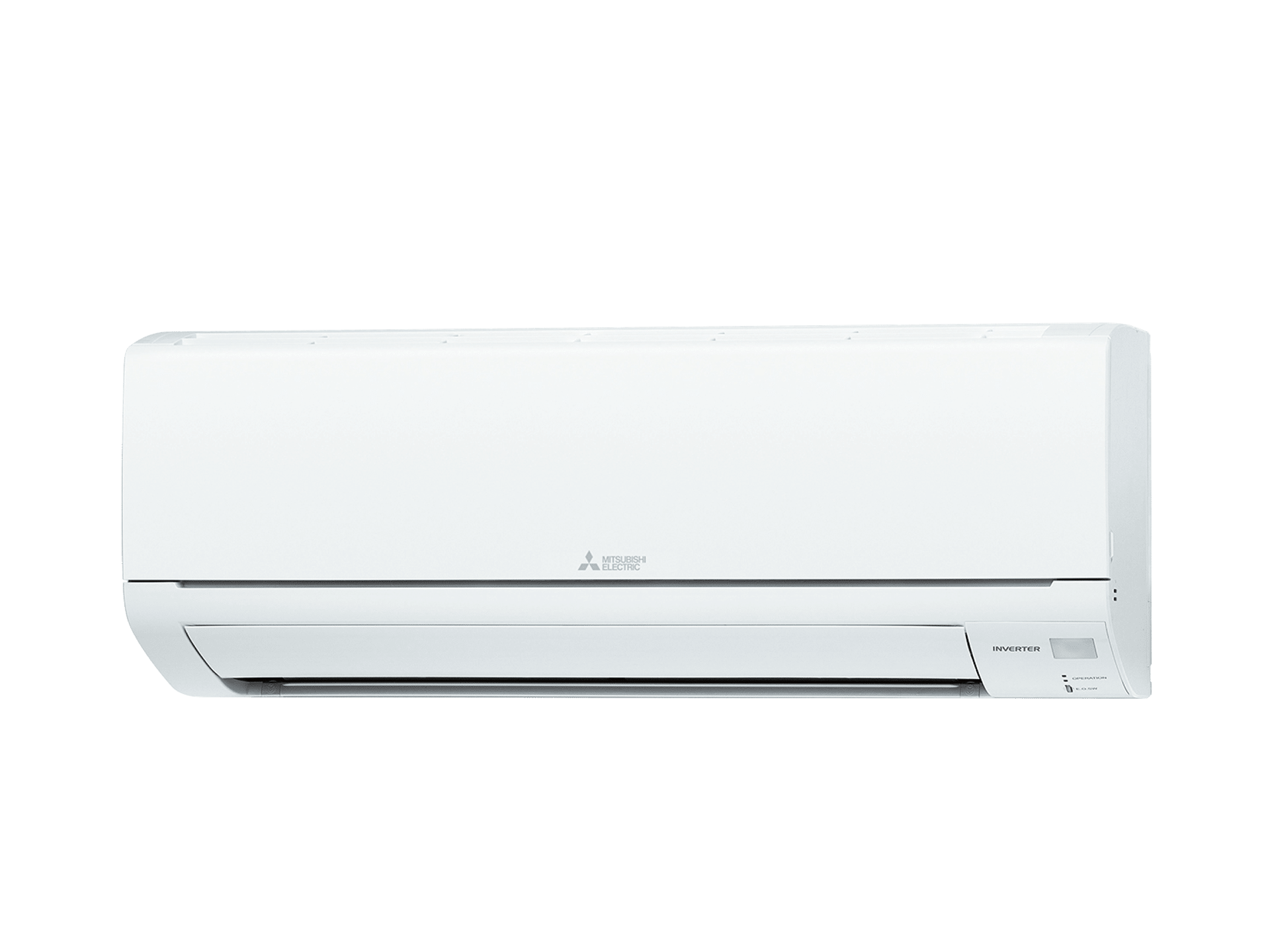
One of the most frustrating household experiences is when your air conditioner suddenly stops working, especially during the hottest days. A Mitsubishi Electric split-type air conditioner, known for its efficiency and reliability, can sometimes face common issues. Before calling a technician, there are a few troubleshooting steps you can safely try yourself. This guide will walk you through them.
Initial Checks: Is it Really Broken?
Before diving into technical troubleshooting, let's rule out some obvious culprits. Sometimes, the solution is simpler than you think.
1. Power Supply
Always prioritize safety. Before touching anything electrical, ensure your hands are dry.
- Check the Power Outlet: Is the air conditioner plugged in securely? Test the outlet with another device (like a lamp) to confirm it's working.
- Circuit Breaker: Locate the circuit breaker panel for your home. Look for the breaker labeled "Air Conditioner" or a similar designation. If the breaker is tripped (in the "off" or middle position), flip it to the "off" position first, then back to the "on" position.
- Power Cord: Inspect the power cord for any visible damage, such as cuts, frays, or exposed wires. If you see any damage, do not use the air conditioner. Call a qualified electrician.
2. Remote Control and Settings
Sometimes, the problem isn't with the unit itself but with how it's being controlled.
- Remote Batteries: Replace the batteries in your remote control. Weak batteries can cause erratic behavior or prevent the remote from communicating with the air conditioner.
- Correct Mode: Ensure the air conditioner is set to the correct mode (Cool, Heat, Auto, Dry, Fan). Accidentally setting it to "Fan" will only circulate air, not cool it.
- Temperature Setting: Make sure the temperature is set low enough. A setting of 75°F (24°C) might not feel cool enough on a very hot day. Try lowering the temperature a few degrees.
- Timer Settings: Check if a timer is activated. The air conditioner might be set to turn off automatically at a specific time. Disable or adjust the timer settings.
3. Airflow Obstruction
Restricted airflow can severely impact the air conditioner's performance.
- Indoor Unit Filters: This is the most common cause of reduced cooling. Locate the air filters on the indoor unit (usually behind a front panel that can be opened). Remove the filters and clean them thoroughly with a vacuum cleaner or wash them with mild soap and water. Ensure the filters are completely dry before re-installing them. Dirty filters restrict airflow, causing the unit to work harder and less efficiently. Clean these every 1-3 months, depending on usage.
- Outdoor Unit Obstruction: Check the outdoor unit for any obstructions, such as leaves, branches, or debris. Clear away any visible obstructions to allow for proper airflow. Be careful not to damage the fins on the condenser coil.
Troubleshooting Specific Problems
If the initial checks don't resolve the issue, let's look at some specific problems and their potential solutions.
1. Air Conditioner Not Cooling
If the air conditioner is running but not cooling effectively, consider these possibilities:
- Dirty Air Filters (Again!): It's worth reiterating – dirty air filters are a prime suspect. Ensure they are clean.
- Refrigerant Leak: If the air conditioner is blowing warm air or not cooling at all, it could be a refrigerant leak. This requires professional attention. Do not attempt to handle refrigerant yourself. Signs of a leak might include ice buildup on the refrigerant lines or a hissing sound.
- Condenser Coil Issues: The condenser coil (located in the outdoor unit) dissipates heat. If it's dirty or damaged, it won't work efficiently. You can gently clean the coil with a garden hose, being careful not to bend the fins. If the fins are bent significantly, consult a professional.
- Compressor Problems: The compressor is the heart of the air conditioning system. If it fails, the unit won't cool. Compressor problems are complex and require professional diagnosis and repair.
2. Air Conditioner is Leaking Water
Water leaks can be caused by several factors:
- Clogged Drain Line: The condensate drain line removes water that condenses during the cooling process. If it's clogged, water can back up and leak inside. You can try clearing the drain line by using a wet/dry vacuum to suck out any debris. Locate the drain line (usually a PVC pipe near the indoor unit) and attach the vacuum hose to it. If you're uncomfortable doing this, call a professional.
- Frozen Evaporator Coil: If the evaporator coil (located in the indoor unit) freezes, it can cause water to leak when it thaws. This is often caused by restricted airflow (dirty filters) or a refrigerant leak. Clean the filters first. If the problem persists, call a professional to check the refrigerant levels.
- Improper Installation: In some cases, leaks can be due to improper installation of the drain line. This requires professional correction.
3. Air Conditioner is Making Unusual Noises
Unusual noises can indicate a variety of problems:
- Rattling: Rattling noises could be caused by loose parts, such as screws or panels. Check the indoor and outdoor units for any loose components and tighten them if possible.
- Buzzing: Buzzing noises can be caused by electrical problems, such as a loose connection or a failing capacitor. Electrical problems are best left to professionals.
- Hissing: A hissing sound could indicate a refrigerant leak. As mentioned earlier, refrigerant leaks require professional attention.
- Grinding: Grinding noises can indicate a problem with the motor or fan. Motor and fan repairs typically require professional expertise.
4. Air Conditioner Turns On and Off Repeatedly (Short Cycling)
Short cycling is when the air conditioner turns on and off frequently, without completing a full cooling cycle.
- Dirty Air Filters: Again, start with the filters! Restricted airflow can cause the unit to overheat and shut down prematurely.
- Oversized Unit: If the air conditioner is too large for the room, it can cool the space too quickly and then shut off, leading to short cycling. This is a design issue that may require replacing the unit with a smaller one. Consult with an HVAC professional.
- Refrigerant Issues: Low refrigerant levels can also cause short cycling. This requires professional diagnosis and repair.
- Electrical Problems: Electrical issues, such as a failing capacitor, can also contribute to short cycling. Consult with a qualified electrician.
Simple DIY Part Replacements (with Caution)
Some basic parts can be replaced by homeowners, but only if you're comfortable and confident working with tools. Always disconnect the power to the air conditioner before attempting any part replacement.
- Air Filters: As mentioned before, replacing air filters is a routine maintenance task. Purchase the correct size and type of filter for your unit.
- Capacitors (Proceed with Extreme Caution): Capacitors store electrical charge and can deliver a dangerous shock even after the unit is disconnected. This is generally not a DIY repair. However, if you are experienced with electrical work and know how to safely discharge a capacitor, you can replace it. Take photos of the wiring before disconnecting anything. Ensure the replacement capacitor has the same voltage and capacitance ratings as the original. Again, consider this a job for a professional.
- Remote Control: Replacing a faulty remote control is straightforward. Ensure the new remote is compatible with your air conditioner model.
When to Call a Professional
While some troubleshooting steps can be done yourself, there are situations where calling a qualified technician is essential. Never attempt repairs that you are uncomfortable with or that involve electricity, gas (refrigerant), or complex components.
Call a professional if:
- You suspect a refrigerant leak.
- You hear unusual noises that you can't identify or resolve.
- The air conditioner is not cooling despite cleaning the filters and checking the settings.
- You see ice buildup on the refrigerant lines.
- You are uncomfortable working with electricity.
- The problem involves the compressor, motor, or other complex components.
- You are dealing with high voltage.
- You suspect a gas leak.
- You are not sure how to proceed safely.
Preventive Maintenance Tips
Regular maintenance can help prevent many problems and extend the life of your Mitsubishi Electric split-type air conditioner.
- Clean Air Filters Regularly: Clean the air filters every 1-3 months, depending on usage.
- Clean the Outdoor Unit: Remove any debris from around the outdoor unit. Gently clean the condenser coil with a garden hose.
- Schedule Professional Maintenance: Have a qualified technician inspect and service your air conditioner annually. This can help identify potential problems early on and ensure the unit is running efficiently.
- Keep the Area Around the Units Clear: Ensure there is adequate airflow around both the indoor and outdoor units.
By following these troubleshooting steps and preventive maintenance tips, you can keep your Mitsubishi Electric split-type air conditioner running smoothly and efficiently for years to come. Remember, safety always comes first. When in doubt, call a professional!