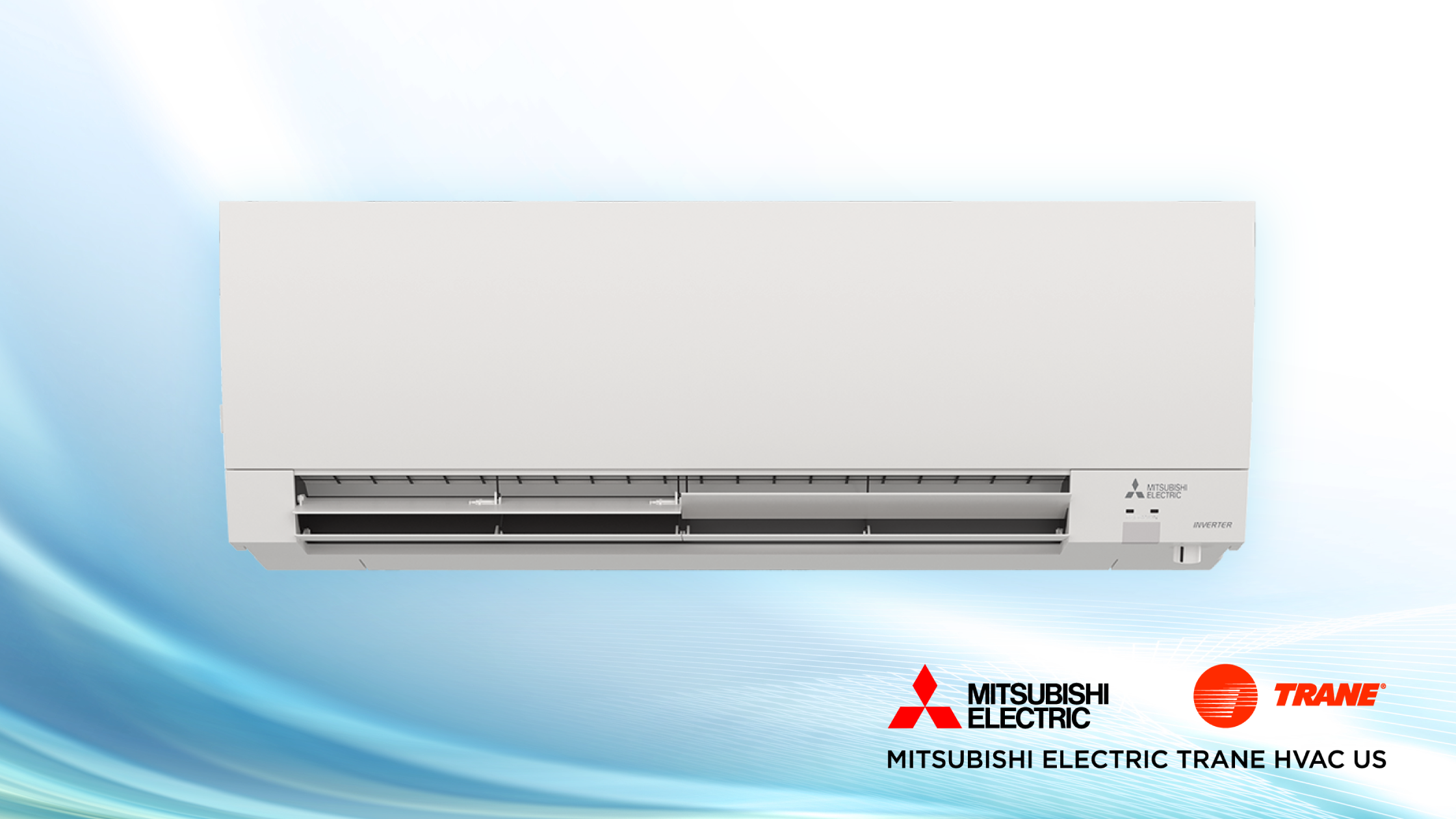
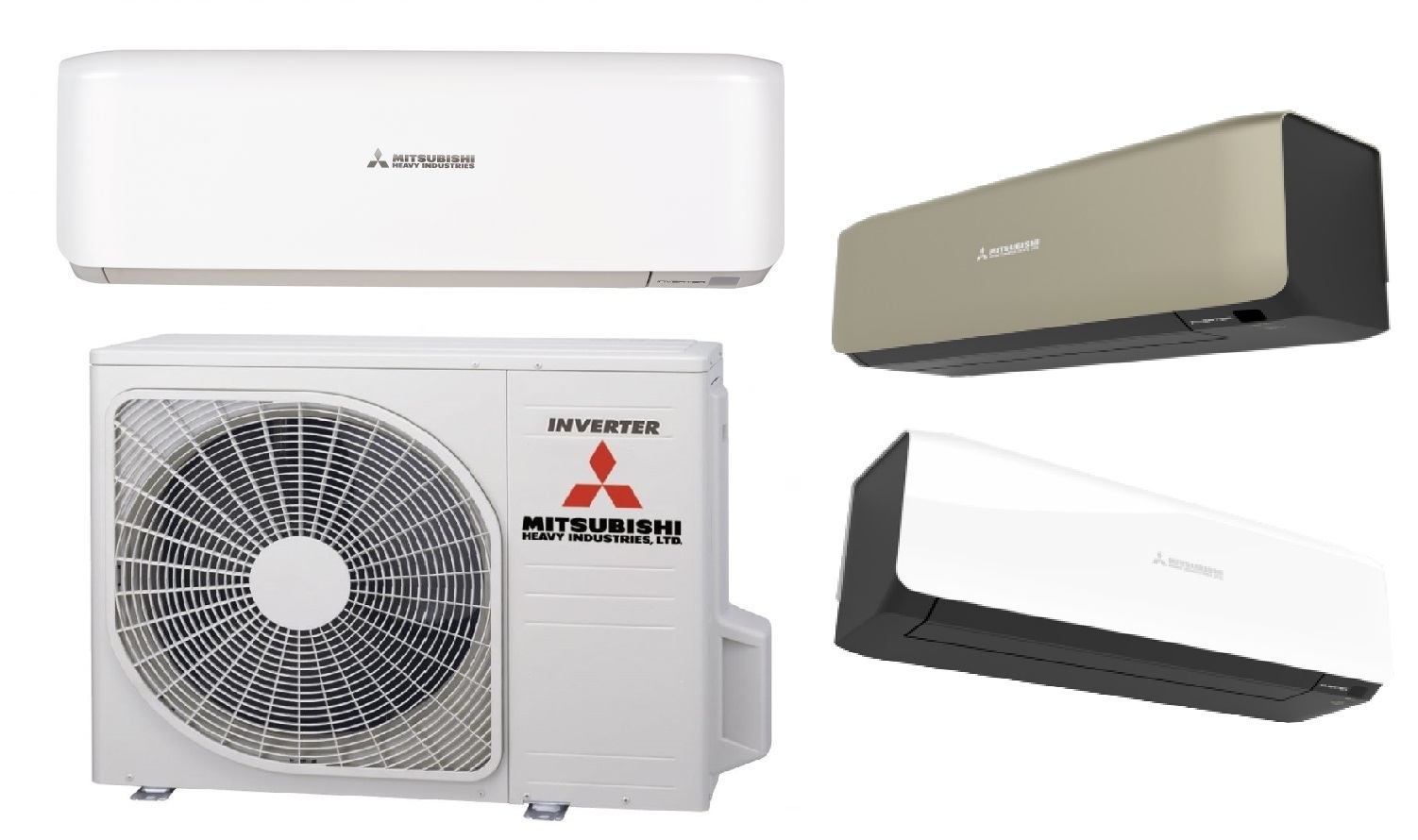
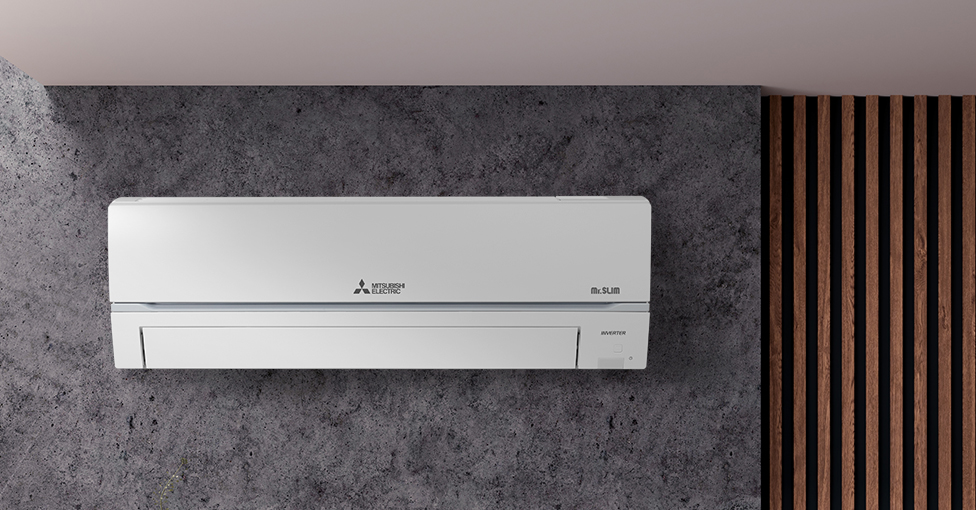
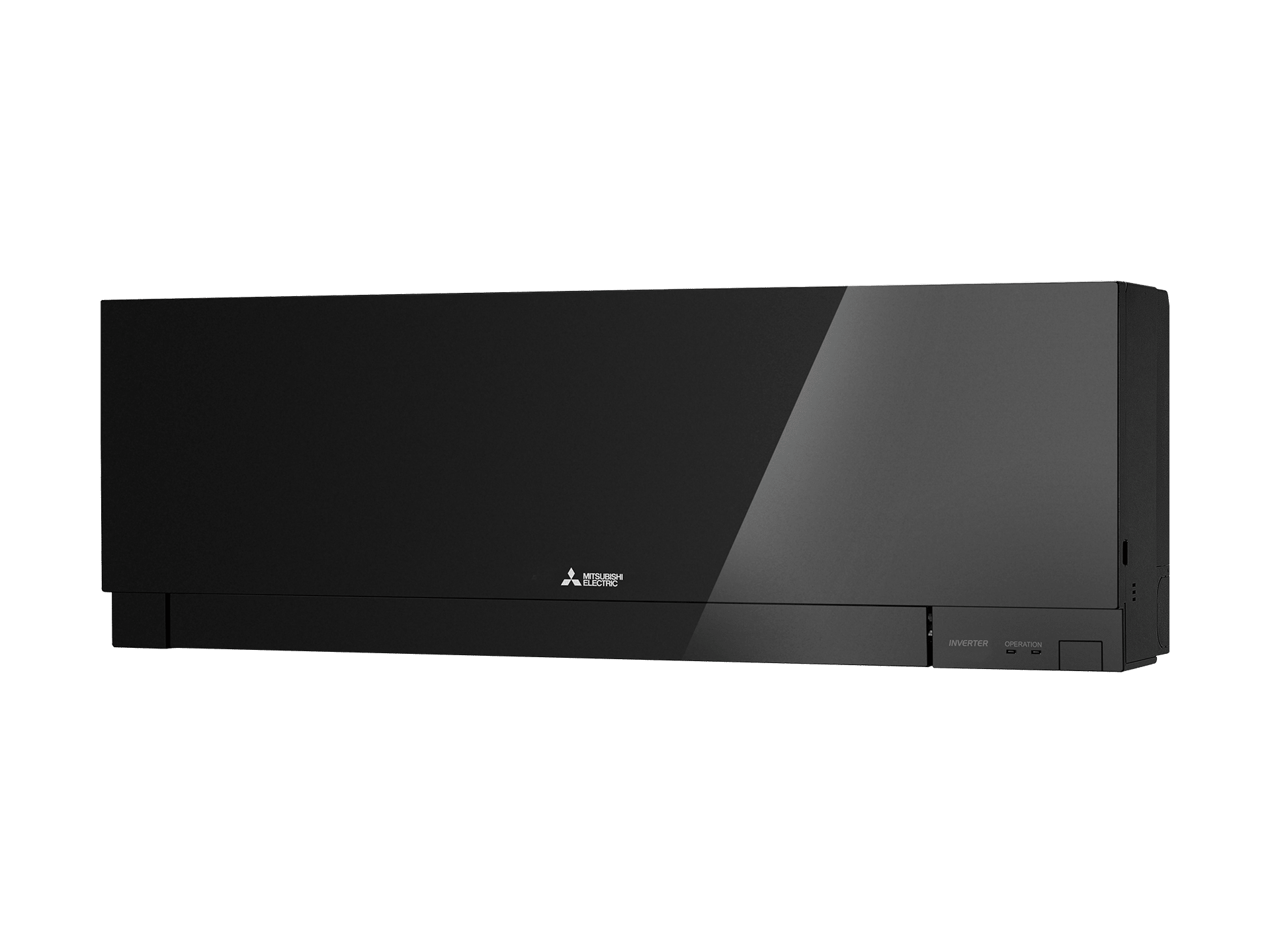
Mitsubishi Heat Air Conditioner Wall Unit

Frequently Asked Questions: Mitsubishi Heat Pump Wall Units
This FAQ provides answers to common questions about Mitsubishi Electric heat pump wall units, helping you understand their features, benefits, operation, and maintenance.
1. What exactly is a Mitsubishi Heat Pump Wall Unit and how does it work?
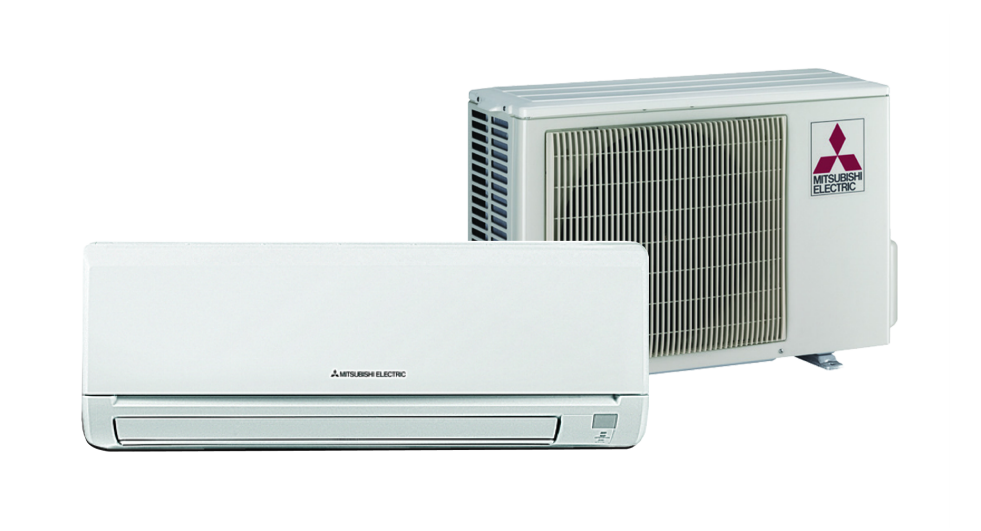
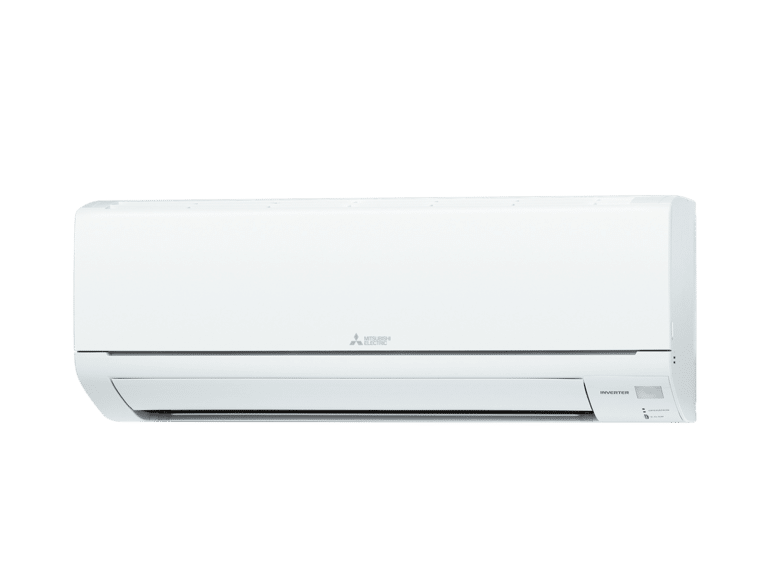
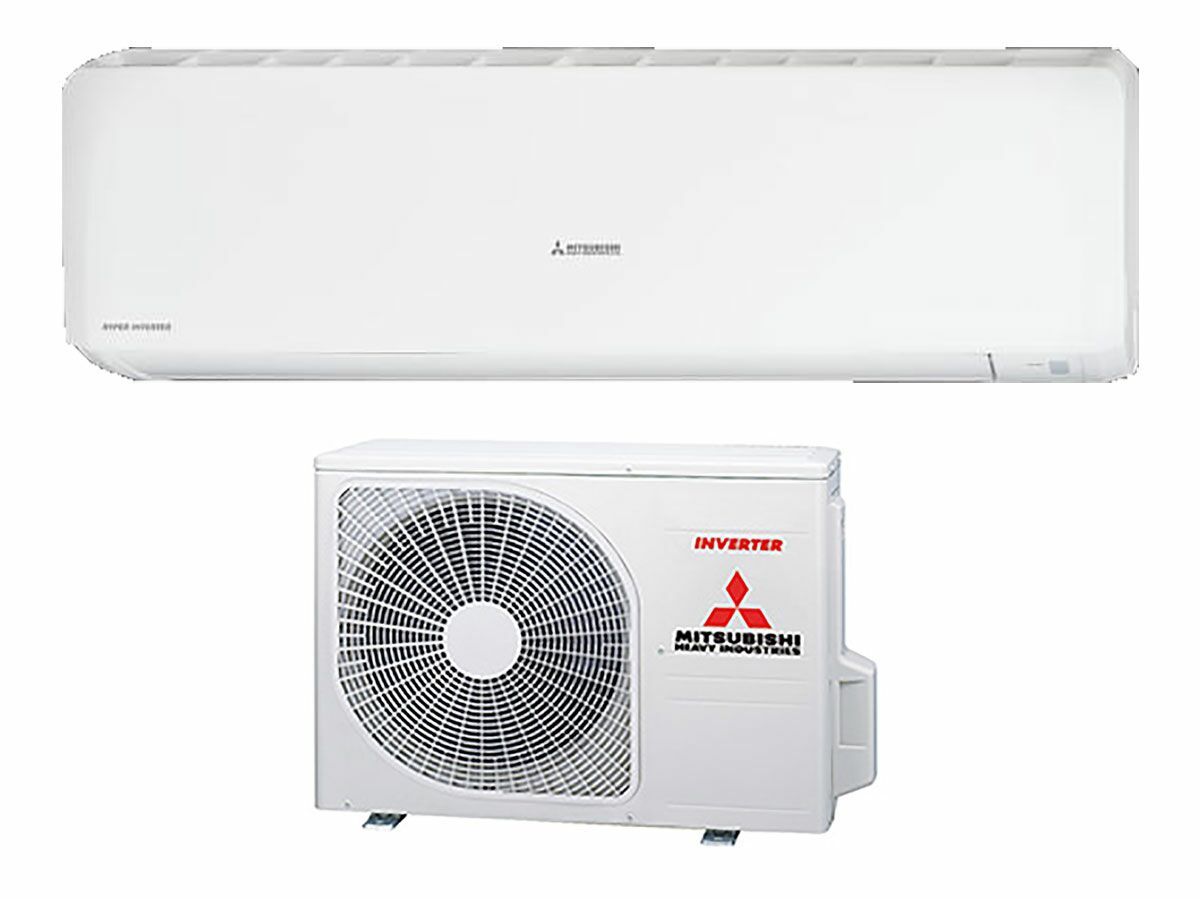
A Mitsubishi Heat Pump Wall Unit is a ductless, mini-split system used for both heating and cooling. It consists of two main components: an outdoor unit (the heat pump) and an indoor unit (the wall-mounted air handler). Unlike traditional furnaces and air conditioners that use ducts to distribute air, these units deliver conditioned air directly into the room.
Here's a simplified explanation of how it works:
- Heating Mode: In heating mode, the heat pump extracts heat from the outdoor air (even in very cold temperatures!) and transfers it indoors. Refrigerant circulates between the indoor and outdoor units, carrying the heat. The indoor unit then blows warm air into the room.
- Cooling Mode: In cooling mode, the process is reversed. The heat pump extracts heat from the indoor air and releases it outdoors. The indoor unit then blows cool air into the room.
The "heat pump" aspect is crucial because it's incredibly efficient. Instead of generating heat like a furnace, it simply moves existing heat, which requires much less energy.
2. What are the key benefits of choosing a Mitsubishi Heat Pump Wall Unit?
Mitsubishi Heat Pump Wall Units offer several compelling advantages:
- Energy Efficiency: These units are highly energy-efficient, often exceeding the efficiency of traditional heating and cooling systems. This translates to lower utility bills and a smaller carbon footprint. Look for high SEER (Seasonal Energy Efficiency Ratio) and HSPF (Heating Seasonal Performance Factor) ratings to compare models.
- Zoned Comfort: You can control the temperature in individual rooms or zones, allowing you to heat or cool only the areas you're using. This eliminates wasted energy and improves comfort.
- Quiet Operation: Mitsubishi units are renowned for their quiet operation, both indoors and outdoors. This is especially important for bedrooms and living areas.
- Easy Installation: Ductless systems are typically easier and less disruptive to install than ducted systems. They require only a small hole in the wall for refrigerant lines and electrical wiring.
- Year-Round Comfort: These units provide both heating and cooling, eliminating the need for separate heating and cooling systems.
- Advanced Filtration: Many Mitsubishi units come equipped with advanced filtration systems that remove allergens, dust, and other pollutants from the air, improving indoor air quality.
- Smart Controls: Many models offer smart features like Wi-Fi connectivity, allowing you to control the unit remotely via a smartphone app.
3. How do I choose the right size Mitsubishi Heat Pump Wall Unit for my room?
Choosing the right size unit is crucial for optimal performance and energy efficiency. An undersized unit won't be able to adequately heat or cool the room, while an oversized unit will cycle on and off frequently, wasting energy and potentially leading to uneven temperatures. It's highly recommended to consult with a qualified HVAC professional to determine the appropriate size for your specific needs.
Here are some factors that will be considered:
- Room Size: The square footage of the room is a primary factor.
- Climate: The climate in your area will affect the heating and cooling load.
- Insulation: The amount of insulation in your walls, ceiling, and windows will affect the heat loss and gain.
- Windows: The number and size of windows, as well as their orientation (facing east, west, south, or north), will impact the heat gain.
- Sun Exposure: The amount of direct sunlight the room receives will also affect the heat gain.
- Ceiling Height: Higher ceilings increase the volume of air that needs to be conditioned.
- Number of Occupants: The number of people who typically occupy the room will affect the heating and cooling load.
- Heat-Generating Appliances: Appliances like computers, televisions, and stoves generate heat, which will need to be accounted for.
HVAC professionals use these factors to calculate the required BTU (British Thermal Units) rating for the unit. Using these factors, a professional will select a system that is suitable for the space.
4. What maintenance is required for a Mitsubishi Heat Pump Wall Unit?
Regular maintenance is essential to ensure optimal performance, energy efficiency, and longevity of your Mitsubishi Heat Pump Wall Unit. Here's a breakdown of the key maintenance tasks:
- Air Filter Cleaning/Replacement: This is the most important maintenance task. Clean or replace the air filters every 1-3 months, depending on usage and air quality. Dirty filters restrict airflow, reduce efficiency, and can damage the unit. Check the filter type that your unit requires and replace accordingly.
- Outdoor Unit Cleaning: Periodically clean the outdoor unit to remove leaves, debris, and other obstructions that can block airflow. Use a garden hose to gently spray the coils and fins. Turn off the unit and disconnect the power before cleaning.
- Coil Cleaning: Have the indoor and outdoor coils professionally cleaned every 1-2 years. This will remove accumulated dirt and grime that can reduce efficiency.
- Refrigerant Check: Have a qualified HVAC technician check the refrigerant level every few years. Low refrigerant can indicate a leak and will reduce the unit's performance.
- Inspect Electrical Connections: Periodically inspect the electrical connections to ensure they are tight and secure. Loose connections can cause overheating and damage.
- Condensate Drain Cleaning: The condensate drain can become clogged with algae and debris. Clean the drain annually to prevent water damage.
- Professional Inspection: Schedule a professional inspection and tune-up every year or two. A technician can identify and address potential problems before they become major issues.
Consult your owner's manual for specific maintenance recommendations for your model.
5. How much does a Mitsubishi Heat Pump Wall Unit cost to install and operate?
The cost of a Mitsubishi Heat Pump Wall Unit can vary depending on several factors:
- Unit Size and Features: Larger units with more features will generally cost more.
- Installation Complexity: The complexity of the installation can affect the labor costs. Factors like the distance between the indoor and outdoor units, the difficulty of running refrigerant lines, and the need for electrical upgrades can all increase the installation cost.
- Location: Labor costs and material prices can vary depending on your location.
- Number of Zones: If you are installing multiple units for zoned comfort, the overall cost will be higher.
Expect to pay anywhere from $3,000 to $8,000 or more for a complete system, including the unit and installation. Get quotes from multiple qualified HVAC contractors to compare prices.
The operating cost will depend on several factors:
- Energy Efficiency: Higher SEER and HSPF ratings indicate greater energy efficiency and lower operating costs.
- Electricity Rates: Your local electricity rates will directly impact your operating costs.
- Usage: The amount you use the unit will affect your energy consumption.
- Climate: Colder climates will require more heating, resulting in higher energy bills.
- Insulation: Good insulation will reduce heat loss and gain, lowering your heating and cooling costs.
While the initial investment may be higher than traditional systems, the long-term energy savings can often offset the difference.
6. My Mitsubishi Heat Pump Wall Unit is making strange noises. What should I do?
Strange noises from your heat pump can indicate a variety of problems. Here's a breakdown of common noises and potential causes:
- Banging or Clanging: This could indicate loose parts, such as fan blades or refrigerant lines. Turn off the unit and contact a qualified HVAC technician immediately.
- Hissing or Bubbling: This could indicate a refrigerant leak. Refrigerant is essential for the unit's operation, and a leak can cause reduced performance and potential damage. Turn off the unit and contact a qualified HVAC technician immediately.
- Grinding or Squealing: This could indicate a problem with the motor bearings or other moving parts. Turn off the unit and contact a qualified HVAC technician immediately.
- Clicking: Occasional clicking is normal as the unit cycles on and off. However, continuous clicking could indicate a problem with the electrical components.
- Buzzing: This could indicate a loose electrical connection or a problem with the compressor.
In general, if you hear any unusual noises from your heat pump, it's best to err on the side of caution and contact a qualified HVAC technician for an inspection. Do not attempt to repair the unit yourself, as this could be dangerous and void the warranty.
7. Where can I find a qualified HVAC technician to install or service my Mitsubishi Heat Pump Wall Unit?
Finding a qualified HVAC technician is essential for proper installation and maintenance of your Mitsubishi Heat Pump Wall Unit. Look for technicians who are:
- Licensed and Insured: Ensure the technician is licensed to perform HVAC work in your area and carries adequate insurance.
- Experienced with Mitsubishi Products: Look for technicians who have experience installing and servicing Mitsubishi Electric heat pump systems. Ideally, they should be a Mitsubishi Electric Diamond Contractor.
- Certified: NATE (North American Technician Excellence) certification is a good indicator of a technician's knowledge and skills.
- Reputable: Check online reviews and ask for references from previous customers.
- Offer a Warranty: A reputable technician will offer a warranty on their work.
- Provide a Written Estimate: Get a written estimate before any work is performed.
You can find qualified technicians through the Mitsubishi Electric website, online directories, or by asking for recommendations from friends and neighbors. When you find the technician, ask questions and verify that they are the appropriate expert.