Mitsubishi Mini Split Blowing Cold Air On Heat
One of the most common complaints about ductless mini-split systems, particularly during the colder months, is that they sometimes blow cold air when set to heat. This unexpected blast of chilly air can be alarming and uncomfortable. Understanding why this happens and how to address it is crucial for homeowners, contractors, and anyone considering investing in or maintaining a mini-split system.
Understanding Why Your Mitsubishi Mini-Split is Blowing Cold Air on Heat
Several factors can contribute to a Mitsubishi mini-split blowing cold air while in heating mode. It's rarely a sign of total system failure, but rather an indication of a specific process or issue within the unit.
Defrost Cycle
The most frequent cause of cold air is the defrost cycle. Like heat pumps, mini-splits extract heat from the outside air, even when temperatures are low. During this process, frost can accumulate on the outdoor unit's coils. To prevent ice buildup from hindering performance, the system automatically initiates a defrost cycle. During defrost, the unit temporarily reverses the flow of refrigerant, essentially turning the system to cooling mode for a short period to warm the coils and melt the frost. This is why you might experience cold air blowing from the indoor unit.
Is it Normal? Yes, the defrost cycle is a normal and necessary function for heat pumps and mini-splits operating in cold climates. The frequency and duration of defrost cycles depend on factors such as outside temperature and humidity levels. In very cold conditions, defrost cycles will occur more often.
Refrigerant Levels
Another potential reason for cold air blowing is low refrigerant levels. Refrigerant is the lifeblood of the system, responsible for transferring heat. If the refrigerant charge is insufficient due to a leak or improper installation, the system won't be able to effectively extract heat from the outside air, resulting in insufficient or cold air being delivered indoors.
Faulty Thermistor
A thermistor is a temperature-sensitive resistor used in the system to monitor and regulate temperatures. A faulty thermistor might provide incorrect temperature readings to the control board, causing the system to operate improperly and potentially initiate cooling when heating is required, or mismanage the defrost cycle.
Compressor Issues
The compressor is the heart of the mini-split system, responsible for compressing the refrigerant and circulating it throughout the system. If the compressor is failing or malfunctioning, it may not be able to effectively compress the refrigerant, leading to reduced heating capacity and potentially cold air blowing. Issues can range from a hard start kit malfunction to a complete compressor failure.
Control Board Malfunction
The control board is the brain of the mini-split, managing all the system's functions. A malfunctioning control board can cause a variety of problems, including incorrect mode selection, improper fan speed control, and failure to initiate the defrost cycle correctly. This can lead to the system blowing cold air when it should be heating.
Improper Installation
Incorrect installation can lead to numerous problems, including refrigerant leaks, improper wiring, and inadequate insulation. These issues can significantly impact the system's performance and efficiency, and contribute to cold air blowing. Always ensure your mini-split is installed by a qualified and licensed HVAC technician.
Troubleshooting Your Mitsubishi Mini-Split
Before calling a technician, you can try a few basic troubleshooting steps:
- Check the Thermostat Settings: Ensure the thermostat is set to "Heat" mode and the desired temperature is higher than the current room temperature.
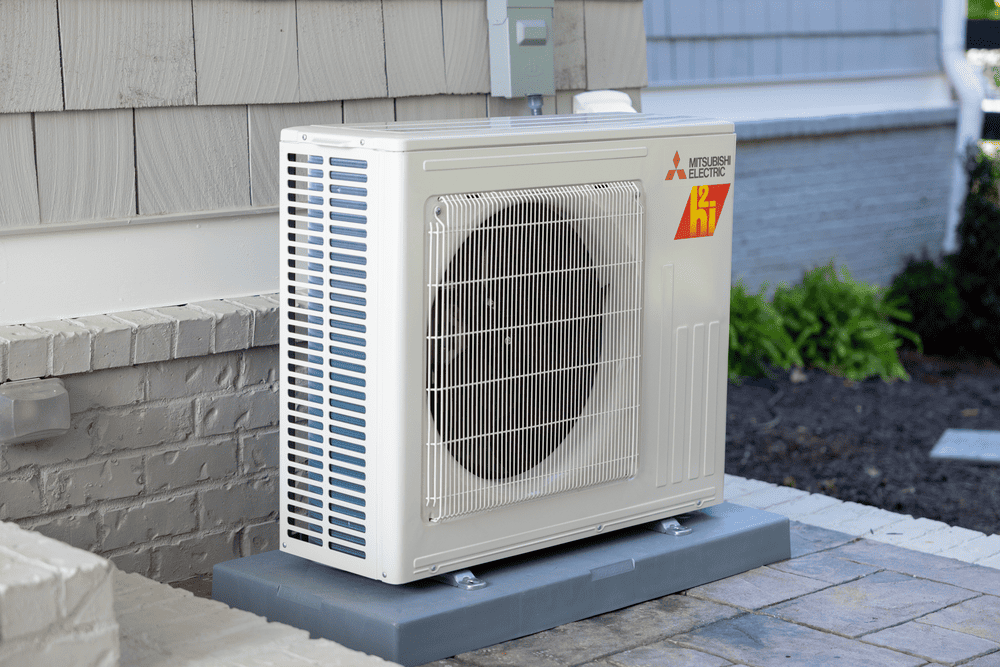
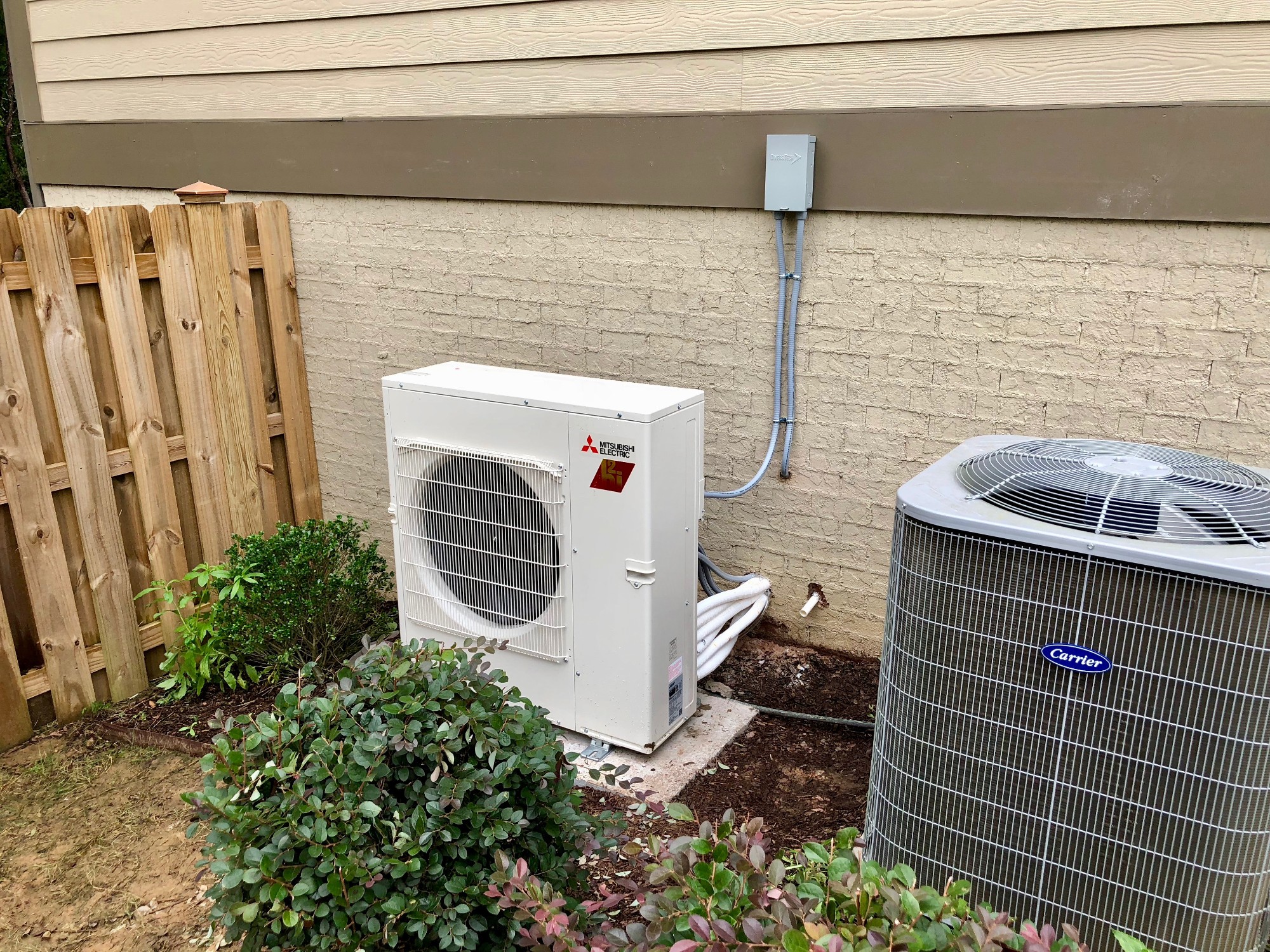
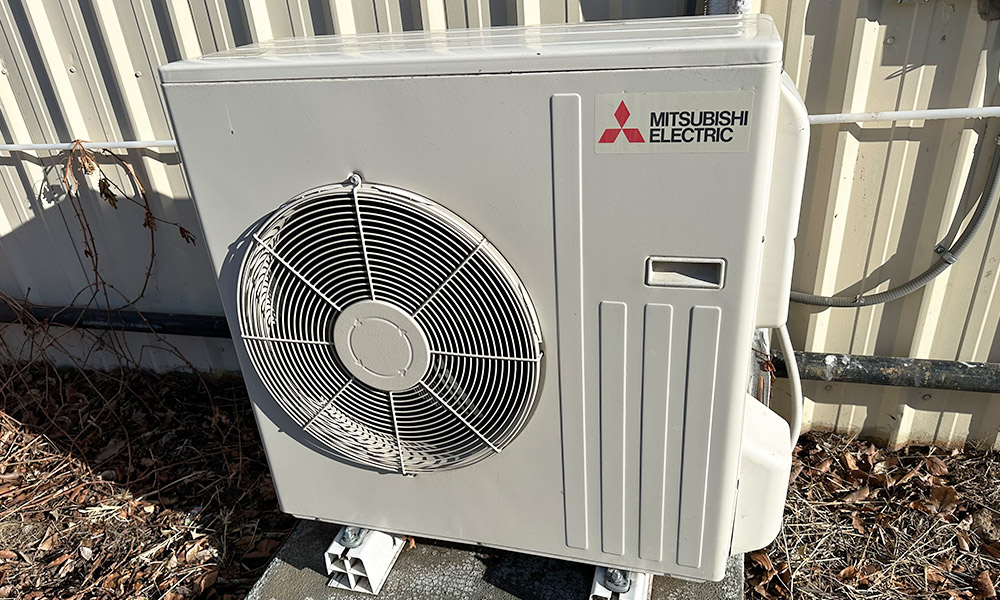
- Inspect the Outdoor Unit: Look for excessive ice buildup on the outdoor unit. If there's a large amount of ice, the defrost cycle may not be functioning correctly.
- Clean the Filters: Dirty air filters can restrict airflow and impact the system's performance. Clean or replace the filters regularly according to the manufacturer's recommendations.
- Power Cycle the System: Turn off the system at the breaker for a few minutes and then turn it back on. This can sometimes reset the control board and resolve minor issues.
If these steps don't resolve the problem, it's best to contact a qualified HVAC technician to diagnose and repair the issue.
Maintenance and Prevention
Regular maintenance can help prevent many of the issues that cause mini-splits to blow cold air on heat:
- Annual Professional Maintenance: Schedule annual maintenance with a qualified HVAC technician. They can inspect the system for refrigerant leaks, clean the coils, check the electrical connections, and ensure all components are functioning properly.
- Clean Air Filters Regularly: Clean or replace air filters every 1-3 months, depending on usage and air quality.
- Keep the Outdoor Unit Clear: Ensure the outdoor unit is free from obstructions such as leaves, snow, and debris.
Comparing Mitsubishi Mini-Split Models
Mitsubishi offers a wide range of mini-split systems with varying features and performance levels. Here's a brief comparison of some popular models:
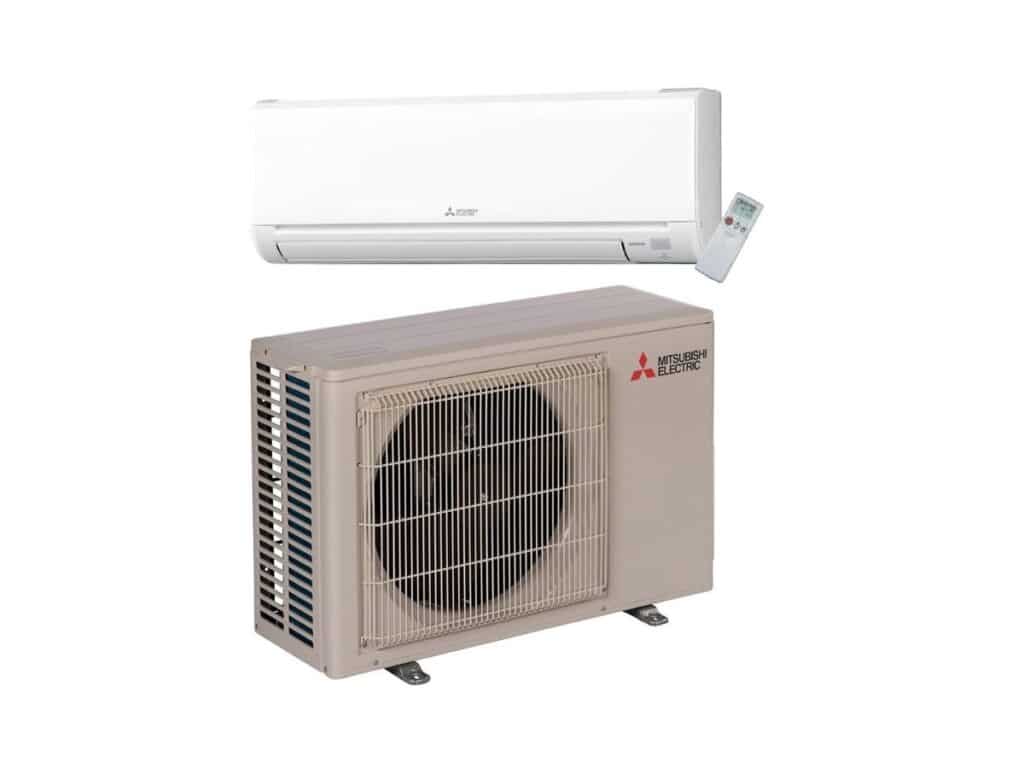
Mitsubishi M-Series
The M-Series is a popular choice for residential applications, offering a balance of performance, efficiency, and affordability. These units typically feature SEER ratings ranging from 16 to 23 and HSPF ratings from 9 to 12, providing excellent energy efficiency. AFUE is not directly applicable to heat pumps and mini-splits as they use electricity to transfer heat rather than burning fuel to create it.
Mitsubishi P-Series
The P-Series is designed for light commercial applications and larger residential spaces. These units offer higher heating and cooling capacities and may include features such as zoning capabilities and advanced control options. Expect similar SEER and HSPF ratings to the M-Series, though these often prioritize performance and capacity over peak efficiency.
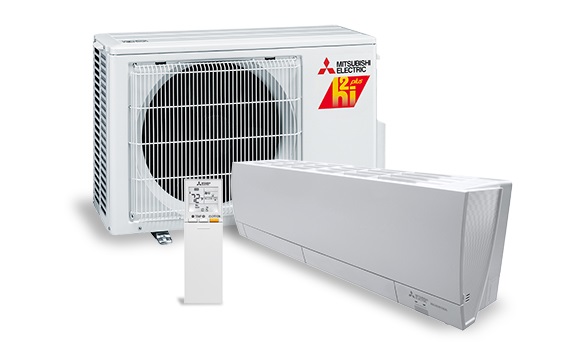
Mitsubishi Hyper-Heating INVERTER (H2i)
The H2i series is specifically designed for cold climates, offering superior heating performance at low outdoor temperatures. These units feature advanced technology that allows them to maintain their heating capacity even when temperatures drop below freezing. This technology minimizes the need for supplemental heat and reduces the likelihood of the system blowing cold air during the defrost cycle. HSPF ratings are typically at the higher end of the spectrum.
Warranty Information
Mitsubishi mini-split systems typically come with a 5-year warranty on parts and a 7-year warranty on the compressor. However, the exact warranty terms may vary depending on the model and installation circumstances. It's essential to register your system with Mitsubishi and have it installed by a qualified technician to ensure the warranty is valid.
The Cost of a Mitsubishi Mini-Split System
The cost of a Mitsubishi mini-split system can vary depending on the size, features, and installation requirements. A single-zone system for a small room may cost between $3,000 and $5,000 installed, while a multi-zone system for a larger home can cost $8,000 or more. Keep in mind that these are rough estimates, and the actual cost may vary depending on your location and the specific installation requirements.
Alternatives to Mitsubishi Mini-Splits
While Mitsubishi is a leading brand in the mini-split market, other reputable manufacturers offer similar systems. Some popular alternatives include:
- Daikin: Daikin is another Japanese manufacturer known for its high-quality mini-split systems and innovative technology.
- LG: LG offers a wide range of mini-split systems with various features and price points.
- Fujitsu: Fujitsu is known for its energy-efficient mini-split systems and reliable performance.
- Carrier: Carrier is a well-established HVAC brand that also offers mini-split systems, including those using Puron refrigerant.
When choosing a mini-split system, consider your specific needs and budget. Compare features, efficiency ratings, and warranty terms to find the best option for your home or business.
Conclusion
Experiencing cold air from your Mitsubishi mini-split while in heating mode can be concerning, but it's often a result of the normal defrost cycle. Understanding the reasons behind this phenomenon and taking steps to maintain your system can help ensure optimal performance and comfort. If the issue persists, consulting a qualified HVAC technician is always recommended to diagnose and resolve any underlying problems. Remember to prioritize proper installation and regular maintenance to maximize the lifespan and efficiency of your investment.