Mixing Valves Control The Final Temperature Of Radiant Loops
Radiant heating systems offer unparalleled comfort and energy efficiency, delivering warmth directly to surfaces rather than heating the air. At the heart of these systems lies a crucial component: the mixing valve. This seemingly simple device plays a pivotal role in ensuring optimal performance and preventing damage by precisely controlling the water temperature circulating through the radiant loops.
Understanding Radiant Heating Systems
Before diving into the specifics of mixing valves, let's briefly review radiant heating systems. These systems typically involve circulating heated water (or sometimes other fluids) through tubing embedded in floors, walls, or ceilings. As the warm water flows, it radiates heat into the surrounding space, providing consistent and comfortable warmth. This method eliminates drafts and uneven temperature distribution often associated with forced-air systems.
The heat source for a radiant system can vary. Common options include:
- Boilers: Traditional and highly efficient, boilers heat water to a specific temperature and circulate it through the system.
- Heat Pumps: Increasingly popular, heat pumps offer efficient heating and cooling by transferring heat from one location to another. Geothermal heat pumps are particularly efficient for radiant applications.
- Solar Thermal Collectors: Harnessing the sun's energy, solar thermal collectors can provide a sustainable heat source for radiant systems.
The Role of the Mixing Valve
While the heat source generates the hot water, it's the mixing valve's job to ensure that the water circulating through the radiant loops is at the correct temperature. This is critical for several reasons:
- Preventing Overheating: Directing high-temperature water (e.g., 180°F from a boiler) into a radiant floor could cause discomfort, damage floor coverings (especially wood), and lead to excessive heat loss.
- Optimizing Comfort: Different zones within a building may require different temperatures. A mixing valve allows for fine-tuning the water temperature to match the specific needs of each zone.
- Protecting System Components: Exposing certain components, such as PEX tubing, to excessively high temperatures can shorten their lifespan and even lead to failure.
- Improving Efficiency: Maintaining the optimal water temperature for radiant heating maximizes the system's efficiency, reducing energy consumption and lowering utility bills.
Types of Mixing Valves
Several types of mixing valves are available, each with its own characteristics and applications. The most common types include:
Manual Mixing Valves
These are the simplest and least expensive type of mixing valve. They require manual adjustment to control the hot and cold water mix. While affordable, manual valves require constant monitoring and adjustment to maintain the desired temperature. They are best suited for smaller, less demanding systems where temperature fluctuations are less critical.
Thermostatic Mixing Valves (TMVs)
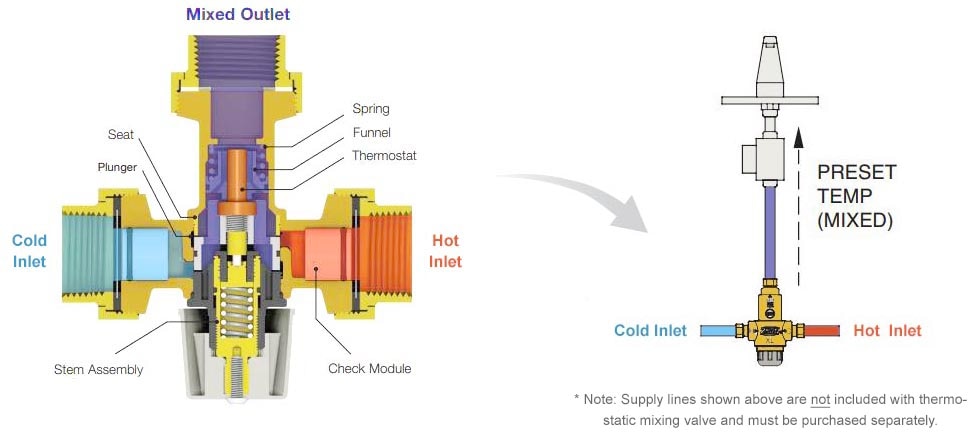
TMVs are more sophisticated than manual valves. They automatically adjust the hot and cold water mix based on a preset temperature. A thermostatic element within the valve expands or contracts in response to temperature changes, regulating the flow of hot and cold water to maintain the desired output temperature. TMVs offer better temperature control and are suitable for a wide range of radiant heating applications.
Motorized Mixing Valves
These valves use an electric motor to control the mixing of hot and cold water. They are often integrated with a building automation system (BAS) or a smart thermostat, allowing for precise temperature control and remote adjustments. Motorized mixing valves offer the highest level of control and are ideal for larger, more complex radiant heating systems where zone-by-zone temperature management is essential. For example, in a large commercial building, a BAS could monitor the outdoor air temperature and adjust the water temperature in the radiant floor system accordingly, minimizing energy consumption while maintaining occupant comfort.
How Mixing Valves Work
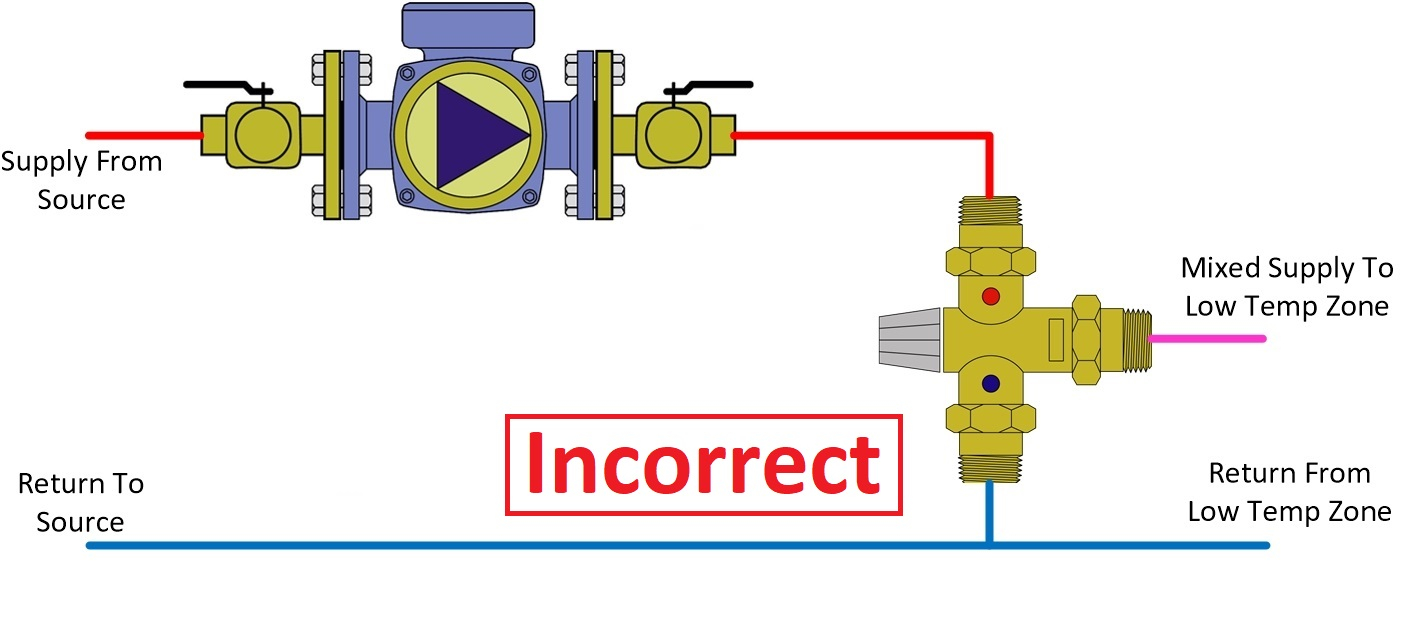
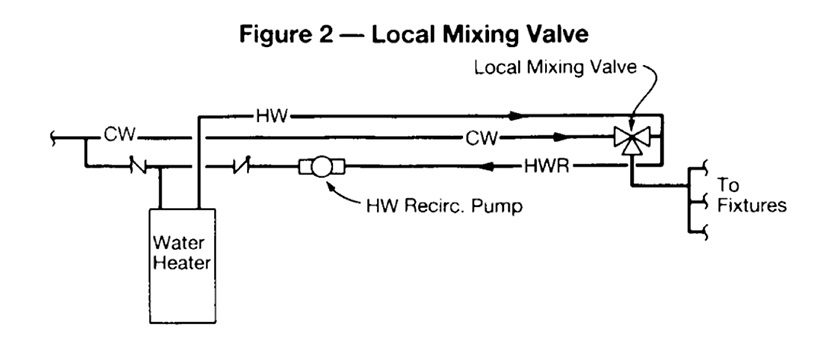
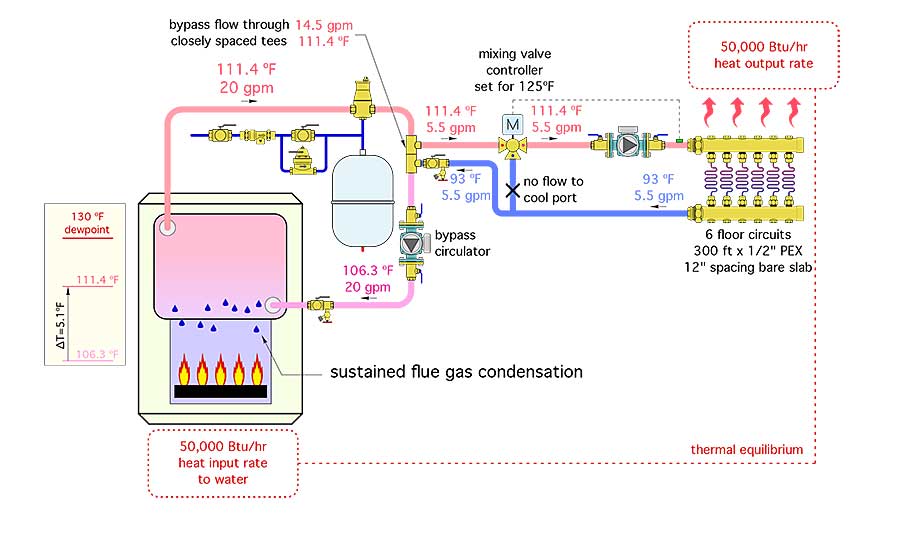
The basic principle behind all mixing valves is the same: they blend hot water from the heat source with cooler return water from the radiant loops to achieve the desired supply temperature. The valve modulates the flow of hot and cold water based on the temperature setting (manual or automatic). The mixed water then flows into the radiant loops, delivering consistent and comfortable heat.
Consider a scenario where a boiler is heating water to 180°F. If the desired water temperature for the radiant floor is 120°F, the mixing valve will blend a portion of the 180°F water with cooler return water (e.g., 90°F) to achieve the target 120°F. This ensures that the floor surface remains at a comfortable temperature and prevents overheating.
Installation and Maintenance
Proper installation is crucial for the optimal performance and longevity of a mixing valve. It's essential to consult with a qualified HVAC technician to ensure the valve is correctly sized, installed, and configured for your specific radiant heating system. The technician will consider factors such as the size of the radiant loops, the heat source capacity, and the desired temperature settings.
Regular maintenance is also important. This typically involves:
- Inspecting the valve for leaks or corrosion.
- Cleaning the valve to remove any debris or mineral buildup.
- Checking the temperature settings and making adjustments as needed.
- Testing the valve's functionality to ensure it is responding correctly to temperature changes.
For motorized mixing valves, it's also important to check the motor and wiring for any signs of damage.
Cost, Efficiency, and Lifespan
The cost of a mixing valve varies depending on the type and size. Manual valves are the least expensive, while motorized valves are the most expensive. TMVs typically fall in between. Installation costs will also vary depending on the complexity of the system and the labor rates in your area.
In terms of efficiency, mixing valves themselves don't directly consume energy. However, they play a critical role in optimizing the overall efficiency of the radiant heating system. By maintaining the correct water temperature, they prevent energy waste and ensure that the system operates at its peak performance. A properly configured and maintained mixing valve can significantly reduce your energy bills.
The lifespan of a mixing valve can vary depending on the quality of the valve, the water quality, and the maintenance practices. With proper care, a high-quality mixing valve can last for 10-15 years or even longer.
Choosing the Right Mixing Valve
Selecting the right mixing valve for your radiant heating system requires careful consideration of several factors:
- System Size: Larger systems require valves with higher flow rates.
- Heat Source: The type of heat source (boiler, heat pump, solar thermal) will influence the required temperature range and flow rate.
- Control Requirements: Consider whether you need manual, thermostatic, or motorized control.
- Budget: Balance the cost of the valve with its features and benefits.
Consulting with a qualified HVAC professional is highly recommended to ensure you choose the right mixing valve for your specific needs.
Conclusion
Mixing valves are an essential component of any radiant heating system. They play a crucial role in maintaining optimal temperature control, preventing damage, and maximizing energy efficiency. By understanding the different types of mixing valves and their functions, homeowners, HVAC technicians, and facility managers can make informed decisions to ensure the reliable and efficient operation of their radiant heating systems. Investing in a high-quality mixing valve and proper maintenance can significantly improve the comfort and energy performance of your radiant heating system for years to come.