Mobile Air Conditioning Units For Cars

Mobile air conditioning (AC) units are essential for comfortable driving, especially in hot weather. This guide provides a comprehensive overview of car AC systems, helping you understand how they work, common issues, maintenance tips, and factors to consider when troubleshooting or seeking repairs.
Understanding the Basics of Car AC Systems
A car's air conditioning system is a closed-loop system that circulates a refrigerant to remove heat from the cabin. Think of refrigerant as the "blood" of your AC system, carrying heat from inside to outside.
Key Components of a Car AC System
Here are the main components that work together to keep you cool:
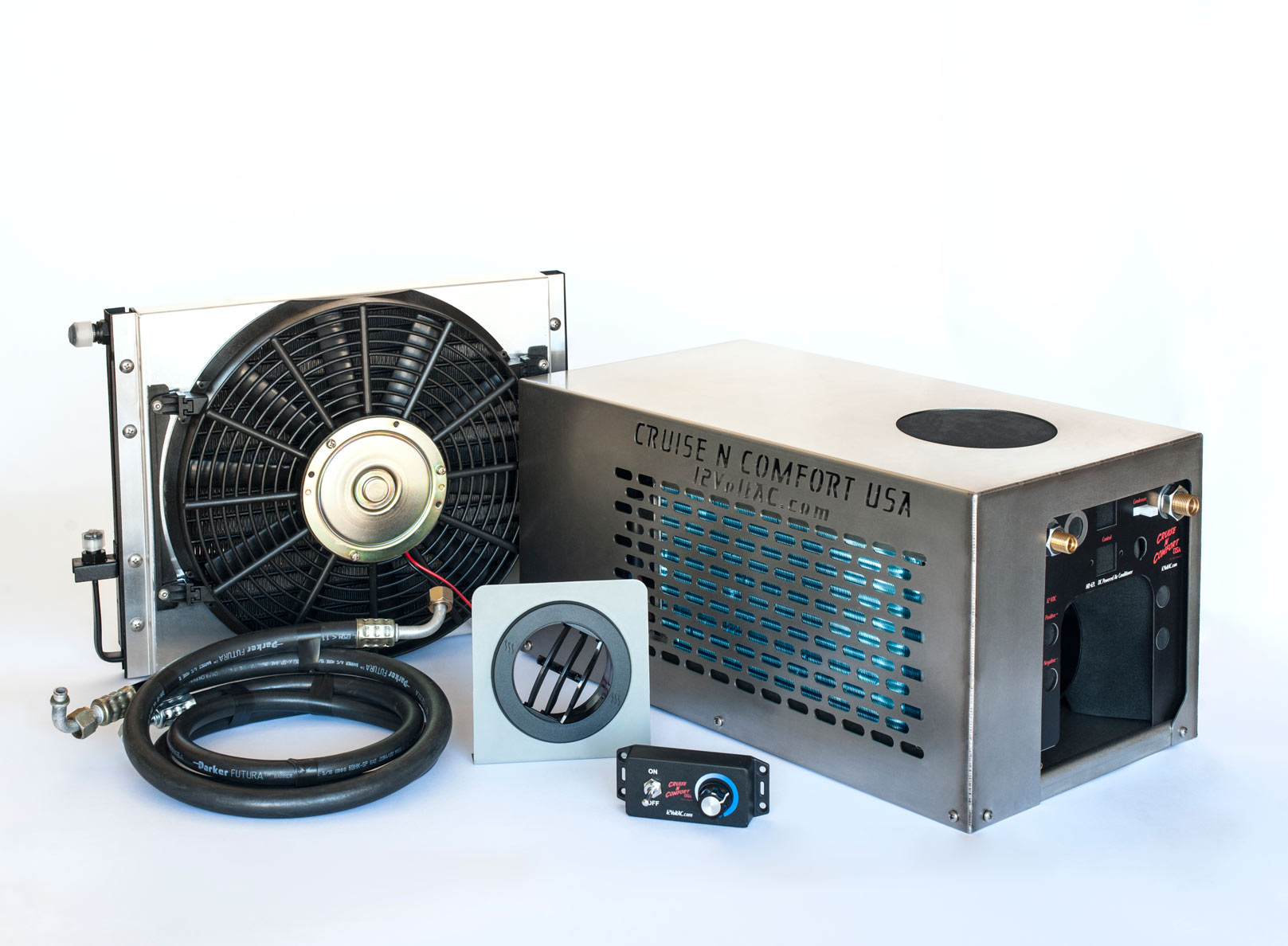
- Compressor: This is the heart of the system. It compresses the refrigerant gas, increasing its pressure and temperature. Analogously, it's like a pump forcing the refrigerant through the system.
- Condenser: Located at the front of the car, the condenser releases heat from the high-pressure, hot refrigerant gas to the outside air. It transforms the gas into a high-pressure liquid. Think of it as a radiator, but for the refrigerant.
- Receiver-Drier (or Accumulator): This component filters the refrigerant and removes moisture. Moisture can cause corrosion and freeze-ups within the system. It acts as a sponge to keep the refrigerant clean and dry.
- Expansion Valve (or Orifice Tube): This device regulates the flow of refrigerant into the evaporator. It creates a pressure drop, which causes the refrigerant to become very cold. Imagine it as a tiny nozzle spraying the refrigerant.
- Evaporator: Located inside the car's cabin, usually behind the dashboard, the evaporator absorbs heat from the air passing over it. This cools the air that blows into the car. The refrigerant boils and turns back into a low-pressure gas. It’s the "cooling coil" of the system.
- Refrigerant: The working fluid that circulates through the system, absorbing and releasing heat. Older cars used R-12 (Freon), which is now phased out. Modern cars use R-134a or R-1234yf.
- Blower Motor: This fan forces air across the evaporator and into the car's cabin. It’s what actually blows the cool air at you.
- Hoses and Lines: These connect all the components and allow the refrigerant to flow.
The Refrigeration Cycle
The AC system operates in a cycle:
- The compressor pressurizes the refrigerant gas.
- The high-pressure, hot gas flows to the condenser, where it releases heat and turns into a high-pressure liquid.
- The liquid refrigerant passes through the receiver-drier, which removes moisture and contaminants.
- The refrigerant then flows through the expansion valve, which reduces its pressure and temperature.
- The cold, low-pressure refrigerant enters the evaporator, where it absorbs heat from the air inside the car, cooling the air. The refrigerant turns back into a low-pressure gas.
- The low-pressure gas returns to the compressor, and the cycle begins again.
Common Car AC Problems
Several issues can affect your car's AC performance. Identifying the symptoms early can help prevent more significant problems later.
Lack of Cold Air
This is the most common complaint. Possible causes include:
- Low Refrigerant: The most frequent cause. Refrigerant can leak over time.
- Compressor Issues: A faulty compressor won't compress the refrigerant properly. It might be making unusual noises.
- Clogged Condenser: Debris can block airflow through the condenser, reducing its efficiency.
- Faulty Expansion Valve: If the expansion valve is stuck or clogged, it can restrict refrigerant flow.
- Blocked Evaporator: A dirty cabin air filter can restrict airflow across the evaporator, reducing cooling.
AC Blows Warm Air Intermittently
This could indicate:
- Clutch Cycling: The compressor clutch might be engaging and disengaging frequently, indicating low refrigerant or a faulty clutch.
- Electrical Problems: Wiring issues or a faulty sensor can cause intermittent operation.
- Overheating Engine: The AC system may shut off to prevent the engine from overheating.
Unusual Noises
Strange sounds from the AC system can be a warning sign:
- Squealing: Often indicates a slipping compressor belt.
- Rattling or Clicking: Could be a sign of a failing compressor clutch or internal compressor damage.
- Hissing: May indicate a refrigerant leak.
Leaking Refrigerant
Refrigerant leaks can be hard to spot, but you might notice:
- Oily Residue: Look for oily spots around AC components, especially connections.
- Strong Odor: Some refrigerants have a distinct odor.
- Reduced Cooling Performance: A slow leak will gradually reduce the AC's effectiveness.
Bad Odor
A musty or moldy smell indicates bacteria or mold growth on the evaporator. This is often due to condensation and lack of proper ventilation.
Diagnosing Car AC Problems
Diagnosing AC problems can be complex, and some tasks require specialized equipment. Here are some steps you can take:
- Visual Inspection: Check for obvious leaks, damage to components, and a properly tensioned compressor belt.
- Refrigerant Level Check: You can use a refrigerant gauge to check the system pressure. However, interpreting the readings accurately requires experience. Warning: improper handling of refrigerant can be dangerous.
- Cabin Air Filter: Inspect and replace the cabin air filter if it's dirty. This simple step can significantly improve airflow and AC performance.
- System Performance Test: Use a thermometer to measure the air temperature coming from the vents. Compare it to the outside air temperature to assess cooling performance.
For more complex issues, it's best to consult a qualified mechanic. They have the tools and expertise to properly diagnose and repair AC problems.
Maintaining Your Car AC System
Regular maintenance can help prevent problems and extend the life of your AC system.
- Run the AC Regularly: Even in cooler months, run the AC for a few minutes each week to circulate the refrigerant and lubricate the compressor seals. This helps prevent leaks and keeps the system working efficiently.
- Check the Cabin Air Filter: Replace the cabin air filter at the recommended intervals (usually every 12,000 to 15,000 miles) or more frequently if you drive in dusty conditions.
- Inspect Belts and Hoses: Regularly check the compressor belt for cracks, wear, and proper tension. Inspect the hoses for leaks or damage.
- Professional AC Service: Consider having your AC system professionally serviced every few years. This typically includes checking refrigerant levels, inspecting components, and performing a leak test.
Refrigerant Types: R-134a vs. R-1234yf
Understanding the different types of refrigerant is crucial when topping off or repairing your AC system.
- R-134a: This is the most common refrigerant used in cars manufactured before 2014 (approximately). It's relatively inexpensive and readily available.
- R-1234yf: This is a newer refrigerant used in many newer vehicles. It has a much lower global warming potential (GWP) than R-134a, making it more environmentally friendly. It is flammable, requiring special handling and equipment.
Important: You cannot mix R-134a and R-1234yf. They require different fittings and equipment. Using the wrong refrigerant can damage your AC system and is illegal.
DIY AC Recharge vs. Professional Service
Recharging your AC system yourself might seem like a simple way to save money, but there are risks and limitations.
DIY Recharge Kits
These kits typically include a can of refrigerant with a gauge and a hose. While they can temporarily restore cooling performance, they often don't address the underlying cause of the refrigerant loss (e.g., a leak). Also, overcharging the system can damage the compressor. Furthermore, these kits often include sealants. While they may temporarily stop a small leak, they can cause serious problems if they get into the system’s components.
Professional AC Service
A professional AC service offers several advantages:
- Accurate Diagnosis: Mechanics can pinpoint the exact cause of the problem, not just mask the symptoms.
- Proper Equipment: They have specialized equipment for recovering refrigerant, performing leak tests, and recharging the system to the correct level.
- Component Repair: They can repair or replace faulty components, such as the compressor, condenser, or expansion valve.
- Safety: They are trained to handle refrigerant safely and dispose of it properly.
Recommendation: While a DIY recharge might be suitable for a very small, slow leak, it's generally best to consult a professional for any significant AC problems. They can provide a more thorough and lasting solution.
Troubleshooting Tips and Solutions
Here are some quick troubleshooting tips for common AC problems:
- No Cold Air: Check the cabin air filter. If it's clean, have the refrigerant level checked by a professional.
- Weak Airflow: Ensure the blower motor is working properly and that the air vents are not blocked.
- Musty Odor: Use an AC evaporator cleaner to kill bacteria and mold. Run the fan on high with the AC off for a few minutes after using the cleaner to dry out the evaporator.
- Compressor Not Engaging: Check the compressor fuse and relay. If they are good, have the compressor clutch inspected.
Safety First: Always disconnect the battery before working on any electrical components in your car.
By understanding the components, common problems, and maintenance tips outlined in this guide, you can keep your car's AC system running smoothly and enjoy comfortable driving in any weather. Remember to consult a qualified mechanic for any complex issues or if you're unsure about performing a repair yourself.