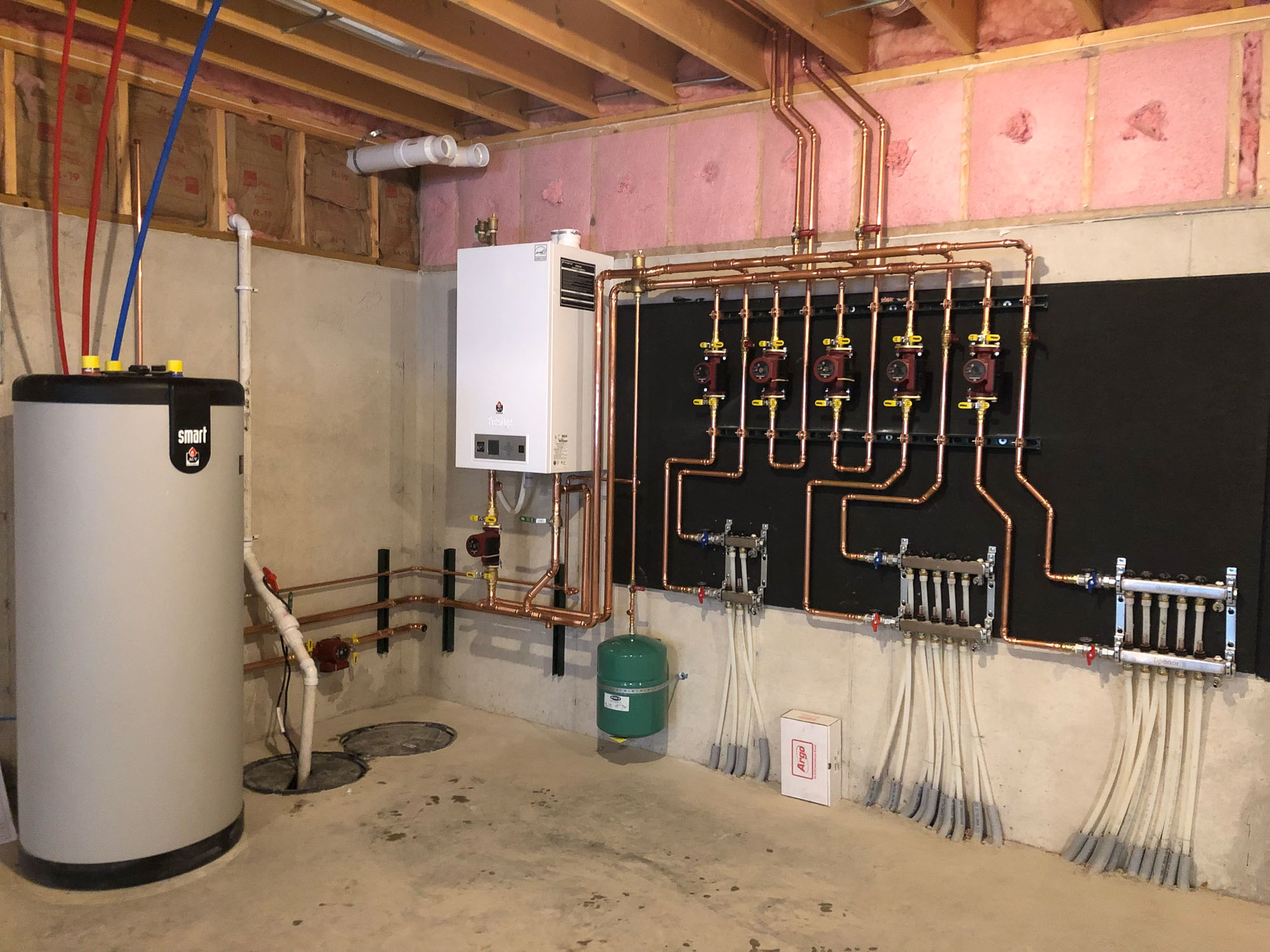
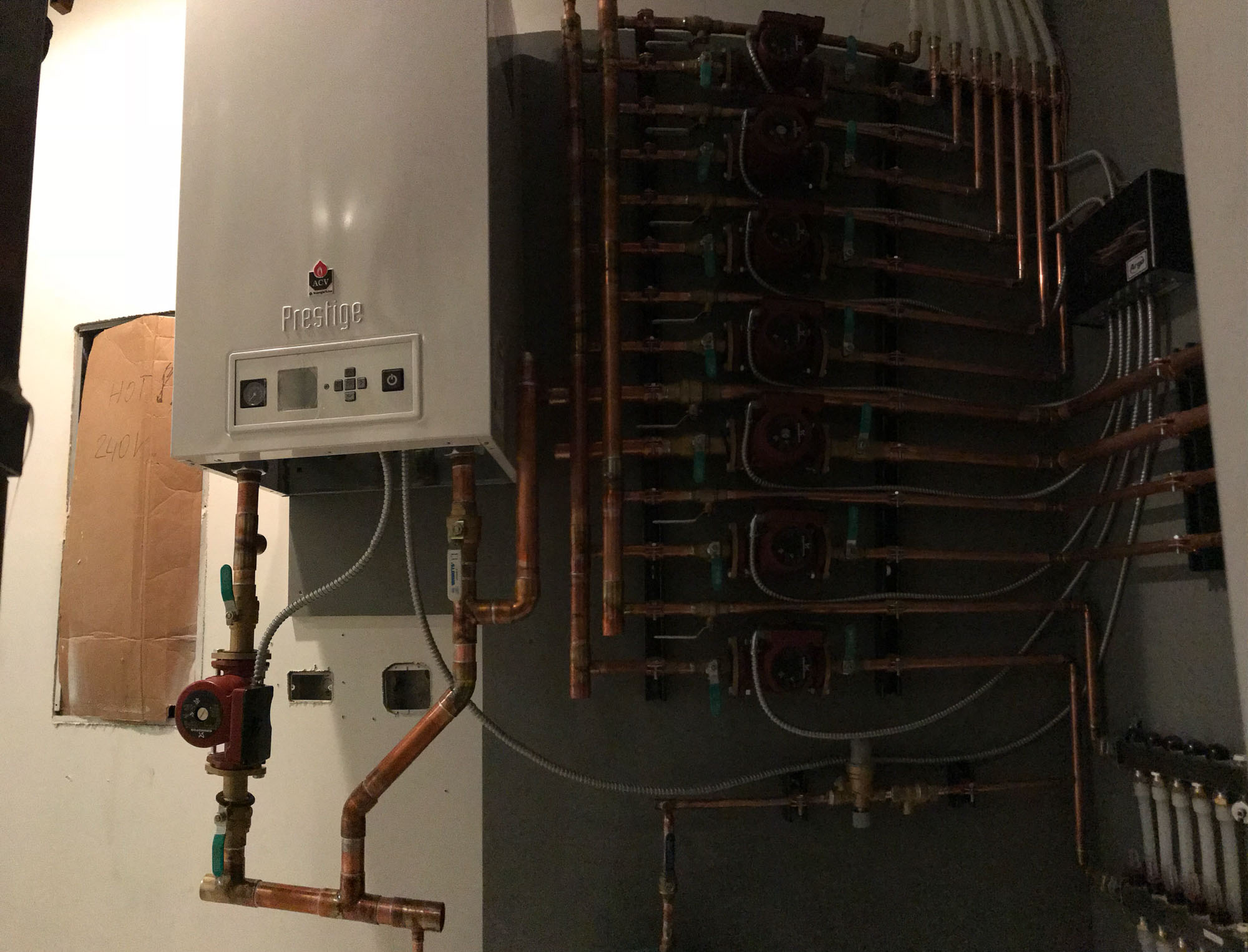
Most Efficient Boiler For Radiant Heat
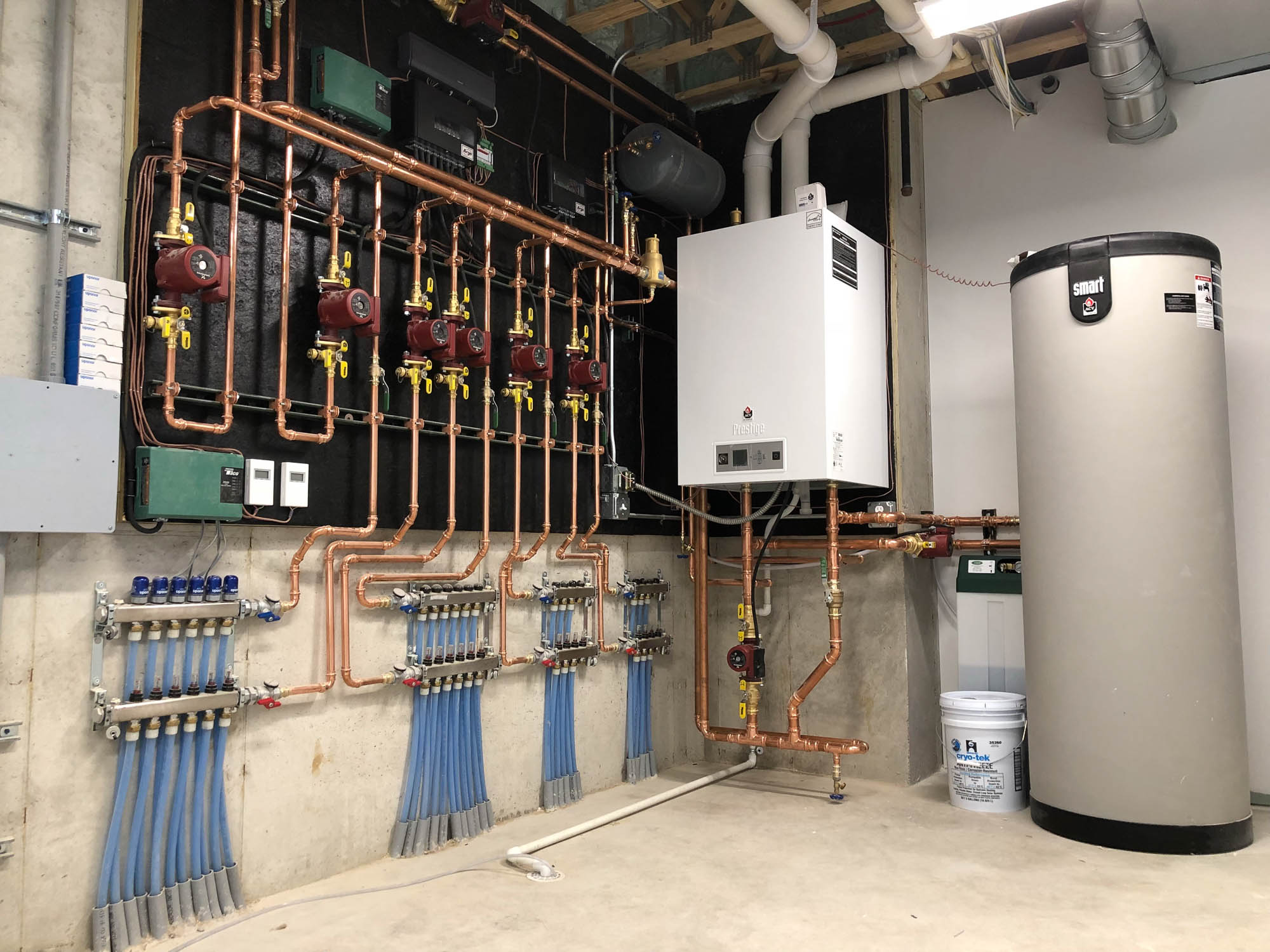
The Ultimate Guide to Efficient Boilers for Radiant Heat: Comfort and Savings
Radiant heating offers unparalleled comfort and energy efficiency, distributing warmth evenly throughout your home. At the heart of any radiant heating system is the boiler, and choosing the right one can significantly impact your energy bills and overall satisfaction. This comprehensive guide will walk you through the key considerations when selecting the most efficient boiler for your radiant heat system, helping you make an informed decision.
Understanding Boiler Efficiency: AFUE and Beyond
The most important metric for evaluating boiler efficiency is the Annual Fuel Utilization Efficiency (AFUE) rating. AFUE represents the percentage of fuel that is converted into usable heat. The higher the AFUE, the more efficient the boiler. Modern boilers can achieve AFUE ratings of 90% or higher, significantly reducing energy waste compared to older models that may operate at 60-70% AFUE.
Beyond AFUE, consider these factors that influence overall efficiency:
- Modulation: Modulating boilers can adjust their firing rate based on the heating demand, optimizing energy consumption.
- Condensing Technology: Condensing boilers extract additional heat from exhaust gases, boosting efficiency.
- Weather Compensation: Boilers with weather compensation adjust the water temperature based on outdoor temperatures, preventing overheating and saving energy.
- Sealed Combustion: Sealed combustion boilers draw air from outside, eliminating drafts and improving safety and efficiency.
Types of Boilers for Radiant Heat
Boilers are primarily categorized by fuel type: gas (natural gas or propane) and oil. While electric boilers exist, they are generally less efficient and more expensive to operate for whole-house radiant heating, unless electricity costs are exceptionally low.
Gas Boilers
Gas boilers are the most common choice for radiant heating due to their efficiency, relatively lower fuel costs (depending on location), and wider availability.
Pros:
- High efficiency (AFUE ratings of 90% or higher)
- Lower fuel costs compared to oil in many regions
- Clean-burning
- Wide range of models and sizes available
Cons:
- Requires a natural gas or propane line connection
- Can be more expensive to install initially than some oil boilers
- Vulnerable to gas price fluctuations
Oil Boilers
Oil boilers are a viable option in areas where natural gas is not available or where oil prices are competitive. However, they generally require more maintenance and produce more emissions than gas boilers.
Pros:
- Can be a good option where natural gas is unavailable
- Can provide a more consistent heat output than some gas boilers
Cons:
- Lower efficiency compared to high-efficiency gas boilers
- Higher fuel costs compared to natural gas in many regions
- Higher maintenance requirements (e.g., annual cleaning)
- More emissions than gas boilers
Top Boiler Brands and Models for Radiant Heat (2024)
Here are some of the leading boiler brands and models known for their efficiency and reliability in radiant heating applications. Note that pricing can vary significantly based on location, installation costs, and contractor.
Navien
Navien is a leading manufacturer of high-efficiency condensing boilers. Their models are known for their advanced features, including modulating burners, weather compensation, and easy-to-use controls.
Popular Models:
- Navien NCB Series: Combi-boilers (heating and hot water) with AFUE ratings up to 95%. Expect to pay $4,000-$6,000 installed.
- Navien NHB Series: High-efficiency condensing boilers with AFUE ratings up to 97%. Expect to pay $5,000-$7,000 installed.
Key Features:
- Modulating burner
- Stainless steel heat exchanger
- Weather compensation
- Smart controls
Viessmann
Viessmann is a German manufacturer renowned for its high-quality and efficient heating systems. Their boilers are built to last and offer excellent performance.
Popular Models:
- Viessmann Vitodens 200-W: High-efficiency condensing boiler with AFUE ratings up to 98%. Expect to pay $6,000-$9,000 installed.
- Viessmann Vitodens 100-W: A more affordable option with AFUE ratings up to 95%. Expect to pay $5,000 - $7,000 installed.
Key Features:
- Stainless steel Inox-Radial heat exchanger
- Lambda Pro automatic combustion control
- User-friendly interface
- Quiet operation
Weil-McLain
Weil-McLain is a well-established American manufacturer with a wide range of boilers for various applications. They offer both gas and oil boilers.
Popular Models:
- Weil-McLain Ultra Gas Boiler: High-efficiency condensing boiler with AFUE ratings up to 95%. Expect to pay $4,500-$6,500 installed.
- Weil-McLain GV90+ Gas Boiler: A more traditional boiler with AFUE ratings up to 90%. Expect to pay $3,500 - $5,500 installed.
Key Features:
- Durable construction
- Easy to install and service
- Available in various sizes
- Comprehensive warranty
Burnham
Burnham is another reputable American manufacturer known for its reliable and efficient boilers. They offer a variety of models to suit different needs and budgets.
Popular Models:
- Burnham Alpine AL Series: High-efficiency condensing boiler with AFUE ratings up to 95%. Expect to pay $4,000-$6,000 installed.
- Burnham MPO-IQ Oil Boiler: An efficient oil boiler option with AFUE ratings up to 87%. Expect to pay $4,000 - $6,000 installed.
Key Features:
- Durable cast iron heat exchanger (in some models)
- Modulating burner
- Advanced controls
- Quiet operation
Sizing Your Boiler for Radiant Heat
Proper boiler sizing is crucial for optimal performance and efficiency. An undersized boiler will struggle to heat your home adequately, while an oversized boiler will cycle frequently, leading to wasted energy and premature wear and tear. A qualified HVAC professional should perform a Manual J load calculation to determine the correct boiler size for your specific needs. This calculation takes into account factors such as:
- Home size and insulation levels
- Climate zone
- Window and door efficiency
- Number of occupants
Oversizing is a common mistake. Don't assume a bigger boiler is always better.
Installation and Maintenance
Proper installation is essential for ensuring the efficiency and longevity of your boiler. Choose a qualified and experienced HVAC contractor to install your new boiler. A professional installation will include:
- Proper sizing and placement of the boiler
- Correct venting and piping
- Accurate system programming and calibration
- Thorough testing and commissioning
Regular maintenance is also crucial for keeping your boiler running efficiently. Schedule annual maintenance with a qualified technician. Common maintenance tasks include:
- Cleaning the heat exchanger
- Inspecting and cleaning the burner
- Checking and adjusting the combustion
- Inspecting and testing safety controls
- Checking for leaks
Understanding Boiler Warranties
Boiler warranties vary depending on the manufacturer and model. Pay close attention to the warranty terms and conditions, including:
- Warranty period: The length of time the warranty is in effect.
- Coverage: What parts and labor are covered.
- Exclusions: What is not covered by the warranty.
- Requirements: Any requirements for maintaining the warranty (e.g., annual maintenance).
Most boiler manufacturers offer a limited warranty on parts, with extended warranties available for an additional cost. Carefully read the warranty documentation before making your purchase.
Making the Right Choice: A Summary
Choosing the most efficient boiler for radiant heat requires careful consideration of several factors, including fuel type, AFUE rating, features, brand reputation, and installation costs. By understanding these factors and working with a qualified HVAC professional, you can select a boiler that provides comfortable and efficient heating for years to come.
Key Takeaways:
- Prioritize high AFUE ratings (90% or higher).
- Consider features like modulation, condensing technology, and weather compensation.
- Choose a reputable brand with a solid warranty.
- Have a qualified HVAC professional perform a Manual J load calculation.
- Schedule annual maintenance to ensure optimal performance.
By following these guidelines, you can make an informed decision and enjoy the comfort and energy savings of radiant heat for years to come. Good luck with your purchase!