Motor Capacitor Size Charts
The unsung hero of many HVAC systems, the motor capacitor, plays a critical role in ensuring efficient and reliable operation. Understanding how to properly size and select these components is fundamental for anyone working in the heating, ventilation, and air conditioning industry. This article will delve into the importance of motor capacitor size charts, their application, and the broader career landscape for HVAC professionals.
The Importance of Motor Capacitors in HVAC Systems
Motor capacitors provide the initial boost needed to start and run electric motors in HVAC equipment, such as compressors, fans, and pumps. They store electrical energy and release it during startup, providing the necessary torque to overcome inertia. Without a properly functioning capacitor, the motor may struggle to start, leading to overheating, reduced efficiency, and eventual failure.
There are primarily two types of motor capacitors used in HVAC systems:
- Start Capacitors: These capacitors provide a high capacitance value for a short period to assist with initial motor startup. They are typically disconnected from the circuit once the motor reaches a certain speed.
- Run Capacitors: Run capacitors are designed for continuous operation, providing a lower capacitance value to improve the motor's efficiency and power factor while it's running.
Understanding Motor Capacitor Size Charts
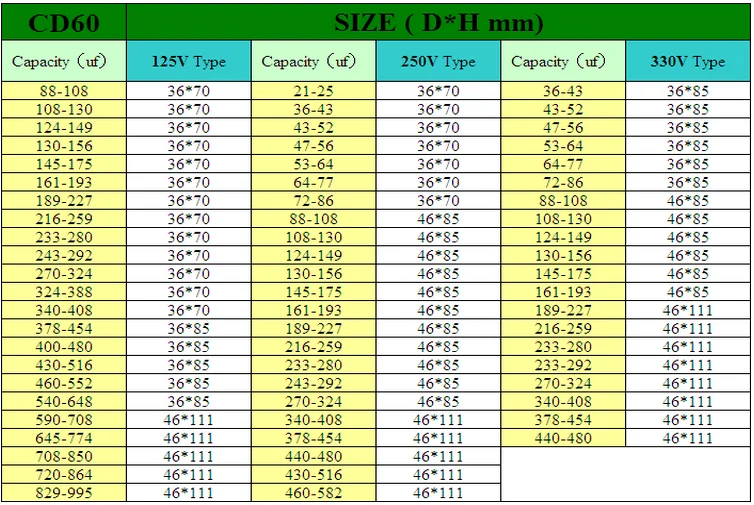
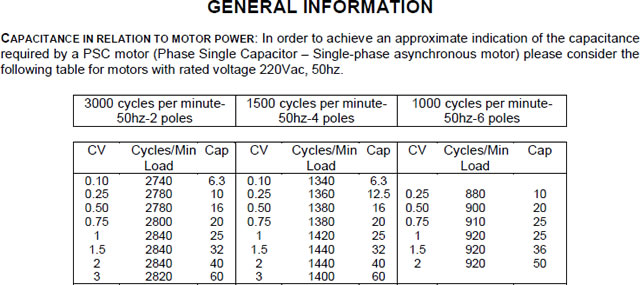
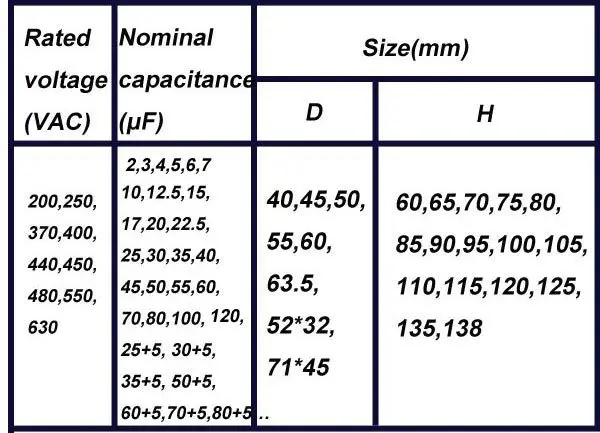
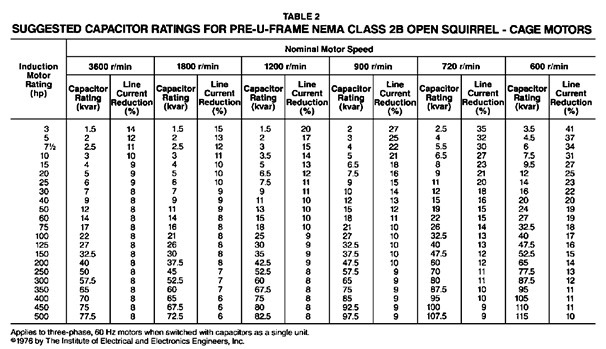
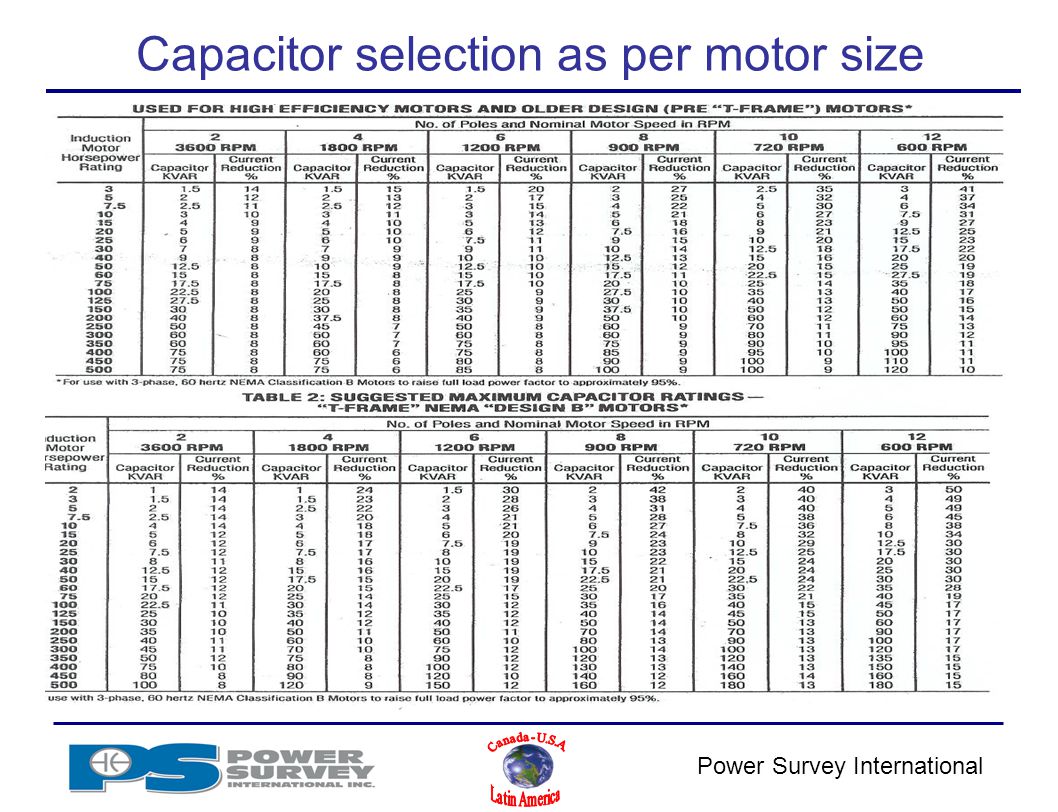
Motor capacitor size charts are essential tools for HVAC technicians, providing a quick and reliable way to determine the correct capacitance value for a given motor. These charts typically list the motor's horsepower (HP), voltage, and the required capacitance (measured in microfarads, µF) and voltage rating of the capacitor. Failing to use the proper capacitor size can result in several issues:
- Undersized Capacitor: A capacitor with too little capacitance may not provide enough starting torque, leading to starting failure, motor overheating, and premature wear.
- Oversized Capacitor: While seemingly less problematic, an oversized capacitor can cause excessive voltage in the auxiliary winding, leading to insulation breakdown and reduced motor lifespan.
- Incorrect Voltage Rating: Using a capacitor with a lower voltage rating than required can lead to catastrophic failure, potentially damaging the motor and posing a safety hazard.
Example: A 1 HP, 230V single-phase motor might require a 40 µF run capacitor with a voltage rating of 370 VAC. This information would be found on a motor capacitor size chart, often provided by motor or equipment manufacturers.
Where to Find Motor Capacitor Size Charts
Motor capacitor size charts are available from several sources:
- Equipment Manufacturers: HVAC equipment manufacturers often include capacitor sizing information in their product manuals or on the equipment itself.
- Motor Manufacturers: Motor manufacturers provide detailed specifications, including recommended capacitor sizes, for their products.
- Capacitor Manufacturers: Capacitor manufacturers offer cross-reference charts that allow you to determine the correct capacitor size based on motor specifications.
- Online Resources: Numerous websites and mobile apps provide capacitor sizing calculators and charts. However, it's crucial to verify the accuracy of information from these sources.
The HVAC Career Landscape: Opportunities and Outlook
The HVAC industry offers a diverse range of career opportunities, from entry-level technician positions to specialized roles in design, installation, and maintenance. According to the U.S. Bureau of Labor Statistics, the job outlook for HVAC technicians is projected to grow 6 percent from 2022 to 2032, about as fast as the average for all occupations. This growth is driven by the increasing demand for energy-efficient HVAC systems and the need to replace aging equipment.
The median annual wage for HVAC technicians was $51,390 in May 2022. The best-paid 10 percent earned more than $81,620. Salaries can vary depending on experience, location, and specialization.
Entry-Level Positions and Education
Entry-level positions typically require a high school diploma or equivalent, along with completion of a vocational training program or apprenticeship. These programs provide hands-on training in HVAC systems, electrical wiring, and troubleshooting. Some common entry-level roles include:
- HVAC Installer
- HVAC Maintenance Technician
- Apprentice HVAC Technician
Advanced Career Paths and Specializations
With experience and further education, HVAC technicians can advance to more specialized roles, such as:
- HVAC Service Technician: Diagnoses and repairs complex HVAC system problems.
- HVAC Design Engineer: Designs and specifies HVAC systems for new construction and retrofits.
- HVAC Project Manager: Oversees the installation and commissioning of HVAC systems.
- HVAC Sales Engineer: Sells HVAC equipment and services to commercial and residential customers.
Specializations within the HVAC industry include:
- Commercial HVAC: Focuses on large-scale HVAC systems in commercial buildings.
- Residential HVAC: Focuses on HVAC systems in homes.
- Refrigeration: Focuses on refrigeration systems, such as walk-in coolers and freezers.
- Building Automation Systems (BAS): Focuses on the integration and control of HVAC systems using computer-based systems.
Certifications: Enhancing Skills and Career Prospects
Professional certifications can significantly enhance an HVAC technician's skills, knowledge, and career prospects. Some of the most recognized certifications in the HVAC industry include:
- NATE (North American Technician Excellence): NATE certification is a widely respected credential that demonstrates a technician's competency in HVAC installation, service, and repair.
- EPA Section 608 Certification: Required by the U.S. Environmental Protection Agency (EPA) for technicians who handle refrigerants. This certification ensures that technicians are properly trained in refrigerant recovery, recycling, and disposal practices. There are different types (Type I, Type II, Type III, and Universal) depending on the equipment being serviced.
- HVAC Excellence: Offers a range of certifications covering various HVAC topics, including air conditioning, heating, and refrigeration.
- RSES (Refrigeration Service Engineers Society): Provides training and certification programs for refrigeration and air conditioning professionals.
Earning these certifications often involves passing an exam that tests the technician's knowledge of HVAC principles, troubleshooting techniques, and safety procedures. Obtaining certifications demonstrates a commitment to professional development and can lead to higher earning potential.
Real-World Career Path Examples
Example 1: Maria's Journey to HVAC Mastery
Maria started her HVAC career as an apprentice after completing a vocational training program. She gained hands-on experience working alongside experienced technicians, learning the fundamentals of HVAC installation and repair. After two years, she obtained her EPA 608 certification and passed the NATE certification exam. This allowed her to move into a service technician role, where she could diagnose and repair complex HVAC system problems. She later specialized in commercial HVAC, focusing on large-scale systems in office buildings and hospitals. Maria now works as a lead technician, training and mentoring junior technicians.
Example 2: David's Path to Engineering
David began as a residential HVAC installer. Recognizing his interest in system design, he pursued an associate's degree in HVAC technology. He used his practical experience and academic knowledge to land a job as an HVAC design engineer. He now uses software to design efficient systems for new construction projects. David credits his early field experience with giving him a solid understanding of system operation and real-world installation challenges.
Staying Ahead of the Curve: Trends and Technologies
The HVAC industry is constantly evolving, driven by technological advancements and changing energy efficiency standards. HVAC professionals need to stay up-to-date on the latest trends and technologies to remain competitive.
Some key trends include:
- Smart HVAC Systems: These systems use sensors, data analytics, and cloud connectivity to optimize performance and energy efficiency.
- Variable Refrigerant Flow (VRF) Systems: VRF systems offer precise temperature control and energy savings in commercial buildings.
- Geothermal Heating and Cooling: Geothermal systems use the earth's natural heat to provide efficient heating and cooling.
- High-Efficiency Heat Pumps: Heat pumps are becoming increasingly popular as a way to provide both heating and cooling in a single system.
- Renewable Energy Integration: Integrating solar panels and other renewable energy sources with HVAC systems can further reduce energy consumption and environmental impact.
Continuing education and training are essential for HVAC professionals to stay abreast of these advancements. This may include attending industry conferences, taking online courses, or pursuing advanced certifications.
Conclusion
Understanding motor capacitor size charts is a critical skill for HVAC professionals, ensuring the efficient and reliable operation of HVAC systems. A solid understanding of this skill, coupled with relevant certifications and a commitment to lifelong learning, will pave the way for a successful and rewarding career in the HVAC industry. As demand for skilled HVAC technicians continues to grow, those who invest in their education and training will be well-positioned to capitalize on the many opportunities that this dynamic industry has to offer.