Mounting Height For Carbon Monoxide Detector
Carbon monoxide (CO) is a silent killer. It's an odorless, colorless gas that can be deadly. A properly installed carbon monoxide detector is crucial for protecting yourself and your family. But simply having a detector isn't enough; it must be installed at the correct height to provide optimal warning.
Understanding Carbon Monoxide and its Behavior
Before diving into mounting heights, it's important to understand how carbon monoxide behaves in a room. CO is produced by the incomplete burning of fuels such as natural gas, propane, oil, wood, and even gasoline. Common sources include furnaces, stoves, water heaters, fireplaces, and running vehicles in attached garages.
Many people believe CO rises because it's a product of combustion and hot air rises. However, at room temperature, carbon monoxide has a density very close to that of air. This means it tends to disperse evenly throughout a room. This is a crucial point that informs the mounting height recommendations.
Why Mounting Height Matters
The effectiveness of your CO detector hinges on its placement. An improperly placed detector might not detect a CO leak in time, potentially leading to serious health consequences or even death. Here's why height is important:
- Early Detection: Detectors need to be positioned where they can quickly sense CO buildup.
- Avoiding False Alarms: Incorrect placement near certain appliances can trigger false alarms, potentially leading to complacency.
- Optimal Sensing: As CO mixes with air, it's important to place the detector in a location where it can consistently sample the air for the presence of the gas.
The Great Debate: High vs. Low Mounting
Historically, there has been some debate about whether CO detectors should be mounted high or low. Older recommendations sometimes suggested mounting near the ceiling, based on the misconception that CO always rises. However, current expert advice generally favors a different approach, acknowledging that CO disperses evenly.
The evolving understanding of CO behavior is primarily why the recommendations have changed. Scientific studies have demonstrated that CO doesn't simply rise and collect at the ceiling. It mixes with the air, and its distribution is more uniform.
Recommended Mounting Height: Following the Guidelines
The most current and widely accepted recommendation for CO detector mounting height is at a level where it can easily be heard and seen. This generally translates to:
- Wall Mounting: Approximately 5 feet (1.5 meters) from the floor. This height puts the detector at roughly eye level, making it easy to check and maintain.
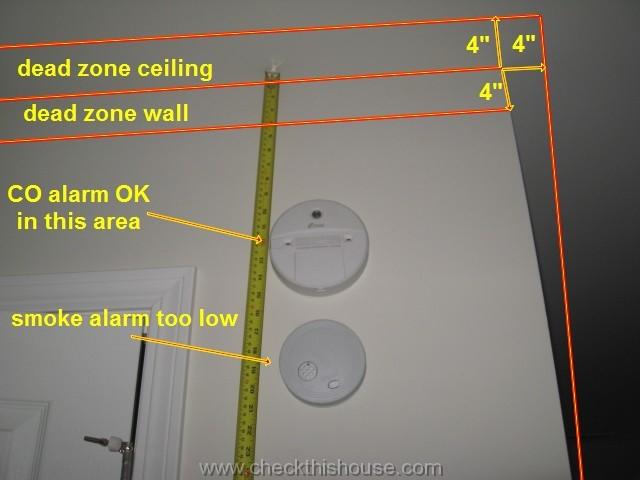
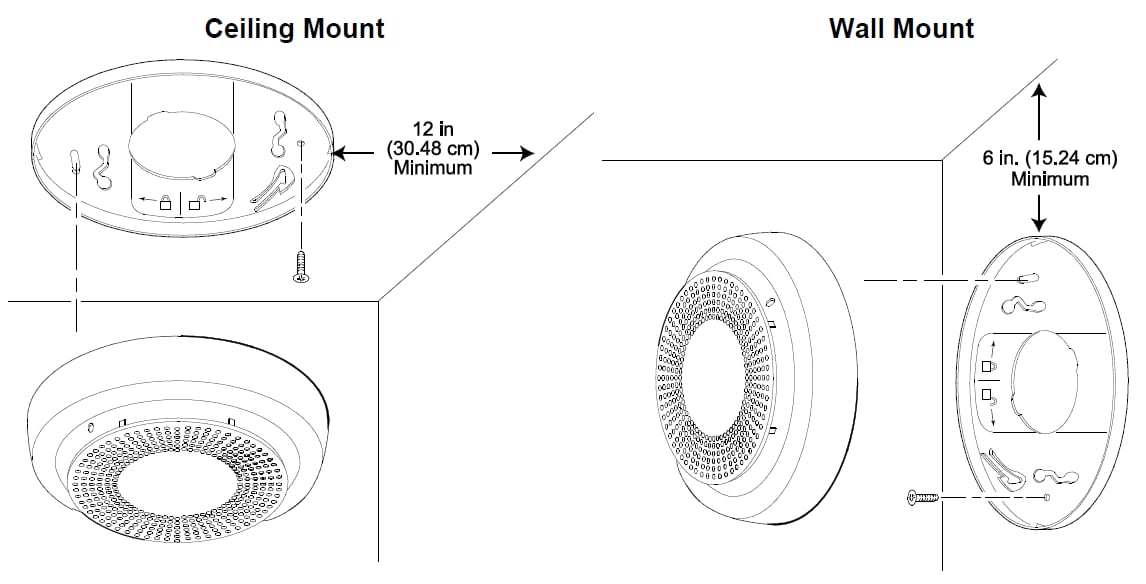
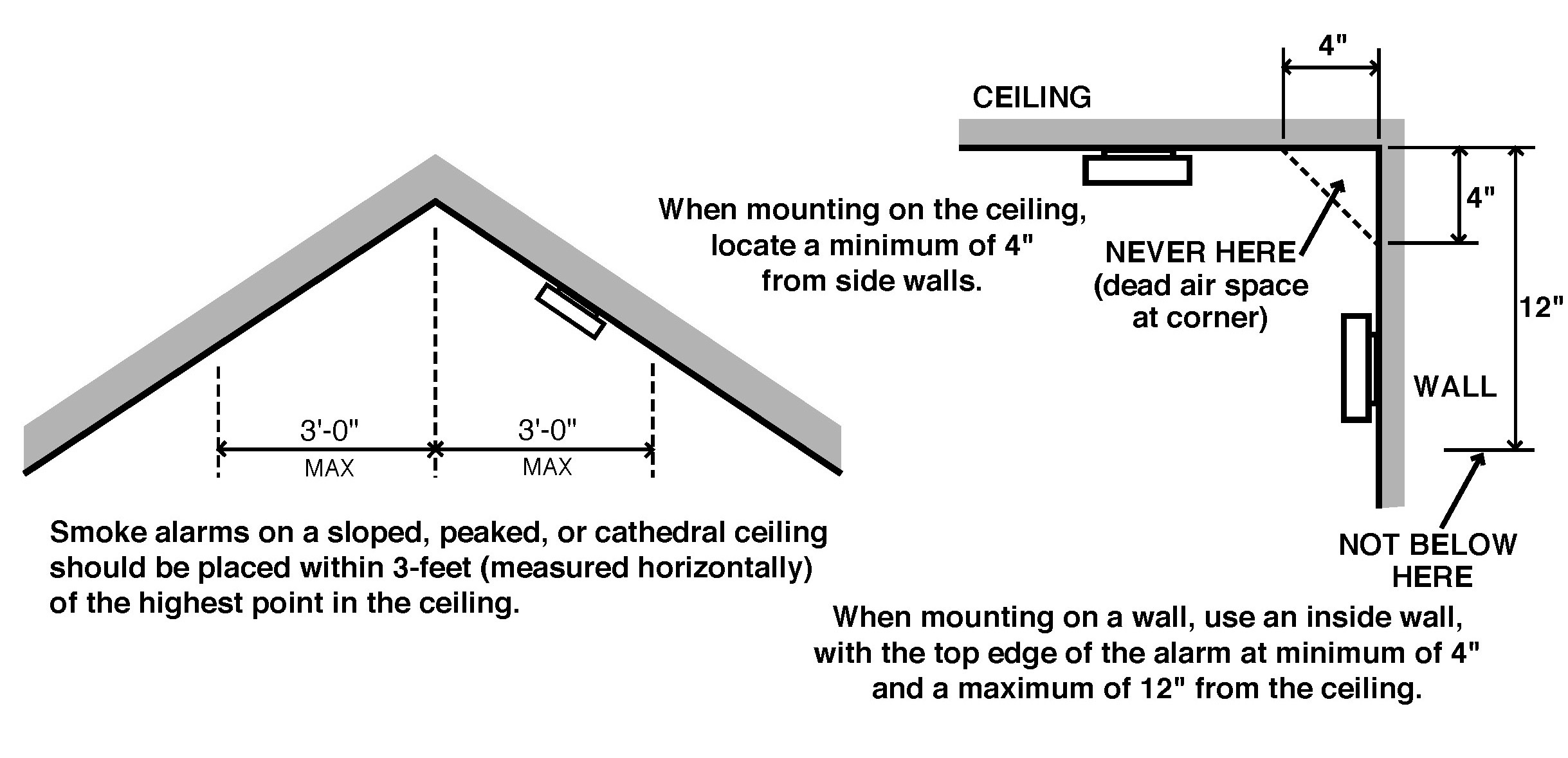
- Ceiling Mounting: If wall mounting isn't feasible, detectors can be mounted on the ceiling. However, they should be at least 4 inches (10 cm) from any wall. This helps ensure proper airflow around the detector.
Always refer to the manufacturer's instructions included with your specific CO detector. These instructions may provide specific recommendations tailored to the detector's design and technology. Following the manufacturer's guidelines is paramount.
Key Considerations for Specific Locations
While the general height recommendation applies broadly, here are some specific considerations for different areas in your home:
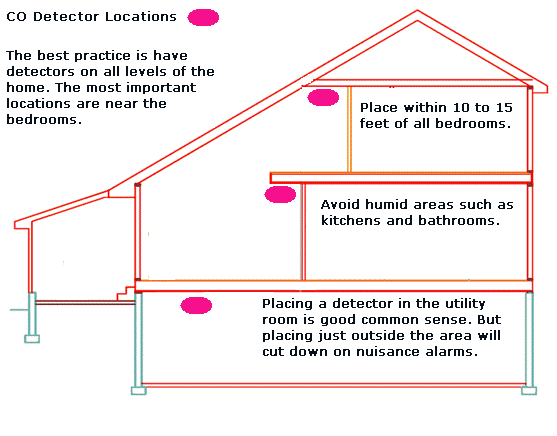
- Near Sleeping Areas: The most crucial placement is outside of bedrooms. This ensures that you will be alerted even while sleeping. Make sure the alarm is loud enough to wake you.
- On Every Level: Install a CO detector on every level of your home, including the basement. CO can spread throughout the house, so multiple detectors provide comprehensive protection.
- Near Fuel-Burning Appliances: Place detectors near potential sources of CO, such as furnaces, water heaters, and fireplaces. However, be mindful of avoiding placement that could cause false alarms (see below).
- Attached Garages: If you have an attached garage, install a CO detector in the hallway leading to the garage. Cars running in the garage can quickly release dangerous levels of CO.
Locations to Avoid: Minimizing False Alarms
Improper placement can lead to nuisance alarms, which can desensitize you to the detector's warnings. Avoid these locations:
- Near Cooking Appliances: Avoid placing CO detectors too close to stoves or ovens. Cooking fumes can sometimes trigger false alarms. Maintain a distance of at least 10 feet (3 meters).
- Near Bathrooms with Showers: Steam and humidity can damage the sensor in some CO detectors and trigger false alarms.
- Near Windows or Doors: Drafts can affect the detector's ability to accurately sense CO levels.
- In Dusty or Dirty Areas: Dust and debris can clog the sensor and reduce its effectiveness.
- Directly Above or Beside Fuel-Burning Appliances: Intense heat or direct emissions can damage the detector or cause false alarms. Consult the manufacturer's instructions for specific distance recommendations.
Installation Tips: Ensuring Proper Functionality
Proper installation is crucial for the reliability of your CO detector. Here are some helpful tips:
- Read the Instructions: Always read and understand the manufacturer's instructions before installing the detector.
- Use the Correct Hardware: Use the screws or mounting hardware provided with the detector.
- Test After Installation: Test the detector immediately after installation to ensure it is working properly.
- Keep Vents Clear: Ensure that the vents on the detector are not blocked by paint, wallpaper, or other obstructions.
- Regular Testing: Test your CO detectors monthly to ensure they are functioning correctly. Most detectors have a test button.
- Battery Replacement: Replace the batteries in battery-operated CO detectors at least twice a year. A good practice is to replace them when you change your clocks for daylight saving time. Consider using detectors with 10-year sealed batteries for added convenience.
Understanding CO Detector Technology
There are primarily two types of CO detectors commonly available:
- Biomimetic Sensor: This type of sensor uses a gel that changes color in the presence of CO. This color change triggers the alarm.
- Electrochemical Sensor: This type of sensor uses an electrochemical cell to detect CO. The CO reacts with the chemicals in the cell, producing an electrical current that triggers the alarm.
Both types of sensors are effective, but they may have different lifespans and sensitivities. Research the type of sensor used in the detector you are considering and choose one that meets your needs.
Responding to a CO Alarm
Knowing what to do when a CO alarm sounds is just as important as having a properly installed detector. Here are the steps to take:
- Stay Calm: Do not panic.
- Evacuate Immediately: Get everyone out of the house immediately.
- Call Emergency Services: Once you are outside, call 911 or your local emergency number.
- Do Not Re-enter: Do not re-enter the house until emergency personnel have given you the all-clear.
- Seek Medical Attention: If anyone is experiencing symptoms of CO poisoning (headache, dizziness, nausea, vomiting, confusion, loss of consciousness), seek immediate medical attention.
- Identify the Source: Once the emergency personnel have determined that it is safe to re-enter, try to identify the source of the CO. Have your fuel-burning appliances inspected by a qualified technician.
The Importance of Regular Maintenance
Carbon monoxide detectors don't last forever. Most detectors have a lifespan of 5-10 years. Check the manufacturer's instructions for the recommended replacement date. Regularly inspecting and maintaining your CO detectors is essential to ensure they are functioning properly and providing the protection you need.
Remember, a CO detector is a life-saving device. Take the time to install it correctly and maintain it properly. Your safety and the safety of your family depend on it.
Beyond the Detector: Comprehensive CO Safety
While CO detectors are essential, they are just one part of a comprehensive CO safety plan. Consider these additional measures:
- Regular Appliance Inspections: Have your fuel-burning appliances (furnaces, water heaters, fireplaces) inspected annually by a qualified technician. They can identify potential problems that could lead to CO leaks.
- Proper Ventilation: Ensure that your appliances are properly ventilated. Never block vents or chimneys.
- Never Use Generators Indoors: Generators produce high levels of CO. Never use them inside your home, garage, or other enclosed spaces. Operate them outdoors in a well-ventilated area, away from windows and doors.
- Be Cautious with Space Heaters: If you use space heaters, ensure they are in good working order and properly ventilated. Never leave them unattended.
- Never Use Charcoal Grills Indoors: Burning charcoal produces CO. Never use charcoal grills indoors, even in a fireplace.
- Educate Your Family: Make sure everyone in your household understands the dangers of CO and knows what to do if the alarm sounds.
By taking these precautions, you can significantly reduce your risk of CO poisoning and create a safer home for yourself and your loved ones.
/fig 1.png?width=850&name=fig 1.png)