Multi Head Mini Split Air Conditioner

For homeowners seeking personalized comfort in multiple rooms without the hassle of extensive ductwork, multi-zone mini split air conditioners offer a compelling solution. These systems combine the efficiency of ductless technology with the ability to independently control temperatures in different areas of your home. This comprehensive guide will explore the pros and cons, key features, pricing, and maintenance aspects of multi-head mini split systems to help you make an informed decision.
What is a Multi-Head Mini Split System?
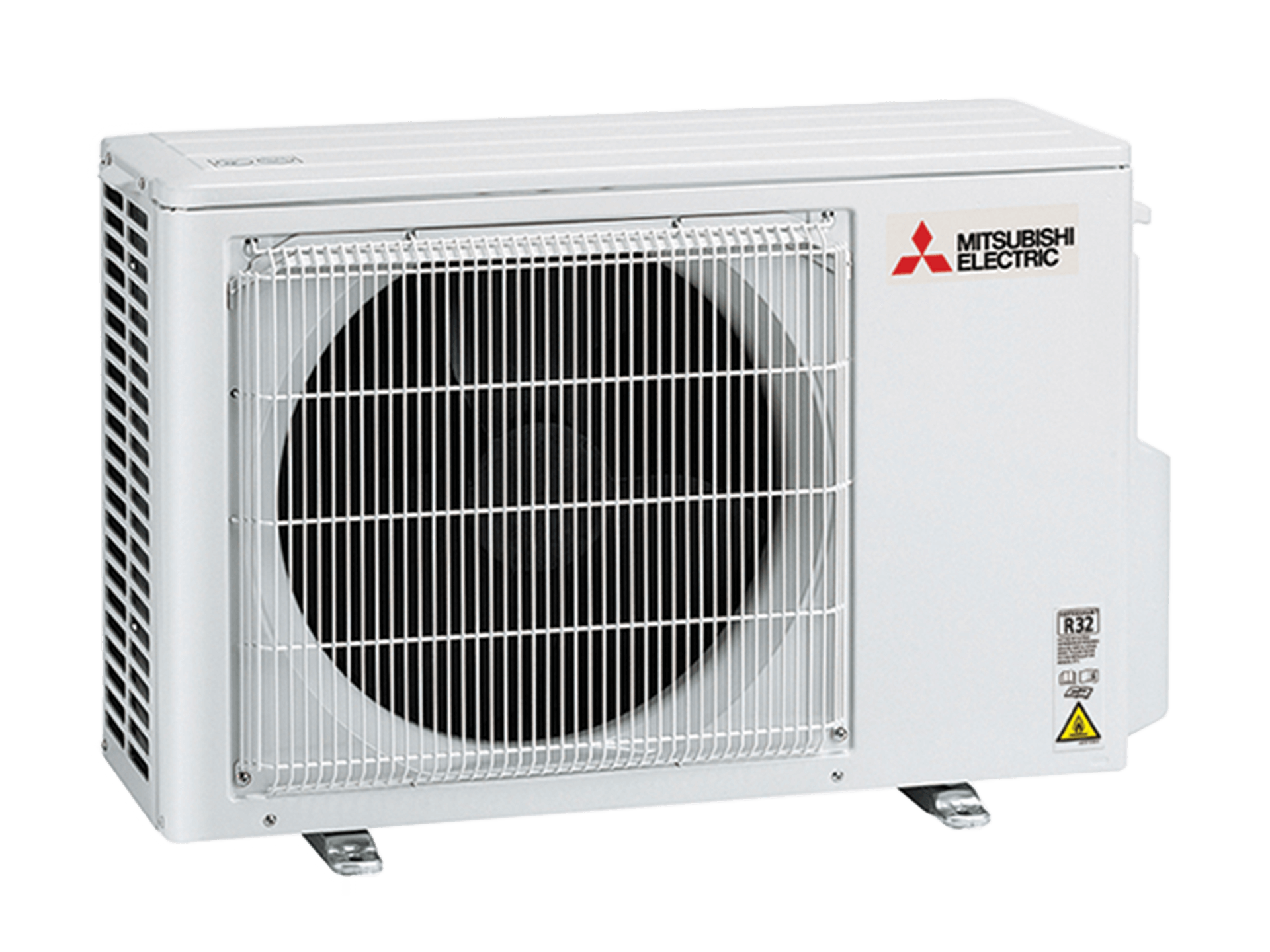
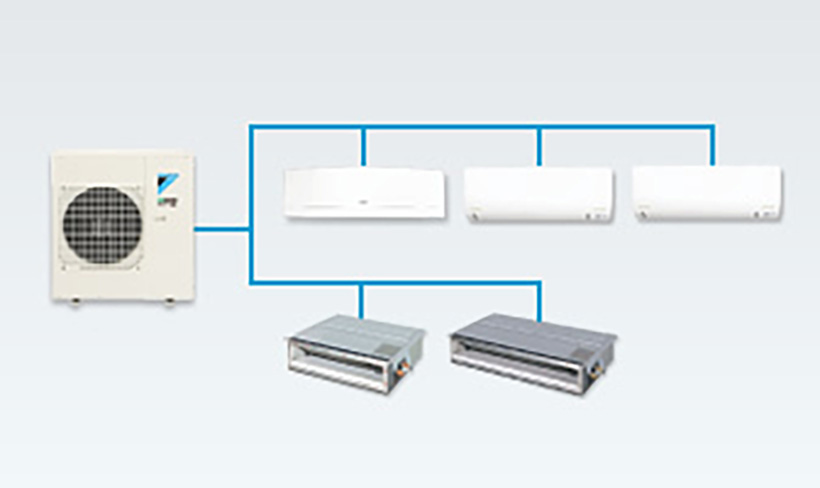
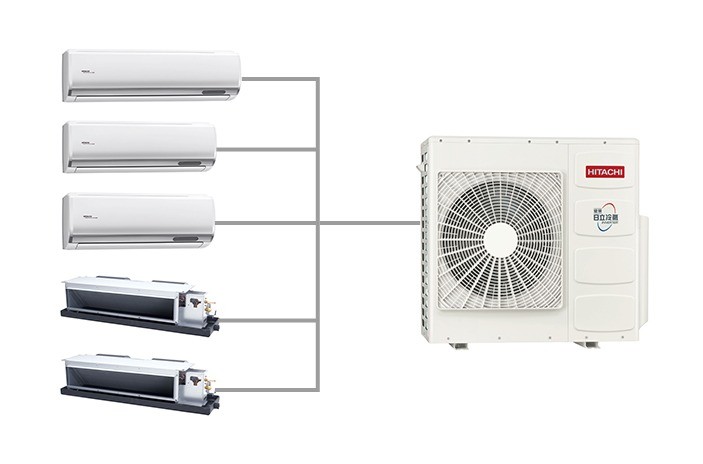
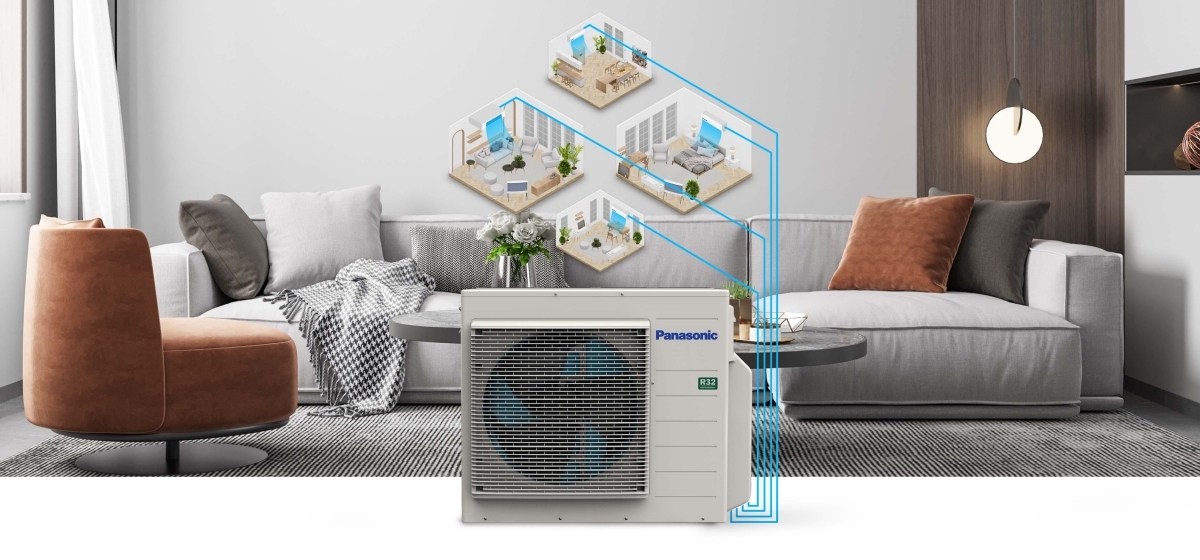
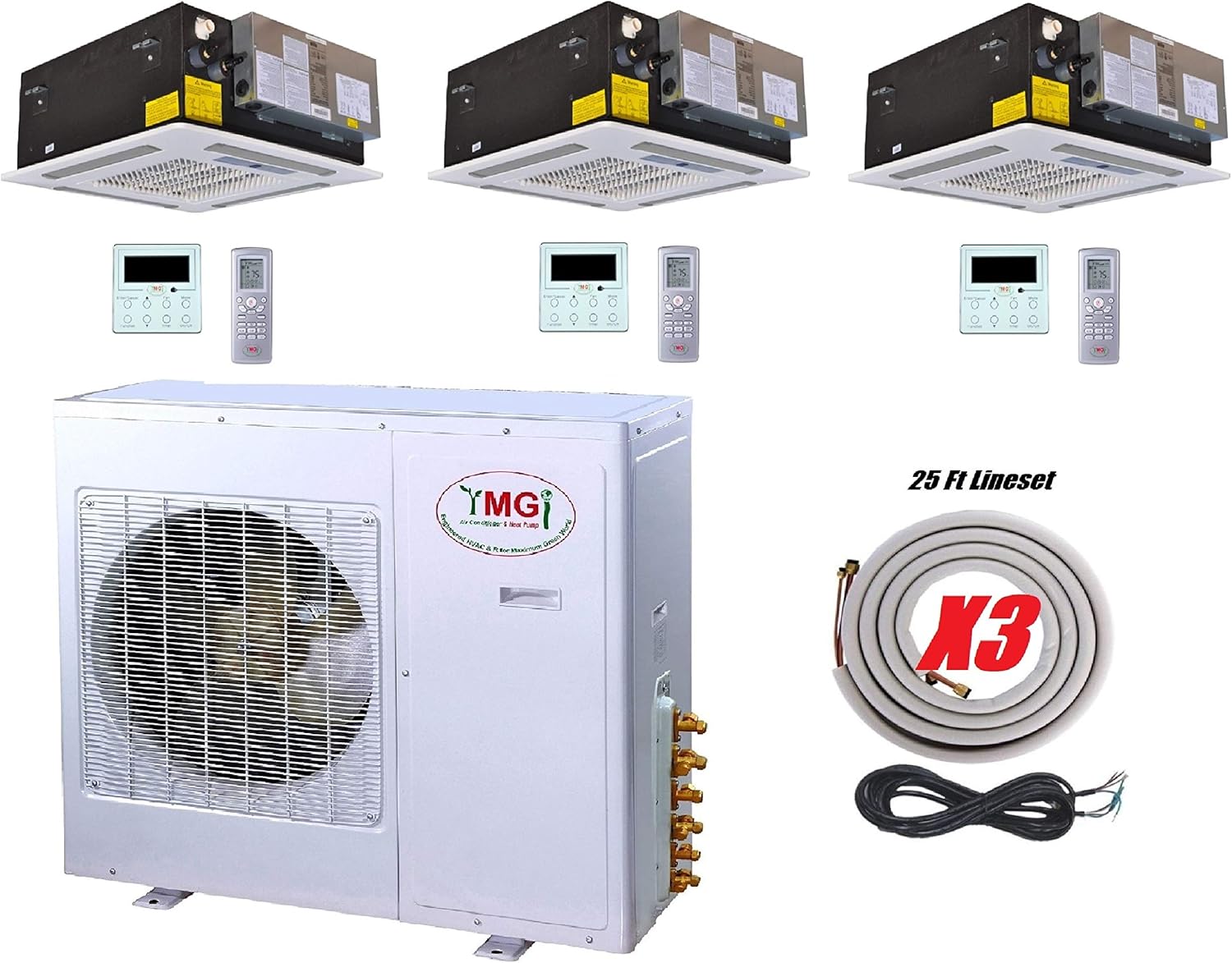
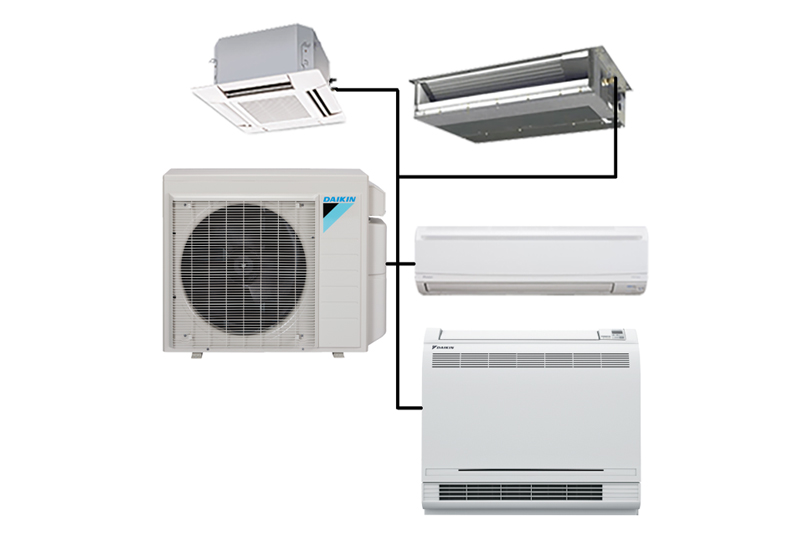
Unlike traditional central HVAC systems that rely on a network of ducts to distribute conditioned air, mini splits utilize a heat pump connected to multiple indoor air handlers. A single outdoor unit (the heat pump) can support anywhere from two to nine indoor units, depending on the system’s capacity and the manufacturer. Each indoor unit serves a specific zone or room and has its own thermostat, allowing for customized temperature control. These systems are also referred to as ductless mini splits.
The Pros and Cons of Multi-Head Mini Splits
Advantages
- Zoned Comfort: The most significant benefit is the ability to control the temperature independently in each zone. This is ideal for households with varying temperature preferences or for rooms that are rarely used.
- Energy Efficiency: Mini splits are generally more energy-efficient than traditional HVAC systems. Their ductless design eliminates energy losses associated with ductwork, and many models boast high SEER (Seasonal Energy Efficiency Ratio) and HSPF (Heating Seasonal Performance Factor) ratings.
- Easy Installation: Installation is typically less disruptive and less expensive than installing ductwork for a central system. The indoor units are mounted on walls or ceilings and connected to the outdoor unit via refrigerant lines and electrical wiring.
- Quiet Operation: Mini split systems are known for their quiet operation, both indoors and outdoors.
- Heating and Cooling: Most multi-head mini splits provide both heating and cooling capabilities, offering year-round comfort.
- Improved Air Quality: Many models include advanced air filtration systems that remove dust, allergens, and other pollutants from the air.
Disadvantages
- Upfront Cost: The initial cost of a multi-head mini split system can be higher than a traditional central AC system, especially when multiple indoor units are required.
- Aesthetic Considerations: Some homeowners find the appearance of wall-mounted indoor units less appealing than traditional vents. However, newer models are designed to be more discreet.
- Installation Complexity: While generally easier than installing ductwork, professional installation is still recommended to ensure proper sizing, refrigerant charging, and electrical connections.
- Maintenance: Like any HVAC system, multi-head mini splits require regular maintenance, including cleaning filters and inspecting refrigerant lines.
Key Features to Consider
When choosing a multi-head mini split system, consider the following features:
- SEER and HSPF Ratings: These ratings indicate the system's energy efficiency. Look for models with high SEER (cooling) and HSPF (heating) ratings to save money on energy bills.
- Number of Zones: Determine how many zones you need to heat or cool and choose a system that can accommodate that number of indoor units.
- BTU Capacity: BTU (British Thermal Units) is a measure of the system’s cooling and heating capacity. Calculate the BTU requirements for each zone based on the room size, insulation, and other factors.
- Inverter Technology: Inverter-driven compressors adjust their speed to match the cooling or heating demand, resulting in more consistent temperatures and greater energy efficiency.
- Smart Features: Some models offer smart features such as Wi-Fi connectivity, smartphone control, and voice control integration.
- Air Filtration: Look for models with advanced air filtration systems to improve indoor air quality.
- Warranty: Check the manufacturer's warranty for both the compressor and other components.
Popular Brands and Models
Several reputable brands offer high-quality multi-head mini split systems. Here are a few popular options:
- Mitsubishi Electric: Known for their reliability, energy efficiency, and advanced features, Mitsubishi Electric mini splits are a popular choice for homeowners and contractors alike. Models like the M-Series and P-Series offer a wide range of capacities and configurations.
- Daikin: Daikin is another leading manufacturer of mini split systems, offering a variety of models with features like inverter technology and advanced air filtration. The Daikin Aurora and Daikin Emura series are popular choices.
- Fujitsu: Fujitsu mini splits are known for their quiet operation and energy efficiency. The Fujitsu Halcyon series offers a range of multi-zone systems to suit different needs.
- LG: LG offers a range of mini split systems with stylish designs and smart features. The LG Art Cool and LG Multi F series are popular choices.
- Gree: Offering cost-effective solutions, Gree provides a range of mini split systems with decent efficiency ratings and features suitable for budget-conscious buyers.
"Mitsubishi Electric is a leader in mini-split technology, consistently earning high marks for performance and durability." - HVAC Industry Expert
When comparing models, pay attention to the SEER, HSPF, BTU capacity, and warranty terms. Read customer reviews and consult with an HVAC professional to determine the best system for your specific needs.
Pricing Considerations
The cost of a multi-head mini split system varies depending on several factors, including the number of zones, BTU capacity, features, and brand. Here's a general overview of pricing:
- System Cost: The cost of the outdoor unit and indoor units can range from $3,000 to $10,000 or more, depending on the size and features of the system.
- Installation Cost: Installation costs typically range from $500 to $1,500 per indoor unit, depending on the complexity of the installation and local labor rates.
- Permits and Inspections: You may need to obtain permits and inspections for the installation, which can add to the overall cost.
It's important to get multiple quotes from qualified HVAC contractors to compare pricing and ensure you're getting the best value. Be sure to ask about any rebates or incentives that may be available from your local utility company or government agencies.
AFUE, SEER, and HSPF Ratings Explained
Understanding AFUE (Annual Fuel Utilization Efficiency), SEER, and HSPF ratings is crucial for evaluating the energy efficiency of HVAC systems.
- AFUE: This rating applies to furnaces and measures the efficiency of converting fuel (e.g., natural gas, propane) into heat. A higher AFUE rating indicates greater efficiency. While not directly applicable to mini-splits that use heat pump technology, it's relevant if you're considering a hybrid system that combines a mini-split with a furnace for backup heating.
- SEER: This rating measures the cooling efficiency of air conditioners. A higher SEER rating indicates greater efficiency. Current ENERGY STAR standards require a SEER rating of at least 15 for most air conditioners. Many mini split systems offer SEER ratings of 20 or higher.
- HSPF: This rating measures the heating efficiency of heat pumps. A higher HSPF rating indicates greater efficiency. Current ENERGY STAR standards require an HSPF rating of at least 8.2 for heat pumps. Many mini split systems offer HSPF ratings of 10 or higher.
When comparing systems, look for models with high SEER and HSPF ratings to minimize your energy consumption and save money on utility bills. Also, consult the Energy Star website for certified products.
Warranty and Maintenance
A comprehensive warranty provides peace of mind and protects your investment. Most manufacturers offer warranties on the compressor and other components of the system. Be sure to read the warranty terms carefully and understand what is covered and what is not.
Regular maintenance is essential for ensuring the longevity and efficiency of your multi-head mini split system. Here are some key maintenance tasks:
- Clean or Replace Air Filters: Clean or replace air filters every one to three months, depending on usage and air quality.
- Clean Indoor Units: Clean the indoor units regularly to remove dust and debris.
- Inspect Outdoor Unit: Inspect the outdoor unit for debris, leaves, and other obstructions.
- Professional Maintenance: Schedule professional maintenance at least once a year to inspect refrigerant levels, electrical connections, and other components.
Following the manufacturer's recommended maintenance schedule will help keep your system running smoothly and prevent costly repairs.
Is a Multi-Head Mini Split Right for You?
Multi-head mini split systems are an excellent choice for homeowners who want zoned comfort, energy efficiency, and easy installation. They are particularly well-suited for:
- Homes without existing ductwork
- Additions or renovations
- Rooms with varying temperature needs
- Homeowners seeking to reduce energy consumption
- Real estate investors looking to upgrade property systems
By carefully considering your needs, budget, and the features of different models, you can choose a multi-head mini split system that provides years of comfortable and efficient heating and cooling.