Multi Zone Mini Split Heat Pump

Multi-zone mini-split heat pumps are becoming increasingly popular for home and office climate control. They offer a flexible and efficient way to heat and cool individual rooms or zones, providing personalized comfort and potential energy savings. This guide provides a comprehensive overview of multi-zone mini-split systems, covering everything from their basic principles to installation considerations.
What is a Multi-Zone Mini-Split Heat Pump?
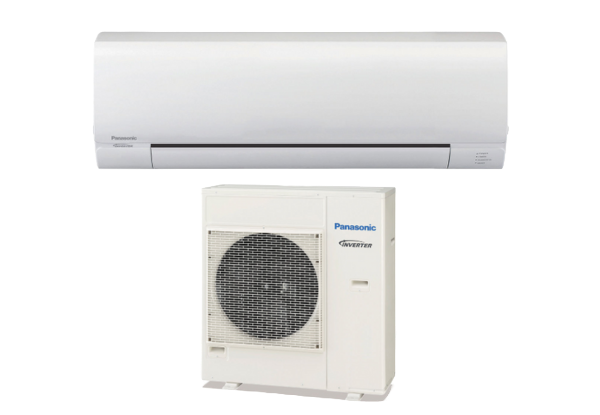
At its core, a multi-zone mini-split heat pump is a ductless heating and cooling system. Unlike traditional central air systems that rely on a network of ducts to distribute air, mini-splits use a system of indoor air handlers connected to a single outdoor condenser.
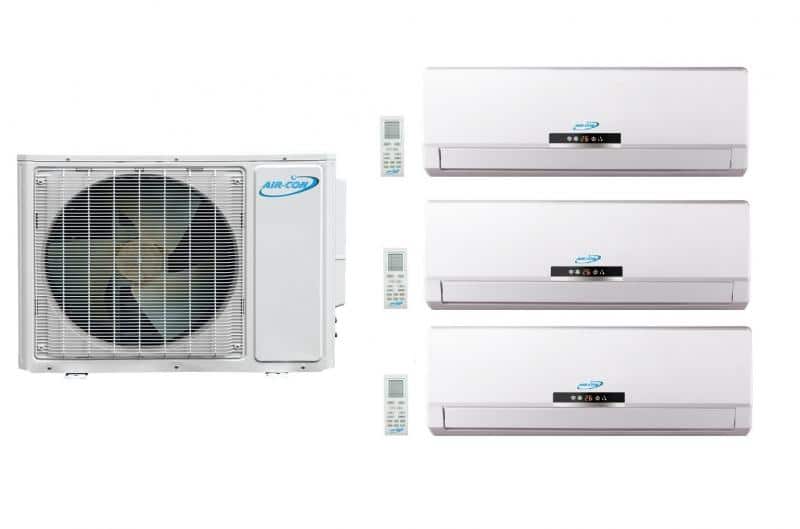
Multi-zone refers to the ability to connect multiple indoor units (air handlers) to a single outdoor unit. Each indoor unit can be controlled independently, allowing you to set different temperatures in different rooms or zones. Think of it as having individual climate control for each area of your home.
Mini-split refers to the fact that the system is "split" into two main components: an outdoor condenser and indoor air handlers. It also reflects the smaller size and less invasive installation compared to ducted systems.
Heat pump refers to the technology used to both heat and cool. A heat pump works by transferring heat from one place to another. In the summer, it extracts heat from inside your home and releases it outside. In the winter, it reverses the process, extracting heat from the outside air (even when it's cold) and transferring it inside.
How Does a Multi-Zone Mini-Split Work?
The system operates on a closed-loop cycle using refrigerant. Think of refrigerant as the "blood" of the system, carrying heat from one place to another. Here's a simplified breakdown of the process:
- Cooling Mode:
- The indoor unit absorbs heat from the room, cooling the air that is circulated.
- The refrigerant carries this heat to the outdoor unit.
- The outdoor unit releases the heat to the outside air.
- The cooled refrigerant then returns to the indoor unit to repeat the cycle.
- Heating Mode:
- The outdoor unit absorbs heat from the outside air (even in cold temperatures – heat exists even in very cold air).
- The refrigerant carries this heat to the indoor unit.
- The indoor unit releases the heat into the room, warming the air.
- The cooled refrigerant then returns to the outdoor unit to repeat the cycle.
A compressor in the outdoor unit is responsible for circulating the refrigerant and changing its pressure to facilitate heat transfer. The pressure changes affect the refrigerant's temperature, allowing it to absorb or release heat efficiently.
The key advantage of a heat pump is that it's much more efficient than traditional heating systems (like furnaces or electric resistance heaters). Instead of generating heat, it simply moves it, which requires significantly less energy.
Components of a Multi-Zone Mini-Split System
Understanding the individual components will help you better grasp how the system works:
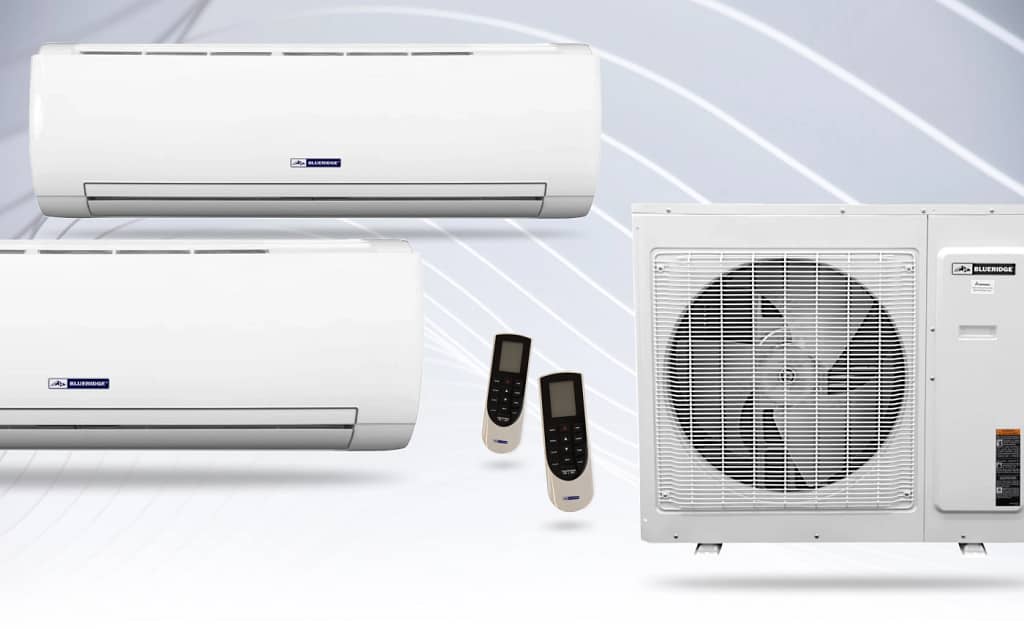
- Outdoor Condenser: This unit houses the compressor, condenser coil, and fan. It's responsible for releasing heat during cooling and absorbing heat during heating. The size of the outdoor unit is determined by the total heating and cooling load of all the indoor units connected to it.
- Indoor Air Handlers: These units are mounted inside each room or zone you want to heat or cool. They contain an evaporator coil, a fan, and controls. They come in various styles, including wall-mounted, ceiling cassette, and floor-mounted. Each unit has its own thermostat, allowing for independent temperature control.
- Refrigerant Lines: These insulated copper tubes connect the indoor and outdoor units and carry the refrigerant. They are typically run through a small hole in the wall.
- Control System: This includes thermostats for each indoor unit, a central control panel (optional), and often a remote control for each zone. Many modern systems also offer smartphone app control.
Advantages of Multi-Zone Mini-Split Systems
Multi-zone mini-splits offer several benefits compared to traditional heating and cooling systems:
- Zoned Comfort: The ability to control the temperature in each room independently is a major advantage. You can heat or cool only the rooms you're using, saving energy and improving comfort.
- Energy Efficiency: Heat pumps are inherently more efficient than traditional heating methods. Multi-zone systems further enhance efficiency by allowing you to avoid heating or cooling unoccupied spaces. Look for models with high SEER (Seasonal Energy Efficiency Ratio) and HSPF (Heating Seasonal Performance Factor) ratings.
- Ductless Design: The absence of ducts eliminates energy losses associated with duct leakage, which can be significant in traditional systems. Ductless systems are also easier to install, especially in older homes where adding ductwork would be difficult or costly.
- Quiet Operation: Mini-split systems are generally very quiet, both indoors and outdoors.
- Improved Air Quality: Some systems include advanced filtration systems that can remove dust, pollen, and other allergens from the air.
- Easy Installation: Compared to installing ductwork, mini-split installation is relatively straightforward, although it should always be performed by a qualified professional.
- Heating and Cooling in One System: You get both heating and cooling capabilities in a single unit, eliminating the need for separate heating and cooling systems.
Disadvantages of Multi-Zone Mini-Split Systems
While multi-zone mini-splits offer many advantages, there are also some potential drawbacks to consider:
- Initial Cost: The upfront cost of a multi-zone mini-split system can be higher than traditional window units or even some central air systems, especially for whole-house solutions. However, consider the long-term energy savings.
- Aesthetics: Indoor units, particularly wall-mounted models, can be visible in your rooms. Careful placement can minimize their impact, and some models are designed to be more aesthetically pleasing. Ceiling cassette models offer a more discreet option.
- Installation Complexity: While generally easier than installing ductwork, proper installation requires specialized knowledge and equipment. It's crucial to hire a qualified and experienced installer to ensure optimal performance and longevity.
- Refrigerant Leaks: Like any system that uses refrigerant, there is a potential for leaks. Regular maintenance can help prevent leaks and ensure efficient operation.
- Limited Heating Capacity in Extreme Cold: While modern heat pumps are much better at operating in cold climates than older models, their heating capacity can decrease in extremely low temperatures. In very cold regions, a supplemental heating source may be necessary.
Factors to Consider When Choosing a Multi-Zone Mini-Split System
Selecting the right multi-zone mini-split system involves careful consideration of several factors:
- Heating and Cooling Load: Determine the heating and cooling requirements for each zone. This involves considering the size of the room, insulation levels, window area, and other factors. A professional HVAC contractor can perform a load calculation to accurately assess your needs.
- Number of Zones: Decide how many zones you need to control independently. This will determine the number of indoor units required.
- Indoor Unit Style: Choose the style of indoor unit that best suits your needs and preferences. Consider wall-mounted, ceiling cassette, and floor-mounted options.
- SEER and HSPF Ratings: Look for models with high SEER (Seasonal Energy Efficiency Ratio) and HSPF (Heating Seasonal Performance Factor) ratings to maximize energy efficiency. Higher ratings indicate better performance.
- Brand Reputation and Warranty: Research different brands and choose a reputable manufacturer with a solid warranty.
- Installation Costs: Get quotes from multiple installers and compare their prices and experience. Ensure they are licensed and insured.
- Features: Consider features such as smart home integration, programmable thermostats, and air purification systems.
- Noise Level: Check the decibel rating of both the indoor and outdoor units to ensure quiet operation.
Installation Process
The installation of a multi-zone mini-split system typically involves the following steps:
- Mounting the Outdoor Unit: The outdoor unit is typically mounted on a concrete pad or brackets on the side of the house.
- Mounting the Indoor Units: Indoor units are mounted on the wall, ceiling, or floor, depending on the chosen style.
- Running Refrigerant Lines: Refrigerant lines are run from the outdoor unit to each indoor unit through small holes in the wall.
- Electrical Connections: Electrical connections are made to both the indoor and outdoor units.
- System Evacuation and Charging: The system is evacuated of air and moisture and then charged with refrigerant.
- Testing and Commissioning: The system is tested to ensure it is operating correctly.
It's crucial to hire a qualified and licensed HVAC contractor for the installation. Improper installation can lead to reduced performance, increased energy consumption, and potential safety hazards.
Maintenance
Regular maintenance is essential to keep your multi-zone mini-split system running efficiently and reliably. Here are some basic maintenance tasks:
- Clean Air Filters: Clean or replace the air filters in the indoor units every month or two. Dirty filters can restrict airflow and reduce efficiency.
- Clean Outdoor Unit Coils: Periodically clean the outdoor unit coils to remove dirt, leaves, and debris.
- Inspect Refrigerant Lines: Inspect the refrigerant lines for leaks or damage.
- Professional Service: Schedule a professional service appointment at least once a year. A qualified technician can inspect the system, clean the coils, check the refrigerant charge, and identify any potential problems.
Conclusion
Multi-zone mini-split heat pumps offer a flexible, efficient, and comfortable way to heat and cool your home or office. By understanding the principles of operation, the components of the system, and the factors to consider when choosing a system, you can make an informed decision and enjoy the benefits of zoned comfort and energy savings. Remember to consult with a qualified HVAC professional to determine the best system for your specific needs and to ensure proper installation.