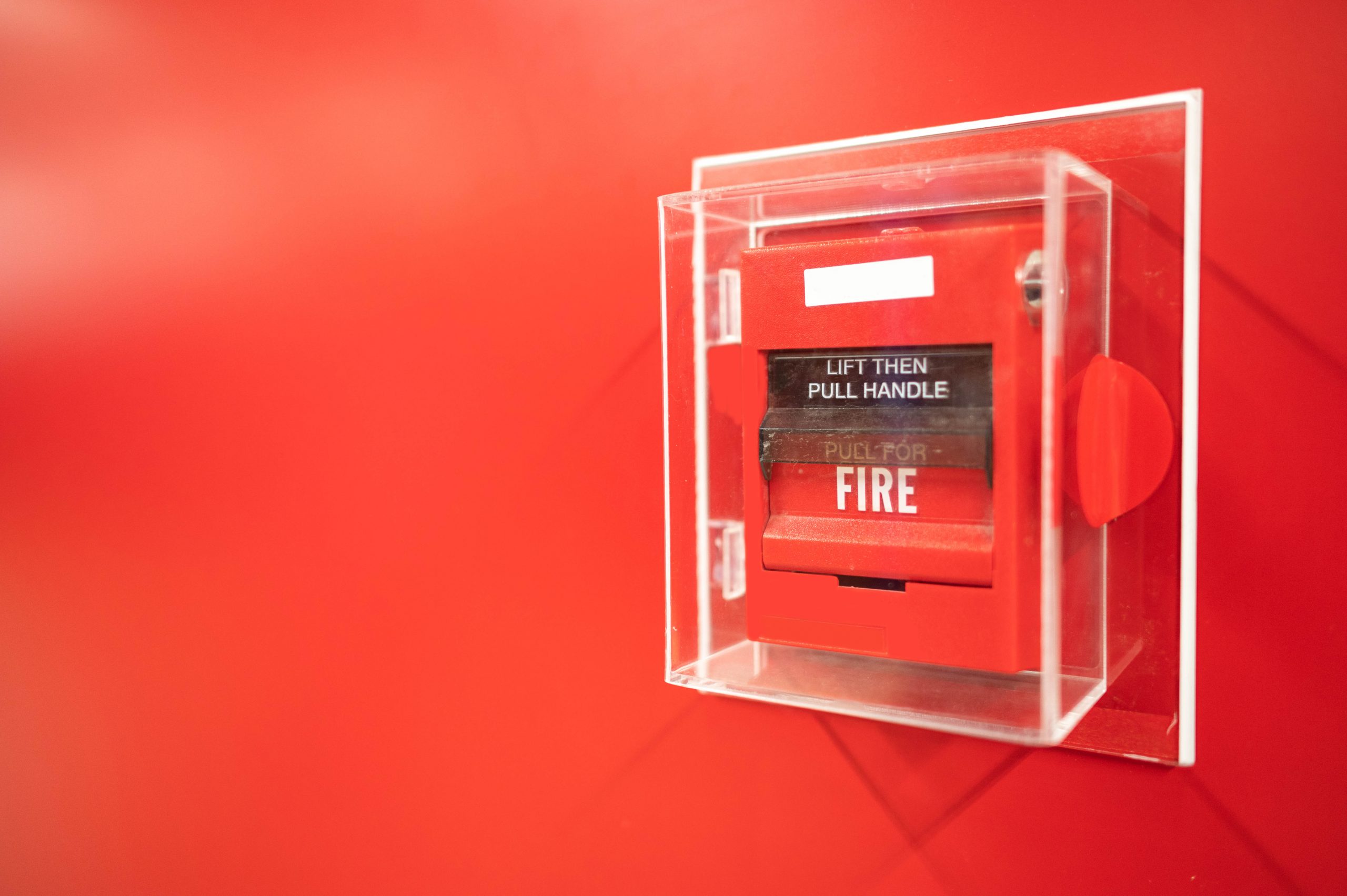
Multiple Fire Alarms Going Off

A symphony of beeping in the middle of the night – multiple fire alarms going off simultaneously can be incredibly alarming and disruptive. Before assuming the worst and calling the fire department, it's crucial to systematically troubleshoot the issue. Often, the culprit is something far less dramatic than a raging inferno.
Think of it like a faulty toaster. If your toaster starts burning toast every time, you wouldn't immediately assume your entire kitchen is about to explode. You'd likely check the settings, make sure it's clean, and perhaps even consider replacing it if those basic checks don't work. Similarly, with interconnected fire alarms, a single issue can trigger them all.
Understanding Interconnected Fire Alarms
Most modern homes have interconnected fire alarms. This means that when one alarm detects smoke or carbon monoxide, it signals all the other alarms in the house to sound as well. This is a vital safety feature, ensuring everyone in the home is alerted, even if they're far away from the initial source of danger.
However, this interconnectedness also means that a single faulty alarm, a power surge, or even environmental factors can cause a widespread alarm activation. Therefore, a calm and methodical approach is key to identifying and resolving the problem.
Troubleshooting: A Step-by-Step Guide
Follow these steps to diagnose and potentially fix the issue:
Step 1: Safety First!
Even if you suspect a false alarm, never ignore a fire alarm. Evacuate the house immediately. Once outside, assess the situation and determine if there's any sign of fire or smoke. If there is, call the fire department immediately.
If you're confident there's no fire after a thorough visual inspection from a safe distance, proceed to the next step.
Step 2: Silence the Alarms
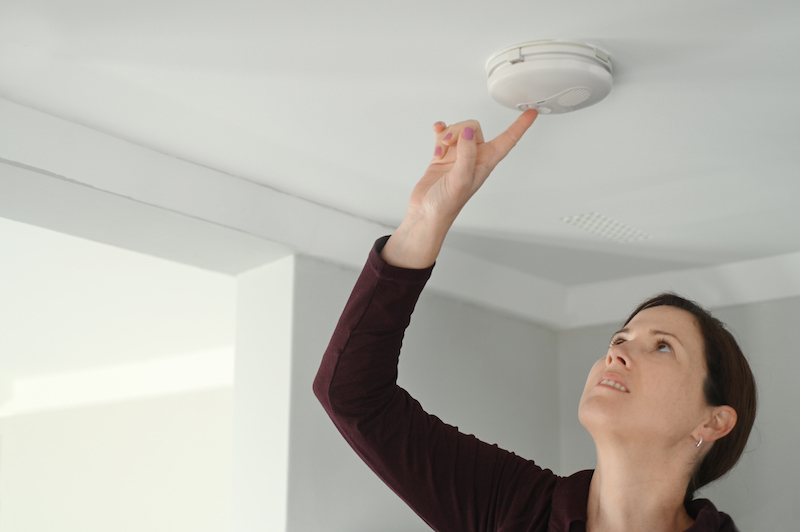
Most fire alarms have a "hush" or "silence" button. Press this button on one of the alarms. This should temporarily silence all the interconnected alarms. This will buy you some time to investigate without the incessant beeping. Note which alarm was used to silence the rest, as this might be the problem unit.
Step 3: Identify the Triggering Alarm
After silencing the alarms, carefully inspect each one individually. Look for the following:
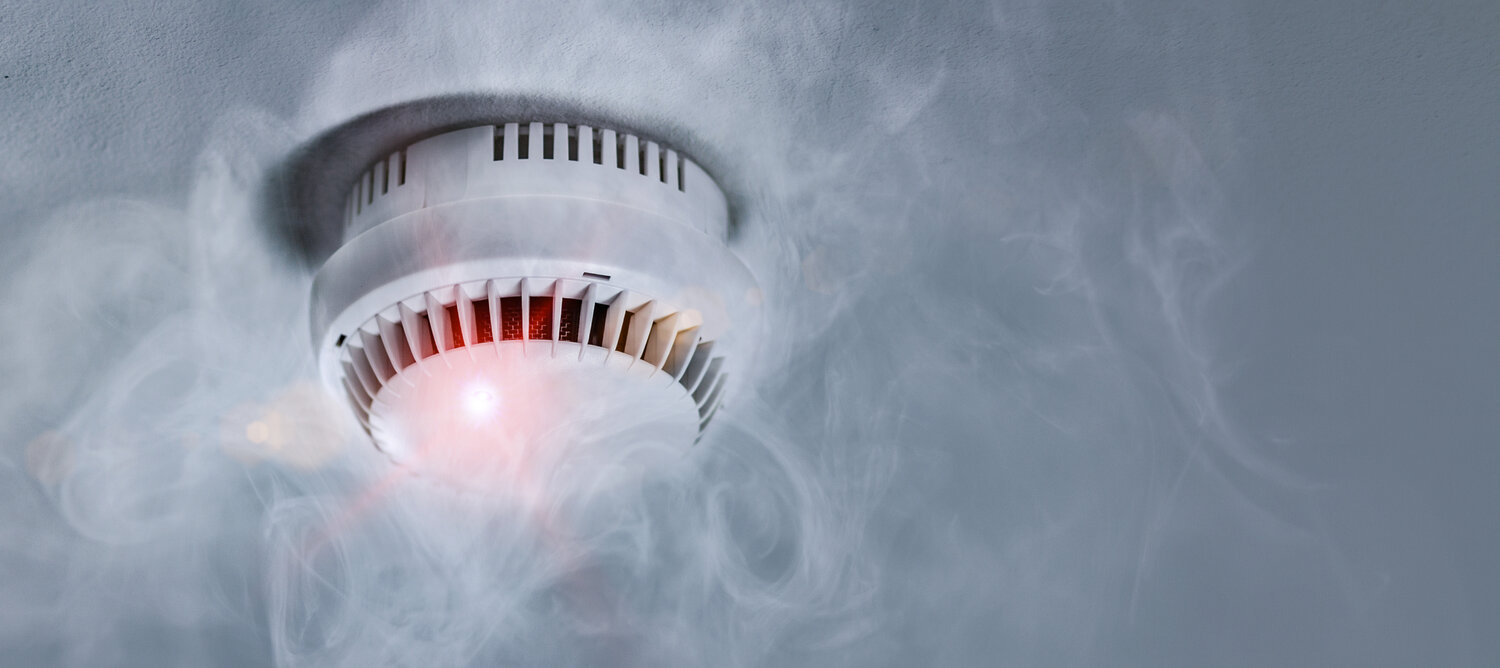
- Red or flashing light: This often indicates the alarm that triggered the system.
- Dust and debris: A buildup of dust can trigger false alarms.
- Steam or humidity: Steam from a shower or humidity from cooking can also set off alarms, especially those located near bathrooms or kitchens.
- Insects: Small insects crawling inside the alarm can sometimes trigger the sensor.
- Age of the alarm: Fire alarms have a limited lifespan (usually 10 years). Check the manufacturing date on the back of each alarm. If they are older than 10 years, they likely need replacing.
Step 4: Clean the Alarms
Dust and debris are common culprits. Use a vacuum cleaner with a brush attachment to gently clean the outside of each alarm. Pay particular attention to the vents and sensor areas. You can also use a slightly damp cloth to wipe down the exterior, but be sure to dry it thoroughly before re-installing it.
Step 5: Check the Batteries
Low batteries are a frequent cause of false alarms, especially in interconnected systems. Even if the alarms are hardwired, they usually have battery backups. Replace the batteries in all the alarms simultaneously. Use the type of battery recommended by the manufacturer (usually 9-volt). Make sure to properly dispose of the old batteries according to local regulations.
To test the alarms after replacing the batteries, press the "test" button on each alarm. You should hear a loud beep. If an alarm doesn't beep, it may be faulty and need replacing.
Step 6: Inspect for Environmental Factors
Consider the location of the alarms and any recent environmental changes:
- Cooking fumes: Did someone recently burn something in the kitchen?
- Steam: Was a hot shower or bath taken recently?
- Dust: Was there any recent construction or renovation work in the house?
- Aerosol sprays: Were any aerosol sprays (hair spray, cleaning products) used near the alarms?
If environmental factors are the likely cause, ventilate the area by opening windows and doors. The alarms should eventually reset themselves.
Step 7: Power Supply Issues (Caution: Electricity)
If the alarms are hardwired, a power surge or outage can sometimes cause them to malfunction.
Warning: Working with electrical wiring can be dangerous. If you are not comfortable working with electricity, consult a qualified electrician.
- Check the circuit breaker: Locate the circuit breaker that controls the fire alarms and make sure it hasn't tripped. If it has, reset it.
- Inspect the wiring: (Only if you are comfortable and knowledgeable about electrical wiring) Check the wiring connections to the alarms. Make sure the wires are securely connected and there are no signs of damage or corrosion.
If you suspect a power surge damaged the alarms, you may need to replace them.
Step 8: Check the Alarm Settings (If Applicable)
Some advanced fire alarms have adjustable sensitivity settings. If your alarms are frequently triggering false alarms, you may be able to lower the sensitivity. Consult the manufacturer's instructions for how to adjust the settings.
Important: Be cautious when adjusting sensitivity. Lowering it too much could compromise the alarm's ability to detect real fires. Only adjust the sensitivity if you are experiencing frequent false alarms and have ruled out other causes.
Step 9: Isolating the Faulty Alarm
If all the above steps fail, the problem likely lies with a single faulty alarm. To identify the culprit, you can try the following:
- Disconnect one alarm: Disconnect one alarm from the system (either by removing the battery or disconnecting the wiring – again, use caution when dealing with electrical wiring). Wait to see if the other alarms trigger again. If they don't, the disconnected alarm is likely the problem.
- Repeat the process: Repeat this process, disconnecting one alarm at a time, until you identify the faulty unit.
Important: Ensure that your home still has adequate fire protection while troubleshooting. Consider temporarily installing a portable fire alarm while you are testing the system.
Step 10: Replacing a Faulty Alarm
Once you've identified the faulty alarm, replace it with a new one. Be sure to purchase a compatible alarm that is designed to work with your existing interconnected system. Follow the manufacturer's instructions for installation.
When to Call a Professional
While many fire alarm issues can be resolved with basic troubleshooting, some situations require the expertise of a qualified professional:
- Persistent false alarms: If you've tried all the troubleshooting steps and the alarms are still triggering false alarms, it's time to call an electrician or fire alarm technician.
- Electrical issues: If you suspect an electrical problem is causing the alarms to malfunction, do not attempt to fix it yourself. Contact a qualified electrician.
- Complex wiring: If your fire alarm system has complex wiring or is integrated with other home automation systems, it's best to leave the repairs to a professional.
- You are uncomfortable: If at any point you feel uncomfortable or unsure about performing any of the troubleshooting steps, don't hesitate to call a professional.
Preventive Maintenance
The best way to prevent multiple fire alarms from going off is to perform regular maintenance:
- Test the alarms monthly: Press the "test" button on each alarm to ensure it's working properly.
- Replace batteries annually: Even if the alarms are hardwired, replace the batteries at least once a year. A good reminder is to do it when you change your clocks for daylight saving time.
- Clean the alarms regularly: Dust and vacuum the alarms every few months.
- Replace alarms every 10 years: Fire alarms have a limited lifespan and should be replaced every 10 years, regardless of whether they are still working.
Conclusion
Dealing with multiple fire alarms going off can be stressful, but by following a systematic troubleshooting approach, you can often identify and resolve the issue yourself. Remember to prioritize safety, be methodical in your investigation, and don't hesitate to call a professional when needed. By taking proactive steps to maintain your fire alarm system, you can ensure the safety of your home and family.