My Ac Unit Will Not Turn On
Is your air conditioning unit stubbornly refusing to power on? A malfunctioning AC unit, especially during peak summer months, can be a major inconvenience and a drain on your wallet. Not only does it impact your comfort, but it also affects the efficiency of your home's energy consumption. This guide will walk you through the common causes of an AC unit refusing to start, offering DIY troubleshooting tips and advice on when to call a professional. We'll also explore how energy-efficient upgrades and smart home integration can prevent future issues and contribute to significant energy savings.
Troubleshooting: Why Won't My AC Turn On?
Before calling an HVAC technician, there are several potential issues you can investigate yourself. Remember to always prioritize safety by turning off the power to the AC unit at the breaker box before attempting any repairs.
1. Check the Thermostat
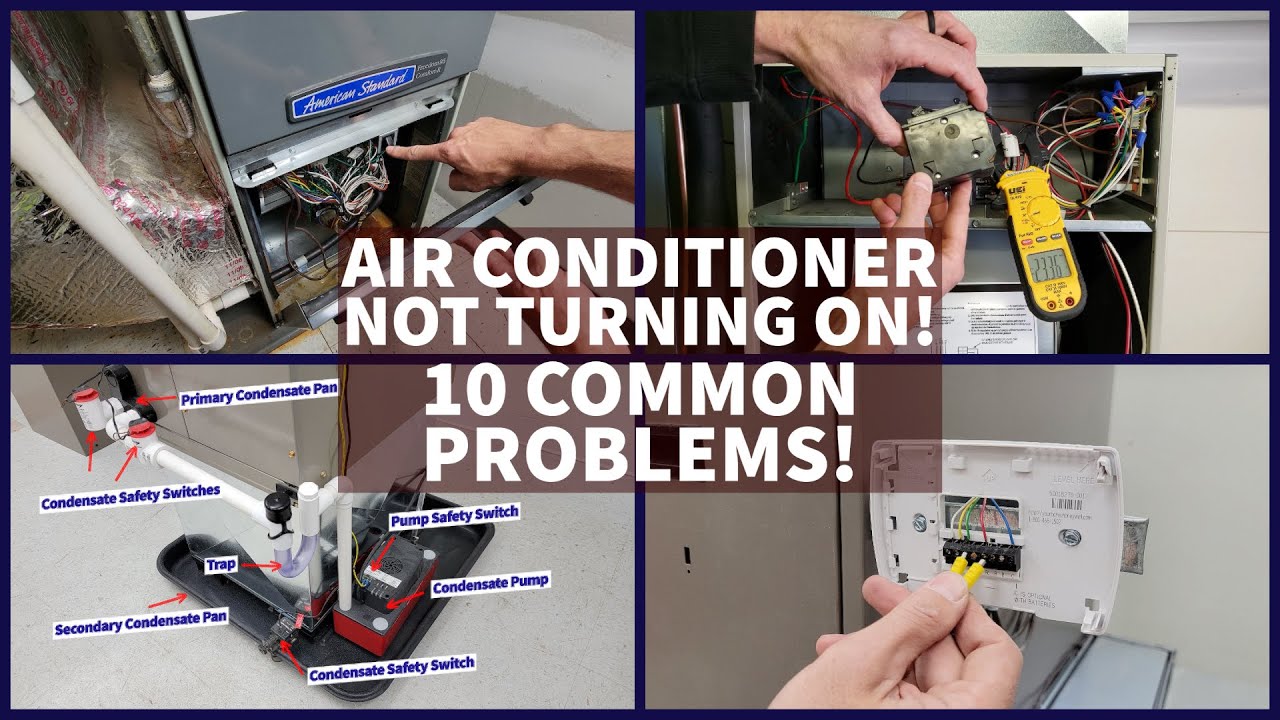
This might seem obvious, but it's the most frequent culprit. Is the thermostat set to "Cool"? Is the temperature setting lower than the current room temperature? Ensure the thermostat is powered on and the batteries (if applicable) are fresh. A faulty thermostat might require replacement. Upgrading to a smart thermostat, like those offered by Nest or ecobee, not only gives you remote control and scheduling capabilities but also provides valuable data on your energy usage, potentially leading to significant cost savings. These devices learn your habits and optimize cooling for efficiency.
2. Inspect the Electrical Panel (Breaker Box)
A tripped breaker is a common reason for an AC unit to fail. Locate the breaker labeled "AC" or "HVAC" and check its position. If it's in the "tripped" (middle) position, flip it fully off and then back on. If the breaker trips again immediately, it indicates a more serious electrical problem requiring professional attention. Regularly scheduled electrical inspections can help prevent this. Consider also a whole house surge protector to protect all your sensitive appliances.
3. Examine the Disconnect Switch
Most AC units have a disconnect switch located near the outdoor condenser unit. This switch is a safety measure that allows you to cut power to the unit for maintenance. Ensure the switch is in the "On" position. It might be a simple on/off switch or a pull-out block. If it's a pull-out block, make sure it's fully inserted.
4. Clean the Air Filter
A dirty air filter restricts airflow, forcing the AC unit to work harder and potentially overheat. A severely clogged filter can cause the unit to shut down completely. Check the air filter and replace it if it's dirty. Energy Star recommends changing your air filter every 1-3 months, depending on usage and the filter type. Switching to a higher MERV-rated filter can improve air quality but may also increase airflow restriction, so choose wisely. A clean filter improves efficiency and extends the life of your AC unit. Remember that dirty air filters also cause higher energy bills.
5. Check the Outdoor Condenser Unit
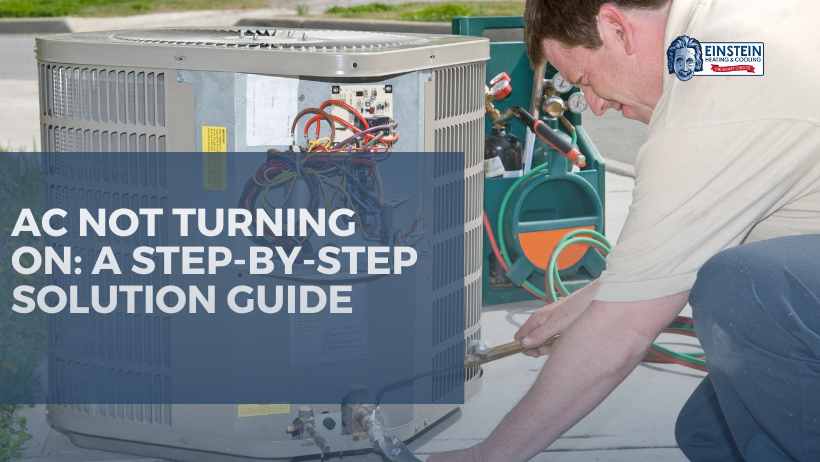
The outdoor condenser unit can accumulate debris like leaves, grass clippings, and dirt, hindering its ability to dissipate heat. Carefully remove any visible debris from the fins of the unit. You can use a garden hose to gently rinse the fins from the inside out. Avoid using a pressure washer, as it can damage the delicate fins. Ensure vegetation isn't obstructing airflow around the unit; ideally, there should be at least 2-3 feet of clearance on all sides.
6. Inspect the Condensate Drain Line
The condensate drain line removes moisture from the AC unit. If this line becomes clogged, water can back up and trigger a safety switch that shuts off the unit. Locate the drain line (usually a PVC pipe near the indoor unit) and check for any blockages. You can try clearing it with a wet/dry vacuum or a stiff wire. Some homeowners use a mixture of bleach and water to flush the drain line periodically, but be sure to consult your AC unit's manual for specific instructions.
7. Capacitor Issues
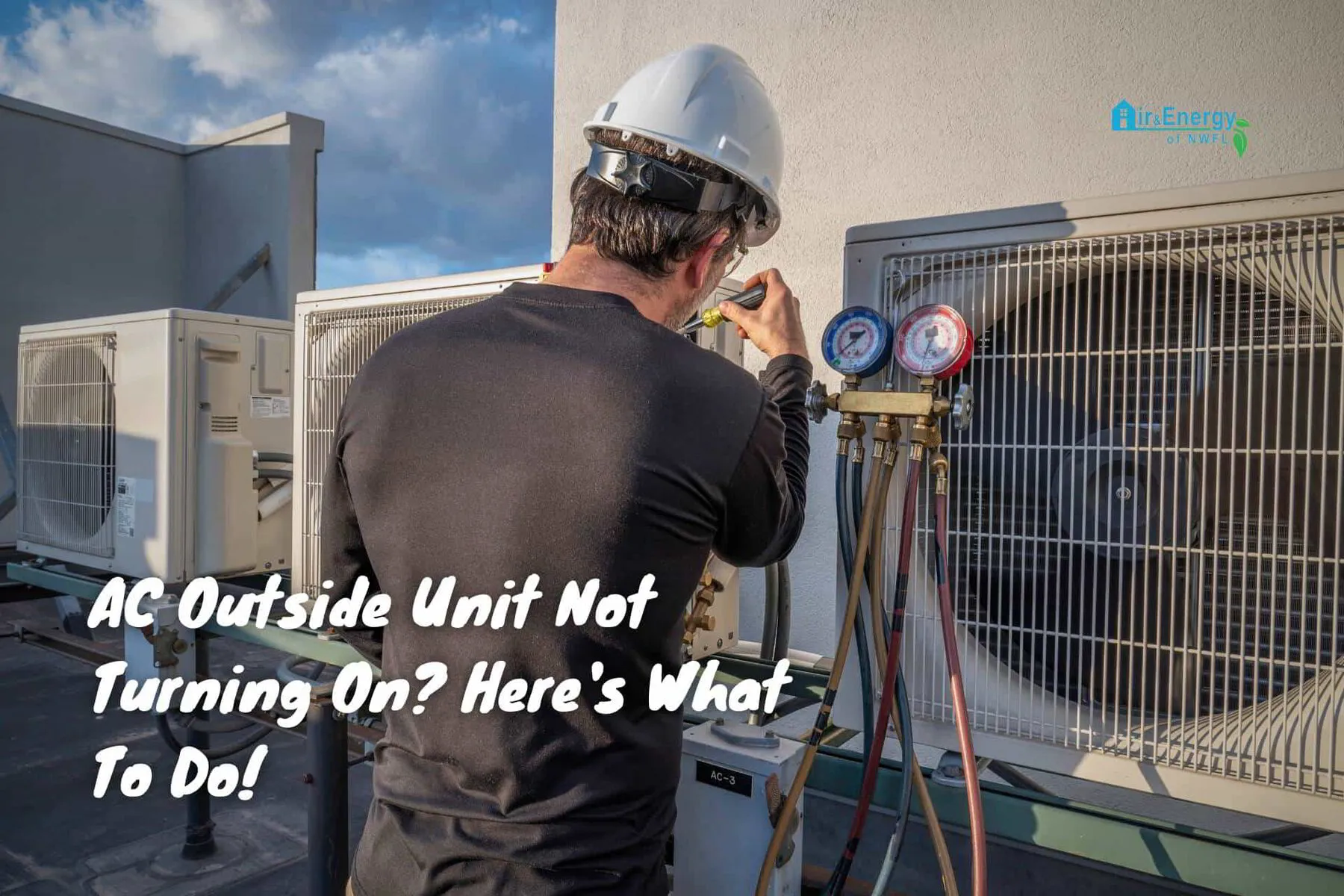
Capacitors are essential components that help start and run the AC unit's motor. A failing capacitor is a common cause of AC problems. While you can visually inspect capacitors for bulging or leaking, testing them requires specialized tools and knowledge. This is best left to a qualified HVAC technician.
When to Call a Professional
If you've tried the troubleshooting steps above and your AC unit still won't turn on, it's time to call a professional HVAC technician. Here are some situations where professional help is essential:
- Electrical Issues: If the breaker trips repeatedly or you suspect an electrical problem, do not attempt to fix it yourself. Electrical work is dangerous and requires expertise.
- Refrigerant Leaks: If you suspect a refrigerant leak, contact a professional immediately. Refrigerant is harmful to the environment, and only certified technicians can handle it properly.
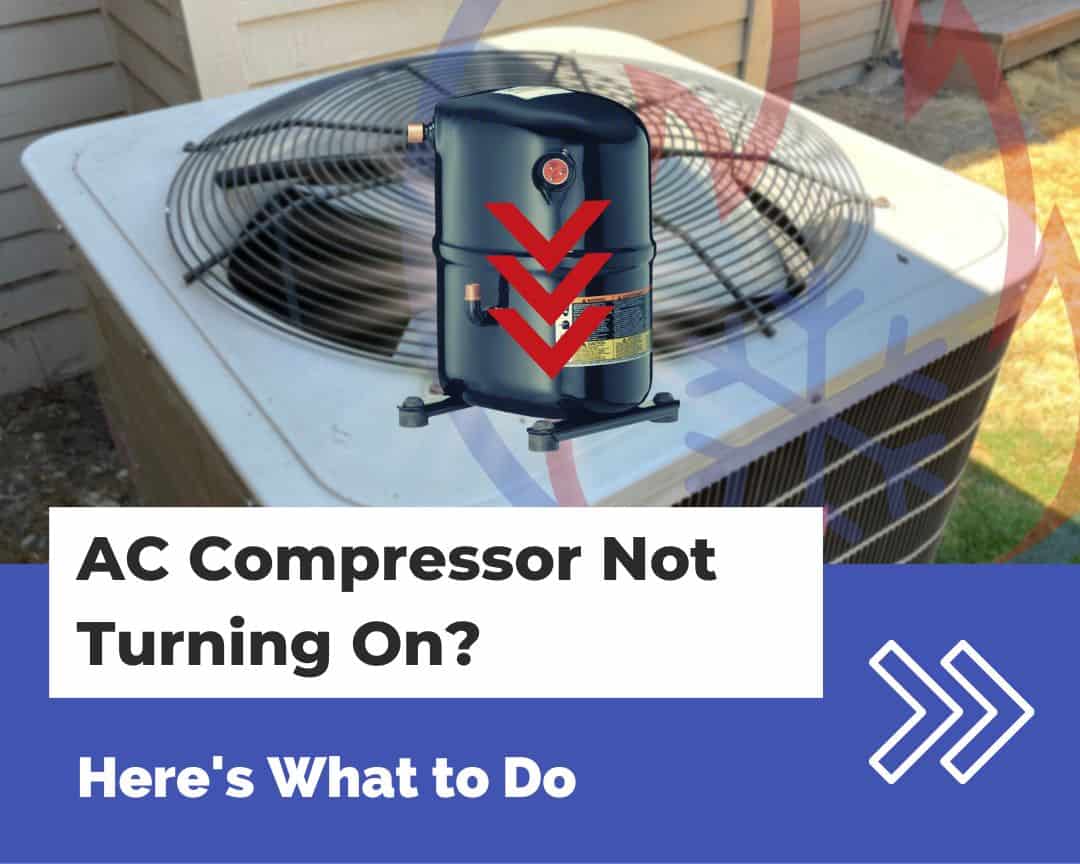
- Compressor Problems: The compressor is the heart of the AC unit, and repairs are complex and costly. If you suspect a compressor issue, it's best to consult with a professional.
- Capacitor Failure: As mentioned earlier, diagnosing and replacing capacitors requires specialized knowledge and equipment.
- Unfamiliar with HVAC Systems: If you're uncomfortable working with electrical components or HVAC systems, it's always best to err on the side of caution and call a professional.
Energy-Efficient Upgrades and Smart Home Integration
Beyond basic troubleshooting, consider upgrading to a more energy-efficient AC system to reduce your energy consumption and lower your utility bills. High-efficiency AC units, often identified by their SEER (Seasonal Energy Efficiency Ratio) rating, use less energy to provide the same amount of cooling. Look for units with a SEER rating of 15 or higher to qualify for potential rebates and incentives. The higher the SEER rating, the more efficient the unit. Consider also Energy Star certified models, as these meet strict energy efficiency guidelines set by the EPA.
Integrating your HVAC system with a smart home ecosystem can further enhance energy efficiency and comfort. Smart thermostats, as mentioned earlier, learn your habits and adjust the temperature accordingly. Smart sensors can detect room occupancy and adjust cooling only when needed. Some smart home systems can even monitor the performance of your AC unit and alert you to potential problems before they escalate, preventing costly repairs.
The Return on Investment (ROI) for energy-efficient HVAC upgrades can be significant. While the initial cost may be higher, the long-term energy savings can quickly offset the investment. Many utility companies offer rebates and incentives for upgrading to energy-efficient appliances, further reducing the upfront cost.
Preventative Maintenance: Avoiding Future Issues
Regular maintenance is crucial for ensuring the longevity and efficiency of your AC unit. Here are some preventative maintenance tasks you can perform:
- Annual Professional Tune-Up: Schedule an annual tune-up with a qualified HVAC technician. They will inspect the unit, clean the coils, check the refrigerant levels, and identify any potential problems.
- Regular Air Filter Replacement: As mentioned earlier, replace your air filter regularly (every 1-3 months).
- Clean the Outdoor Unit: Keep the outdoor unit free of debris and ensure adequate airflow.
- Inspect the Condensate Drain Line: Check the condensate drain line for blockages and clear it as needed.
- Monitor Energy Usage: Pay attention to your energy bills and look for any unusual spikes in consumption. This could indicate a problem with your AC unit.
By understanding the common causes of AC unit failure, performing regular maintenance, and investing in energy-efficient upgrades, you can ensure your home stays cool and comfortable while minimizing your energy consumption. Remember, a well-maintained and efficient AC system not only saves you money but also contributes to a more sustainable future.
Government guidelines and incentives, particularly those associated with Energy Star, are designed to encourage homeowners and businesses to adopt energy-efficient practices. Take advantage of these programs to reduce your carbon footprint and lower your energy bills.