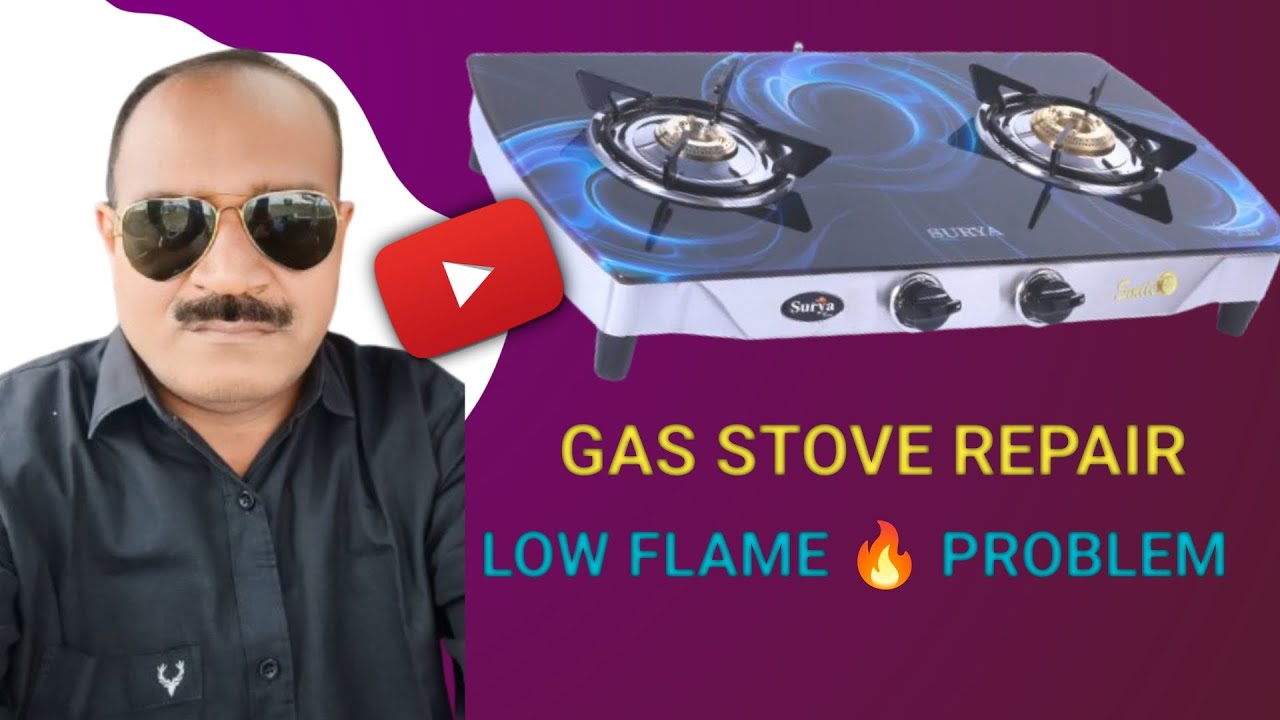
My Gas Stove Flame Is Low

Understanding a Low Flame on Your Gas Stove: A Comprehensive Guide
A low flame on your gas stove can be frustrating and inefficient. It can extend cooking times, affect the quality of your food, and even indicate a more serious underlying problem. This guide will walk you through the common causes of a low flame, troubleshooting steps, and when it’s time to call a professional. Whether you're a homeowner, real estate investor assessing appliance functionality, or a contractor advising clients, understanding this issue is crucial for maintaining a safe and efficient kitchen.
Common Causes of a Low Gas Stove Flame
Several factors can contribute to a weak or low flame on your gas stove. Identifying the root cause is the first step in resolving the issue.
- Clogged Burner Ports: This is the most frequent culprit. Food debris, grease, and spills can block the small holes (ports) on the burner, restricting gas flow and resulting in a smaller flame.
- Dirty Burner Cap: The burner cap sits on top of the burner head and helps distribute the gas evenly. If it's dirty or improperly positioned, it can disrupt the flame.
- Gas Supply Issues: A problem with the gas supply line, regulator, or even the main gas valve can limit the amount of gas reaching the stove.
- Faulty Gas Regulator: The gas regulator maintains a consistent gas pressure to the appliance. A malfunctioning regulator can cause fluctuating or consistently low gas pressure.
- Blocked or Kinked Gas Line: The flexible gas line connecting the stove to the gas supply can become kinked or blocked, restricting gas flow.
- Moisture in the Burner: Water or other liquids spilled onto the burner can temporarily interfere with the flame.
Troubleshooting a Low Gas Stove Flame: A Step-by-Step Guide
Before calling a technician, try these troubleshooting steps. Always turn off the gas supply to the stove before attempting any repairs.
- Clean the Burner Ports: This is usually the first and most effective step.
- Remove the burner cap and burner head.
- Use a stiff wire brush, a sewing needle, or a specialized burner cleaning tool to clear each port. Be thorough!
- Soak the burner head in warm soapy water for 15-20 minutes to loosen stubborn debris.
- Rinse the burner head thoroughly and allow it to dry completely before reassembling.
- Clean the Burner Cap: Wash the burner cap with warm soapy water and a non-abrasive sponge. Ensure it's completely dry before replacing it. Inspect it for any damage or warping, which could affect the flame.
- Check the Burner Alignment: Make sure the burner cap and burner head are properly aligned. Incorrect alignment can obstruct the gas flow.
- Check the Gas Supply Valve: Ensure the gas supply valve behind the stove is fully open. Sometimes it can be partially closed accidentally.
- Inspect the Gas Line: Carefully check the flexible gas line for any kinks, bends, or damage. If you find a kink, try to gently straighten it. If the line is damaged, it must be replaced by a qualified technician.
- Dry the Burner: If you suspect moisture is the problem, let the burner air dry completely. You can also use a hairdryer on a low setting to speed up the process.
When to Call a Professional
If you've tried the troubleshooting steps above and the flame is still low, it's time to call a qualified appliance repair technician. Some issues require specialized tools and expertise to diagnose and fix. Here are some situations where professional help is necessary:
- You suspect a gas leak: If you smell gas, immediately evacuate the area and call your gas company or emergency services. Do not attempt to repair the stove yourself.
- You're uncomfortable working with gas lines: Working with gas can be dangerous if you're not properly trained. It's always best to err on the side of caution and call a professional.
- The gas regulator is faulty: Replacing a gas regulator requires specialized knowledge and tools. A qualified technician can properly diagnose and replace the regulator.
- The problem persists after cleaning and inspecting: If you've thoroughly cleaned the burner and checked all the connections, and the flame is still low, there may be a more complex issue that requires professional diagnosis.
Gas Stove Maintenance Tips
Regular maintenance can help prevent problems with your gas stove and extend its lifespan.
- Clean Burners Regularly: Clean the burners at least once a month, or more frequently if you spill food on them.
- Wipe Up Spills Immediately: Clean up spills around the burners as soon as they happen to prevent them from hardening and blocking the ports.
- Check the Gas Line Periodically: Inspect the flexible gas line for any signs of wear and tear.
- Schedule Professional Inspections: Consider having your gas stove professionally inspected every year or two to ensure it's operating safely and efficiently.
Considerations for Real Estate Investors and Contractors
For real estate investors, ensuring that appliances are in good working order is crucial for attracting and retaining tenants. A malfunctioning gas stove can be a major inconvenience and a potential safety hazard.
Contractors advising clients on appliance purchases should recommend gas stoves that are easy to clean, durable, and have a reputation for reliability. They should also emphasize the importance of regular maintenance.
Comparing Gas Stove Brands and Features
When choosing a new gas stove, consider factors such as burner power (measured in BTUs), features (such as sealed burners, convection ovens, and self-cleaning functions), and overall reliability. Here's a brief overview of some popular brands:
- Whirlpool: Whirlpool offers a range of gas stoves at various price points. Their models are known for their ease of use and reliable performance.
- Samsung: Samsung gas stoves often feature stylish designs and innovative features, such as smart connectivity and air fry modes.
- GE: GE gas stoves are known for their durability and performance. They offer a wide range of models, from basic to high-end.
- LG: LG gas stoves are known for their sleek designs and advanced features, such as convection cooking and self-cleaning ovens.
- Bosch: Bosch gas stoves are known for their high quality and performance. They offer a range of models with features such as precise temperature control and European styling.
Pricing and Warranty Information
The price of a gas stove can vary widely depending on the brand, features, and size. Basic gas stoves can start around $400, while high-end models can cost upwards of $2,000. Be sure to compare prices from different retailers to find the best deal.
Most gas stoves come with a one-year manufacturer's warranty, which covers defects in materials and workmanship. Extended warranties are also available for purchase. Read the warranty carefully to understand what's covered and what's not.
SEER, AFUE, and HSPF Ratings: Understanding Energy Efficiency (HVAC Context)
While SEER (Seasonal Energy Efficiency Ratio), AFUE (Annual Fuel Utilization Efficiency), and HSPF (Heating Seasonal Performance Factor) are primarily used to rate the efficiency of HVAC systems (air conditioners, furnaces, and heat pumps, respectively), understanding these concepts provides valuable context when evaluating the energy consumption of all appliances. Although gas stoves do not have these ratings, choosing energy-efficient appliances overall contributes to lower energy bills and a smaller carbon footprint.
For example, a high-efficiency furnace (with a high AFUE rating) uses a greater percentage of its fuel to produce heat, minimizing waste. Similarly, a high-SEER air conditioner uses less electricity to cool a space. These principles apply to all energy-consuming devices, although the specific rating systems differ. When assessing a property, consider the combined efficiency of all appliances and systems to determine overall energy costs.
Conclusion
A low flame on your gas stove can be a nuisance, but it's often a simple fix. By following the troubleshooting steps outlined in this guide, you can often resolve the issue yourself. However, if you're uncomfortable working with gas or if the problem persists, don't hesitate to call a qualified appliance repair technician. Regular maintenance and careful cleaning can help prevent problems and keep your gas stove operating safely and efficiently for years to come.