My Gas Stove Knob Won't Turn
One of the most frustrating experiences for any home cook is encountering a gas stove knob that simply won't turn. You’re ready to whip up a meal, but the burner refuses to cooperate. Before you panic and call a repair technician, take a deep breath. Often, this issue can be resolved with a little patience and some simple troubleshooting. This article will guide you through a methodical process to diagnose the problem and attempt safe, DIY fixes. Remember, gas appliances can be dangerous if handled improperly, so always prioritize safety. If you're ever unsure, err on the side of caution and call a professional.
Understanding the Problem
The first step is understanding why a gas stove knob might be stuck. Here are a few common reasons:
- Grease and Grime Buildup: Over time, splattered grease and food particles can accumulate around the knob and its shaft, causing it to stick. This is the most common culprit.
- Damaged or Worn-Out Knob: The knob itself might be cracked or broken, preventing it from properly engaging with the valve stem.
- Stuck or Corroded Valve Stem: The valve stem, which controls the flow of gas, can become corroded or stuck due to disuse or moisture.
- Broken or Misaligned Internal Components: Inside the stove, there might be a broken or misaligned component that is preventing the knob from turning the valve stem. This is less common but requires more specialized knowledge.
- Child Safety Lock: Some gas stoves have a child safety lock feature that may be engaged.
Step-by-Step Troubleshooting Guide
Follow these steps in order, starting with the simplest solutions and progressing to more involved checks. Always disconnect the stove from the gas supply (turn off the gas valve) before attempting any repairs that involve removing the knob or accessing internal components.
Step 1: Check for Obvious Obstructions and the Child Safety Lock
Before you do anything else, visually inspect the area around the knob. Are there any obvious obstructions, like spilled food or debris? Try to gently wipe away any visible grime with a dry cloth.
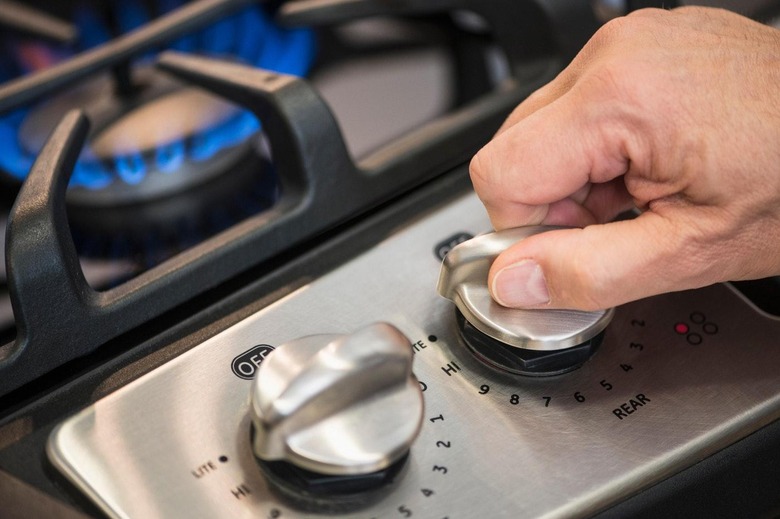
Next, check for a child safety lock feature. Some stoves have knobs that need to be pushed in or held in a specific position while turning. Consult your stove's user manual for instructions on how to disable the child safety lock, if applicable.
Step 2: Gentle Wiggling and Pushing
Sometimes, a little gentle persuasion is all it takes. Try wiggling the knob back and forth while simultaneously pushing it in slightly. Avoid using excessive force, as this could damage the knob or the valve stem. The goal is to see if you can dislodge any minor obstructions or overcome any slight stickiness. If it moves slightly but is still difficult to turn, proceed to the next step.
Step 3: Cleaning with Warm Soapy Water
If wiggling doesn't work, the next step is to try cleaning the knob and the surrounding area. Here's how:
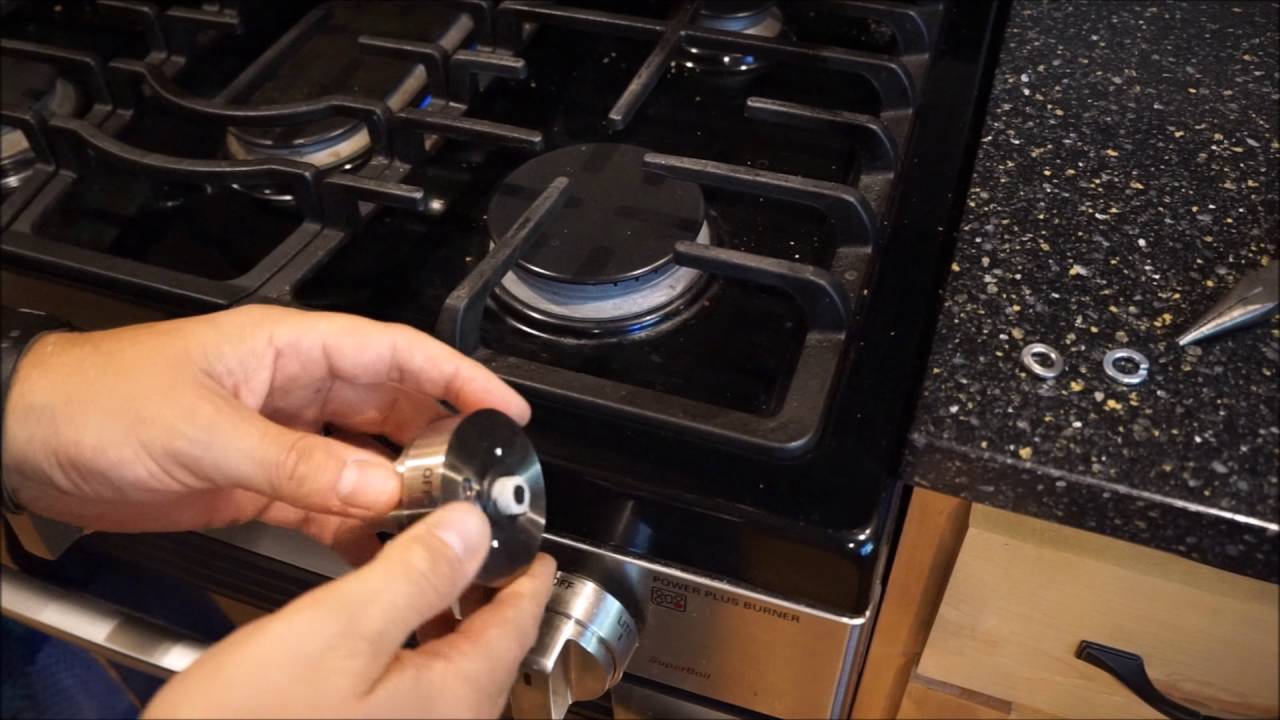
- Remove the Knob: Most gas stove knobs can be pulled straight off. Grip the knob firmly and pull it directly away from the stove. If it feels stuck, don't force it. Check your user manual for specific removal instructions. Some knobs might require a special tool or a specific turning motion to remove.
- Prepare Soapy Water: Mix a small amount of mild dish soap with warm water.
- Clean the Knob: Soak the knob in the soapy water for a few minutes to loosen any grease and grime. Then, scrub it gently with a soft brush or cloth. Rinse it thoroughly with clean water and dry it completely before reattaching it.
- Clean the Valve Stem Area: Use a damp cloth or cotton swab dipped in the soapy water to carefully clean the area around the valve stem on the stove. Be careful not to get any water inside the valve stem opening. Dry the area thoroughly with a clean cloth.
- Reattach the Knob: Once everything is clean and dry, reattach the knob to the valve stem. Make sure it's properly aligned and pushed in all the way.
- Test: Try turning the knob. If it still doesn't turn easily, proceed to the next step.
Step 4: Using a Lubricant (Carefully!)
If cleaning doesn't solve the problem, a small amount of lubricant might help. Use only a lubricant that is specifically designed for use with gas appliances and food-safe. Avoid using WD-40 or other petroleum-based lubricants, as they can be flammable and can damage the valve stem over time. A food-grade silicone lubricant spray is a good choice.
- Apply the Lubricant: Carefully apply a very small amount of lubricant to the valve stem. You can use the straw applicator that comes with the lubricant spray to direct the spray precisely. Avoid spraying the lubricant directly into the stove.
- Work the Knob: Reattach the knob and gently turn it back and forth several times to work the lubricant into the valve stem.
- Wipe Away Excess: Wipe away any excess lubricant with a clean cloth.
- Test: Try turning the knob again. If it still doesn't turn easily, proceed to the next step.
Step 5: Inspecting the Valve Stem
If the knob is still stuck after cleaning and lubrication, the problem might be with the valve stem itself.
Important Safety Note: Before proceeding, disconnect the stove from the gas supply. Turn off the gas valve located behind the stove or at the gas meter.
- Remove the Cooktop (If Necessary): Some stoves require you to remove the cooktop to access the valve stem. Consult your user manual for instructions on how to safely remove the cooktop.
- Visually Inspect the Valve Stem: Look for signs of corrosion, damage, or bending. If the valve stem is visibly damaged, it will likely need to be replaced.
- Try Gently Turning the Valve Stem (Without the Knob): Using a pair of pliers (with a cloth to protect the stem), *carefully* try to turn the valve stem itself. If it turns easily with the pliers, the problem might be with the knob itself, which could be cracked or stripped internally. If the valve stem is still stuck, the problem lies within the valve assembly.
Step 6: Checking the Spark Igniter
Sometimes, a stuck knob can be related to a malfunctioning spark igniter. If the igniter is constantly sparking or not sparking at all, it might be interfering with the knob's operation.
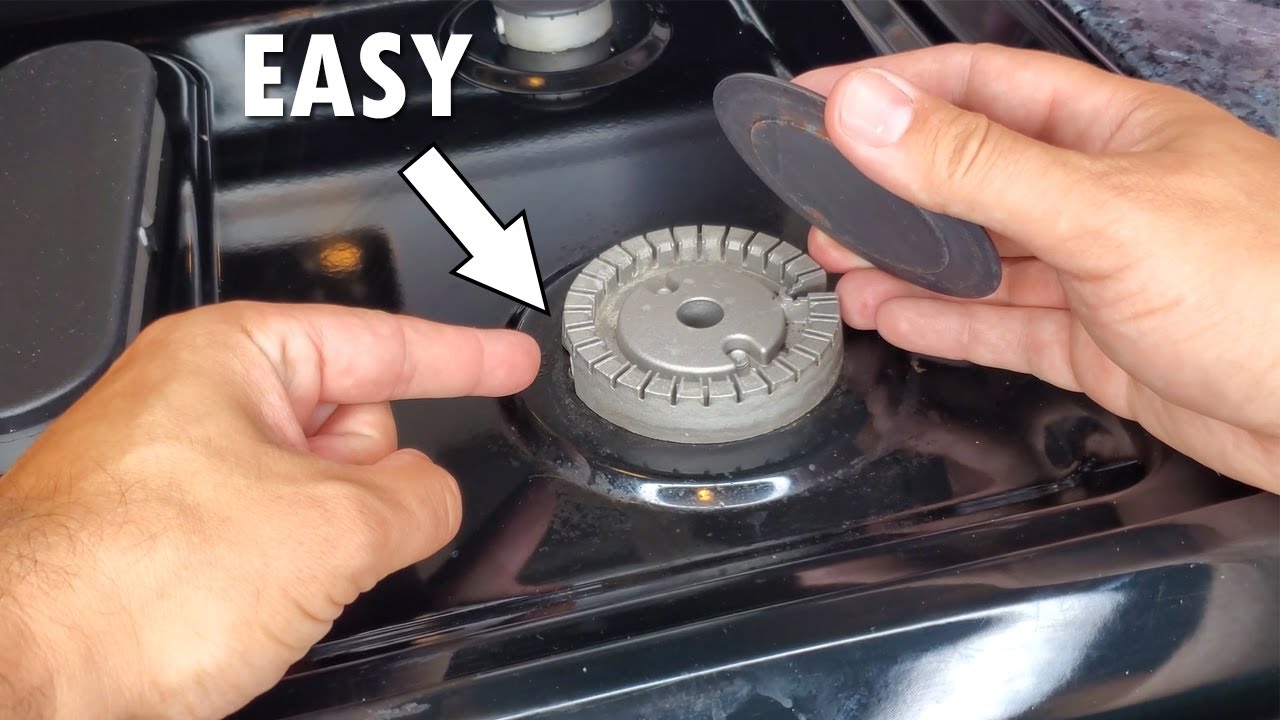
- Clean the Igniter: Use a dry cloth or a small brush to clean the spark igniter near the burner. Remove any food debris or buildup.
- Check for Damage: Inspect the igniter for any signs of damage, such as cracks or breaks. If the igniter is damaged, it will need to be replaced.
- Test the Igniter: Turn the knob to the "light" position and see if the igniter sparks. If it doesn't spark, the igniter might be faulty. If it sparks continuously even when the knob is not turned, there may be an electrical issue requiring professional help.
When to Call a Professional
There are several situations where it's best to call a qualified gas appliance repair technician. Do not attempt repairs beyond your comfort level or if you encounter any of the following:
- You smell gas: If you smell gas at any point during the troubleshooting process, immediately turn off the gas supply and evacuate the area. Call your gas company or a qualified gas appliance repair technician from a safe location.
- The valve stem is visibly damaged or corroded: Replacing a valve stem involves working with the gas line and requires specialized knowledge and tools.
- You suspect an internal component is broken or misaligned: Repairing internal components of the stove requires dismantling the unit and can be dangerous if not done properly.
- You are uncomfortable working with gas appliances: Gas appliances can be dangerous if handled improperly. If you are not comfortable working with them, it's best to call a professional.
- You have tried all the troubleshooting steps and the knob is still stuck: At this point, the problem is likely more complex and requires professional diagnosis and repair.
- The stove is under warranty: If your stove is still under warranty, contact the manufacturer or a qualified repair technician authorized by the manufacturer to avoid voiding the warranty.
Preventative Maintenance
Preventing a stuck gas stove knob is much easier than fixing one. Here are a few tips for keeping your stove in good working order:
- Clean Regularly: Wipe down your stove after each use to remove any spills or splatters.
- Deep Clean Periodically: Once a month, give your stove a more thorough cleaning, including removing the knobs and cleaning the valve stem area.
- Use a Food-Grade Silicone Lubricant: Apply a small amount of food-grade silicone lubricant to the valve stems every few months to keep them moving smoothly.
- Check the Burners: Inspect the burners regularly for any clogs or damage. Clean or replace them as needed.
- Schedule Professional Maintenance: Have your gas stove professionally inspected and serviced every year or two to ensure it is operating safely and efficiently.
Conclusion
A stuck gas stove knob can be a frustrating problem, but with a little patience and these troubleshooting steps, you can often resolve the issue yourself. Remember to prioritize safety and to call a professional if you are ever unsure about what to do. By following these guidelines and performing regular maintenance, you can keep your gas stove working properly for years to come. Always remember, if you're unsure, call a professional! Your safety and the integrity of your appliance are the top priorities. Happy cooking!