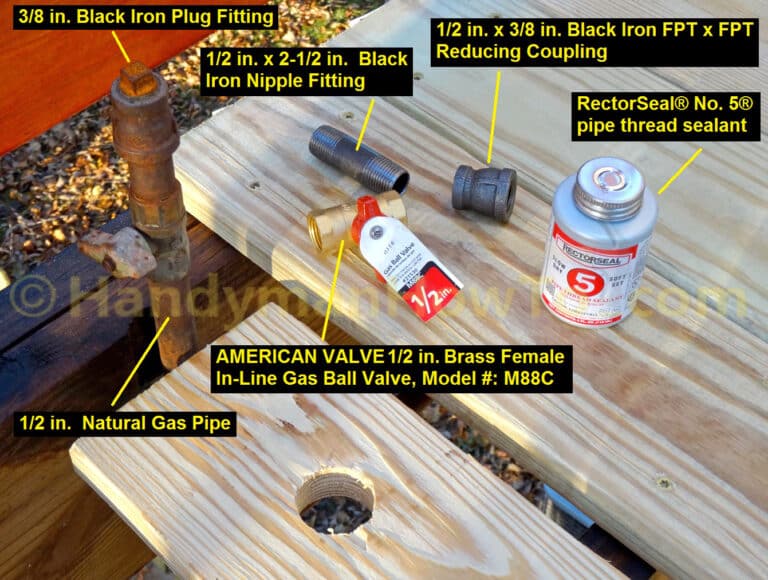
Natural Gas Grill Shut Off Valve

A natural gas grill offers convenience and consistent heat for outdoor cooking. Unlike propane grills, natural gas grills connect directly to your home's natural gas line, eliminating the need for refills. A critical component of this system is the shut-off valve. This valve controls the flow of gas to your grill, and understanding its function and proper operation is essential for safety and efficient grilling.
What is a Natural Gas Grill Shut-Off Valve?
The shut-off valve is a safety device installed in the natural gas line leading to your grill. Its primary function is to completely stop the flow of gas in case of a leak, malfunction, or when the grill is not in use. Think of it like a circuit breaker for your gas line. Just as a circuit breaker cuts off electricity to prevent electrical fires, the shut-off valve stops the flow of gas to prevent gas leaks and potential explosions.
There are typically two types of shut-off valves used with natural gas grills:
* Manual Shut-Off Valve: This is the most common type. It requires you to physically turn a handle or lever to open or close the gas supply. * Automatic Shut-Off Valve: These valves are less common for residential grills. They are designed to automatically shut off the gas supply if they detect a gas leak or other abnormality. These are more complex and often used in commercial settings.We'll focus primarily on the manual shut-off valve, as that is what you are most likely to encounter with your home grill.
Why is a Shut-Off Valve Important?
The importance of a shut-off valve cannot be overstated. Here's why it's a crucial safety component:
* Leak Prevention: Natural gas leaks can be extremely dangerous. Gas is flammable and can lead to explosions or fires. A shut-off valve provides a way to quickly and easily stop the flow of gas if you suspect a leak in the grill, gas line, or connections. * Maintenance and Repairs: When performing maintenance or repairs on your grill or gas line, it's essential to shut off the gas supply. This prevents accidental gas release while you're working. * Peace of Mind: Knowing that you can quickly shut off the gas supply provides peace of mind, especially when the grill is not in use or when you are away from home. * Emergency Situations: In an emergency, such as a fire or severe weather, a shut-off valve allows you to quickly cut off the gas supply to the grill, reducing the risk of further damage or injury.Locating Your Natural Gas Grill Shut-Off Valve
Knowing where your shut-off valve is located is just as important as having one. Here’s how to find it:
* Follow the Gas Line: The shut-off valve is typically located on the gas line between your home's gas meter and the grill. Start at the grill and trace the gas line back towards the house. * Near the Grill Connection: It's often placed close to the point where the gas line connects to the grill, either on the wall or on a post near the grill. * Look for a Handle or Lever: The valve will have a handle or lever that you can turn to open or close the gas supply. The handle is usually perpendicular to the pipe when the valve is closed, and parallel to the pipe when the valve is open. * Check Your Home's Exterior Walls: In some cases, the valve may be located on the exterior wall of your home, near where the gas line exits the building. * Consult Your Homeowner's Manual or Gas Company: If you're unsure where the valve is located, consult your homeowner's manual or contact your local gas company. They can provide information about the gas line layout and the location of the shut-off valve.Important: Once you locate the valve, make sure it's easily accessible and free from obstructions. You don't want to be fumbling around trying to find it in an emergency.
How to Operate a Natural Gas Grill Shut-Off Valve
Operating a manual shut-off valve is straightforward. Here's a step-by-step guide:
* To Turn the Gas Off: Turn the handle or lever perpendicular to the gas pipe. This blocks the flow of gas. Remember: Perpendicular = Closed. * To Turn the Gas On: Turn the handle or lever parallel to the gas pipe. This allows gas to flow. Remember: Parallel = Open. * Check for Leaks: After turning the gas on, it's a good idea to check for gas leaks. You can do this by applying a soapy water solution to the connections. If bubbles form, there's a leak. Immediately turn the gas off and contact a qualified technician.Important: Always turn the gas off at the shut-off valve when the grill is not in use, especially for extended periods, or when performing maintenance.
Troubleshooting Common Issues
Here are some common issues you might encounter with a natural gas grill shut-off valve and how to address them:
* Stiff Valve: If the valve is difficult to turn, it may be due to corrosion or dirt buildup. You can try lubricating the valve with a gas-compatible lubricant. If it's still stiff, consider replacing the valve. * Leaking Valve: If you suspect the valve is leaking, apply a soapy water solution to the valve body and connections. If bubbles form, the valve is leaking and needs to be replaced immediately. * Damaged Valve: If the valve is physically damaged, such as cracked or broken, it needs to be replaced immediately. Do not attempt to repair a damaged valve. * Valve Won't Turn: If the valve is completely stuck and won't turn, do not force it. Forcing it could damage the valve or gas line. Contact a qualified gas technician for assistance.Warning: If you suspect a gas leak, immediately turn off the gas at the main gas meter (if you can safely do so), evacuate the area, and call your gas company or 911.
Maintenance and Safety Tips
Proper maintenance and adherence to safety guidelines are essential for ensuring the safe and efficient operation of your natural gas grill and shut-off valve:
* Regular Inspections: Inspect the shut-off valve and gas line regularly for signs of damage, corrosion, or leaks. * Professional Inspections: Have your gas line and grill inspected by a qualified gas technician at least once a year. * Leak Testing: Perform a leak test with soapy water solution after each time you connect or disconnect the gas line, or if you suspect a leak. * Keep the Area Clear: Keep the area around the grill and shut-off valve clear of flammable materials. * Use the Correct Tools: When working on the gas line or valve, use the correct tools to avoid damaging the components. * Don't Modify: Never attempt to modify the gas line or shut-off valve. * Professional Repairs: Always have repairs performed by a qualified gas technician. * Carbon Monoxide Detectors: Install carbon monoxide detectors in your home to provide early warning of gas leaks. Carbon monoxide is a silent killer. * Educate Yourself: Familiarize yourself with the signs of a gas leak (rotten egg smell) and the proper procedures for responding to a gas leak. * Check the Hose: Examine the hose connecting the grill to the gas line regularly for cracks, wear, and tear. Replace it if necessary.Replacing a Natural Gas Grill Shut-Off Valve
Replacing a natural gas grill shut-off valve is a task best left to a qualified gas technician. Working with gas lines can be dangerous, and improper installation can lead to gas leaks and explosions. Here's why it's best to hire a professional:
* Safety: Gas technicians are trained to work safely with gas lines and have the necessary equipment to prevent gas leaks. * Expertise: They have the knowledge and experience to properly install the valve and ensure that it's functioning correctly. * Compliance: They are familiar with local codes and regulations regarding gas line installations. * Warranty: Professional installations often come with a warranty, providing peace of mind.If you are a highly experienced DIYer with extensive knowledge of gas line systems and feel confident in your ability to perform the replacement safely, you'll need to:
1. Shut off the gas supply at the main gas meter. 2. Disconnect the gas line from the valve. 3. Remove the old valve. 4. Apply gas-rated pipe sealant to the threads of the new valve. 5. Install the new valve. 6. Reconnect the gas line. 7. Test for leaks with soapy water.However, even if you are experienced, it's still recommended to have a professional inspect your work after you've completed the replacement.
Conclusion
The natural gas grill shut-off valve is a small but critically important component of your outdoor grilling setup. Understanding its function, location, and proper operation is essential for ensuring the safety of your home and family. By following the guidelines outlined in this guide, you can help prevent gas leaks, maintain your grill safely, and enjoy worry-free grilling for years to come. Always prioritize safety and consult with a qualified gas technician if you have any doubts or concerns about your gas line or shut-off valve.