Natural Gas Log Regulator

Understanding Natural Gas Log Regulators: A Comprehensive Guide
Natural gas logs offer an appealing aesthetic and efficient heating solution for many homes. However, a critical component often overlooked is the natural gas log regulator. This device plays a vital role in ensuring safe and efficient operation. This guide will delve into the function, types, maintenance, and considerations when choosing a regulator for your gas log system.
What is a Natural Gas Log Regulator and Why Do You Need One?
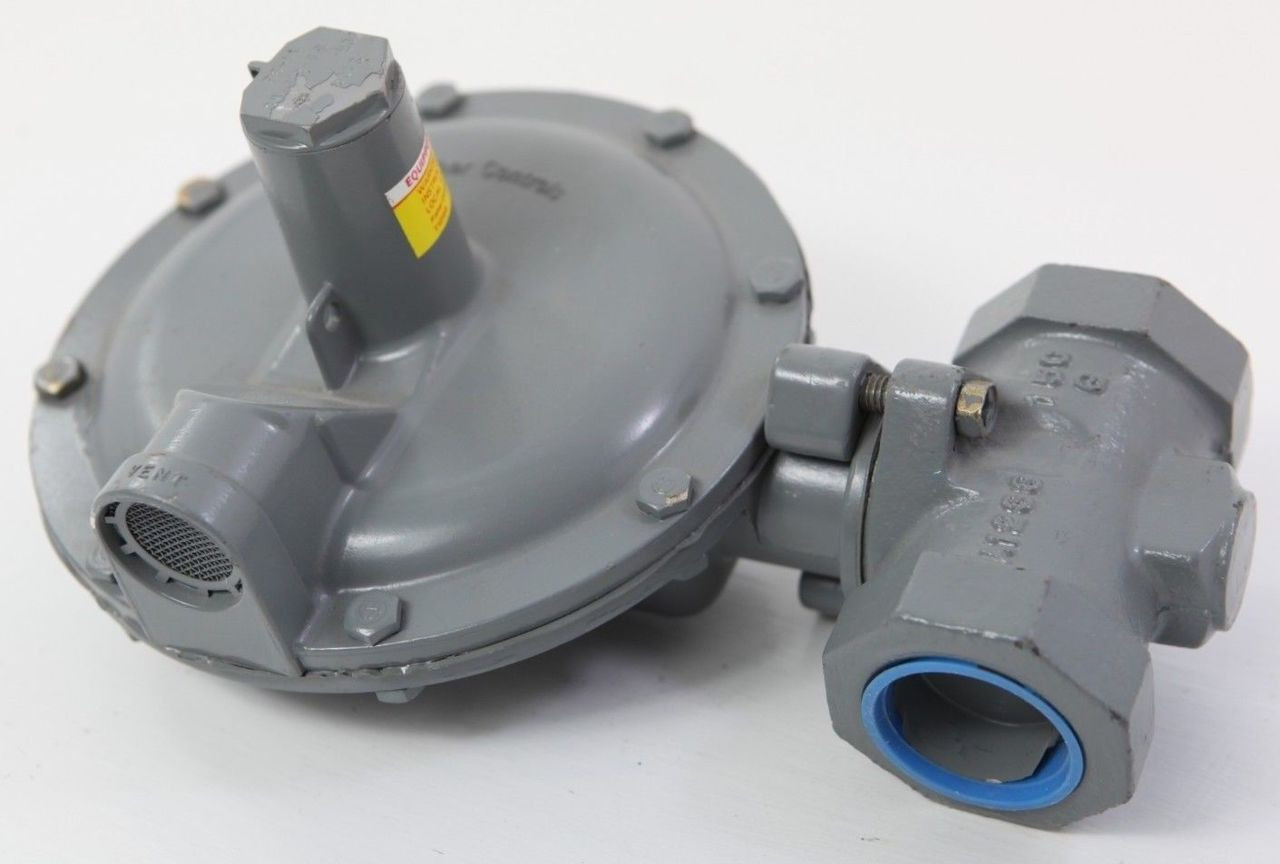
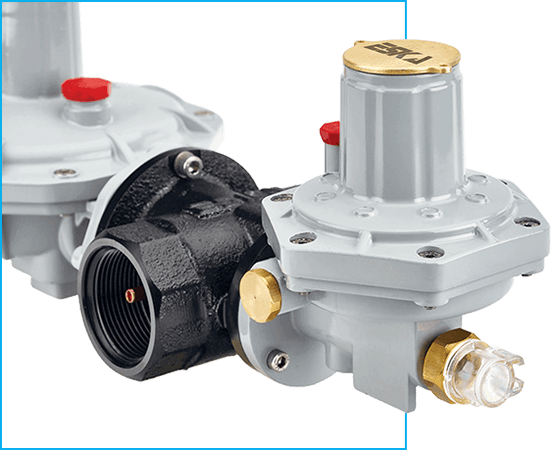
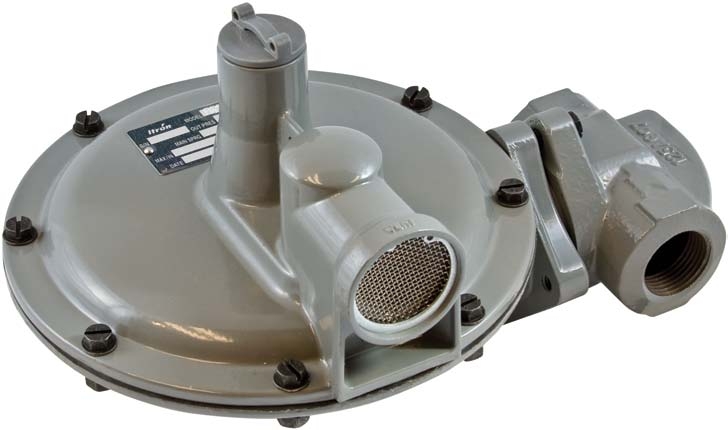
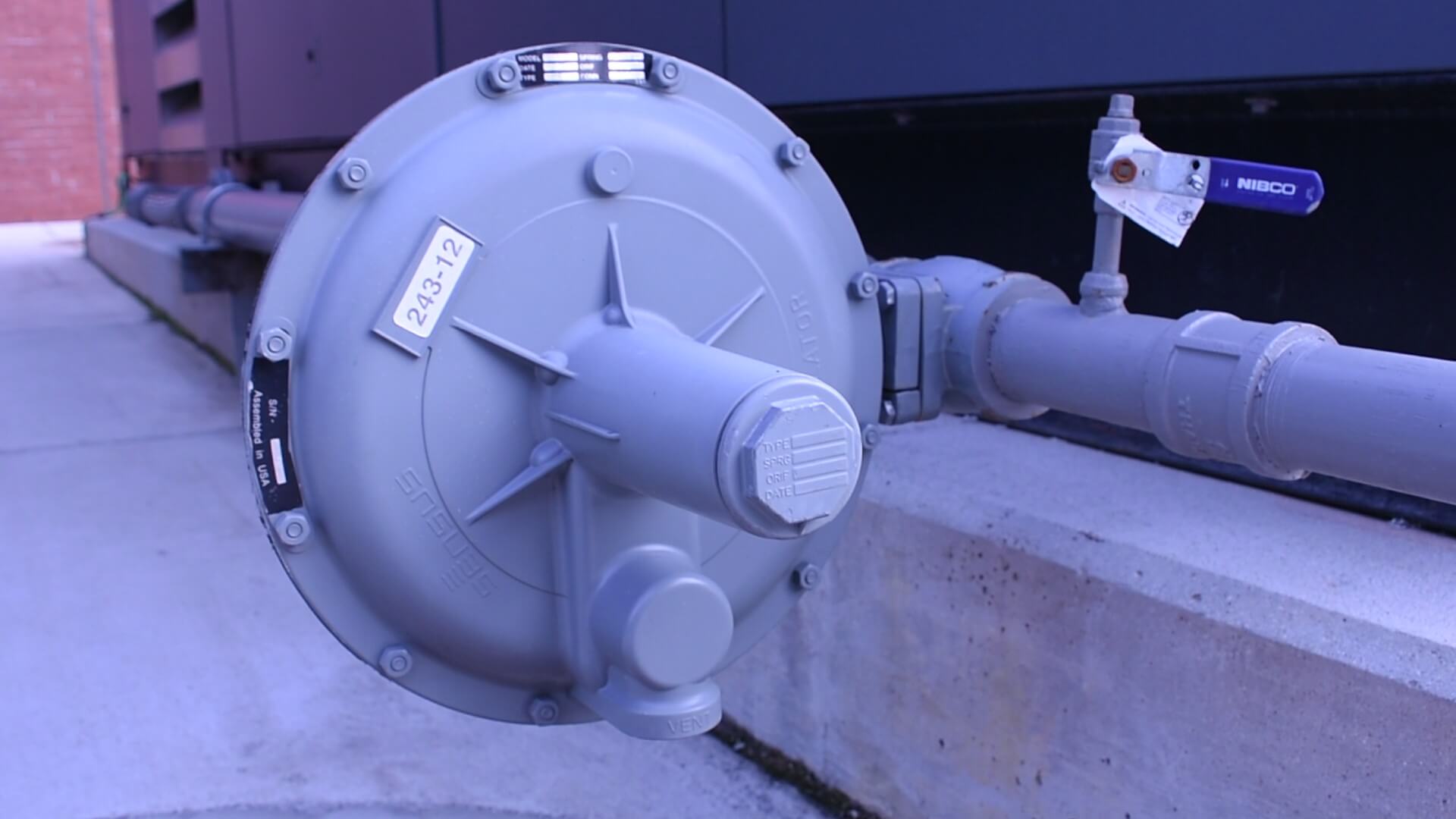
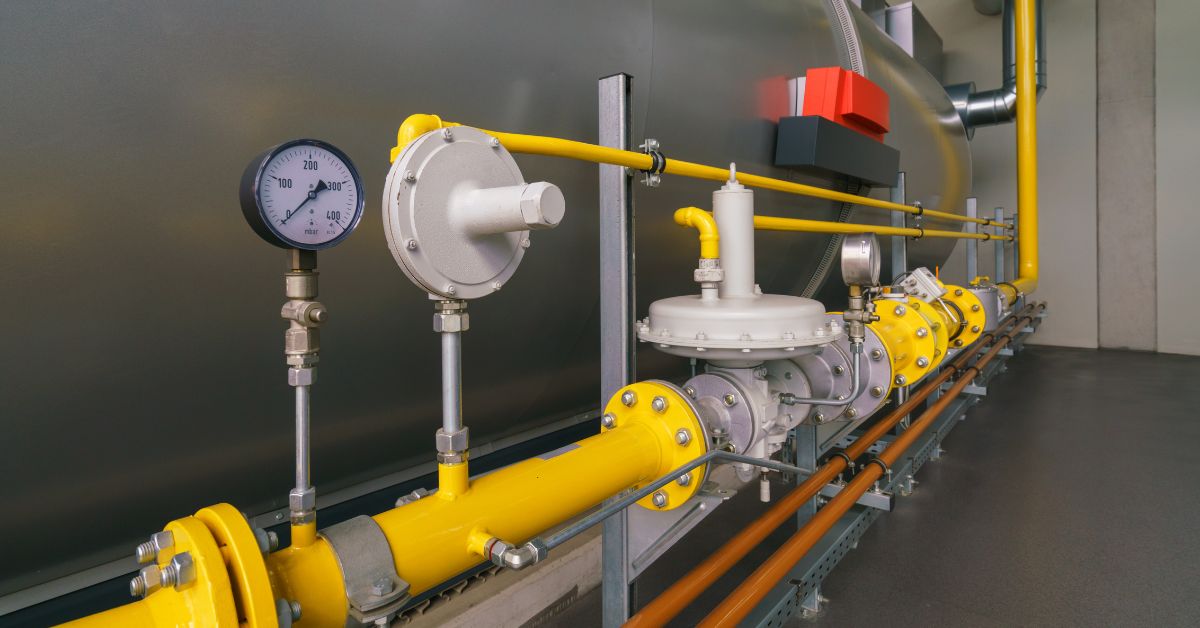
A natural gas log regulator is a pressure-reducing device specifically designed for use with natural gas log sets. Its primary function is to take the higher, more variable gas pressure from your home's gas line and reduce it to a lower, consistent pressure suitable for the gas log burner. Without a regulator, the excessive pressure could lead to:
- Dangerous Gas Leaks: High pressure can damage connections and fittings, leading to gas leaks and potential explosions.
- Inefficient Burning: Excess gas flow can result in an incomplete burn, producing soot, carbon monoxide, and wasting fuel.
- Damage to the Burner: The burner itself can be damaged by excessive pressure.
- Unstable Flame: A fluctuating gas pressure can cause the flames to be erratic and unpredictable.
Therefore, a properly functioning regulator is not just about efficiency; it's about safety.
Types of Natural Gas Log Regulators
While all regulators perform the same basic function, they come in different types and configurations. Understanding these differences will help you choose the right one for your needs.
Standing Pilot Regulators
These regulators are designed for systems with a standing pilot light. They typically have a lower capacity and are designed to maintain a constant pressure even with the small gas flow required to keep the pilot lit. They are often found in older gas log sets.
Millivolt Regulators
Millivolt systems use a thermocouple to generate a small electrical current that opens a gas valve. These regulators need to be compatible with the millivolt system and provide a stable pressure to ensure reliable operation.
Electronic Ignition Regulators
Modern gas log sets often feature electronic ignition systems that use a spark igniter to light the burner. These regulators are typically more robust and can handle a wider range of pressures and flow rates. Some even include safety shut-off features.
Adjustable vs. Non-Adjustable Regulators
Adjustable regulators allow you to fine-tune the output pressure to optimize the flame appearance and efficiency. This can be useful if you're experiencing issues with your burner. Non-adjustable regulators provide a fixed output pressure and are simpler to install and maintain. Generally, non-adjustable are recommended for most homeowner applications unless specifically instructed otherwise.
Features to Consider When Choosing a Natural Gas Log Regulator
Several factors should be considered when selecting a natural gas log regulator:
- BTU Capacity: Ensure the regulator's BTU (British Thermal Unit) capacity matches or exceeds the BTU rating of your gas log set. Overloading the regulator will cause it to fail and under sizing will not allow it to run at full potential.
- Inlet and Outlet Pressure: Verify that the regulator's inlet and outlet pressure ratings are compatible with your gas supply line and the gas log burner.
- Vent Limiter: A vent limiter prevents gas from escaping into the room if the regulator fails.
- Material Quality: Look for regulators made from durable materials like brass or aluminum.
- Certifications: Ensure the regulator is certified by a reputable organization like CSA or UL.
Popular Brands and Models
Several reputable manufacturers offer high-quality natural gas log regulators. Here are a few popular brands and models:
- Robertshaw: Robertshaw is a well-known manufacturer of gas control valves and regulators. Their regulators are known for their reliability and durability.
- Honeywell: Honeywell offers a range of gas regulators for various applications, including gas logs.
- White-Rodgers: White-Rodgers is another reputable brand that produces reliable and efficient gas regulators.
Specific models vary depending on your application, so consult with a qualified HVAC technician or gas log retailer to determine the best option for your system.
Installation and Maintenance
Installing a natural gas log regulator is a task best left to a qualified HVAC technician or licensed plumber. Improper installation can lead to gas leaks and other safety hazards. However, here is a general overview:
- Shut Off the Gas Supply: Before starting any work, turn off the gas supply to the gas log system.
- Remove the Old Regulator (if applicable): Carefully disconnect the old regulator, noting the orientation of the gas lines.
- Install the New Regulator: Connect the new regulator to the gas supply line and the gas log burner, ensuring all connections are tight and leak-free. Use pipe dope specifically designed for natural gas to seal the threads.
- Leak Test: After installation, use a soapy water solution to check for leaks around all connections. If you see bubbles, tighten the connection until the leak stops.
- Test the System: Turn on the gas supply and test the gas log system to ensure it is operating properly.
Maintenance
Regular maintenance is essential to ensure the regulator functions properly. The following tasks should be performed periodically:
- Visual Inspection: Inspect the regulator for any signs of damage, such as cracks, leaks, or corrosion.
- Leak Test: Perform a leak test at least once a year, or more frequently if you suspect a leak.
- Professional Inspection: Have a qualified HVAC technician inspect the regulator every few years to ensure it is functioning correctly.
Troubleshooting Common Issues
Here are some common issues you might encounter with a natural gas log regulator and how to troubleshoot them:
- Low Flame: If the flame is low, the regulator may be malfunctioning or the gas supply pressure may be too low. Check the gas supply pressure and replace the regulator if necessary.
- Erratic Flame: An erratic flame can be caused by a fluctuating gas pressure. This may indicate a faulty regulator or a problem with the gas supply.
- Gas Leak: If you smell gas, immediately turn off the gas supply and call a qualified HVAC technician or your local gas company.
Pricing and Warranty Information
The cost of a natural gas log regulator can vary depending on the brand, model, and BTU capacity. Basic regulators can cost as little as $20, while more advanced models with safety features can cost $50 or more. Installation costs will vary depending on the complexity of the job and the rates charged by your local HVAC technician.
Most manufacturers offer a limited warranty on their gas regulators, typically ranging from one to five years. Be sure to read the warranty terms and conditions carefully before purchasing a regulator.
Frequently Asked Questions (FAQs)
Q: Can I install a gas log regulator myself?
While some homeowners may be tempted to install a gas log regulator themselves, it is strongly recommended to hire a qualified HVAC technician or licensed plumber to ensure the installation is done safely and correctly. Gas line work is inherently dangerous, and mistakes can lead to gas leaks, explosions, and other hazards.
Q: How often should I replace my gas log regulator?
The lifespan of a gas log regulator can vary depending on usage and environmental conditions. However, it is generally recommended to replace the regulator every 5-10 years, or sooner if you notice any signs of malfunction.
Q: Can I use a propane regulator for natural gas?
No, you should never use a propane regulator for natural gas or vice versa. Propane and natural gas operate at different pressures, and using the wrong regulator can lead to dangerous conditions.
Q: What should I do if I suspect a gas leak?
If you suspect a gas leak, immediately turn off the gas supply, evacuate the area, and call your local gas company or fire department. Do not use any electrical devices or open flames, as these could ignite the gas.
Making the Right Choice
Choosing the right natural gas log regulator is crucial for the safe and efficient operation of your gas log system. By understanding the different types of regulators, features to consider, and maintenance requirements, you can make an informed decision and ensure that your gas logs provide years of reliable and comfortable warmth. Remember to prioritize safety and consult with a qualified professional if you have any questions or concerns.