Natural Gas Orifice Vs Propane Orifice
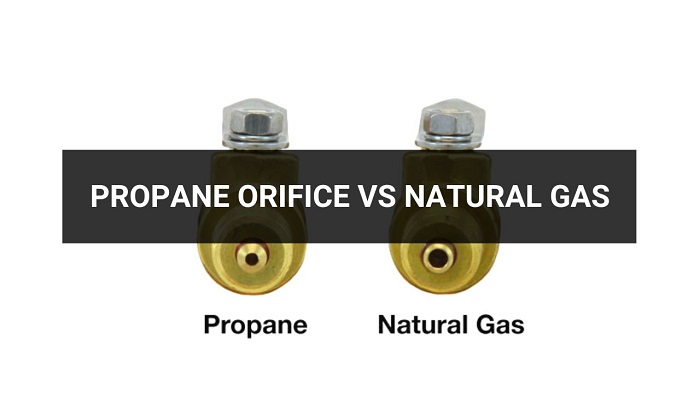
Frequently Asked Questions: Natural Gas Orifice vs. Propane Orifice
This article addresses common questions about the crucial differences between natural gas and propane orifices. Understanding these differences is vital for the safe and efficient operation of gas-powered appliances.
Q1: What is an orifice, and why is it important in gas appliances?
An orifice is a precisely sized opening, or small hole, in a gas appliance. Its primary function is to regulate the amount of gas that flows to the burner. Think of it like a water restrictor in a showerhead, but for gas. The size of the orifice determines the gas flow rate, which directly impacts the appliance's heat output and combustion efficiency. Using the wrong orifice can lead to unsafe operation, including carbon monoxide production and inefficient fuel consumption.
Q2: What is the key difference between a natural gas orifice and a propane orifice?
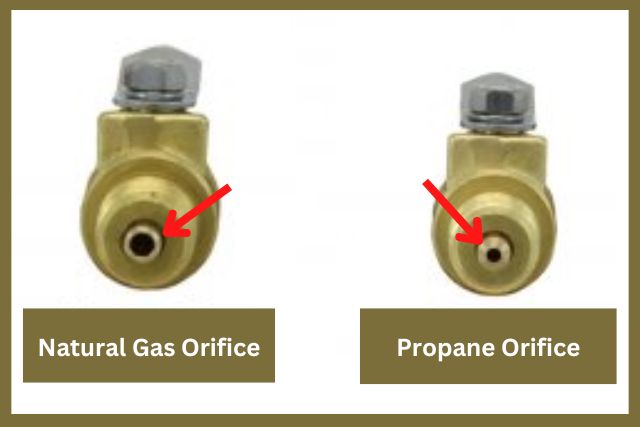
The fundamental difference lies in the size of the opening. Natural gas orifices are larger than propane orifices. This is because natural gas has a lower energy density than propane. It takes a larger volume of natural gas to produce the same amount of heat as a smaller volume of propane. Therefore, a larger orifice is required to deliver the necessary amount of natural gas to the burner.
Here's a simple analogy: Imagine you need to fill a bucket with water. If your hose has low water pressure (like natural gas with lower energy density), you need a wider hose opening (larger orifice) to fill the bucket in a reasonable amount of time. If your hose has high water pressure (like propane with higher energy density), a smaller hose opening (smaller orifice) will suffice.
Q3: Why can't I use a natural gas orifice for propane or vice versa? What are the dangers?
Never attempt to use a natural gas orifice with propane, or a propane orifice with natural gas, without proper conversion. The consequences can be severe:
- Using a Natural Gas Orifice with Propane: If you use a natural gas orifice with propane, you'll be delivering too much propane to the burner. This results in a very rich fuel mixture (too much fuel, not enough air). This can lead to:
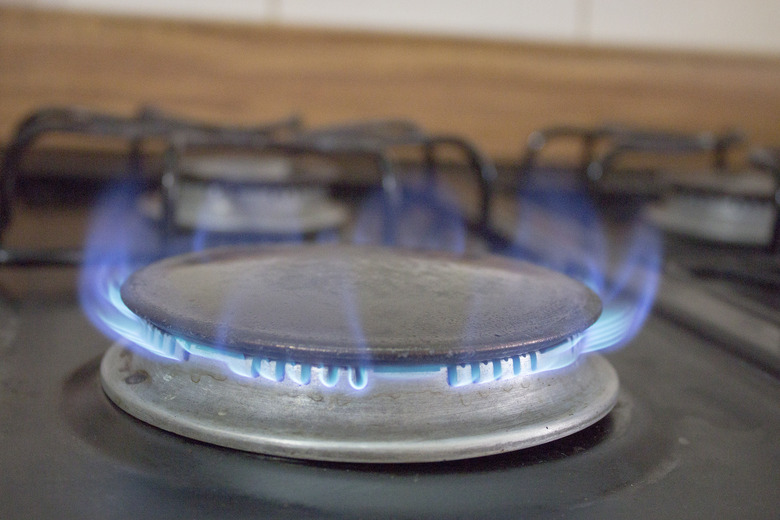
- Dangerous Yellow Flames: Instead of clean-burning blue flames, you'll likely see large, flickering yellow flames. These flames produce soot (carbon) and carbon monoxide.
- Sooting: Soot will accumulate on the appliance, potentially damaging it and creating a fire hazard.
- Carbon Monoxide Poisoning: The incomplete combustion produces deadly carbon monoxide gas. Carbon monoxide is odorless, colorless, and can quickly lead to serious illness or death.
- Inefficient Fuel Consumption: You'll be wasting propane as it won't burn completely.
- Using a Propane Orifice with Natural Gas: If you use a propane orifice with natural gas, you'll be delivering too little natural gas to the burner. This results in a lean fuel mixture (not enough fuel, too much air). This can lead to:
- Weak or No Flame: The appliance may produce a very weak flame or fail to light at all.
- Poor Heating Performance: The appliance won't generate sufficient heat, making it ineffective.
- Potential for Flame-Out: The flame may extinguish unexpectedly, leading to gas buildup and a potential explosion hazard if the gas is subsequently ignited.
- Pilot Light Issues: If the appliance has a pilot light, it may be difficult to light or keep lit.
In short, using the wrong orifice can cause a dangerous situation. Always ensure the correct orifice is installed for the type of gas being used.
Q4: How can I identify whether I have a natural gas or propane orifice?
There are several ways to identify an orifice:
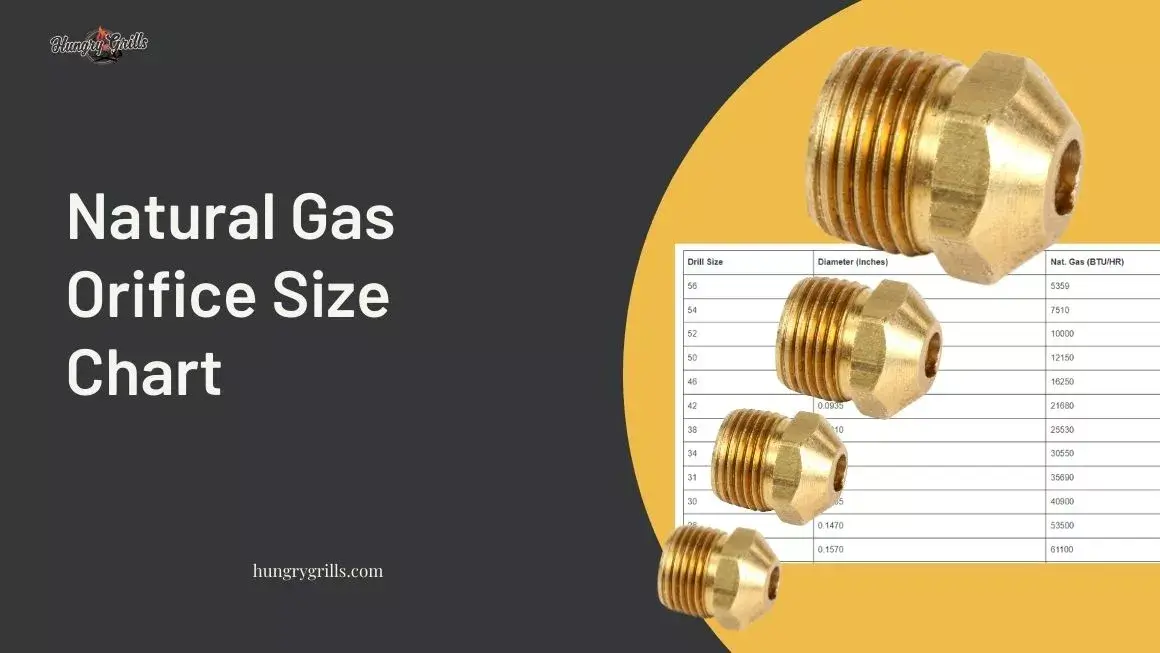
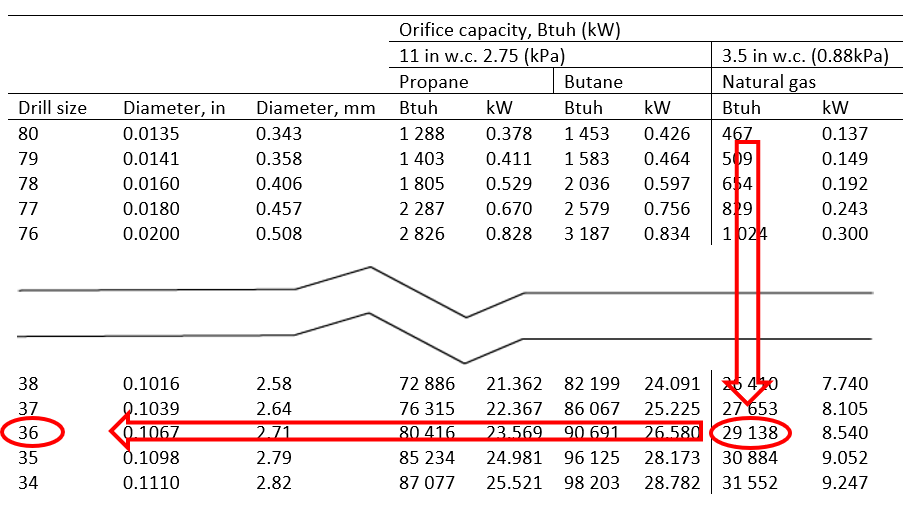
- Markings on the Orifice: Most orifices are stamped with a number. This number corresponds to the orifice size. You'll need to consult a gas orifice sizing chart (often available online or from the appliance manufacturer) to determine whether that size is appropriate for natural gas or propane, given the appliance's BTU rating. The chart will relate the BTU input rating of the appliance to a specific orifice size for each gas type.
- Appliance Label: The appliance itself should have a label indicating the type of gas it's designed for (natural gas or propane) and the required orifice size. Look for a data plate or sticker, usually located on the back, side, or inside of the appliance.
- Color Coding: Some manufacturers use color coding to differentiate orifices. However, this is not a universal standard and should not be relied upon as the sole method of identification.
- Physical Measurement (Requires Specialized Tools): With specialized measuring tools like pin gauges or micro calipers, you can measure the orifice diameter. This method requires precision and expertise.
- Consult a Qualified Technician: The safest and most reliable method is to consult a qualified gas technician. They have the knowledge, experience, and tools to accurately identify the orifice and ensure it's correct for your appliance and gas type.
Warning: Never assume you know the orifice type based on appearance alone. Always verify using one of the methods above.
Q5: What is involved in converting an appliance from natural gas to propane (or vice versa), and is it something I can do myself?
Converting an appliance from natural gas to propane (or vice versa) involves more than just changing the orifice. It typically requires:
- Orifice Replacement: Replacing the natural gas orifice(s) with propane orifice(s) (or vice versa) of the correct size, as determined by the appliance's BTU rating.
- Pressure Regulator Adjustment: Adjusting the gas pressure regulator to the correct pressure for the new gas type. Natural gas and propane operate at different pressures.
- Burner Adjustment (If Necessary): Some appliances may require adjustments to the burner air shutters to optimize combustion for the new gas type. This ensures proper air-to-fuel mixture.
- Pilot Light Adjustment (If Applicable): The pilot light may also need adjustment to ensure a stable and efficient flame.
- Labeling: After the conversion, the appliance must be clearly labeled to indicate that it has been converted and the type of gas it now uses.
Important Safety Warning: Converting a gas appliance is not a DIY project for most homeowners or facility managers. It requires specialized knowledge, tools, and experience. Incorrect conversion can lead to dangerous situations, including gas leaks, fires, explosions, and carbon monoxide poisoning. Always hire a qualified and licensed gas technician to perform any gas appliance conversion.
Q6: How do I find the correct orifice size for my specific appliance?
Finding the correct orifice size is crucial for safe and efficient operation. Here's how:
- Appliance Manual: The appliance's owner's manual is the best source of information. It should specify the correct orifice size for both natural gas and propane, based on the appliance's BTU rating.
- Appliance Manufacturer's Website: If you don't have the manual, check the appliance manufacturer's website. Many manufacturers provide online manuals and technical specifications.
- Contact the Manufacturer: You can also contact the manufacturer directly. They can provide the correct orifice size information based on your appliance's model number.
- Data Plate/Rating Plate: As mentioned earlier, the appliance's data plate or rating plate may list the required orifice size.
- Consult a Qualified Technician: A qualified gas technician can determine the correct orifice size based on the appliance's specifications and the type of gas being used. They have access to reference materials and databases to ensure accuracy.
Note: When looking for orifice size information, be sure to specify your appliance's model number, BTU rating, and the type of gas you'll be using.
Q7: Where can I purchase replacement orifices?
You can purchase replacement orifices from several sources:
- Appliance Parts Suppliers: Many appliance parts suppliers, both online and in physical stores, carry a wide range of orifices.
- HVAC Supply Stores: HVAC (heating, ventilation, and air conditioning) supply stores typically stock orifices for various gas appliances.
- Gas Appliance Repair Companies: Gas appliance repair companies often sell orifices as part of their service.
- Manufacturer's Website: Some appliance manufacturers sell replacement orifices directly through their website.
When purchasing an orifice, be sure to provide the appliance's model number and the exact orifice size you need. Double-check that the orifice is compatible with your appliance and the type of gas you'll be using. It's often best to purchase the orifice from a reputable supplier to ensure quality and accuracy.
Important: Even if you purchase the orifice yourself, always have it installed by a qualified gas technician to ensure safe and proper operation.
This information is for general guidance only and does not substitute for professional advice. Always consult a qualified gas technician for any gas appliance installation, repair, or conversion work.