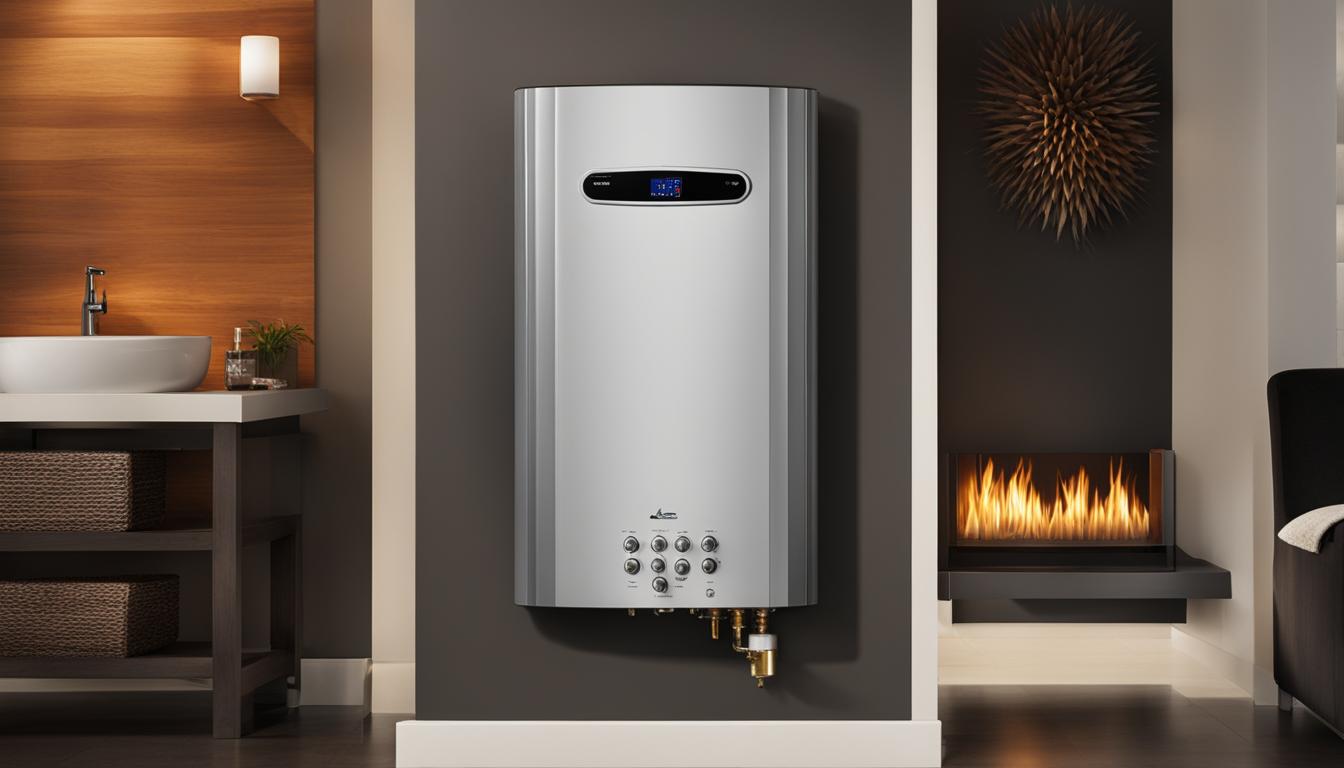
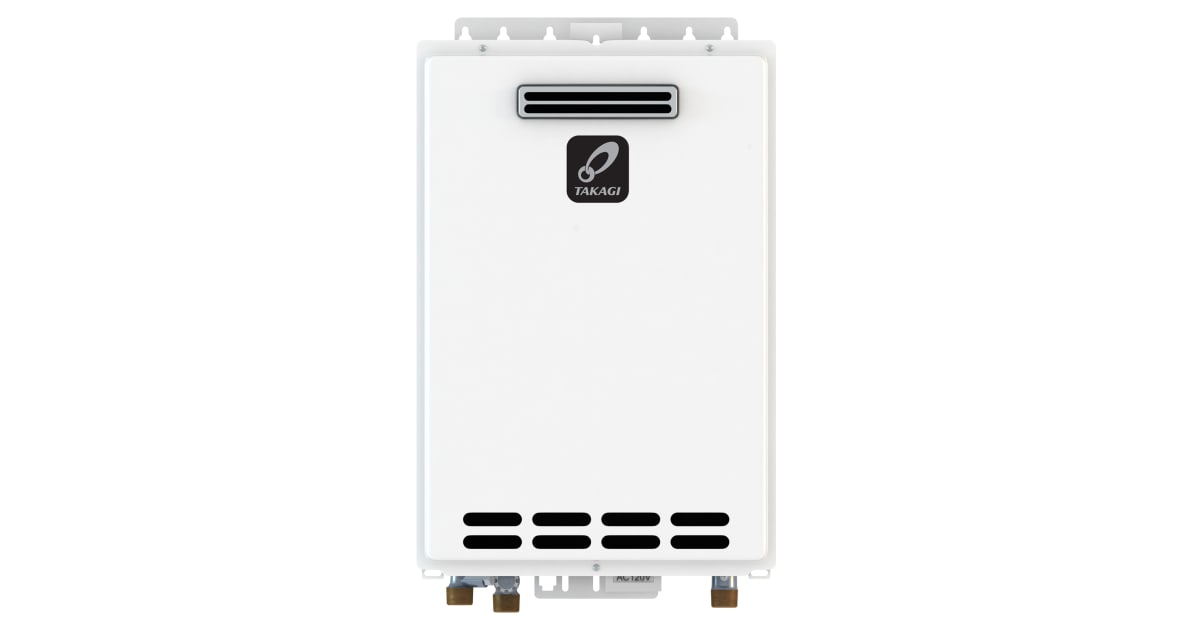
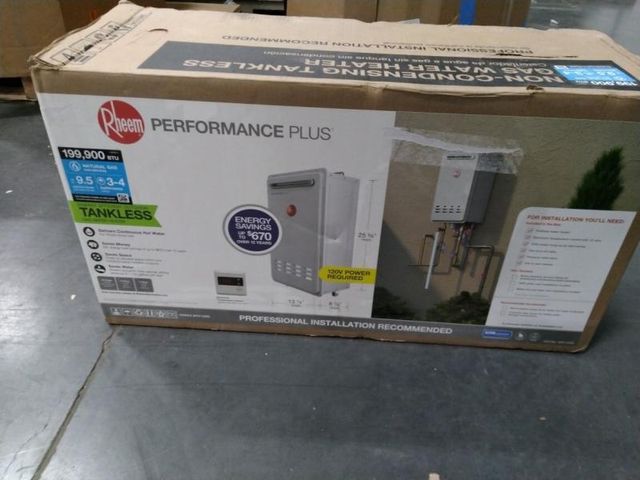
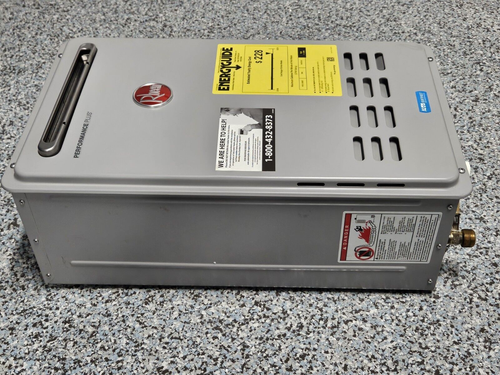
Natural Gas Outdoor Tankless Water Heater
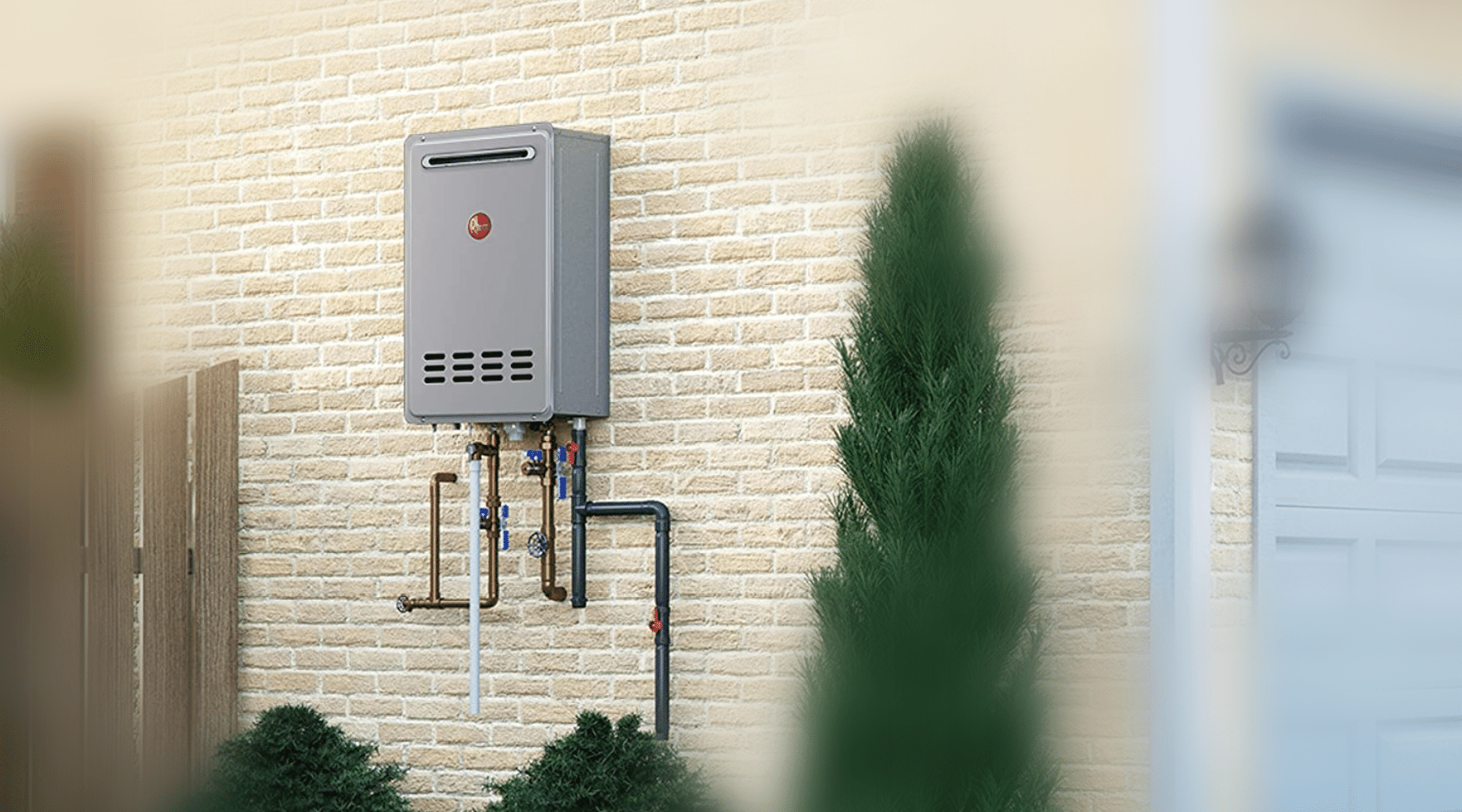
Frequently Asked Questions: Natural Gas Outdoor Tankless Water Heaters
Considering a natural gas outdoor tankless water heater? You're making a smart choice for energy efficiency and endless hot water. Here are some common questions and helpful answers to guide you:
Q1: What exactly is a natural gas outdoor tankless water heater, and how does it work?
A natural gas outdoor tankless water heater, also known as an on-demand water heater, heats water only when you need it. Unlike traditional tank heaters that constantly heat a reservoir of water, a tankless unit uses a powerful burner fueled by natural gas to heat water as it passes through a heat exchanger.
Here's the process:
- When you turn on a hot water tap, cold water flows into the tankless unit.
- A flow sensor detects the water flow and activates the burner.
- Natural gas is ignited, and the burner heats the water as it passes through a copper heat exchanger.
- Hot water is delivered to your faucet or appliance.
- When you turn off the hot water, the burner shuts off, saving energy.
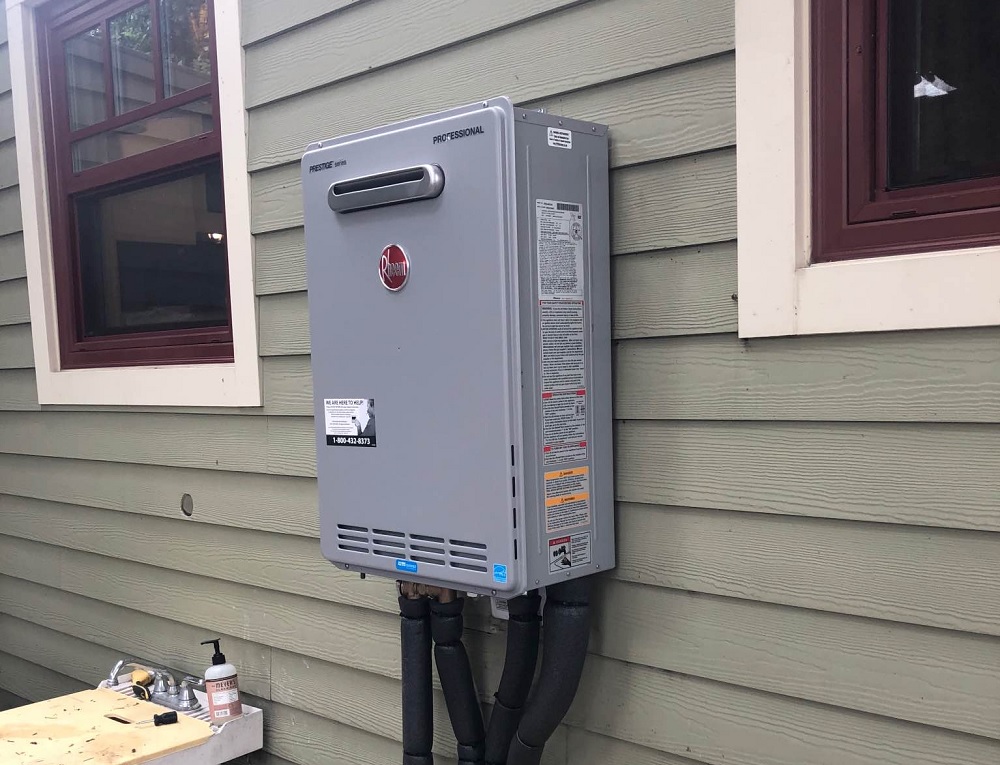
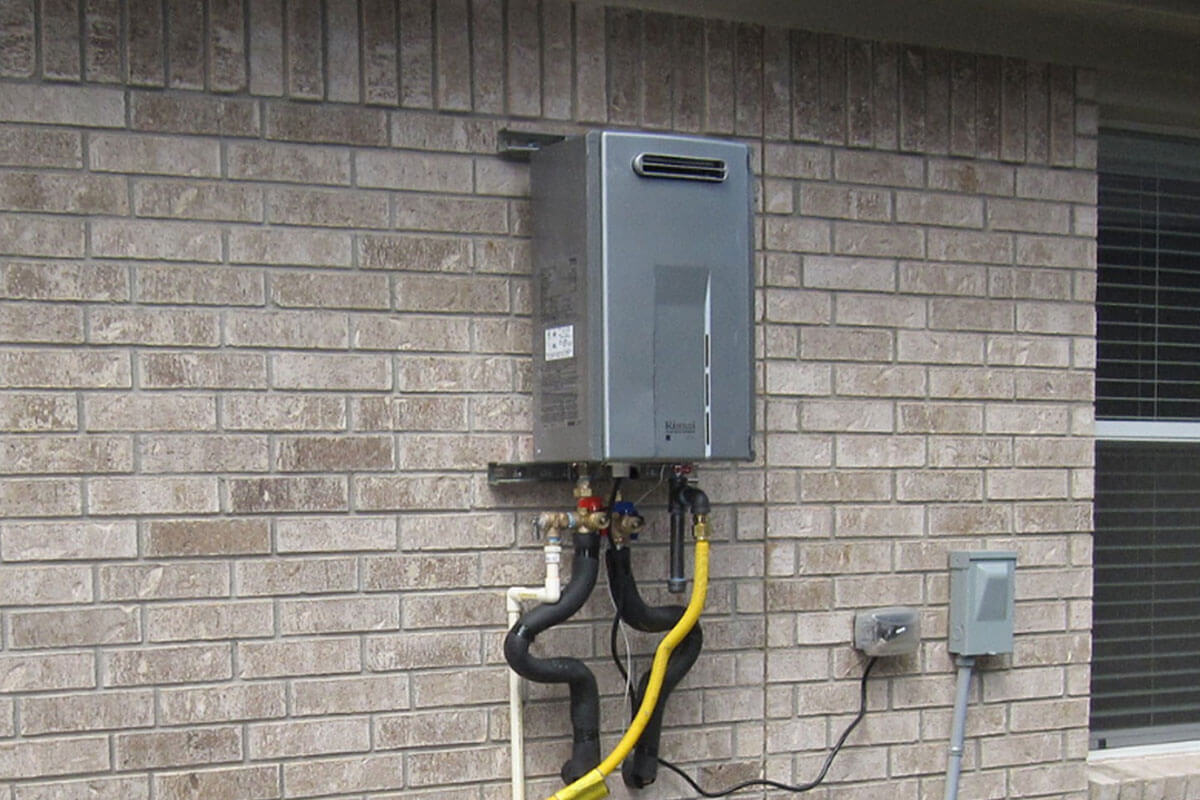
- Outdoor models are specifically designed for exterior installation, with weatherproof enclosures to protect the components from the elements.
This on-demand heating provides a continuous supply of hot water without the energy waste of constantly heating a full tank. No more running out of hot water in the middle of a shower!
Q2: What are the benefits of choosing an outdoor tankless natural gas water heater, compared to a traditional tank or an indoor tankless model?
Outdoor tankless natural gas water heaters offer several significant advantages:
- Endless Hot Water: As mentioned, you get a continuous supply of hot water on demand. No more waiting for the tank to refill.
- Energy Efficiency: Tankless heaters are much more energy-efficient than traditional tank heaters because they only heat water when needed. This can lead to significant savings on your natural gas bill. Energy Star rated models offer even greater efficiency.
- Space Savings: Because they don't require a bulky storage tank, tankless heaters take up significantly less space. Outdoor models free up even more indoor space.
- Longer Lifespan: Tankless water heaters typically last longer than traditional tank heaters, often 20 years or more.
- Reduced Risk of Leaks: Without a large tank holding water, the risk of a catastrophic leak is significantly reduced.
- Outdoor Installation Convenience: Outdoor models are specifically designed to withstand the elements, eliminating the need for indoor venting. This simplifies installation and saves on venting costs. This makes them a good option when indoor space is limited or when venting is difficult.
- Lower Standby Heat Loss: Traditional tank heaters lose heat constantly, even when you're not using hot water. Tankless heaters eliminate this standby heat loss, further improving energy efficiency.
Compared to indoor tankless models, outdoor units bypass the need for extensive indoor venting, simplifying installation and potentially saving money.
Q3: How do I determine the right size and flow rate for my household's needs?
Choosing the right size tankless water heater is crucial for ensuring you have enough hot water when you need it. Here's how to determine the appropriate size:
- Calculate Your Peak Demand: Identify the times of day when your household uses the most hot water (e.g., morning showers, dishwashing, laundry).
- Determine the Flow Rate of Each Fixture:
- Showers typically use 2.5 gallons per minute (GPM).
- Faucets typically use 1.5 GPM.
- Dishwashers use about 1-2 GPM.
- Washing machines use about 2-3 GPM.
- Add Up the Flow Rates: Add up the flow rates of all the fixtures you might use simultaneously during peak demand. For example, if you might have two showers running at the same time (2.5 GPM each) and a faucet running (1.5 GPM), your peak demand would be 6.5 GPM.
- Consider the Temperature Rise: Determine the difference between the incoming water temperature and the desired hot water temperature. For example, if your incoming water temperature is 50°F and you want hot water at 120°F, your temperature rise is 70°F.
- Consult a Sizing Chart or Professional: Most tankless water heater manufacturers provide sizing charts that help you determine the appropriate unit based on your peak demand and temperature rise. A qualified plumbing professional can also help you assess your needs and recommend the right size unit. It's always best to consult with a professional!
It's important to choose a unit that can handle your peak demand. Undersizing the unit will result in insufficient hot water, while oversizing may lead to unnecessary expense.
Q4: What are the typical installation requirements and costs associated with an outdoor natural gas tankless water heater?
Installing an outdoor tankless natural gas water heater involves several key considerations:
- Gas Line: You'll need an adequate natural gas supply line to handle the unit's high BTU input. A gas line upgrade may be necessary.
- Water Line Connections: The unit will need to be connected to your cold water inlet and hot water outlet pipes.
- Electrical Connection: Most tankless water heaters require an electrical connection for the control panel and ignition system.
- Mounting: The unit needs to be securely mounted to an exterior wall or suitable structure.
- Weather Protection: Ensure the unit is properly protected from the elements, even though it's designed for outdoor use. This includes proper clearance around the unit for ventilation and maintenance.
- Permitting and Inspections: Check with your local building codes department to determine if permits and inspections are required.
Installation costs can vary depending on several factors:
- Gas Line Upgrade: If a larger gas line is needed, this can significantly increase the cost.
- Existing Plumbing: The complexity of connecting to your existing plumbing can affect the labor cost.
- Electrical Work: The cost of running an electrical line to the unit.
- Location: The accessibility of the installation location can impact labor costs.
- Permitting Fees: Local permit fees can add to the overall cost.
Generally, you can expect to pay between $500 and $2,000 for professional installation, in addition to the cost of the unit itself. Get quotes from multiple qualified plumbers to compare prices and ensure you're getting a fair deal. Do not attempt to install a gas appliance yourself unless you are a qualified and licensed professional.
Q5: What maintenance is required to keep my outdoor tankless water heater running efficiently and reliably?
Proper maintenance is essential for prolonging the life of your tankless water heater and ensuring it operates efficiently. Here are some key maintenance tasks:
- Flushing:
- Hard water contains minerals that can build up inside the heat exchanger, reducing efficiency and potentially causing damage.
- Flush the unit at least once a year, or more frequently if you have hard water.
- Use a descaling solution specifically designed for tankless water heaters.
- Follow the manufacturer's instructions for flushing.
- Cleaning the Air Filter:
- Some outdoor models have an air filter that needs to be cleaned periodically.
- Check the filter regularly and clean or replace it as needed.
- Inspecting the Vent (if applicable):
- Although outdoor models eliminate most venting needs, some may require short vent runs.
- Inspect the vent for any obstructions or damage.
- Checking Gas Connections:
- Periodically check the gas connections for leaks.
- Use a soapy water solution to check for bubbles, which indicate a leak. If you suspect a gas leak, call your gas company immediately!
- Annual Professional Inspection:
- Schedule an annual inspection by a qualified plumbing professional.
- They can perform a thorough check of the unit's components and identify any potential problems before they become major issues.
By following these maintenance guidelines, you can keep your outdoor tankless water heater running smoothly and efficiently for many years.
Q6: What safety precautions should I take with an outdoor natural gas tankless water heater?
Safety is paramount when dealing with natural gas appliances. Here are some important safety precautions to take:
- Professional Installation: Always have the unit installed by a qualified and licensed plumbing professional.
- Carbon Monoxide Detectors: Install carbon monoxide detectors in your home, especially near sleeping areas. Carbon monoxide is a colorless, odorless gas that can be deadly.
- Proper Ventilation: Ensure the unit has adequate ventilation. Although outdoor models require minimal ventilation, make sure the area around the unit is clear of obstructions.
- Gas Leak Detection: Learn how to detect a gas leak (e.g., the smell of rotten eggs). If you suspect a gas leak, evacuate the area immediately and call your gas company from a safe location.
- Keep Flammable Materials Away: Keep flammable materials (e.g., gasoline, propane) away from the unit.
- Regular Maintenance: Follow the recommended maintenance schedule to ensure the unit is operating safely.
- Emergency Shut-Off: Know the location of the gas shut-off valve for the unit and how to turn it off in case of an emergency.
- Manufacturer's Instructions: Always follow the manufacturer's instructions for operation and maintenance.
- Never tamper with any of the unit's components. Leave repairs and maintenance to qualified professionals.
- Inspect the unit regularly for any signs of damage or wear. If you notice anything unusual, contact a qualified plumbing professional.
By following these safety precautions, you can minimize the risk of accidents and ensure the safe operation of your outdoor tankless natural gas water heater.
Q7: What are some of the leading brands and models of outdoor natural gas tankless water heaters?
Several reputable manufacturers offer high-quality outdoor natural gas tankless water heaters. Some of the leading brands include:
- Rinnai: Known for their reliable and energy-efficient models.
- Noritz: Offers a wide range of models with advanced features.
- Navien: Renowned for their condensing technology and high efficiency.
- Takagi: A solid choice for dependable performance.
- Rheem: A well-established brand with a variety of options.
When choosing a specific model, consider factors such as:
- Flow Rate: Make sure the unit can handle your peak demand.
- Energy Efficiency (EF): Look for models with a high Energy Factor rating.
- BTU Input: Choose a BTU input that matches your gas line capacity.
- Warranty: Check the warranty terms and conditions.
- Features: Consider features such as remote control, digital display, and freeze protection.
- Reviews: Read online reviews to get feedback from other users.
Ultimately, the best brand and model for you will depend on your specific needs and budget. Compare different options carefully and consult with a plumbing professional to make an informed decision. Always prioritize safety and reliability when choosing a water heater.