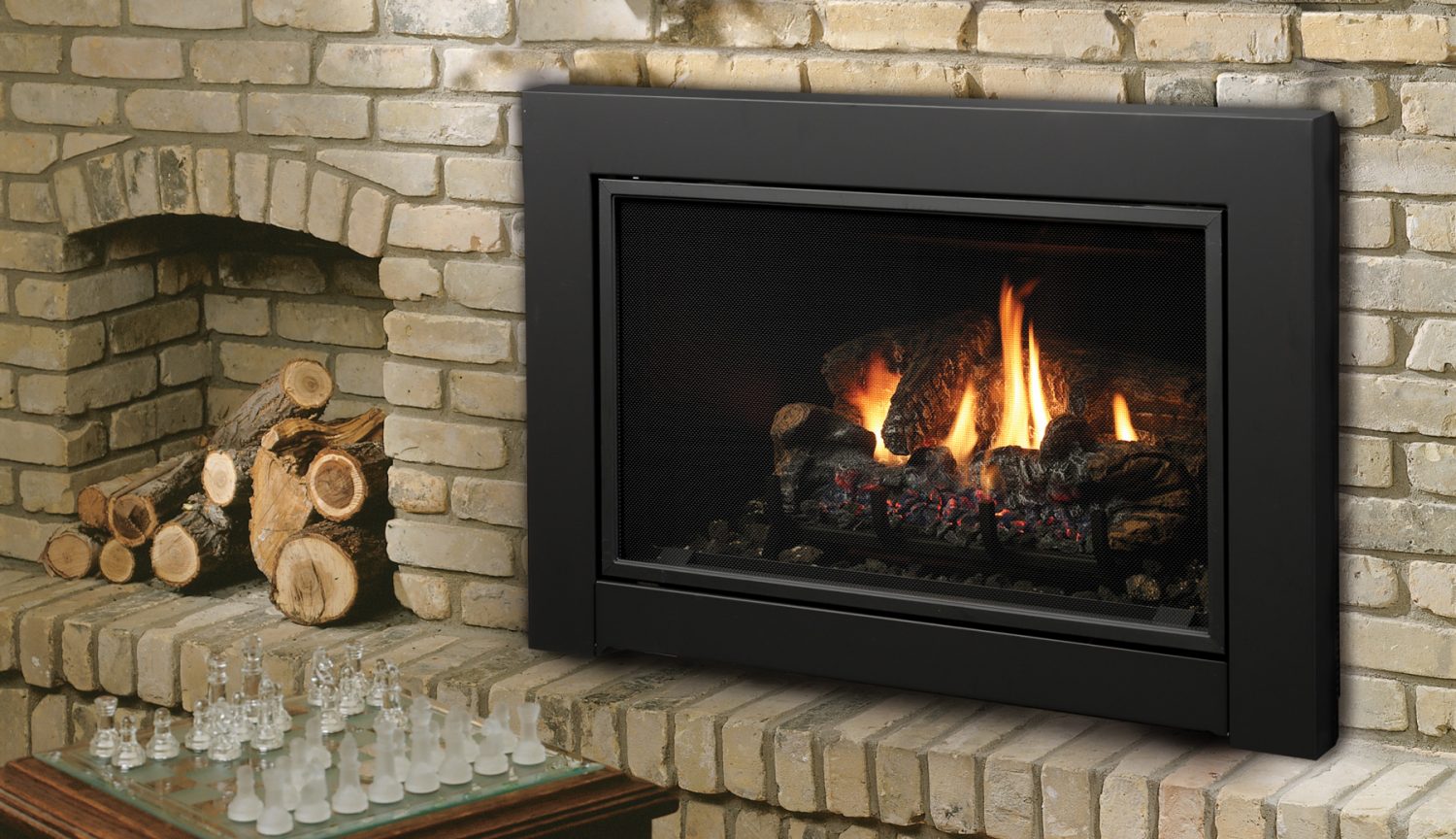
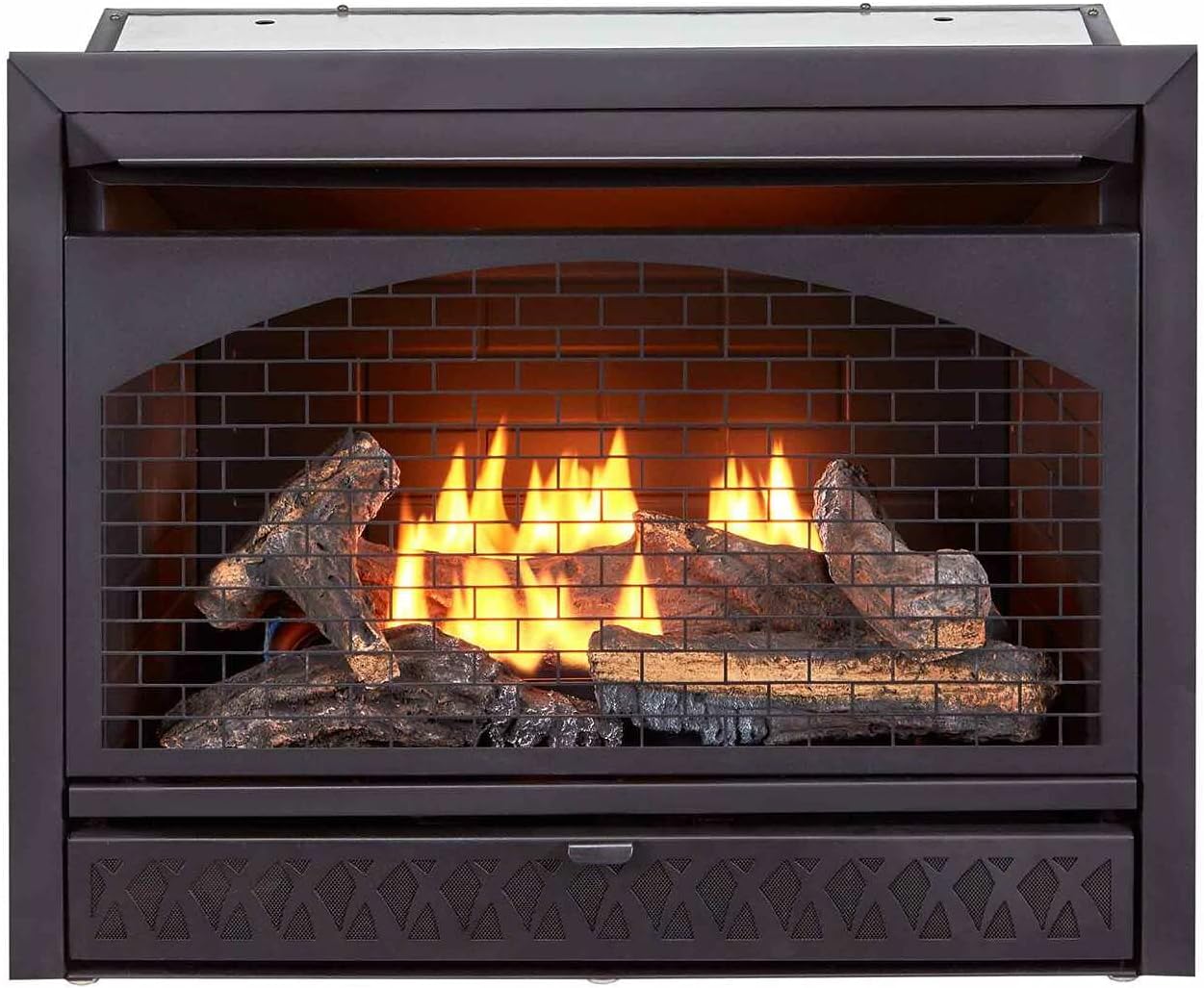
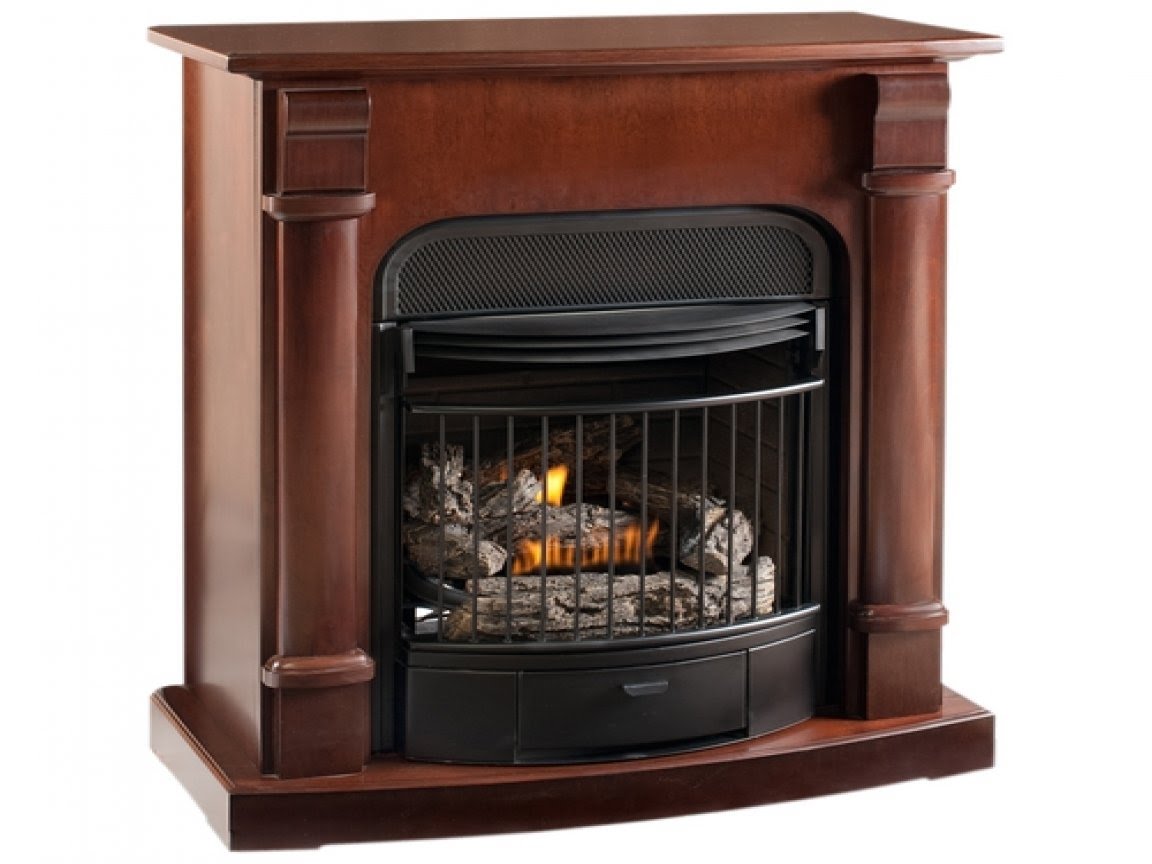
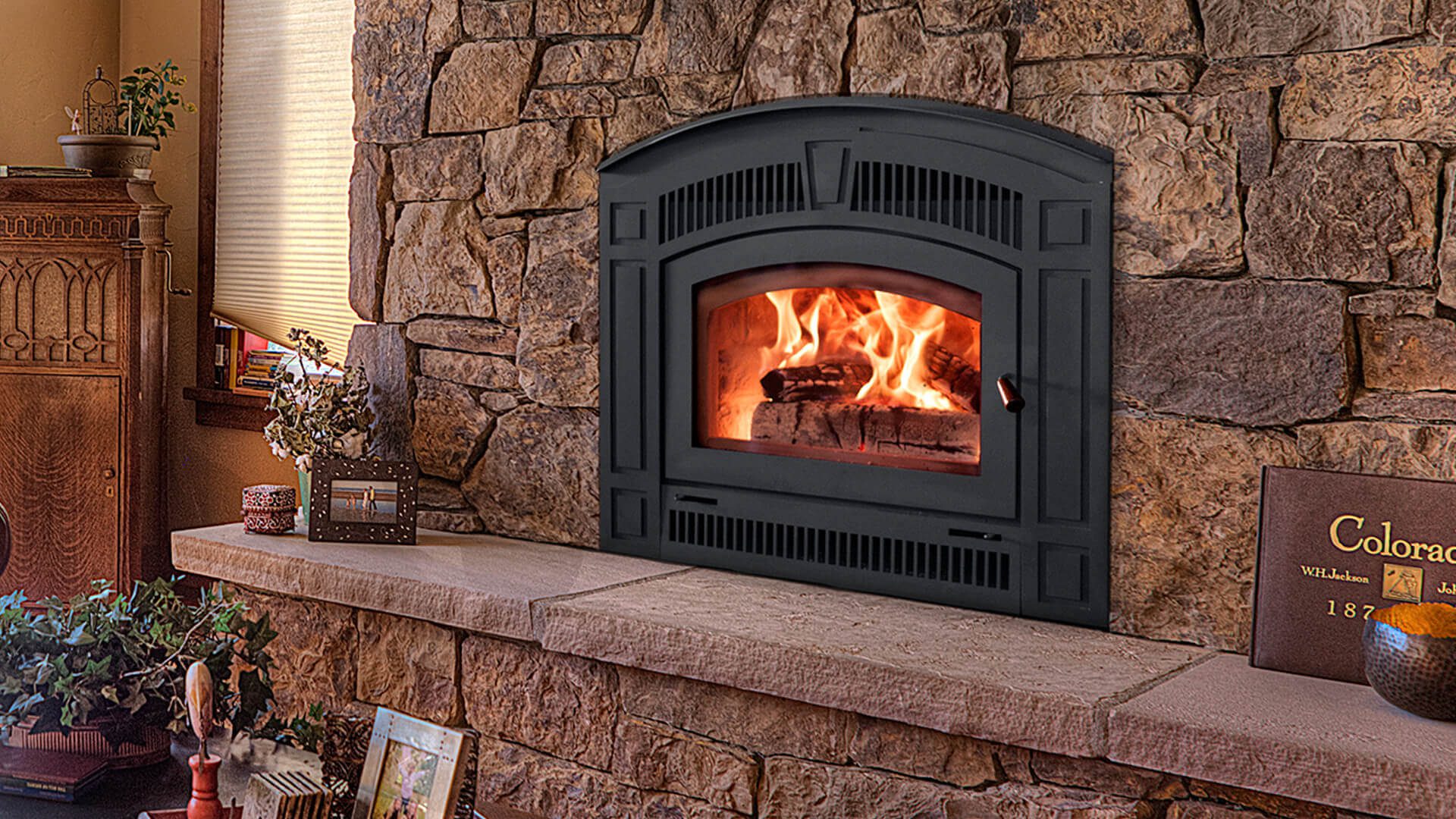
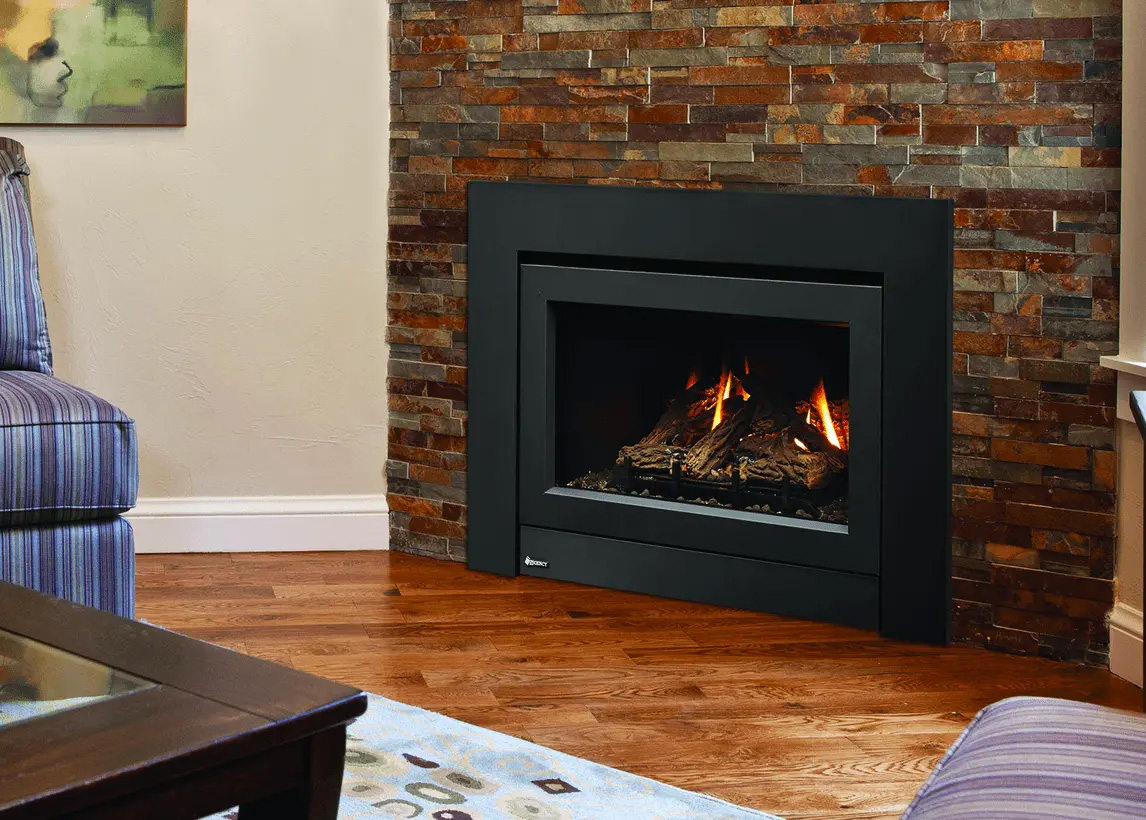
Natural Gas Ventless Fireplace Insert With Blower

Natural Gas Ventless Fireplace Inserts with Blowers: A Smart Choice for Energy Savings and Comfort
As energy costs continue to rise, homeowners and businesses alike are seeking innovative and efficient ways to heat their spaces. A natural gas ventless fireplace insert with a blower offers a compelling solution, combining the ambiance of a traditional fireplace with modern energy-saving technology. This article delves into the intricacies of these systems, exploring their benefits, potential drawbacks, and integration with smart home technology, ultimately helping you make an informed decision about whether a ventless fireplace insert is right for you.
Understanding Ventless Fireplace Technology
Unlike traditional fireplaces that require a chimney or flue for exhaust, ventless fireplaces, also known as unvented fireplaces, operate without external venting. They achieve this through advanced burner technology and sophisticated oxygen depletion sensors (ODS). The ODS system monitors oxygen levels in the room and automatically shuts off the gas supply if the levels drop to an unsafe point. This ensures safe and efficient operation.
The key to understanding ventless fireplace efficiency lies in the completeness of combustion. These units are designed to burn gas extremely cleanly, converting almost all of the fuel into heat, water vapor, and a small amount of carbon dioxide. Manufacturers adhere to strict ANSI (American National Standards Institute) standards to ensure safe and reliable performance. These standards mandate maximum allowable emissions of carbon monoxide and other pollutants.
The Added Benefit of a Blower
A blower significantly enhances the efficiency and heating capabilities of a ventless fireplace insert. The blower, essentially a fan, circulates the warm air produced by the fireplace out into the room, rather than allowing it to passively rise and stratify near the ceiling. This forced-air circulation results in a more even temperature distribution throughout the space, eliminating cold spots and maximizing comfort. Models with variable-speed blowers offer even greater control over airflow and noise levels. The blower also helps the unit heat a larger square footage than a unit without a blower.
Energy Efficiency and Cost Savings
Natural gas ventless fireplaces boast impressive energy efficiency ratings, often exceeding 99% AFUE (Annual Fuel Utilization Efficiency). This means that almost all the gas consumed is converted directly into usable heat. In contrast, traditional wood-burning fireplaces can have efficiencies as low as 10-20%, with much of the heat escaping up the chimney. According to the U.S. Department of Energy, switching to a more efficient heating system can significantly reduce your energy bills.
To quantify the potential savings, consider the following scenario: A homeowner currently using electric baseboard heating in a 500-square-foot room could replace it with a ventless natural gas fireplace insert. Assuming an average natural gas price of $1.00 per therm and an electricity price of $0.15 per kilowatt-hour, the gas fireplace could potentially save hundreds of dollars per year in heating costs. A BTU comparison may be helpful to determine the efficiency of gas versus electricity.
While the initial investment in a ventless fireplace insert may be higher than that of a space heater, the long-term energy savings and improved comfort make it a worthwhile investment for many homeowners. To further reduce the upfront cost, check for available rebates from your local utility company or government programs. Many energy providers offer incentives for installing energy-efficient heating appliances.
Integration with Smart Home Technology
Modern ventless fireplace inserts can be seamlessly integrated into smart home systems, offering unparalleled control and convenience. Many models are compatible with smart thermostats like the Nest Learning Thermostat or Ecobee SmartThermostat, allowing you to control the fireplace remotely via your smartphone or voice commands. This integration enables you to preheat your home before you arrive, adjust the temperature from anywhere, and even create customized heating schedules.
Furthermore, some ventless fireplaces feature built-in sensors that monitor room temperature and humidity, providing valuable data that can be used to optimize your home's energy consumption. By connecting these sensors to your smart home hub, you can create automated rules that adjust the fireplace output based on real-time conditions. For example, you could program the fireplace to automatically turn off when the room reaches a certain temperature, or to adjust the blower speed based on the current humidity level.
Safety Considerations
While ventless fireplaces are designed to be safe, it's crucial to understand the potential risks and take necessary precautions. The primary concern is the production of carbon monoxide (CO), an odorless and colorless gas that can be deadly. As mentioned earlier, all ventless fireplaces are equipped with an ODS system that shuts off the gas supply if oxygen levels drop to an unsafe point. However, it's still essential to install a carbon monoxide detector in the room where the fireplace is located and to regularly test the detector to ensure it's functioning properly.
In addition, it's important to follow the manufacturer's instructions carefully regarding installation, operation, and maintenance. Ensure that the fireplace is installed by a qualified technician and that the room is adequately sized for the unit's BTU output. Never use the fireplace in a confined space or a room with poor ventilation. Regularly inspect the fireplace for any signs of damage or malfunction, and have it serviced by a qualified technician as needed.
Installation and Maintenance
Installing a ventless fireplace insert is generally simpler than installing a traditional fireplace, as it doesn't require venting. However, it's still recommended to hire a qualified HVAC contractor or gas fitter to ensure proper installation and compliance with local building codes. The installation process typically involves connecting the fireplace to a gas line, securing it in place, and testing the ODS system. The job should take no more than a few hours.
Maintenance requirements for ventless fireplaces are relatively minimal. Regularly clean the burner and surrounding area to remove any dust or debris that could impede combustion. Inspect the gas line and connections for any leaks, and have them repaired immediately if found. Annually, have a qualified technician inspect the fireplace to ensure that all components are functioning properly and that the ODS system is working correctly.
Potential Drawbacks and Considerations
Despite their many benefits, ventless fireplaces also have some potential drawbacks that should be considered before making a purchase. One common concern is the production of water vapor, which can increase humidity levels in the room. While this is generally not a problem in well-ventilated spaces, it could lead to condensation and mold growth in poorly ventilated areas. Proper ventilation is always recommended.
Another potential issue is the emission of trace amounts of pollutants, such as nitrogen dioxide (NO2). While ventless fireplaces are designed to burn gas very cleanly, they still produce small amounts of these pollutants. Individuals with respiratory sensitivities, such as asthma, may experience irritation from these emissions. It is important to ensure adequate ventilation, and purchase a unit that adheres to strict emission standards.
Choosing the Right Ventless Fireplace Insert
When selecting a ventless fireplace insert, consider the following factors:
* BTU Output: Choose a unit with a BTU output that is appropriate for the size of the room you intend to heat. A general rule of thumb is that you need approximately 30 BTU per square foot. * Efficiency Rating: Look for a unit with a high AFUE rating to maximize energy savings. * Features: Consider features such as a variable-speed blower, remote control, and smart home integration capabilities. * Safety Certifications: Ensure that the fireplace is certified by a reputable organization, such as ANSI or CSA. * Warranty: Choose a unit with a comprehensive warranty to protect your investment. * Aesthetics: Ventless fireplace inserts come in a variety of styles and finishes, so choose one that complements your home décor. * Local Codes: Make sure your installation complies with local fire and building codes.ROI and Long-Term Value
The return on investment (ROI) for a ventless natural gas fireplace insert with a blower is determined by several factors, including the cost of the unit, the cost of installation, the energy savings achieved, and any available rebates or incentives. In many cases, the long-term energy savings and improved comfort can offset the initial cost of the fireplace within a few years. Add in the value of aesthetic appeal, and it becomes more valuable.
Furthermore, a ventless fireplace can increase the value of your home, making it a more attractive option for potential buyers. In conclusion, a natural gas ventless fireplace insert with a blower offers a compelling combination of energy efficiency, comfort, and convenience. By carefully considering the factors outlined in this article, you can determine whether this type of heating system is right for you and enjoy the warmth and ambiance of a fireplace without the hassle of traditional venting.