Natural Gas Vs Electricity Cost Calculator

Deciding between natural gas and electricity for heating, cooling, and appliances can be a significant financial decision. Both energy sources have their pros and cons regarding initial costs, operating expenses, and environmental impact. This guide will walk you through the key factors involved in comparing the costs of natural gas and electricity, helping you make an informed decision for your home or business.
Understanding the Basics: Natural Gas and Electricity
Before diving into cost calculations, it's essential to understand what we're comparing. Natural gas is a fossil fuel extracted from the earth and delivered to your home through underground pipelines. It's primarily used for heating, cooking, and water heating. Electricity, on the other hand, is a versatile energy source generated from various means like coal, natural gas, nuclear power, solar, wind, and hydroelectric power. It can power virtually any appliance and is essential for lighting and electronics.
Key Differences at a Glance
Here's a quick overview of some key differences between natural gas and electricity:
- Source: Natural gas comes from underground deposits; electricity is generated from various sources.
- Delivery: Natural gas is delivered via pipelines; electricity is delivered via power lines.
- Efficiency: The efficiency of converting natural gas or electricity into usable energy varies by appliance.
- Environmental Impact: Both energy sources have environmental impacts associated with their extraction, generation, and use. The specific impact depends on the electricity generation mix in your region.
Factors Affecting the Cost: A Deep Dive
Several factors influence the overall cost of using natural gas and electricity. Understanding these factors is crucial for an accurate comparison.
1. Energy Rates
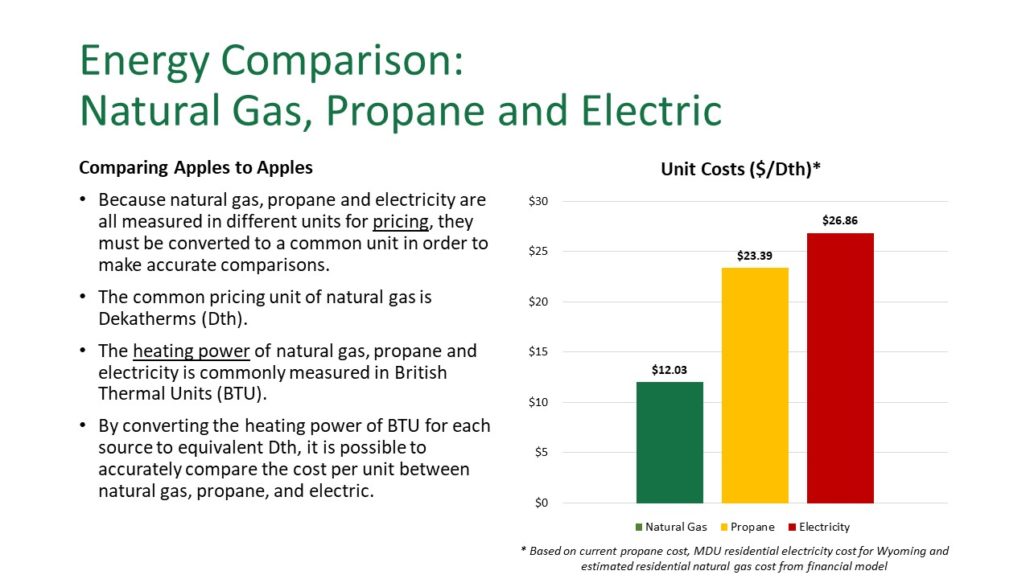
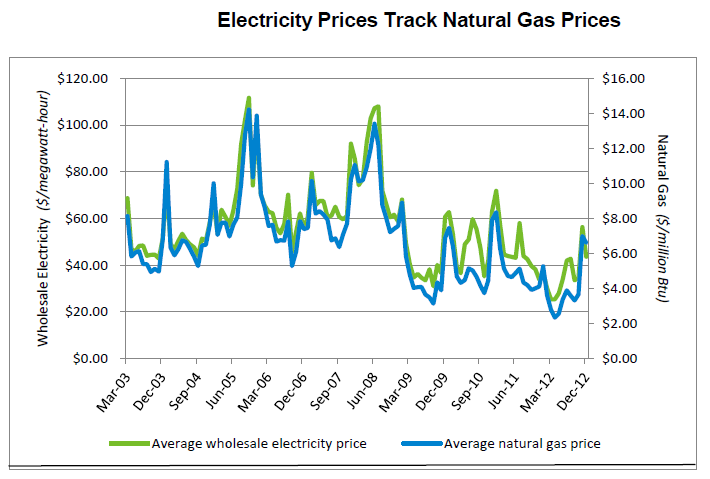
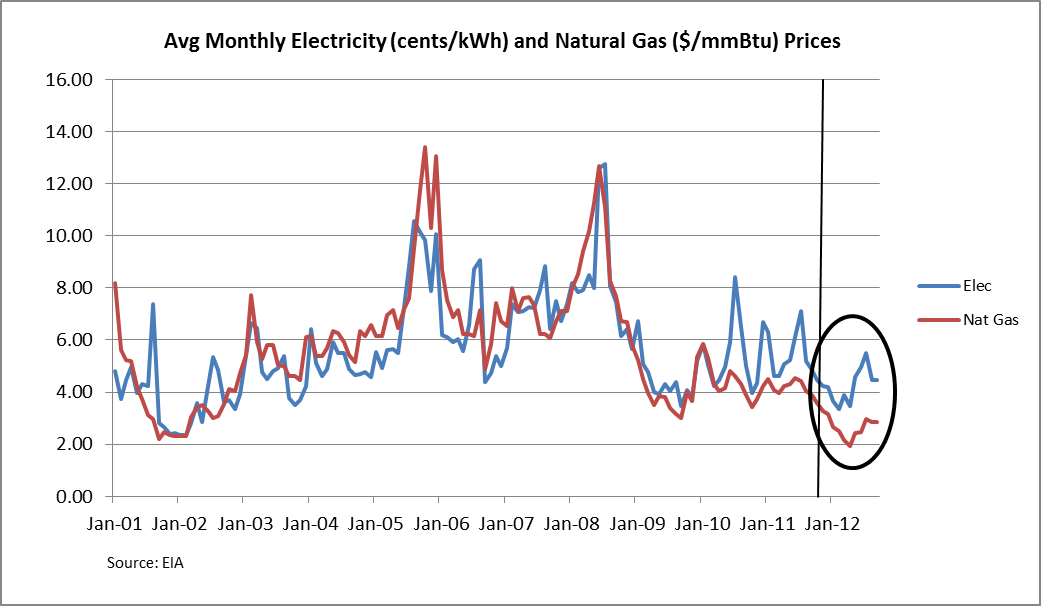
The most obvious factor is the price you pay per unit of energy. Natural gas is typically measured in therms (a unit of heat), while electricity is measured in kilowatt-hours (kWh). Energy rates vary significantly depending on your location, your utility provider, and the time of year.
Important Tip: Check your utility bills to find your current natural gas rate (per therm) and electricity rate (per kWh). Look for any demand charges, time-of-use rates, or other special fees.
2. Appliance Efficiency
Different appliances have varying levels of efficiency in converting energy into usable heat or power. Efficiency is typically expressed as a percentage or an Energy Factor (EF). A higher efficiency rating means the appliance wastes less energy and costs less to operate. For example, a high-efficiency natural gas furnace will use less gas to heat your home compared to a less efficient model.
Example: Consider two furnaces. Furnace A has an AFUE (Annual Fuel Utilization Efficiency) of 80%, while Furnace B has an AFUE of 95%. Furnace B is more efficient and will likely result in lower heating bills, even if the cost of natural gas is the same.
3. Appliance Usage
How often and how long you use your appliances directly impacts your energy consumption and costs. Someone who takes long, hot showers every day will likely have a higher water heating bill than someone who takes shorter showers. Similarly, someone who uses their air conditioner frequently during the summer will have a higher electricity bill than someone who rarely uses it.
Estimating Usage: Track your appliance usage for a week or two to get a better sense of how much energy you consume. Note the duration and frequency of use for each appliance.
4. Installation Costs
The initial cost of installing natural gas or electric appliances can be a significant factor. Natural gas appliances typically require a connection to the gas pipeline, which can involve trenching and other installation work. Electric appliances generally require electrical wiring and outlets, which may also involve installation costs.
Important Consideration: If your home doesn't currently have a natural gas connection, the cost of running a gas line to your property can be substantial. This cost can make electric appliances a more attractive option, at least initially.
5. Maintenance Costs
Both natural gas and electric appliances require maintenance to ensure they operate efficiently and safely. Natural gas appliances, such as furnaces and water heaters, require regular inspections and cleaning to prevent carbon monoxide leaks and maintain optimal performance. Electric appliances, such as air conditioners and heat pumps, require filter changes and occasional servicing.
Budgeting for Maintenance: Factor in the cost of annual maintenance when comparing the long-term costs of natural gas and electric appliances. Neglecting maintenance can lead to reduced efficiency, increased energy consumption, and potentially costly repairs.
6. Regional Climate
Your local climate plays a crucial role in determining your heating and cooling needs, which directly impacts your energy consumption. In colder climates, heating costs will be a major factor, while in hotter climates, cooling costs will be more significant. The relative cost-effectiveness of natural gas and electricity for heating and cooling can vary depending on your climate.
Climate Zones: Consider your climate zone and the typical heating and cooling degree days for your area. This information can help you estimate your energy consumption and compare the costs of natural gas and electricity more accurately.
Creating Your Own Cost Calculator
While there are online tools that can help with these calculations, creating your own basic calculator allows for greater customization and understanding. Here's a simplified approach:
- Gather Data: Collect your natural gas rate (per therm) and electricity rate (per kWh) from your utility bills. Determine the energy efficiency rating (e.g., AFUE, EF, SEER) of the appliances you're comparing. Estimate your appliance usage (hours per day, days per week, etc.).
- Calculate Energy Consumption: Use the following formulas to estimate your energy consumption:
- Natural Gas: (Appliance BTU/hour rating * Hours of use) / (Therm BTU content * Appliance Efficiency) = Therms consumed
- Electricity: (Appliance Wattage * Hours of use) / 1000 = kWh consumed
- Calculate Total Cost: Multiply your energy consumption by your energy rate to determine the total cost.
- Natural Gas: Therms consumed * Price per therm = Total natural gas cost
- Electricity: kWh consumed * Price per kWh = Total electricity cost
Example: Let's say you're comparing a natural gas water heater with an EF of 0.65 to an electric water heater with an EF of 0.90. You estimate that you use 40 gallons of hot water per day. You would need to consult manufacturer specifications to determine the BTU/hour rating of the gas water heater and the wattage of the electric water heater. Then, you can apply the formulas above to calculate the energy consumption and total cost for each option.
Beyond the Numbers: Other Considerations
While cost is a primary concern, there are other factors to consider when choosing between natural gas and electricity.
Environmental Impact
The environmental impact of natural gas and electricity depends on the source of the energy. Burning natural gas releases greenhouse gases, but it generally produces less carbon dioxide than burning coal. The environmental impact of electricity depends on the mix of energy sources used to generate it. Electricity generated from renewable sources, such as solar and wind, has a much lower environmental impact than electricity generated from fossil fuels.
Green Energy Options: Consider purchasing renewable energy credits (RECs) or participating in a green energy program offered by your utility provider to reduce your carbon footprint.
Reliability
The reliability of natural gas and electricity can vary depending on your location and the infrastructure in place. Natural gas pipelines are generally reliable, but they can be susceptible to disruptions due to leaks or damage. Electricity grids can be affected by power outages caused by storms, equipment failures, or other factors.
Backup Power: Consider investing in a backup generator or battery storage system to provide power during outages.
Safety
Both natural gas and electricity can be dangerous if not handled properly. Natural gas leaks can cause explosions or carbon monoxide poisoning. Electrical shocks can cause serious injury or death. It's essential to follow safety precautions and have your appliances and wiring inspected regularly by qualified professionals.
Safety Devices: Install carbon monoxide detectors and smoke detectors in your home. Ensure that your electrical outlets are properly grounded and use surge protectors to protect your electronics.
Conclusion: Making the Right Choice
Choosing between natural gas and electricity is a complex decision that depends on your individual circumstances. By carefully considering the factors outlined in this guide, you can make an informed decision that meets your needs and budget. Remember to factor in energy rates, appliance efficiency, usage patterns, installation costs, maintenance costs, regional climate, environmental impact, reliability, and safety. By taking a holistic approach, you can choose the energy source that is right for you.
Final Recommendation: Get quotes from multiple contractors and compare the total cost of ownership (including installation, operating expenses, and maintenance) for both natural gas and electric appliances. This will help you make the most informed decision.