Natural Gas Wall Heater Installation

One of the most frustrating problems homeowners face, especially during the colder months, is a natural gas wall heater that stubbornly refuses to heat properly. You might turn it on, hear the familiar 'whoosh', but the room remains chilly. Or perhaps it heats sporadically, leaving you with inconsistent warmth and a nagging feeling that something isn't right. Before calling in the professionals, let's walk through a systematic troubleshooting process to see if you can identify and possibly resolve the issue yourself.
Step 1: Preliminary Checks (No Tools Required)
Before diving into anything more complex, let's start with the basics. These checks require no tools and can often pinpoint simple oversights.
1.1. Gas Supply
This might seem obvious, but it's the most common culprit. Ensure the natural gas supply to your home is turned on. Check other gas appliances (like your stove) to confirm they are receiving gas. If other appliances are not working either, the problem is likely a gas company issue and requires a call to your provider.
1.2. Heater Valve
Locate the shut-off valve specifically for your wall heater. It's usually a small valve on the gas supply pipe leading directly to the heater. Make sure this valve is fully open. It should be parallel to the pipe when open and perpendicular when closed.
1.3. Thermostat Settings
Double-check your thermostat settings. Is it set to "Heat" and is the temperature set higher than the current room temperature? A low battery in a digital thermostat can also cause issues, so try replacing them as a preventive measure. Set the thermostat a few degrees higher than the current room temperature and observe if the heater attempts to ignite.
1.4. Obstructed Vents
Examine the vents of the wall heater. Are they blocked by furniture, curtains, or debris? Ensure that air can circulate freely around the heater. Restricted airflow can cause overheating and lead to the heater shutting down prematurely.
1.5. Pilot Light (If Applicable)
Some older wall heaters have a pilot light. Check if the pilot light is lit. If it's out, follow the manufacturer's instructions (usually printed on a label on the heater) to relight it. Be extremely cautious when working with a pilot light, and if you smell gas, immediately shut off the gas supply and call your gas company.
Important Safety Note: If you smell a strong odor of gas at any time, immediately evacuate the premises, shut off the gas supply at the main meter, and call your gas company or emergency services from a safe location.
Step 2: Visual Inspection and Basic Troubleshooting (Minimal Tools)
If the preliminary checks haven't revealed the problem, it's time for a closer look. You'll need a few basic tools for this stage:
- Screwdrivers (Phillips and flathead)
- Flashlight
- Small brush or vacuum cleaner attachment
2.1. Cleanliness Inspection
Turn off the gas supply to the heater before beginning any cleaning or inspection. Use your flashlight to examine the burner assembly and surrounding areas. Dust, lint, and spider webs can accumulate and interfere with proper ignition and combustion. Gently brush away any debris from the burner ports and the area around the pilot light (if applicable). A vacuum cleaner with a brush attachment can be helpful for removing stubborn dirt.
2.2. Vent Obstruction
Visually inspect the vent pipe that exhausts the heater's fumes to the outside. Look for any obvious obstructions, such as bird nests, leaves, or collapsed sections of the pipe. A blocked vent can cause carbon monoxide to build up in your home, which is extremely dangerous. Never operate a heater with a blocked vent. If you suspect a significant obstruction, or cannot safely reach the vent, contact a qualified HVAC technician.
2.3. Burner Flame Color
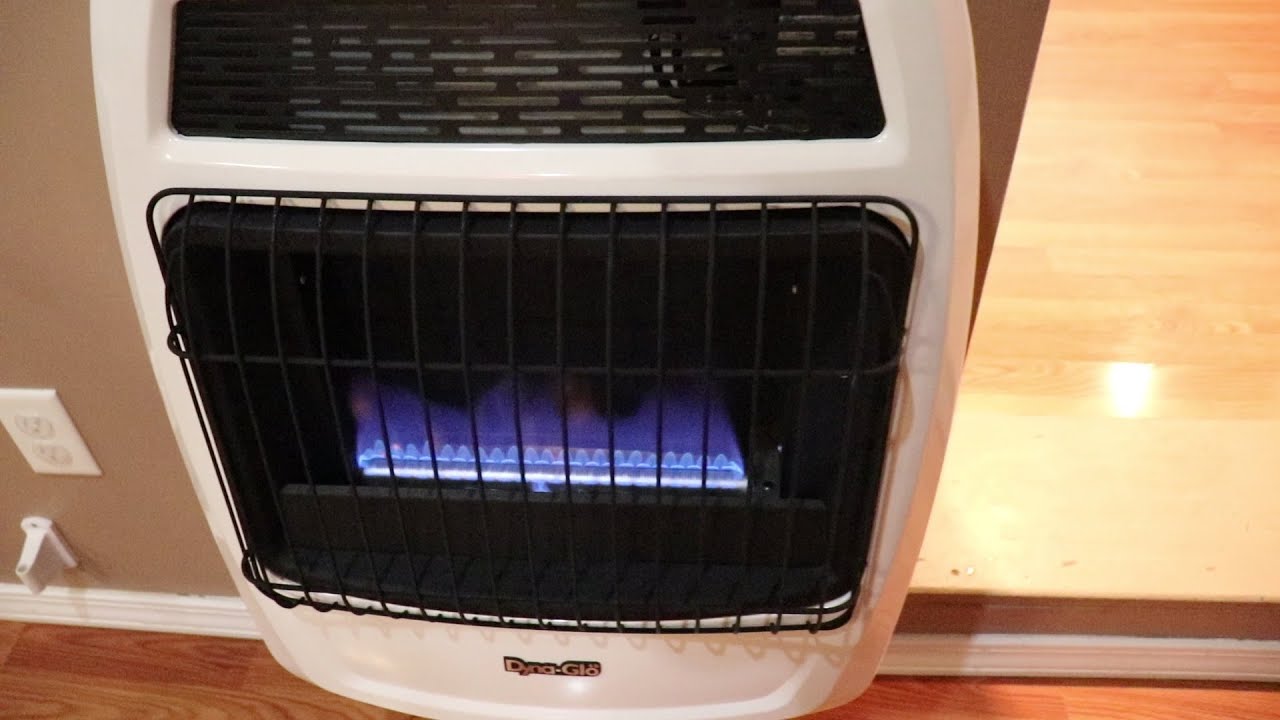
Carefully observe the color of the burner flame when the heater is operating (after turning the gas supply back on). A healthy flame should be primarily blue with a slight yellow tip. A yellow, orange, or smoky flame indicates incomplete combustion, which can be caused by insufficient air, a dirty burner, or a faulty gas regulator. If the flame is abnormal, try cleaning the burner again. If the problem persists, it's best to call a professional.
2.4. Thermocouple (Pilot Light Heaters)
If your heater has a pilot light, it also has a thermocouple. The thermocouple is a small, thin metal rod located near the pilot light. It's a safety device that senses the pilot light flame and keeps the gas valve open. If the pilot light goes out, the thermocouple cools down and shuts off the gas supply to prevent a gas leak. A faulty thermocouple is a common reason why a pilot light won't stay lit. You can try gently cleaning the thermocouple with fine steel wool or sandpaper. If that doesn't work, the thermocouple may need to be replaced. Replacing a thermocouple is a relatively inexpensive repair, but if you're not comfortable working with gas lines, it's best to call a professional.
Step 3: Advanced Troubleshooting (Requires More Skill & Tools)
The following steps require more technical knowledge and tools. Proceed with caution and only if you are comfortable working with gas appliances. If you have any doubts, it's always best to call a qualified HVAC technician.
- Multimeter
- Manometer (for gas pressure testing)
- Adjustable wrench
3.1. Thermostat Wiring
If the thermostat seems to be functioning correctly, but the heater isn't responding, the problem could be in the wiring. Turn off the power to the heater at the circuit breaker. Carefully remove the thermostat cover and inspect the wiring connections. Make sure the wires are securely connected to the terminals. A loose wire can cause intermittent or no heating. Refer to the wiring diagram on the thermostat or heater to ensure the wires are connected correctly. If you find any damaged or corroded wires, replace them.
3.2. Gas Valve Testing
The gas valve controls the flow of gas to the burner. A faulty gas valve can prevent the heater from igniting or cause it to shut down prematurely. Testing the gas valve requires a multimeter. This step should only be performed by someone with experience using a multimeter and working with gas appliances. You can use the multimeter to check the voltage to the gas valve. If there is voltage present, but the valve isn't opening, the valve may be faulty and need to be replaced. Replacing a gas valve is a complex and potentially dangerous task that should be left to a professional.
3.3. Flame Sensor (Electronic Ignition Heaters)
If your heater has electronic ignition (no pilot light), it will have a flame sensor. The flame sensor is a safety device that verifies that the flame is present after ignition. If the flame sensor doesn't detect a flame, it will shut off the gas supply to prevent a gas leak. A dirty or faulty flame sensor is a common cause of intermittent heating. You can try cleaning the flame sensor with fine steel wool or sandpaper. If that doesn't work, you can test the flame sensor with a multimeter to see if it's producing the correct microamp reading. Testing and replacing a flame sensor requires technical knowledge and should only be performed by a qualified technician if you are not comfortable with electrical testing.
3.4. Gas Pressure Testing
Proper gas pressure is essential for the safe and efficient operation of your wall heater. Low gas pressure can cause the heater to produce a weak flame or not ignite at all. High gas pressure can damage the heater and create a dangerous situation. Testing gas pressure requires a manometer. This is a highly specialized task that should only be performed by a qualified HVAC technician or gas fitter. They will connect the manometer to the gas line and measure the gas pressure while the heater is operating. If the gas pressure is outside the manufacturer's specified range, they will need to adjust the gas regulator or address any other issues in the gas supply system.
When to Call a Professional
While many minor issues with natural gas wall heaters can be resolved with DIY troubleshooting, some problems require the expertise of a qualified HVAC technician. Here are some situations where you should always call a professional:
- You smell a strong odor of gas.
- You suspect a gas leak.
- The heater makes unusual noises (banging, hissing, or popping).
- The heater is producing a yellow or orange flame.
- You are uncomfortable working with gas lines or electrical components.
- You cannot identify the problem after performing the basic troubleshooting steps.
- You suspect a problem with the gas valve, gas regulator, or vent system.
- The heater is old or has not been serviced in a long time.
Attempting to repair a gas appliance without the proper knowledge and tools can be dangerous and can potentially void your warranty. A qualified HVAC technician has the training and experience to diagnose and repair gas wall heaters safely and effectively. They can also perform routine maintenance to keep your heater running smoothly and efficiently.
By following these troubleshooting steps, you can potentially identify and resolve minor issues with your natural gas wall heater. However, always prioritize safety and don't hesitate to call a professional when needed. Regular maintenance and prompt repairs will help ensure that your wall heater provides reliable and safe heating for your home for years to come.