Negative Pressure Ventilation Vs Positive Pressure Ventilation
When dealing with air circulation in enclosed spaces, particularly in healthcare settings, construction sites, or even your own home, understanding the principles of ventilation is crucial. Two common methods are Negative Pressure Ventilation (NPV) and Positive Pressure Ventilation (PPV). Both aim to control airflow, but they achieve this goal through fundamentally different mechanisms. Choosing the right method depends entirely on the specific needs and objectives of the situation.
Understanding the Basics
Before diving into the specifics, let's define pressure. Pressure, in this context, refers to the force exerted by air on a given surface. High pressure means more air molecules are colliding with that surface, while low pressure means fewer. Ventilation systems manipulate this pressure difference to control the direction and flow of air.
What is Negative Pressure Ventilation (NPV)?
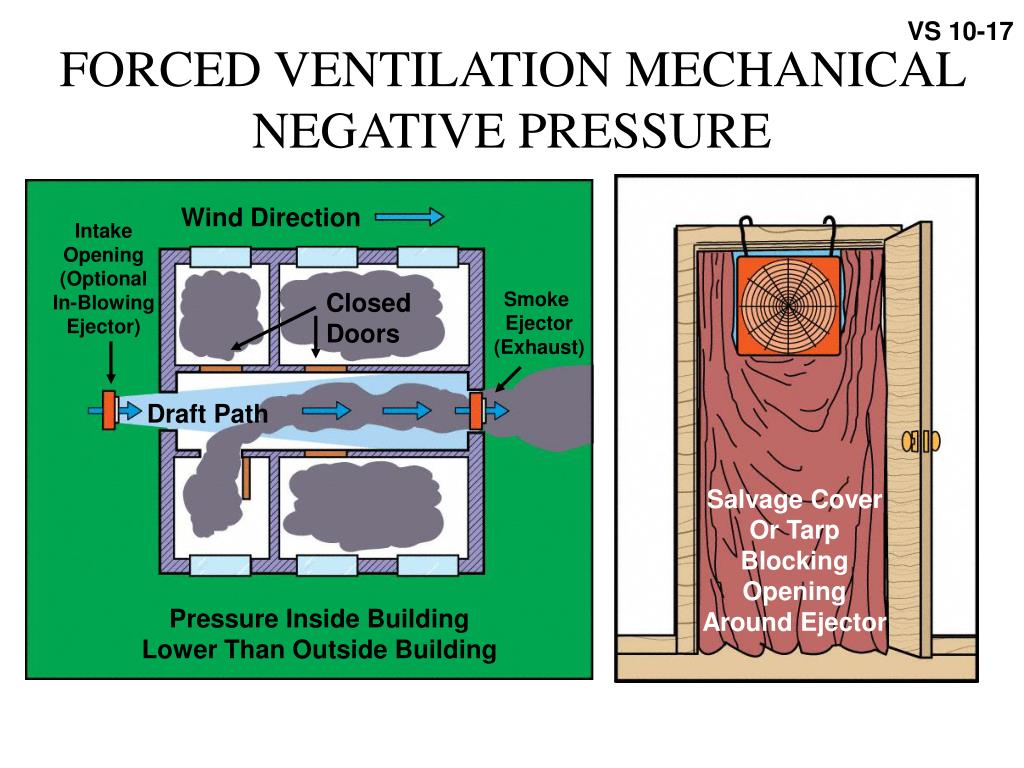
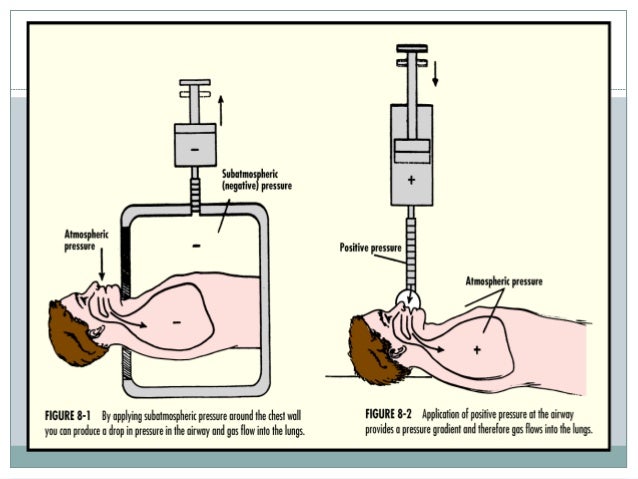
Negative pressure ventilation works by creating lower air pressure inside a specific room or area compared to the pressure in surrounding areas. Imagine it like a vacuum cleaner: it sucks air out of the room, creating a pressure deficit that draws air in from the surrounding environment. This ensures that air flows into the negatively pressured space, not out. Crucially, the air that is extracted is often then filtered before being exhausted, which we will explore more in the specific applications below.
What is Positive Pressure Ventilation (PPV)?
Positive pressure ventilation, conversely, creates higher air pressure inside a space compared to the surrounding environment. Think of it as blowing air into a balloon: the increased pressure inside forces the air outward through any available openings. In this case, air flows out of the positively pressured space, preventing air from the surrounding environment from entering.
Key Differences: A Head-to-Head Comparison
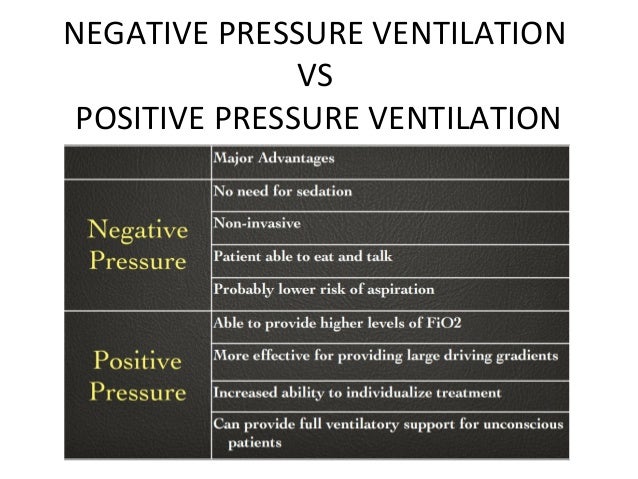
The following table highlights the core differences between NPV and PPV:
| Feature | Negative Pressure Ventilation (NPV) | Positive Pressure Ventilation (PPV) |
|---|---|---|
| Pressure Inside Room | Lower than surrounding areas | Higher than surrounding areas |
| Airflow Direction | Air flows into the room | Air flows out of the room |
| Goal | Prevent contaminants from escaping the room | Prevent contaminants from entering the room |
| Primary Applications | Isolation rooms, construction sites with hazardous materials | Cleanrooms, operating rooms, fire suppression |
Specific Applications and Use Cases
Understanding the principles is helpful, but seeing how these systems are applied in real-world scenarios provides a clearer picture.
Negative Pressure Ventilation in Healthcare
One of the most critical applications of NPV is in hospital isolation rooms. These rooms house patients with contagious airborne diseases like tuberculosis, measles, or, more recently, COVID-19. The goal is to contain the pathogens within the room, preventing them from spreading to other patients, healthcare workers, and visitors. The NPV system ensures that any air leaving the room is first passed through a HEPA (High-Efficiency Particulate Air) filter to remove infectious particles before being exhausted outside.
Think of a HEPA filter as a very fine sieve that traps even microscopic particles. It's crucial for preventing the spread of airborne contaminants. Regular maintenance and filter replacement are vital to ensure the system's effectiveness.
How it works in a hospital isolation room: A fan extracts air from the room, creating negative pressure. Air is drawn into the room through vents or gaps around the door, but it cannot easily escape. The extracted air is filtered and then exhausted outside the building. Monitoring devices constantly check the pressure differential to ensure the system is functioning correctly. In this setup, air flows under the door into the room.
Positive Pressure Ventilation in Healthcare
PPV plays a critical role in protecting sensitive environments, such as operating rooms and pharmaceutical compounding areas (cleanrooms). In these spaces, the primary concern is preventing contaminants from entering and compromising the sterility of the environment.
How it works in an operating room: PPV systems pump filtered air into the operating room, creating positive pressure. This positive pressure forces air out of the room through any small openings, effectively preventing unfiltered air from entering. This is particularly important when the doors open, ensuring a continuous outward flow of air that blocks the entry of contaminants. This filtered air has often passed through ULPA (Ultra-Low Penetration Air) filters. These filters are even more efficient than HEPA filters and capture even smaller particles, providing a higher level of air purity. In this setup, air flows out from under the door.
NPV in Construction and Industrial Settings
NPV is frequently employed in construction and industrial settings where hazardous materials are handled. For example, during asbestos removal or lead abatement, NPV systems contain the dust and fibers generated during the process, preventing them from spreading to other areas. Just like in healthcare, HEPA filters are essential for removing the hazardous particles from the air before it's exhausted.
PPV in Fire Suppression
While not directly related to air quality, PPV is also used in firefighting. Firefighters use PPV fans to blow fresh air into a building, pushing out smoke and heat, improving visibility, and creating a safer environment for rescue operations. This technique, known as positive pressure attack (PPA), can also help to control the direction of the fire and prevent it from spreading.
Advantages and Disadvantages
Both NPV and PPV have their strengths and weaknesses. Understanding these will help you determine the best approach for your specific needs.
Negative Pressure Ventilation (NPV)
Advantages:
- Effective containment: Excellently prevents contaminants from escaping a designated area.
- Suitable for hazardous materials: Ideal for applications involving asbestos, lead, or infectious agents.
- Relatively simple to implement: Can be achieved with fans and appropriate filtration systems.
Disadvantages:
- Potential for backflow: If the system is not properly sealed or maintained, contaminants may still escape.
- Requires careful monitoring: Pressure differentials must be constantly monitored to ensure effectiveness.
- Can be noisy: The fans used to create negative pressure can generate noise.
Positive Pressure Ventilation (PPV)
Advantages:
- Effective prevention of contamination: Excellently prevents contaminants from entering a designated area.
- Creates a clean environment: Ideal for operating rooms, cleanrooms, and pharmaceutical compounding areas.
- Can improve air quality: The constant influx of filtered air can improve overall air quality within the space.
Disadvantages:
- Potential for outward spread: Contaminants within the room can be forced out if not properly managed.
- Requires tight sealing: Any leaks can compromise the effectiveness of the system.
- Can be energy intensive: Maintaining positive pressure requires continuous operation of fans and filtration systems.
Factors to Consider When Choosing a System
Choosing between NPV and PPV depends on several factors:
- The nature of the contaminants: Are you trying to contain contaminants or prevent them from entering?
- The sensitivity of the environment: How critical is it to maintain a sterile or clean environment?
- The size of the space: The size of the room or area will affect the required airflow and fan capacity.
- The existing ventilation system: Can the existing system be adapted to create negative or positive pressure?
- Cost: The initial cost of the equipment and the ongoing cost of maintenance and energy consumption should be considered.
Maintenance and Monitoring
Regardless of whether you choose NPV or PPV, regular maintenance and monitoring are essential to ensure the system's effectiveness. This includes:
- Regular filter replacement: HEPA and ULPA filters must be replaced regularly to maintain their efficiency.
- Pressure monitoring: Pressure differentials should be monitored constantly to ensure the system is functioning correctly.
- System inspections: Regular inspections should be conducted to identify any leaks or other problems.
- Fan maintenance: Fans should be regularly inspected and maintained to ensure they are operating efficiently.
Conclusion
Negative Pressure Ventilation (NPV) and Positive Pressure Ventilation (PPV) are valuable tools for controlling airflow and managing air quality in a variety of settings. NPV is ideal for containing contaminants, while PPV is ideal for preventing contaminants from entering a space. By understanding the principles of each system, their advantages and disadvantages, and the factors to consider when choosing a system, you can make an informed decision and ensure a safe and healthy environment. When in doubt, always consult with a qualified HVAC professional to determine the best solution for your specific needs. Remember that proper installation, maintenance, and monitoring are crucial for ensuring the long-term effectiveness of either system.