Neutral Bonding Strap

Many homeowners experience seemingly random electrical issues that can be frustrating and even a little scary. Lights flickering, appliances acting strangely, or even mild shocks from metal fixtures are often the first signs that something isn't quite right with your electrical system. While there can be many causes, one often overlooked culprit is a faulty or disconnected neutral bonding strap.
This article will guide you through understanding what a neutral bonding strap is, how to identify potential problems, and some simple, safe DIY troubleshooting steps. We'll also highlight when it's absolutely essential to call a qualified electrician.
Understanding the Neutral Bonding Strap
Before we dive into troubleshooting, let's clarify what a neutral bonding strap is and why it's so important. Think of it as the unsung hero of your electrical panel, ensuring safe and reliable electricity flow.
What Does It Do?
The neutral bonding strap, also sometimes called a main bonding jumper, connects the neutral bus bar (where all the white neutral wires connect) to the metal enclosure of your electrical panel, which is then connected to the grounding system (usually through a grounding electrode rod driven into the earth). This connection creates a single point where neutral and ground are bonded together.
Why is this important? Under normal circumstances, the neutral wire carries the return current back to the power source. However, if there's a fault or short circuit, current can potentially flow through the grounding system. The bonding strap provides a low-resistance path for this fault current to flow back to the source, causing the circuit breaker to trip and shut off the power, protecting you from electric shock and preventing damage to your appliances.
Location and Appearance
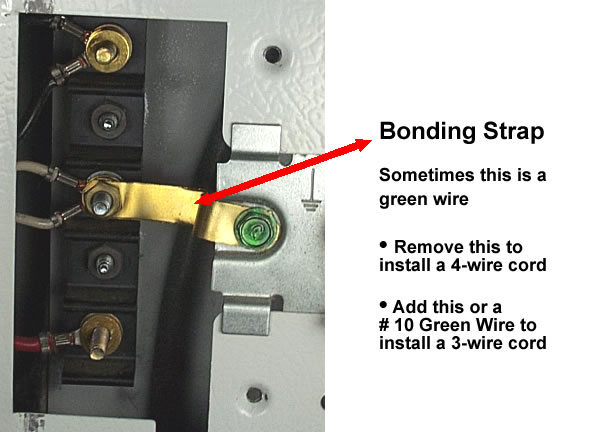
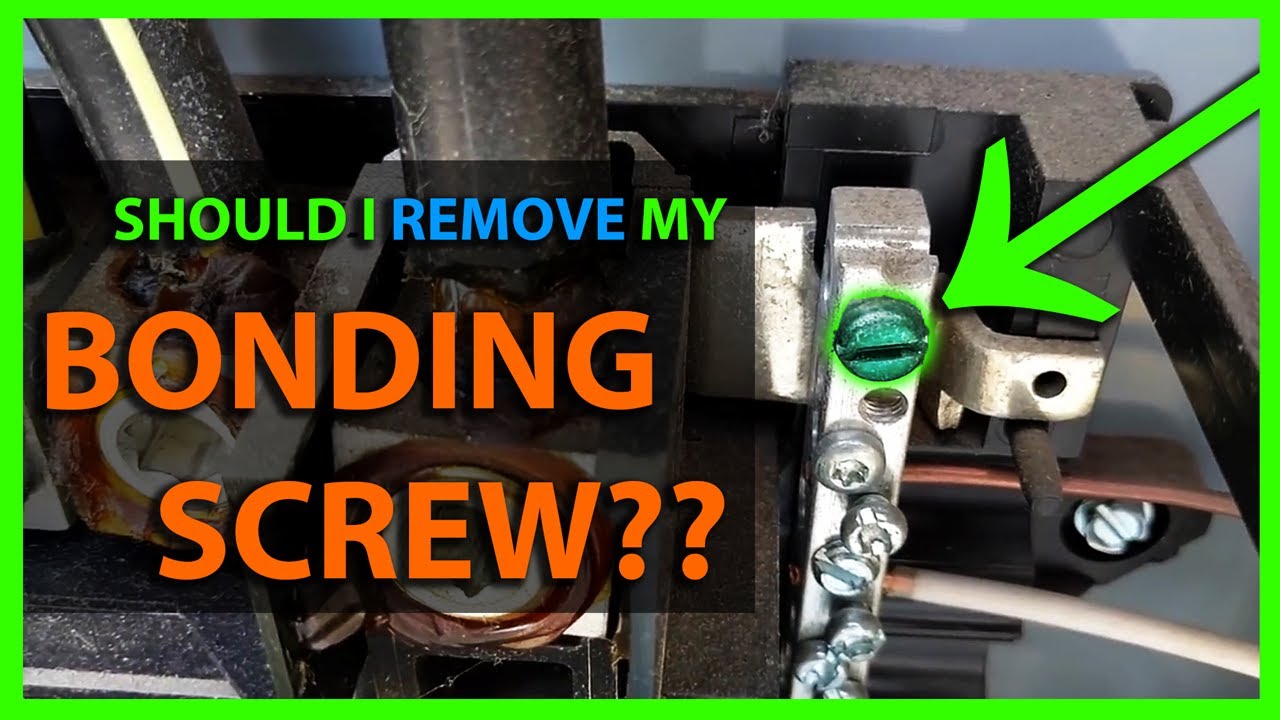
The neutral bonding strap is typically located inside your main electrical panel. It's usually a thick, bare copper or aluminum strap, or a heavy-gauge wire (typically green or bare copper). It's often attached with screws or bolts to both the neutral bus bar and the metal panel enclosure. You can usually find it near the main breaker.
Common Problems & Symptoms
When the neutral bonding strap is loose, corroded, or disconnected, it can lead to a variety of electrical problems. Here are some of the most common symptoms:
- Flickering lights: This is a classic symptom of a loose neutral connection, which can be caused by a faulty bonding strap.
- Appliances malfunctioning or behaving erratically: Appliances may not operate correctly, cycle on and off unexpectedly, or even experience damage.
- Mild electrical shocks from metal fixtures or appliance casings: This is a dangerous symptom! If you feel even a slight tingle when touching metal parts, immediately investigate and proceed with extreme caution.
- Circuit breakers tripping frequently: A loose or corroded bonding strap can interfere with the grounding system's ability to safely handle fault currents, leading to nuisance tripping.
- Buzzing or humming sounds coming from the electrical panel: This could indicate a loose connection that's vibrating due to electrical current.
- Elevated voltage on neutral wires: This requires specialized testing equipment, but it's a definitive sign of a neutral bonding issue.
Important Note: If you experience any of these symptoms, it's crucial to address the problem promptly. Ignoring electrical issues can lead to dangerous situations, including electric shock, fire hazards, and damage to your electrical equipment.
Troubleshooting the Neutral Bonding Strap: A Step-by-Step Guide
Before you begin, remember that working with electricity can be dangerous. Always take the following precautions:
- Turn off the main breaker: This is the most important step! Locate the main breaker in your electrical panel and switch it to the "OFF" position. Double-check that the power is off by testing a nearby outlet with a non-contact voltage tester.
- Use insulated tools: Always use tools with insulated handles to prevent accidental shocks.
- Work in a well-lit area: Good visibility is essential for safe and accurate work.
- Wear safety glasses: Protect your eyes from debris or sparks.
- Have a buddy: If possible, have someone nearby while you're working on the electrical panel. They can assist in case of an emergency.
Step 1: Visual Inspection
Carefully open your electrical panel. Look for the neutral bonding strap. It should be a solid connection between the neutral bus bar and the metal enclosure of the panel.
- Is the strap present? Sometimes, in older homes or after amateur electrical work, the strap might be missing altogether.
- Is the strap securely connected? Check that the screws or bolts holding the strap in place are tight. Use a screwdriver or wrench to gently tighten them, but do not overtighten, as this could strip the threads.
- Is the strap corroded or damaged? Look for signs of rust, green corrosion (especially on copper), or physical damage to the strap.
Step 2: Tightening Connections
If you find any loose connections, carefully tighten them. Use the appropriate size screwdriver or wrench to ensure a snug fit. Again, be careful not to overtighten.
Step 3: Cleaning Corroded Connections
If you find corrosion, you can try to clean it off. First, ensure the main breaker is OFF! Use a wire brush or sandpaper to gently remove the corrosion from both the strap and the metal surfaces it connects to. After cleaning, apply a small amount of electrical contact cleaner to the connections before reassembling.
Step 4: Testing for Continuity (Advanced - Use with Caution)
This step requires a multimeter and some basic understanding of electrical testing. If you're not comfortable using a multimeter, skip this step and call an electrician.
Set your multimeter to the continuity setting (usually indicated by a diode symbol or a buzzer). With the main breaker still OFF!, place one probe on the neutral bus bar and the other probe on the metal enclosure of the electrical panel. If the bonding strap is working correctly, you should hear a beep or see a near-zero resistance reading on the multimeter, indicating a continuous connection.
If you don't get a continuity reading, double-check your connections and the multimeter settings. If you're still not getting continuity, the bonding strap may be faulty and need to be replaced.
Step 5: Reassemble and Test
Once you've tightened or cleaned the connections, carefully reassemble the electrical panel cover. Turn the main breaker back on. Monitor your electrical system for any signs of the previous problems. Check if the lights still flicker, the appliances work correctly, and that there's no tingling sensation from metal parts.
When to Call a Professional Electrician
While some neutral bonding strap issues can be addressed with simple DIY troubleshooting, there are situations where you should always call a qualified electrician:
- If you are not comfortable working with electricity: Your safety is paramount. If you feel uneasy or unsure about any of the steps described above, don't hesitate to call a professional.
- If you find a missing neutral bonding strap: Replacing a missing bonding strap requires careful consideration of wire gauge, material compatibility, and proper installation techniques. An electrician can ensure the job is done safely and correctly.
- If you suspect a more complex electrical problem: If you've tried the troubleshooting steps above and the problem persists, or if you suspect a deeper issue within your wiring or electrical panel, it's best to consult an electrician.
- If you find severely damaged wiring or components: If you notice any burned wires, melted insulation, or damaged circuit breakers, call an electrician immediately. These are signs of a serious electrical problem that could pose a fire hazard.
- If you are unsure about local electrical codes: Electrical codes vary by location. An electrician will be familiar with the local codes and ensure that your electrical system is up to standard.
- If you have Aluminum Wiring Aluminum wiring can be a major electrical hazard. It is more common to corrode. Call a professional to ensure that it is working properly.
Specifically, any of the following indicates the need for a qualified electrician:
- Any arcing (seeing sparks) within the panel.
- Excessive heat from any wiring within the panel.
- Evidence of past electrical fires or overheating.
- The presence of aluminum wiring (requires special handling).
- If you're not 100% confident in your ability to safely perform any of these tasks.
Preventative Maintenance
To prevent neutral bonding strap problems and other electrical issues, consider the following preventative maintenance tips:
- Schedule regular electrical inspections: Have a qualified electrician inspect your electrical system every few years to identify potential problems before they become serious.
- Keep your electrical panel clean and dry: Dust and moisture can contribute to corrosion and other electrical problems.
- Avoid overloading circuits: Overloading circuits can put stress on your electrical system and increase the risk of electrical problems.
- Be mindful of DIY electrical work: If you're not comfortable with electrical work, hire a professional. Improperly performed electrical work can be dangerous and can void your homeowner's insurance.
Final Thoughts
The neutral bonding strap plays a critical role in the safety and reliability of your electrical system. By understanding its function and knowing how to troubleshoot potential problems, you can keep your home safe and prevent costly repairs. However, always prioritize safety and don't hesitate to call a qualified electrician when in doubt. Remember, when it comes to electricity, it's always better to be safe than sorry!