No Fixed Periods Starts With Ac
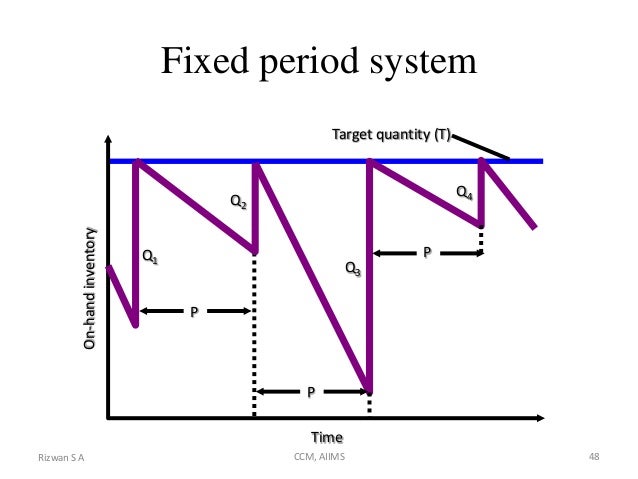
Dealing with an air conditioner that won't consistently cycle on and off can be frustrating. If your AC seems to run continuously without ever reaching the desired temperature and shutting off, this falls under the umbrella of issues loosely described as "No Fixed Period" or "Runs Constantly." This behavior isn't normal, and it signifies underlying problems that can negatively impact your comfort, energy bills, and the lifespan of your AC unit. Understanding the potential causes and solutions is crucial for effective troubleshooting and repair.
Understanding "No Fixed Periods" in AC Systems
The phrase "No Fixed Periods" isn't a standardized technical term, but rather a common way to describe an air conditioner that fails to cycle properly. A properly functioning AC system operates in cycles: it runs to cool the space down to the set temperature, then shuts off (the "off" period) to conserve energy and prevent overcooling. It then cycles back on when the temperature rises above the setpoint again. An AC with "No Fixed Periods" skips the "off" period and runs constantly, 24/7 in extreme cases.
What Does Continuous Operation Mean for Your AC?
Continuous operation puts excessive strain on the AC's components. Think of it like running a car engine at high speed constantly. Sooner or later, something will break down. In ACs, this can lead to compressor failure, motor burnout, and other costly repairs. It also significantly increases your energy consumption, leading to much higher electricity bills. Furthermore, if the AC isn't properly cooling while running constantly, it could indicate a refrigerant leak or other efficiency-related issue which slowly wears down components due to overworking.
Common Causes of Continuous AC Operation
Several factors can cause an air conditioner to run continuously. Here are some of the most common culprits:
1. Thermostat Problems
The thermostat is the brain of your AC system. It senses the room temperature and tells the AC when to turn on and off. If the thermostat is faulty, it might not accurately read the temperature or might fail to send the correct signals.
Possible Thermostat Issues:
- Miscalibration: The thermostat's temperature reading is off, causing it to think the room is warmer than it actually is.
- Placement: If the thermostat is located in a sunny spot, near a heat source (like an oven), or in a drafty area, it won't accurately reflect the average room temperature.
- Faulty Wiring: Damaged or loose wiring can disrupt the communication between the thermostat and the AC unit.
- Old Age: Thermostats, like any electronic device, can degrade over time and become less accurate.
Solutions:
- Try recalibrating your thermostat (refer to the manufacturer's instructions).
- Ensure your thermostat is located in a suitable location, away from heat sources and drafts.
- Check the wiring for any loose connections or damage.
- Consider replacing the thermostat with a new, more accurate model, especially if it's old. Smart thermostats offer enhanced features and precision.
2. Refrigerant Leaks
Refrigerant is the working fluid that absorbs heat from inside your home and releases it outside. Think of refrigerant as the "blood" of your AC system, carrying heat from inside to outside. When there's a leak, the system loses refrigerant, reducing its cooling capacity. To compensate, the AC has to run longer to try to reach the set temperature, leading to continuous operation.
Symptoms of Refrigerant Leak:
- AC runs constantly but doesn't cool effectively.
- Ice buildup on the evaporator coils (the indoor coils).
- Hissing or bubbling sound near the AC unit.
- Higher than usual energy bills.
Solutions:
Refrigerant leaks require professional attention. A qualified HVAC technician can locate the leak, repair it, and recharge the system with the correct amount of refrigerant. Do not attempt to handle refrigerant yourself, as it can be harmful and requires specialized equipment.
3. Dirty Air Filter
A dirty air filter restricts airflow to the evaporator coils. This restricted airflow causes the coils to become too cold and potentially freeze over. The frozen coils reduce the AC's ability to absorb heat efficiently. Consequently, the unit struggles to cool the space effectively and runs continuously.
Solutions:
- Replace your air filter regularly. Aim for every 1-3 months, depending on usage and the type of filter.
- Use a high-quality air filter. While cheaper filters trap larger particles, high-efficiency filters capture smaller allergens and pollutants, improving air quality. Be aware that higher-efficiency filters may restrict airflow more, so monitor your system's performance.
4. Dirty Evaporator or Condenser Coils
Similar to a dirty air filter, dirty evaporator or condenser coils can impede heat transfer. The evaporator coils (indoor) absorb heat from the air, and the condenser coils (outdoor) release heat to the outside. When these coils are covered in dirt, dust, or debris, they can't perform their function efficiently.
Solutions:
- Clean the coils regularly. You can use a coil cleaner specifically designed for AC units. Follow the manufacturer's instructions carefully. Turn off the power to the unit before cleaning.
- Consider professional cleaning. If the coils are heavily soiled or difficult to access, a professional HVAC technician can clean them thoroughly.
5. Undersized AC Unit
If your AC unit is too small for the size of your home or the area you're trying to cool, it will have to work harder and longer to maintain the desired temperature. It may even run constantly without ever reaching the setpoint.
Solutions:
- Assess your cooling needs. Consider factors like the size of your home, the number of windows, insulation levels, and the climate.
- Consult with an HVAC professional. They can perform a load calculation to determine the appropriate size AC unit for your home.
- Upgrade to a larger unit. If your current unit is undersized, replacing it with a properly sized one is the most effective solution.
6. Ductwork Issues
Leaky or poorly insulated ductwork can result in significant heat loss or gain, making it difficult for your AC to cool your home efficiently. If cool air is escaping through leaks in the ductwork, your AC will have to run longer to compensate.
Solutions:
- Inspect your ductwork for leaks. Look for visible gaps or tears in the ductwork.
- Seal any leaks with duct tape or duct sealant. For larger leaks, consider professional duct sealing.
- Insulate your ductwork. Insulating your ducts can help prevent heat loss or gain, improving energy efficiency.
7. Compressor Problems
The compressor is the heart of your AC system. It circulates the refrigerant and is responsible for compressing it. If the compressor is failing or damaged, it may not be able to compress the refrigerant effectively, reducing the cooling capacity of the AC.
Symptoms of Compressor Problems:
- AC runs constantly but doesn't cool effectively.
- Unusual noises coming from the AC unit.
- High energy bills.
Solutions:
Compressor problems often require professional repair or replacement. A qualified HVAC technician can diagnose the issue and recommend the best course of action. In many cases, replacing the compressor is more cost-effective than repairing it.
Troubleshooting Steps You Can Take
Before calling a professional, there are a few troubleshooting steps you can take to try to resolve the issue yourself:
- Check the thermostat settings. Make sure the thermostat is set to "cool" and the temperature is set appropriately.
- Replace the air filter. As mentioned earlier, a dirty air filter is a common cause of AC problems.
- Clean the outdoor unit. Remove any debris, leaves, or grass clippings that may be blocking airflow to the condenser coils.
- Check for any obstructions around the outdoor unit. Make sure there is adequate clearance around the unit for proper airflow.
- Reset the AC unit. Turn off the power to the AC unit at the breaker box for a few minutes, then turn it back on.
When to Call a Professional
If you've tried the troubleshooting steps above and your AC is still running constantly, it's time to call a qualified HVAC technician. They have the expertise and equipment to diagnose the problem accurately and recommend the appropriate repair.
Specifically, call a professional if:
- You suspect a refrigerant leak.
- You suspect a compressor problem.
- You're not comfortable working with electrical components.
- You've tried the troubleshooting steps and the problem persists.
Preventative Maintenance
Regular maintenance can help prevent many of the issues that cause continuous AC operation. Here are some preventative measures you can take:
- Schedule annual AC tune-ups. A professional HVAC technician can inspect your system, clean the coils, check the refrigerant level, and identify any potential problems before they become major issues.
- Replace your air filter regularly.
- Keep the outdoor unit clean and free of debris.
- Monitor your AC's performance. Pay attention to any changes in its cooling capacity or unusual noises.
Conclusion
Dealing with an AC that runs constantly can be a headache. By understanding the potential causes, you can take steps to troubleshoot the problem and determine whether you can resolve it yourself or if you need to call a professional. Regular maintenance and prompt repairs can help ensure your AC system operates efficiently and reliably for years to come. Addressing "No Fixed Period" issues promptly will save you money on energy bills and extend the lifespan of your AC unit. Remember to prioritize safety and consult with qualified HVAC professionals when dealing with refrigerant or complex electrical components.



+Systems.jpg)