
Non Load Bearing Trusses
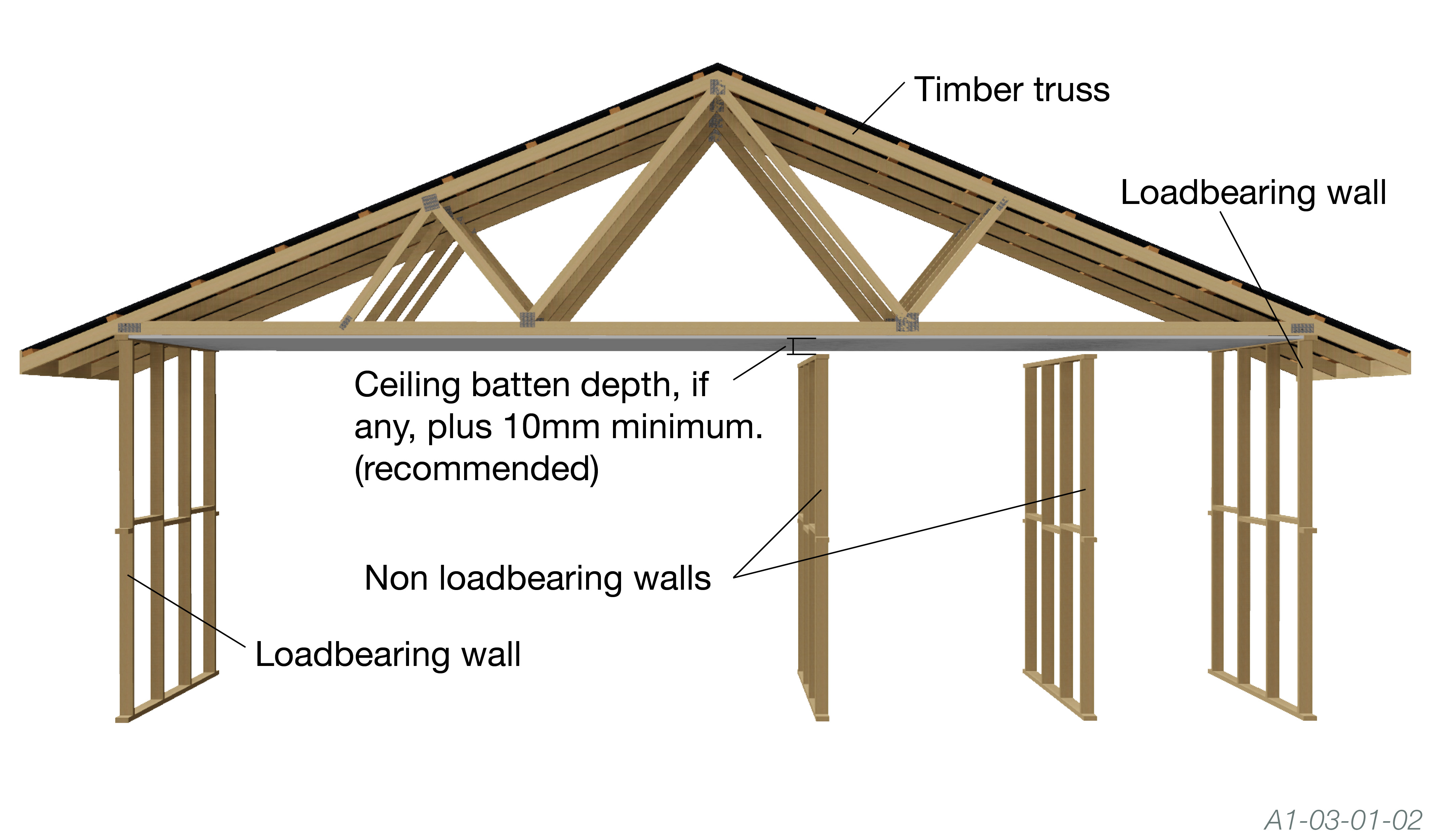
In the intricate world of HVAC (Heating, Ventilation, and Air Conditioning), understanding building structures is just as crucial as mastering refrigerant cycles. One area where HVAC professionals often interact with structural elements is when dealing with non-load bearing trusses. While these trusses aren't designed to carry the primary weight of a building, their presence significantly impacts HVAC system design and installation. This article delves into the importance of non-load bearing trusses in the context of HVAC, explores related career paths, and provides insights for both aspiring and experienced technicians.
Understanding Non-Load Bearing Trusses
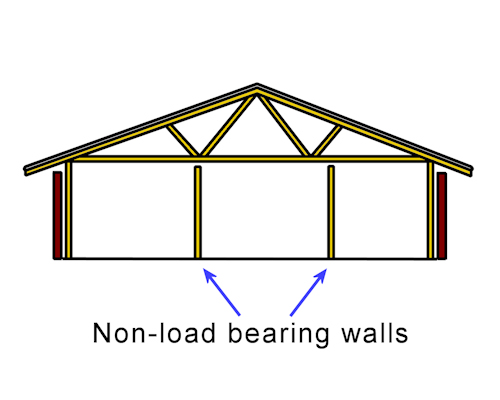
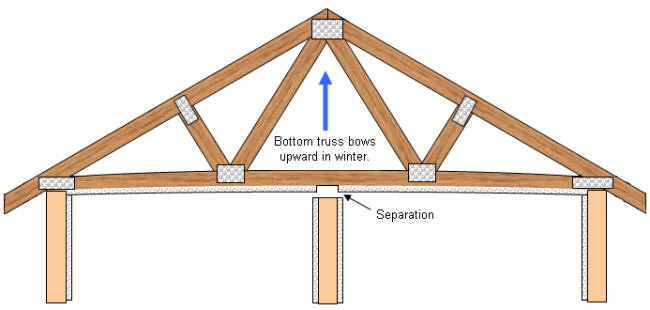
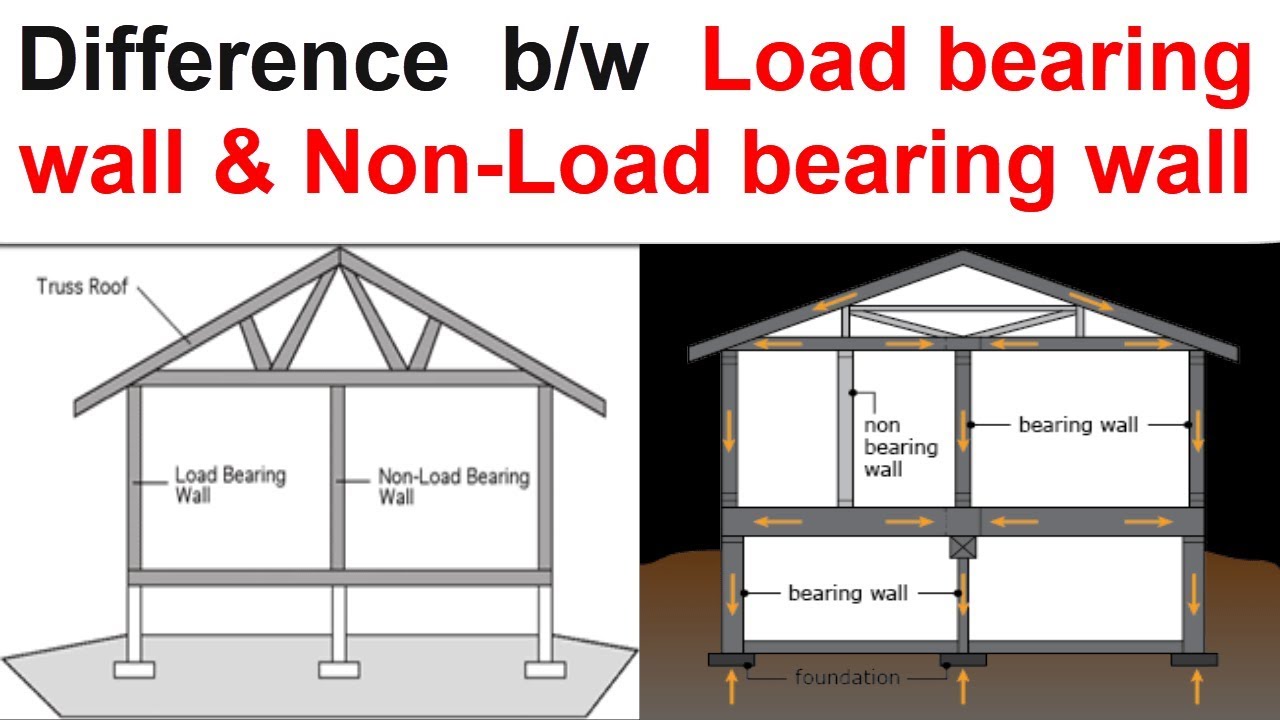
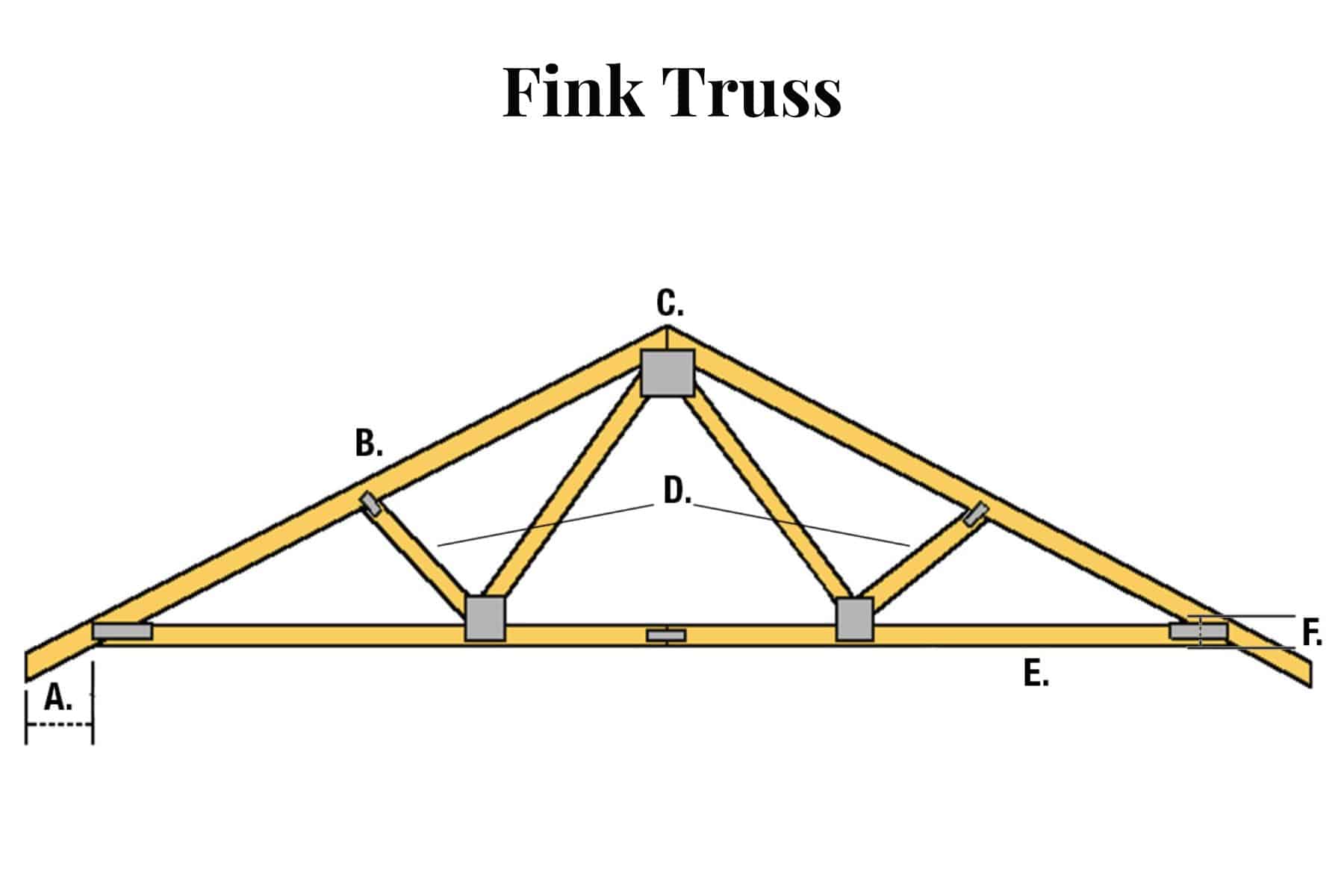
A truss is a structural framework designed to support a load, typically consisting of interconnected triangles. A load-bearing truss is a key component of the structural support system of a building. On the other hand, a non-load bearing truss (also known as a decorative or aesthetic truss) is not intended to carry significant structural weight. These are often added for architectural appeal and might be constructed of lighter materials.
From an HVAC perspective, the distinction is crucial. While load-bearing trusses should never be altered or penetrated, non-load bearing trusses may offer pathways for ductwork, piping, and electrical conduit. However, even these must be approached with caution. Considerations include:
- Material: Non-load bearing trusses can be made of wood, metal, or even faux materials. Knowing the material is critical for safe drilling or mounting.
- Accessibility: The truss's location impacts accessibility for installation and future maintenance.
- Space: The available space within and around the truss dictates ductwork sizing and placement.
- Building Codes: Always verify local building codes regarding penetrations, even in non-load bearing elements.
HVAC Implications
Ignoring the presence and characteristics of non-load bearing trusses can lead to several problems:
- Improper Installation: Routing ductwork incorrectly can compromise the truss's integrity, even if it's not load-bearing. It could also create airflow restrictions.
- Reduced Efficiency: Poorly placed ductwork can lead to heat loss or gain, reducing the overall efficiency of the HVAC system.
- Safety Hazards: Incorrectly installed equipment can pose electrical or fire hazards.
- Increased Costs: Reworking installations due to structural conflicts is expensive and time-consuming.
Career Paths and Opportunities
Understanding non-load bearing trusses is valuable for several HVAC career paths:
- HVAC Installer: Installers regularly encounter trusses when routing ductwork and installing equipment. Knowing how to work around them safely and efficiently is a must. The Bureau of Labor Statistics (BLS) projects a 6% growth in HVAC installer and mechanic jobs from 2022 to 2032. The median annual wage for HVAC mechanics and installers was $59,620 in May 2023.
- HVAC Technician: Technicians diagnose and repair HVAC systems, often needing to access equipment located near or within truss structures. They need to recognize potential problems caused by improper installation around trusses.
- HVAC Designer: Designers must consider the building's structure, including trusses, when planning the layout of HVAC systems. They need to ensure that ductwork and equipment are placed in optimal locations without compromising structural integrity.
- HVAC Sales Engineer: These professionals need to understand the complexities of building structures to recommend appropriate HVAC solutions to clients. They need to consider truss configurations when proposing system upgrades or replacements.
Essential Certifications
Several certifications enhance your credibility and skills in the HVAC field, including knowledge related to working around building structures:
- EPA Section 608 Certification: Required by the EPA for technicians who handle refrigerants. While not directly related to trusses, this is a fundamental certification for almost all HVAC professionals.
- NATE (North American Technician Excellence): NATE offers certifications in various HVAC specialties, demonstrating competency in specific areas. While they may not have a specific truss-related certification, the core knowledge covers best practices in installation and service that would include structural considerations.
- HVAC Excellence: Another reputable organization offering HVAC certifications.
- OSHA Safety Certifications: Completing OSHA safety training, especially courses related to construction safety and fall protection, is beneficial when working in environments with trusses.
Salary Expectations
Salaries in the HVAC field vary based on experience, location, certifications, and specialization. Here's a general overview:
- Entry-Level Installer/Technician: $35,000 - $45,000 per year.
- Experienced Technician (5+ years): $50,000 - $70,000 per year.
- HVAC Designer/Engineer: $65,000 - $90,000+ per year.
Having specialized knowledge, such as expertise in working with complex building structures including non-load bearing trusses, can increase your earning potential. Completing advanced training and earning relevant certifications can also lead to higher salaries.
Real-World Examples and Career Paths
Consider these examples to illustrate how understanding non-load bearing trusses plays out in real careers:
Example 1: Sarah, an HVAC Installer
Sarah, a recent HVAC program graduate, works for a residential HVAC company. During an installation, she encounters a series of decorative trusses in the attic. Recognizing that these are non-load bearing, she carefully plans her ductwork routing, ensuring that she doesn't compromise their integrity or create airflow restrictions. She uses appropriate mounting techniques to secure the ductwork to the trusses without causing damage. Sarah's attention to detail prevents potential problems and ensures a successful installation.
Example 2: David, an HVAC Technician
David, an experienced HVAC technician, is called to a commercial building to investigate uneven heating. He discovers that ductwork has been run haphazardly through a network of non-load bearing trusses. Over time, the ductwork has sagged, creating significant airflow obstructions. David recommends rerouting the ductwork and securing it properly to the trusses, improving the building's heating performance.
Employer Considerations
For employers in the HVAC industry, it's crucial to prioritize training and competency in understanding building structures, including non-load bearing trusses. Here are some key considerations:
- Hiring Practices: When hiring HVAC installers and technicians, assess their knowledge of building structures and their ability to work safely around them.
- Training Programs: Provide ongoing training to your employees on best practices for installing and servicing HVAC systems in various building types. Include training on how to identify and work with different types of trusses.
- Safety Protocols: Implement strict safety protocols for working in attics and crawl spaces, where trusses are commonly found. Ensure that employees have the necessary personal protective equipment (PPE) and fall protection gear.
- Continuing Education: Encourage employees to pursue relevant certifications, such as NATE and OSHA safety certifications.
The Future of HVAC and Building Structures
As building designs become more complex and energy efficiency standards become more stringent, the interaction between HVAC systems and building structures will only increase. Innovations in building materials and construction techniques will require HVAC professionals to stay updated on the latest developments.
Furthermore, the growing trend of smart buildings and integrated building management systems will require HVAC technicians to have a deeper understanding of how HVAC systems interact with other building systems, including structural components. This will necessitate a more holistic approach to HVAC design, installation, and maintenance.
The HVAC industry continues to be a dynamic and rewarding field, offering a wide range of career opportunities for skilled professionals. By staying informed, pursuing relevant certifications, and prioritizing safety, you can thrive in this essential industry. Understanding the nuances of building structures, including non-load bearing trusses, is a vital component of success.



+members.jpg)