Normal Humidity In House In Winter

Understanding Normal Humidity Levels in Your Home During Winter
As the temperature drops and the winter months settle in, maintaining a comfortable and healthy indoor environment becomes a top priority. One crucial factor often overlooked is humidity. Understanding and controlling the humidity levels in your home is essential for both your well-being and the longevity of your property. But what is considered normal humidity in a house during winter, and how do you achieve it?
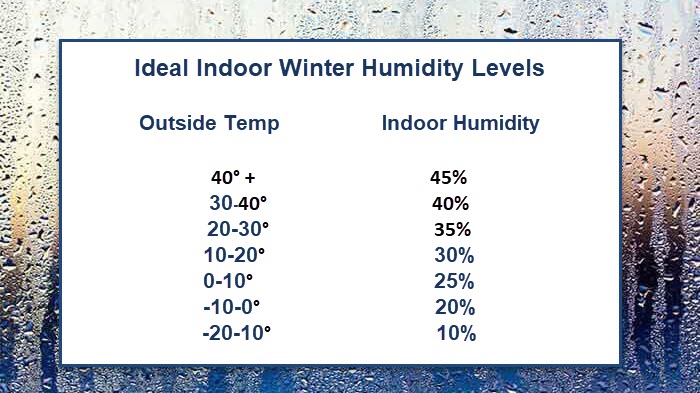
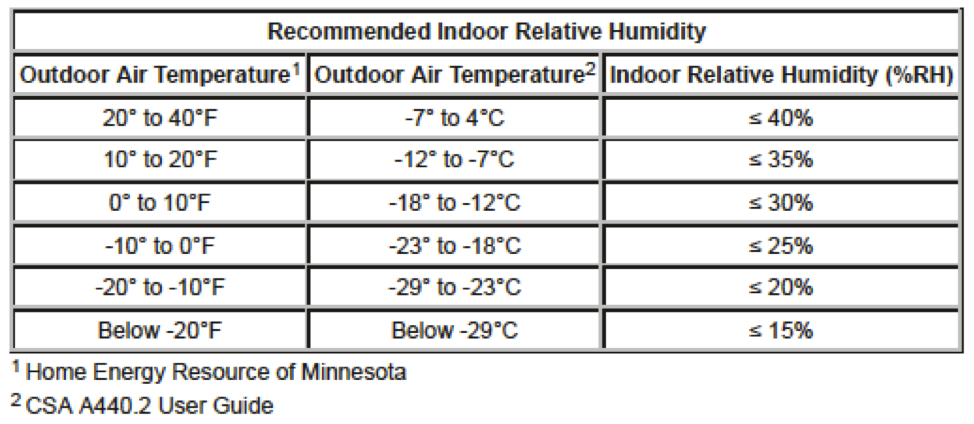
The Ideal Humidity Range: 30-50%
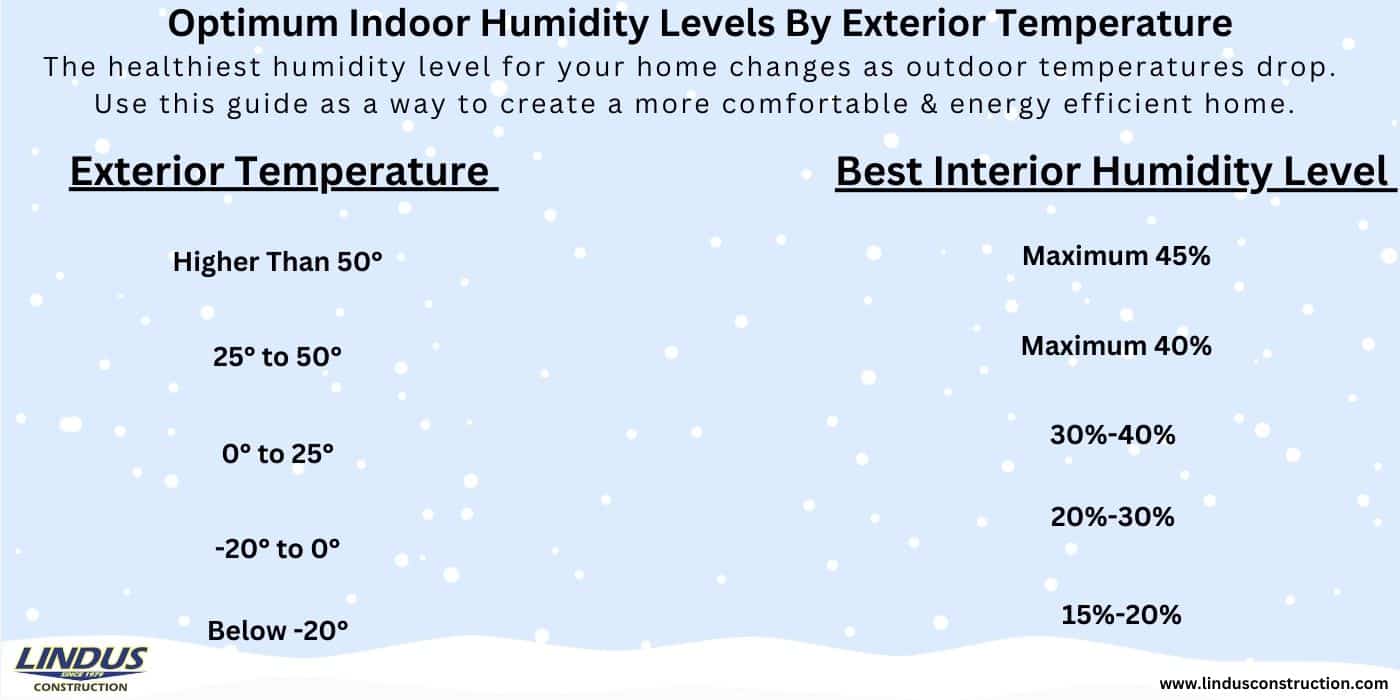
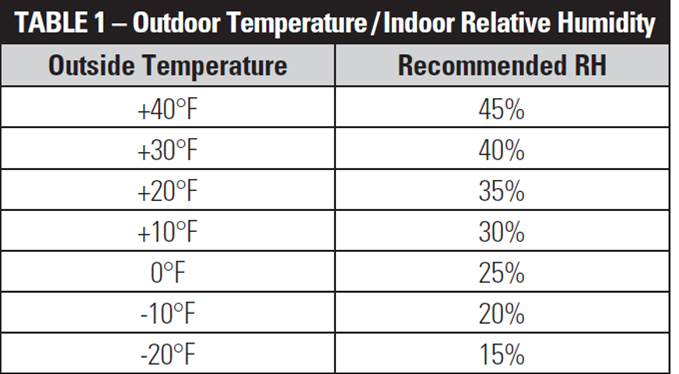
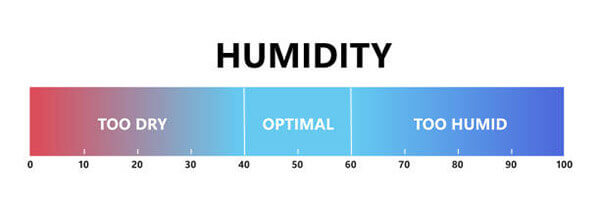
Experts generally agree that the ideal relative humidity level for your home during the winter months falls within the range of 30% to 50%. Maintaining humidity within this range offers a balance between preventing excessive dryness and avoiding the growth of mold and mildew. Several factors can influence the specific humidity level that's best for your home, including the age of your house, the local climate, and the presence of potential allergens.
Why is this range so important? Let’s break it down:
- Below 30%: Air that is too dry can lead to dry skin, irritated sinuses, nosebleeds, and even cracking wood furniture. Static electricity also becomes more prevalent.
- Above 50%: High humidity fosters the growth of mold, mildew, and dust mites, which can trigger allergies and respiratory problems. It can also lead to condensation on windows, which can damage window frames and surrounding walls.
Signs Your Home's Humidity Is Out of Balance
Recognizing the signs of improper humidity is crucial for taking timely corrective action. Here are some common indicators that your home's humidity levels may be out of whack:
Signs of Low Humidity
- Dry, itchy skin and chapped lips
- Frequent static electricity shocks
- Cracking or warping of wood furniture and floors
- Increased respiratory irritation, such as dry coughs or sore throats
- Shrinking of wooden doors and window frames, leading to drafts.
Signs of High Humidity
- Condensation on windows and walls
- Musty odors
- Visible mold or mildew growth, particularly in bathrooms, basements, and around windows
- Increased allergy symptoms
- Warping or staining of walls and ceilings
Factors Affecting Indoor Humidity in Winter
Several factors can contribute to fluctuations in indoor humidity levels during the winter. Understanding these influences is essential for effective humidity control.
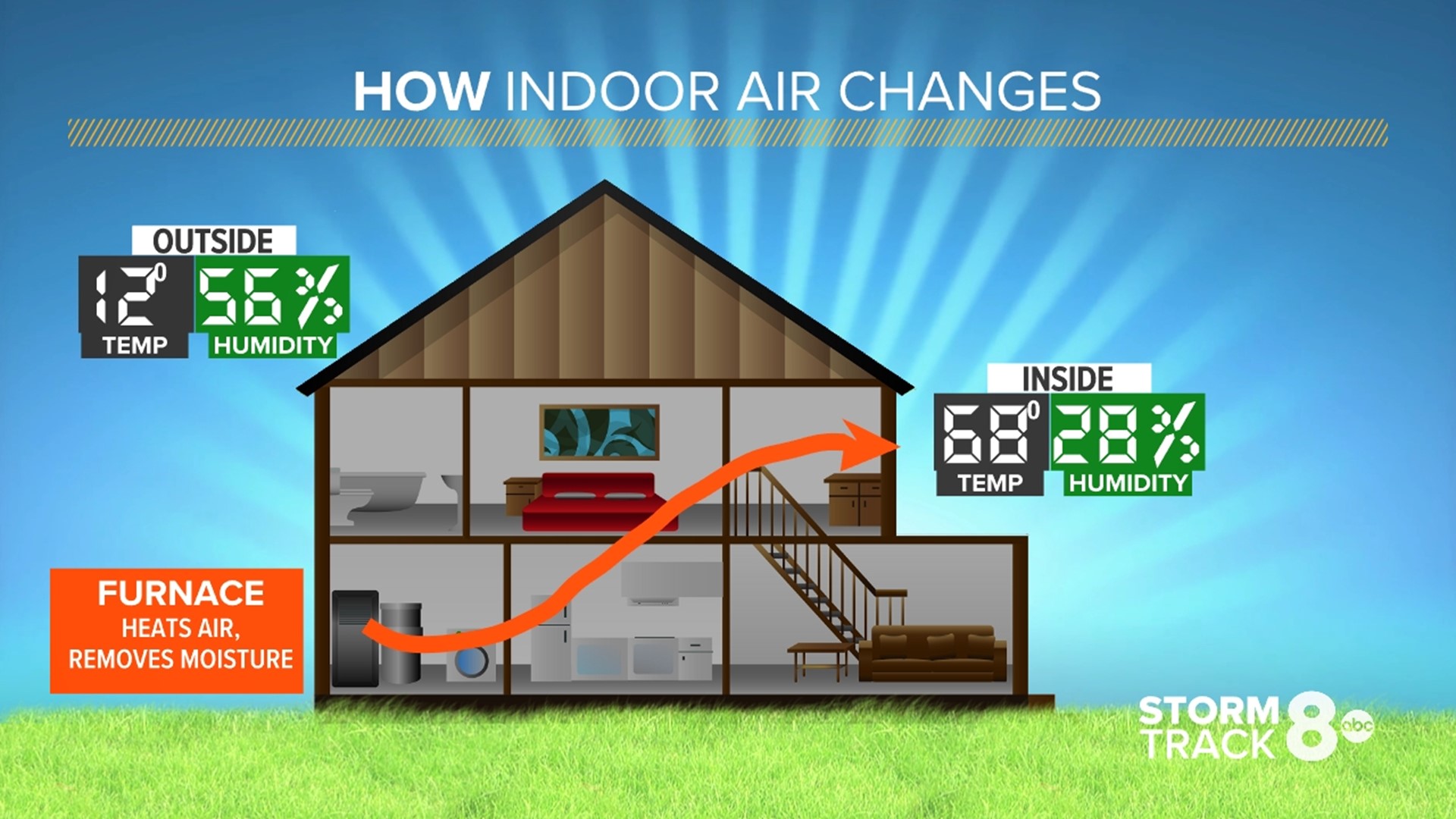
- Outdoor Temperature: Cold air holds less moisture than warm air. As cold outdoor air enters your home and is heated, its relative humidity drops, leading to drier indoor conditions.
- Heating Systems: Forced-air heating systems, such as furnaces, can further dry out the air as they circulate heated air throughout the house.
- Ventilation: Excessive ventilation can bring in cold, dry outdoor air, exacerbating low humidity problems.
- Air Leaks: Drafts and air leaks in your home's envelope can contribute to both low and high humidity issues, depending on the surrounding conditions.
- Household Activities: Activities such as showering, cooking, and doing laundry can increase indoor humidity levels.
How to Measure Humidity: Hygrometers and Thermostats
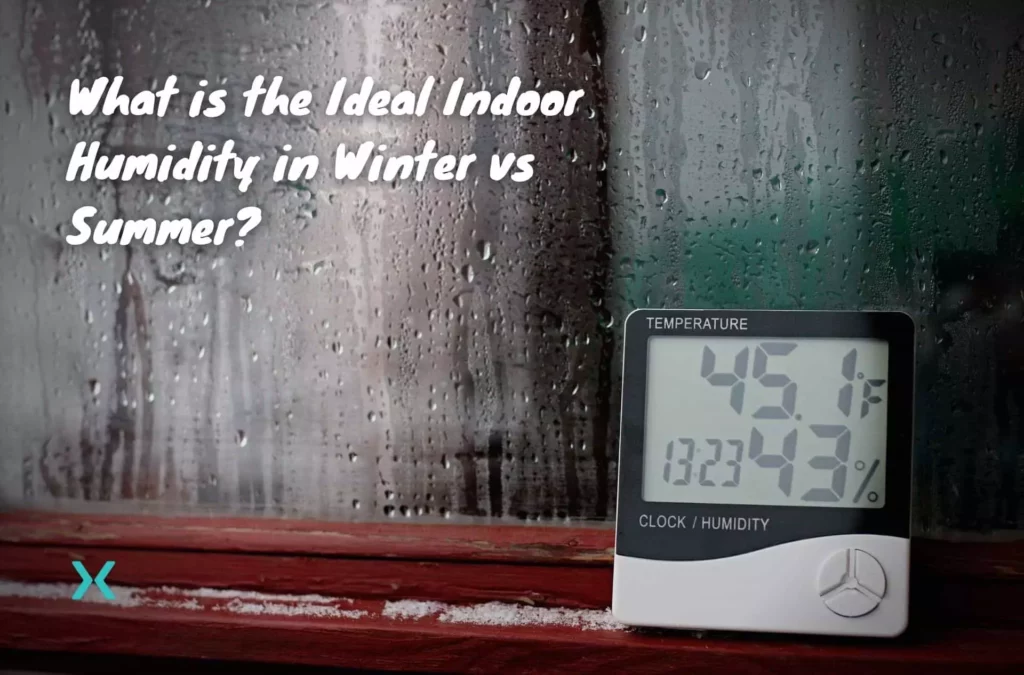
The easiest and most accurate way to determine the humidity level in your home is by using a hygrometer, also called a humidity monitor. These devices are relatively inexpensive and widely available at hardware stores and online retailers. Some smart thermostats also incorporate humidity sensors, allowing you to monitor both temperature and humidity from a single device. Popular brands include Honeywell, Ecobee, and Nest. A basic digital hygrometer typically costs between $10 and $30.
Controlling Humidity: Humidifiers and Dehumidifiers
Once you've determined that your home's humidity level is outside the ideal range, you can take steps to correct it. Depending on whether your home is too dry or too humid, you may need to use a humidifier or a dehumidifier.
Humidifiers: Adding Moisture to the Air
If your home is too dry, a humidifier can add moisture to the air, alleviating the symptoms of low humidity. There are several types of humidifiers available:
- Central Humidifiers: These units are integrated into your home's HVAC system and humidify the entire house. They are the most expensive option but offer the most consistent and convenient humidity control.
Pros: Whole-house humidification, automatic operation.
Cons: Higher upfront cost, requires professional installation. - Evaporative Humidifiers: These units use a fan to blow air through a wet wick or filter, evaporating water and releasing it into the air. They are relatively inexpensive and easy to maintain.
Pros: Affordable, easy to use.
Cons: Can be noisy, requires frequent refilling. - Ultrasonic Humidifiers: These units use ultrasonic vibrations to create a fine mist that is released into the air. They are quiet and energy-efficient but can sometimes produce white dust if tap water is used.
Pros: Quiet operation, energy-efficient.
Cons: May produce white dust, can be more expensive than evaporative humidifiers. - Steam Vaporizers: These units heat water to create steam, which is then released into the air. They are effective at raising humidity levels but can be hot to the touch and pose a burn risk.
Pros: Effective at raising humidity.
Cons: Burn risk, requires frequent cleaning.
When choosing a humidifier, consider the size of the area you need to humidify, the noise level of the unit, and the ease of maintenance. Aim for a model that has a humidistat to automatically maintain the desired humidity level. Popular brands include Vicks, Honeywell, and Levoit.
Dehumidifiers: Removing Excess Moisture
If your home is too humid, a dehumidifier can remove excess moisture from the air, preventing mold growth and improving indoor air quality. Dehumidifiers come in various sizes and capacities, so it's important to choose one that is appropriate for the size of the area you need to dehumidify. Look for models with a built-in humidistat and an automatic shut-off feature. Dehumidifiers are rated by the amount of moisture they can remove in a 24-hour period, typically measured in pints. A 30-pint dehumidifier is suitable for a small to medium-sized room, while a 70-pint dehumidifier is better for larger spaces or basements. Common brands include Frigidaire, hOmeLabs, and DeLonghi.
HVAC Systems and Humidity Control
While humidifiers and dehumidifiers can be effective for controlling humidity in specific areas, a whole-house HVAC system with humidity control features offers a more comprehensive solution. Many modern HVAC systems include features such as:
- Whole-House Humidifiers: Integrated into the furnace or air handler, these humidifiers provide consistent humidity throughout the entire house.
- Whole-House Dehumidifiers: These units are connected to the ductwork and remove excess moisture from the entire home.
- Variable-Speed Blowers: These blowers can run at lower speeds to remove more moisture from the air during cooling, improving dehumidification performance.
When selecting a new HVAC system, consider models with humidity control features to ensure optimal comfort and air quality. Be sure to discuss these options with your HVAC contractor. Carrier, Trane, and Lennox are manufacturers that offer high-efficiency units with advanced humidity controls.
Other Tips for Maintaining Proper Humidity
In addition to using humidifiers and dehumidifiers, there are several other steps you can take to maintain proper humidity levels in your home during the winter:
- Seal Air Leaks: Caulk and weatherstrip around windows and doors to prevent drafts and air leaks.
- Improve Insulation: Proper insulation helps to maintain a consistent temperature and humidity level throughout your home.
- Use Exhaust Fans: Run exhaust fans in bathrooms and kitchens to remove excess moisture generated by showering and cooking.
- Vent Clothes Dryers: Ensure that your clothes dryer is properly vented to the outside to prevent moisture from building up inside your home.
- Monitor and Adjust: Regularly monitor humidity levels and adjust your humidifier or dehumidifier as needed.
The Role of Air Exchangers
While sealing air leaks is generally a good practice, complete airtightness can lead to a build-up of stale air and pollutants inside your home. Heat Recovery Ventilators (HRVs) and Energy Recovery Ventilators (ERVs) are designed to address this issue. HRVs and ERVs exchange indoor air with fresh outdoor air while minimizing energy loss. ERVs are particularly beneficial in humid climates as they also transfer moisture between the incoming and outgoing air streams, helping to maintain optimal humidity levels.
When choosing an HRV or ERV, consider the size of your home, the climate, and the ventilation needs. Consulting with an HVAC professional is highly recommended to ensure proper selection and installation. Some popular brands include Lifebreath, Fantech, and RenewAire.
Warranties and Maintenance
Most HVAC systems and humidifiers/dehumidifiers come with warranties covering defects in materials and workmanship. Carefully review the warranty terms and conditions before making a purchase. Regular maintenance is essential for keeping your HVAC system and humidity control devices in good working order. This includes changing air filters, cleaning coils, and inspecting ductwork. For humidifiers and dehumidifiers, regular cleaning is crucial to prevent the growth of mold and bacteria. Consult the manufacturer's instructions for specific maintenance recommendations.
Comparing Brands and Models: Key Considerations
When comparing HVAC brands and models, pay attention to the following factors:
- AFUE (Annual Fuel Utilization Efficiency): For furnaces, a higher AFUE rating indicates greater energy efficiency. Look for models with an AFUE of 90% or higher.
- SEER (Seasonal Energy Efficiency Ratio): For air conditioners, a higher SEER rating indicates greater energy efficiency. Aim for a SEER rating of 15 or higher.
- HSPF (Heating Seasonal Performance Factor): For heat pumps, a higher HSPF rating indicates greater heating efficiency. Choose models with an HSPF rating of 8 or higher.
- Humidity Control Features: Look for models with variable-speed blowers, built-in humidistats, and the ability to integrate with whole-house humidifiers or dehumidifiers.
- Noise Level: Consider the noise level of the unit, especially if it will be located near living areas or bedrooms.
- Warranty: Compare warranty terms and conditions from different manufacturers.
Investing in a high-quality HVAC system with proper humidity control can significantly improve your comfort, health, and energy efficiency. By understanding the importance of humidity and taking steps to maintain proper levels, you can create a healthier and more comfortable home environment during the winter months.