Offset Smoker Build Plans
Offset Smoker Build Plans: Your Questions Answered
Thinking about building your own offset smoker? It's a rewarding project that can result in incredible BBQ. But where do you start? This FAQ covers the most common questions about offset smoker build plans to help you get started on the right foot.
Q: What exactly *is* an offset smoker, and why would I want to build one?
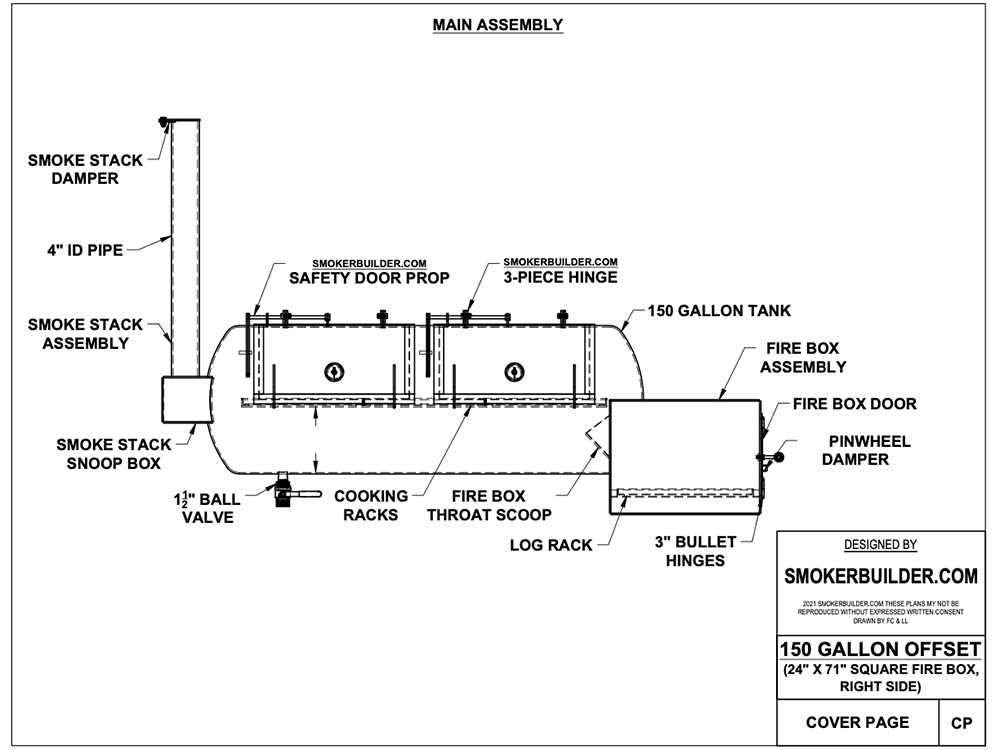
An offset smoker is a type of smoker where the heat source (usually a firebox) is located *offset* to the side of the main cooking chamber. Heat and smoke travel from the firebox, across the cooking chamber, and out of a chimney. This design helps maintain a more consistent and even temperature, preventing direct heat from searing your food and creating that signature smoky flavor. Building one lets you customize the size, features, and performance to your specific needs and preferences, often at a lower cost than buying a comparable pre-made smoker.
Q: Where can I find reliable offset smoker build plans?
Finding a good set of plans is crucial. Here are some options:
- Online Forums and Communities: Many BBQ and welding forums have sections dedicated to smoker builds. Members often share their plans, experiences, and modifications. Look for highly rated or frequently referenced plans, and be sure to read the comments to identify potential issues or improvements. Be cautious of unverified plans.
- Websites Dedicated to Smoker Building: Certain websites specialize in providing detailed smoker plans, often for a fee. These plans typically include material lists, cut diagrams, welding instructions, and even step-by-step photos or videos. These are usually the most reliable.
- Books and Magazines: Books on BBQ and welding may include smoker build plans. These can be a good resource for understanding the underlying principles of smoker design.
- Custom Design: If you have specific needs or a unique vision, consider working with a designer or engineer to create a custom set of plans. This will ensure your smoker is perfectly tailored to your requirements.
Remember to check the plan's reviews and consider the skill level required before committing.
Q: What materials will I need to build an offset smoker, and what are the approximate costs?
The primary material is steel. The type and thickness will depend on the size and design of your smoker. Here's a breakdown of common materials and approximate costs:
- Steel Plates/Sheets: For the firebox, cooking chamber, and doors. Thickness typically ranges from 1/4" to 3/8" for larger smokers. Cost varies greatly depending on the grade and current market prices of steel, but expect to spend $500 - $1500.
- Steel Pipes/Tubes: For the chimney and connecting the firebox to the cooking chamber. These are less expensive, possibly around $50 - $200.
- Steel Angle/Flat Bar: For frame supports, door frames, and other structural elements. Budget around $50 - $150.
- Grate Material: Expanded metal, steel rods, or stainless steel for cooking grates. This could cost $50 - $200.
- Handles and Hinges: For doors and dampers. Expect to spend $20 - $50.
- Thermometer: A high-quality thermometer is essential for monitoring the internal temperature of the smoker. Price will range from $20 - $100.
- High-Temperature Paint: To protect the smoker from rust and corrosion. Expect to pay $20 - $50.
- Welding Supplies: Welding rods, wire, shielding gas, etc. depending on your welding method. Price varies depending on the size of the project but allow $50- $100.
- Hardware: Bolts, nuts, screws, etc. Budget $20 - $50.
Total material costs can range from $800 to $2500 or more, depending on the size, materials used, and complexity of the design. It's best to get quotes from local steel suppliers and hardware stores for accurate pricing. Also, consider the cost of tools if you don't already have them.
Q: What tools and skills are required to build an offset smoker?
Building an offset smoker requires a solid understanding of welding and metalworking. Here's a list of essential tools and skills:
- Welding Machine: MIG, TIG, or stick welder. MIG is generally the easiest for beginners.
- Cutting Tools: Plasma cutter, angle grinder with cutting wheels, or a metal-cutting saw.
- Grinding Tools: Angle grinder with grinding wheels for smoothing welds and removing burrs.
- Drilling Tools: Drill press or hand drill for creating holes for bolts, thermometers, and other hardware.
- Measuring Tools: Tape measure, square, level, and protractor for accurate measurements and alignment.
- Clamps: Various clamps for holding pieces together during welding.
- Safety Equipment: Welding helmet, gloves, safety glasses, ear protection, and a respirator. Safety should always be a priority.
Skills Required:
- Welding: Proficient in welding different types of steel in various positions.
- Metal Cutting: Accurate cutting of steel using various tools.
- Grinding and Finishing: Smoothing welds and creating a clean finish.
- Layout and Fabrication: Accurately laying out and assembling the smoker components according to the plans.
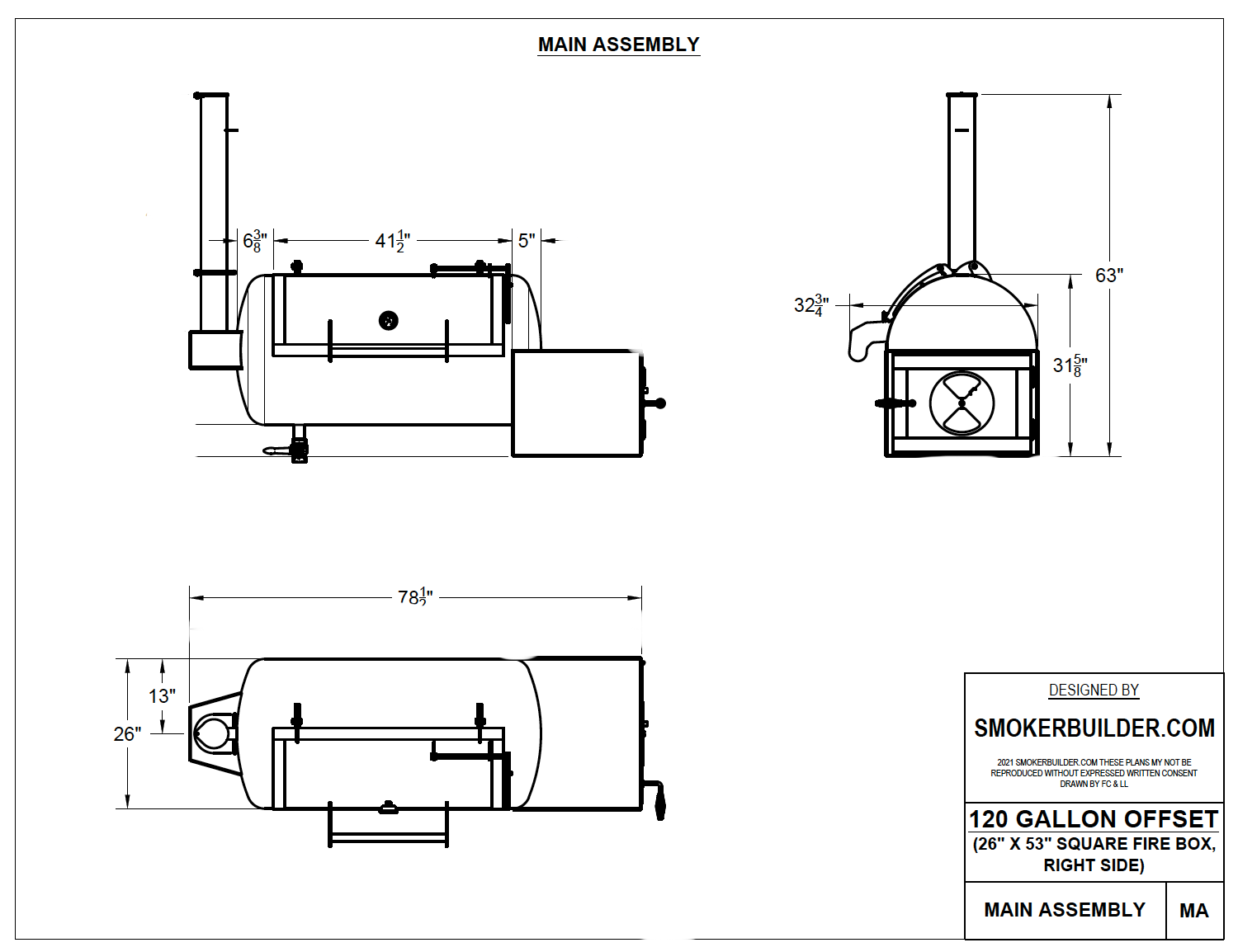
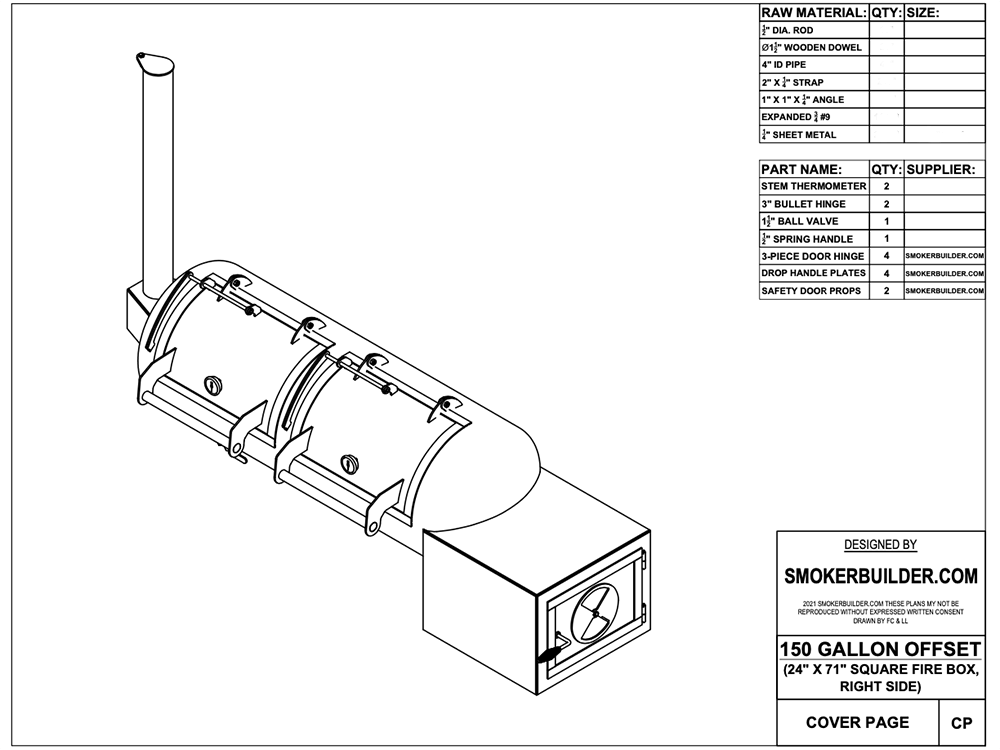
- Reading Blueprints: Understanding and interpreting technical drawings.
If you're new to welding, consider taking a welding course or practicing on scrap metal before starting the project. Alternatively, you could consider hiring a professional welder to handle the more difficult welding tasks.
Q: What are some common mistakes to avoid when building an offset smoker?
Building an offset smoker can be challenging, and there are several common mistakes to avoid:
- Poor Welding: Weak or incomplete welds can lead to leaks and structural failure. Ensure all welds are strong and properly sealed.
- Incorrect Measurements: Inaccurate measurements can throw off the entire design and make assembly difficult. Double-check all measurements before cutting and welding.
- Insufficient Airflow: Proper airflow is crucial for maintaining temperature and combustion. Ensure the firebox has adequate air intake and the chimney is the correct size.
- Poor Heat Distribution: Uneven heat distribution can result in uneven cooking. Consider using a baffle plate or tuning plates to distribute heat more evenly across the cooking chamber.
- Inadequate Insulation: Insulating the firebox can improve efficiency and reduce fuel consumption.
- Rust Prevention: Failing to properly protect the smoker from rust can significantly shorten its lifespan. Use high-temperature paint and regularly maintain the smoker.
- Ignoring Plan Instructions: Straying from a proven plan without understanding the consequences can lead to significant issues and a poorly functioning smoker.
Thorough planning, careful execution, and attention to detail are essential for avoiding these mistakes.
Q: How do I tune my offset smoker after it's built to ensure even cooking?
Tuning an offset smoker is essential to achieve consistent temperatures across the cooking surface. Here are some common tuning techniques:
- Baffle Plate: A baffle plate is a metal plate positioned between the firebox and the cooking chamber. It helps deflect heat and smoke, preventing direct heat from searing the food closest to the firebox.
- Tuning Plates: Tuning plates are individual metal plates placed across the bottom of the cooking chamber. Adjusting the spacing between the plates allows you to fine-tune the heat distribution. More space allows more heat, less space restricts the heat.
- Adjusting Airflow: Experiment with different damper settings to find the optimal airflow for maintaining a consistent temperature.
- Water Pan: A water pan placed in the cooking chamber can help regulate temperature and add moisture.
- Fire Management: Learn how to build and maintain a clean, consistent fire. Using quality fuel and proper fire management techniques can significantly improve temperature control. Consistent fuel source is very important.
Start with a small fire and gradually increase the heat until you reach the desired temperature. Use a multi-probe thermometer to monitor the temperature at different locations within the cooking chamber.
Q: Are there any legal considerations or permits required for building an offset smoker?
Depending on your location, there may be local building codes or regulations regarding outdoor cooking appliances. Here are some potential considerations:
- Fire Codes: Check local fire codes to ensure your smoker meets safety requirements, such as minimum clearances from combustible materials.
- Zoning Regulations: Some zoning regulations may restrict the use of outdoor cooking appliances in certain areas.
- Homeowners Association (HOA) Rules: If you live in a community with an HOA, review their rules to ensure your smoker complies with any restrictions on outdoor structures or cooking appliances.
- Permits: In some cases, you may need to obtain a building permit before constructing an offset smoker. This is more likely if you are building a large or permanent structure.
Contact your local building department or homeowners association to inquire about any applicable regulations before starting your project. Ignorance of the law is never an excuse.