Oil Fired Monitor Heater
Oil-fired monitor heaters, also known as direct-vent heaters, offer a unique heating solution for various applications, ranging from supplemental heating in homes to primary heating in smaller commercial spaces. Understanding their operation, advantages, and disadvantages is crucial for homeowners, HVAC technicians, and facility managers alike.
What is an Oil-Fired Monitor Heater?
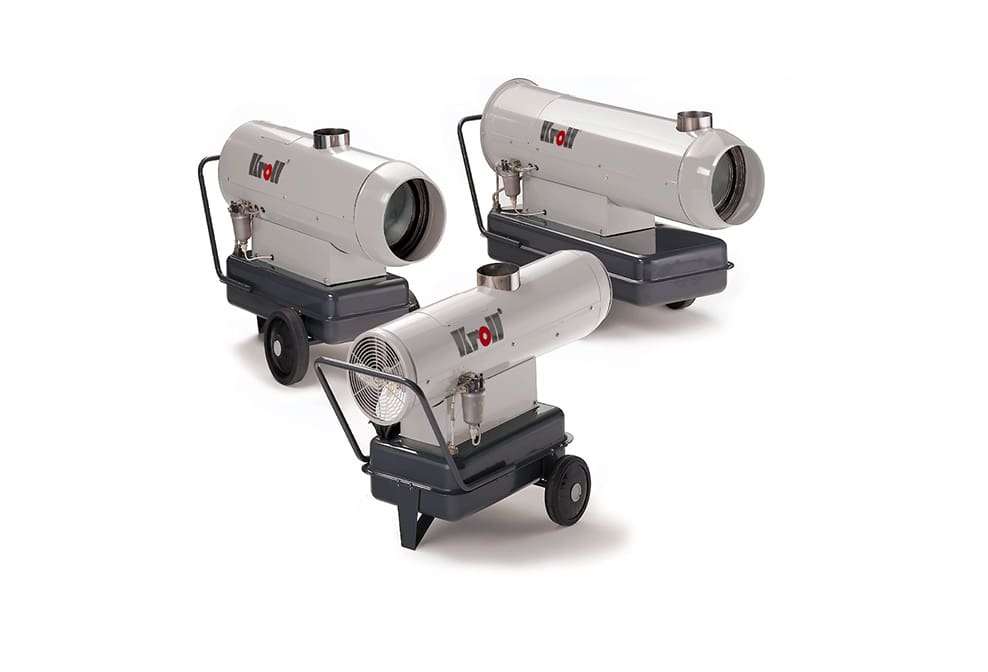
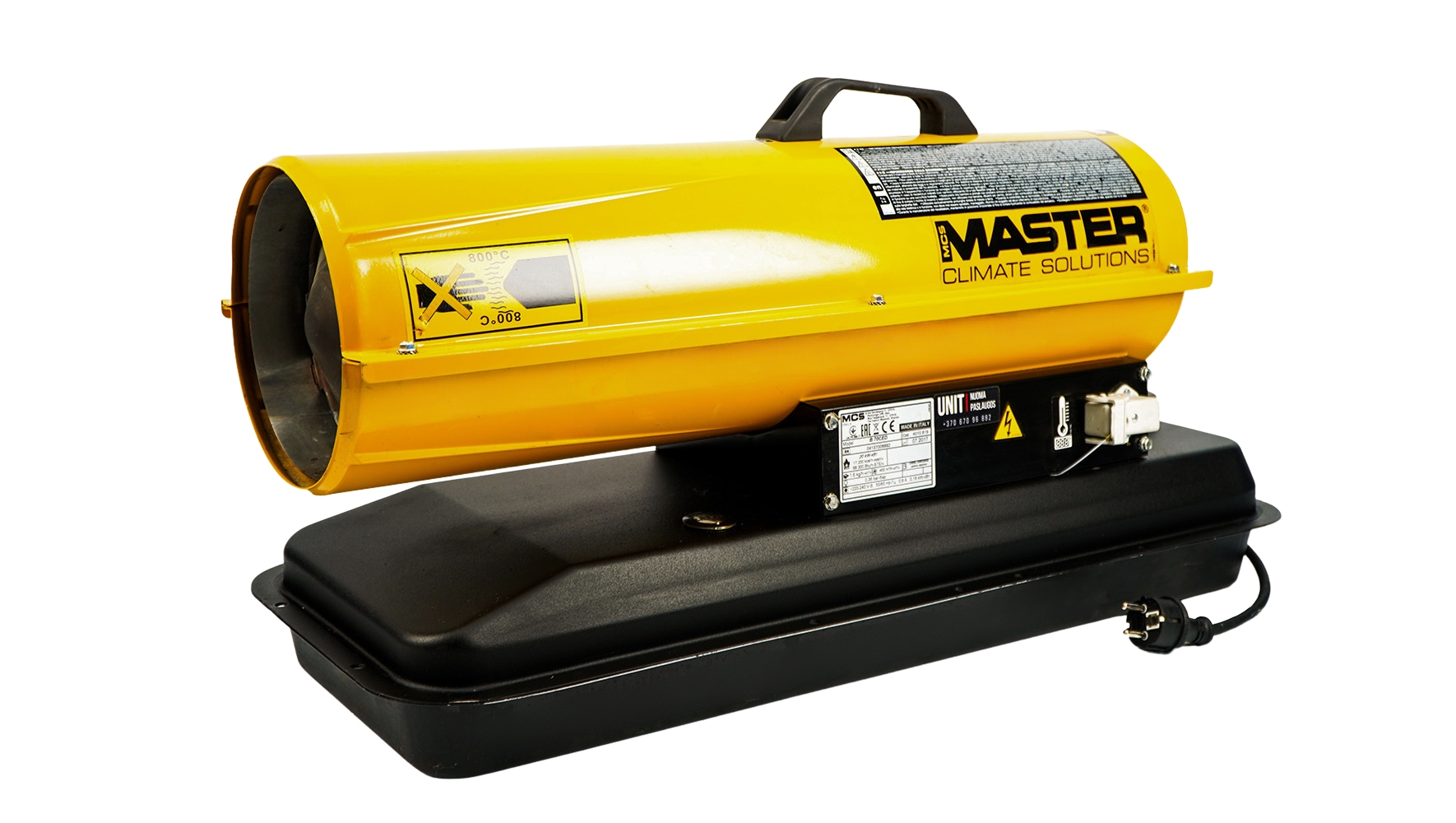
Unlike traditional oil furnaces that use ductwork to distribute heated air, monitor heaters are self-contained units that directly heat the air within a room. They operate by burning fuel oil inside a sealed combustion chamber and using a heat exchanger to transfer the heat to the surrounding air. A fan then circulates the warmed air into the room. The crucial "monitor" aspect refers to the advanced safety features and controls they employ, which ensure clean and efficient combustion.
A key characteristic is their direct-vent system. This means the unit draws combustion air from outside and exhausts combustion gases directly outdoors through a small pipe, typically just a few inches in diameter. This eliminates the need for a chimney and ensures that no combustion byproducts enter the living space, promoting safer indoor air quality.
How Oil-Fired Monitor Heaters Work
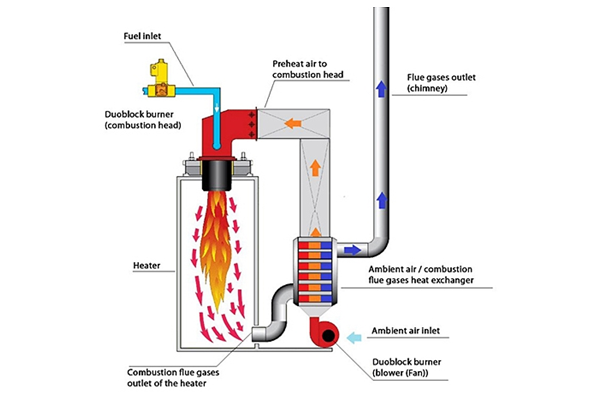
The operation of an oil-fired monitor heater involves several key components and processes:
- Fuel Supply: The heater is connected to a fuel oil tank, either an above-ground or underground tank. Fuel is typically delivered by a fuel oil supplier.
- Fuel Pump and Burner: A fuel pump draws oil from the tank and delivers it to the burner. The burner atomizes the oil and mixes it with air for combustion. Monitor heaters use sophisticated burner technology to achieve clean and efficient combustion, often employing electronic ignition and precise fuel/air ratio control.
- Combustion Chamber: The fuel-air mixture is ignited in a sealed combustion chamber. This chamber is designed to withstand high temperatures and ensures complete combustion.
- Heat Exchanger: The heat exchanger transfers the heat from the combustion gases to the surrounding air. It's designed to maximize heat transfer efficiency while keeping the combustion gases separate from the room air.
- Fan: A fan circulates air across the heat exchanger, drawing cool air from the room and blowing out warmed air. The fan speed is often adjustable to control the heating output.
- Direct Vent System: A double-walled pipe system vents the exhaust gases directly outside. The inner pipe carries the exhaust, while the outer pipe draws in fresh air for combustion. This "air-to-air" heat exchange pre-heats the incoming air, further improving efficiency.
- Electronic Controls and Safety Features: Monitor heaters are equipped with advanced electronic controls that monitor various parameters, such as temperature, flame stability, and exhaust gas composition. Safety features include flame-out sensors, overheat protection, and carbon monoxide detectors. These features shut down the heater automatically if any unsafe condition is detected.
Advantages of Oil-Fired Monitor Heaters
- Zoned Heating: Monitor heaters are ideal for providing zoned heating, allowing you to heat specific rooms or areas of your home without heating the entire house. This can lead to significant energy savings, especially in homes with poorly insulated areas or unused rooms. For example, you can heat a living room during the evening and a bedroom at night without heating the entire house.
- No Ductwork Required: Because they are self-contained units, monitor heaters eliminate the need for ductwork, making them a good choice for homes without existing duct systems or for adding heat to additions or renovations.
- Direct Venting: The direct vent system ensures safe and clean operation, as combustion gases are vented directly outside. This eliminates the risk of carbon monoxide poisoning associated with improperly vented traditional oil furnaces.
- High Efficiency: Modern monitor heaters boast high efficiency ratings, often exceeding 80% AFUE (Annual Fuel Utilization Efficiency). This means that they convert a large percentage of the fuel's energy into heat, reducing fuel consumption and saving you money. Some models use advanced technologies to achieve even higher efficiencies.
- Relatively Quiet Operation: Compared to some other heating systems, monitor heaters operate relatively quietly. The fan noise is typically minimal, and the sealed combustion chamber reduces noise from the burner.
- Precise Temperature Control: Electronic controls allow for precise temperature control, ensuring consistent and comfortable heating. Many models offer programmable thermostats for automated temperature adjustments.
- Supplemental or Primary Heating: Depending on the size and BTU (British Thermal Unit) output of the unit, oil-fired monitor heaters can be used for supplemental heating or as a primary heating source for smaller homes or apartments.
Disadvantages of Oil-Fired Monitor Heaters
- Fuel Oil Dependence: Monitor heaters rely on fuel oil, which can be subject to price fluctuations. You need to have a fuel oil tank and arrange for regular fuel deliveries.
- Aesthetics: While modern monitor heaters are designed to be aesthetically pleasing, some homeowners may find them less attractive than other heating options. They are visible units that take up floor or wall space.
- Installation Costs: While the unit itself may be relatively inexpensive, the installation can be more costly. Professional installation is highly recommended to ensure safe and proper venting and fuel connections. This can involve drilling through walls for the vent pipe.
- Maintenance: Like any heating system, monitor heaters require regular maintenance to ensure optimal performance and safety. This includes cleaning the burner, inspecting the vent system, and checking the electronic controls.
- Potential Odor: While modern monitor heaters are designed to minimize odors, some users may notice a slight oil smell, especially during startup or shutdown. This is usually not a major issue, but it can be a concern for some individuals.
- Electrical Requirements: Monitor heaters require an electrical connection to power the fan, electronic controls, and ignition system. A power outage will render the heater inoperable.
Cost Considerations
The cost of an oil-fired monitor heater includes several factors:
- Unit Cost: The price of the heater itself varies depending on the size, BTU output, efficiency rating, and features. Smaller units for supplemental heating can cost a few hundred dollars, while larger, high-efficiency models can cost several thousand dollars.
- Installation Cost: Professional installation costs can vary depending on the complexity of the installation. Factors that affect the cost include the distance from the fuel oil tank, the type of venting required, and any necessary electrical work.
- Fuel Oil Cost: The cost of fuel oil varies depending on market conditions. You will need to factor in the cost of regular fuel deliveries.
- Maintenance Costs: Regular maintenance costs can include annual tune-ups, cleaning, and repairs.
- Electricity Costs: While the electrical consumption of a monitor heater is relatively low, you will need to factor in the cost of electricity to power the fan and electronic controls.
Efficiency and Lifespan
The efficiency of an oil-fired monitor heater is measured by its AFUE (Annual Fuel Utilization Efficiency) rating. A higher AFUE rating indicates a more efficient heater. Modern monitor heaters typically have AFUE ratings ranging from 80% to 90%. Consider a model with an 85% AFUE or higher to maximize energy savings.
The lifespan of an oil-fired monitor heater depends on several factors, including the quality of the unit, the frequency of use, and the level of maintenance. With proper maintenance, a well-built monitor heater can last for 15-20 years or more. Regular maintenance, such as annual tune-ups, can extend the lifespan of the heater and prevent costly repairs.
Maintenance Tips
Proper maintenance is essential for ensuring the safe and efficient operation of your oil-fired monitor heater. Here are some key maintenance tips:
- Annual Tune-Up: Schedule an annual tune-up by a qualified HVAC technician. This should include cleaning the burner, inspecting the vent system, checking the electronic controls, and testing the safety features.
- Clean the Air Filter: Clean or replace the air filter regularly to ensure proper airflow. A dirty air filter can reduce efficiency and cause the heater to overheat. The frequency of filter changes depends on usage and air quality.
- Inspect the Vent System: Inspect the vent system regularly for any signs of damage or blockage. Make sure the vent pipe is properly sealed and free of obstructions.
- Monitor Fuel Oil Levels: Keep an eye on your fuel oil levels and schedule deliveries as needed to avoid running out of fuel.
- Test the Safety Features: Test the safety features, such as the flame-out sensor and carbon monoxide detector, regularly to ensure they are working properly.
- Keep the Area Around the Heater Clear: Keep the area around the heater clear of flammable materials, such as curtains, furniture, and paper.
Is an Oil-Fired Monitor Heater Right for You?
Deciding whether an oil-fired monitor heater is the right choice depends on your specific needs and circumstances. Consider the following factors:
- Heating Needs: Are you looking for supplemental heating for a specific room or area, or do you need a primary heating source for a smaller home?
- Existing Ductwork: Do you have existing ductwork, or are you looking for a ductless heating solution?
- Fuel Availability: Do you have access to a reliable fuel oil supplier?
- Budget: What is your budget for the unit, installation, and ongoing maintenance?
- Aesthetics: Are you concerned about the appearance of the heater?
- Maintenance Preferences: Are you willing to perform regular maintenance or hire a professional to do so?
For Homeowners: If you're looking for zoned heating, have no ductwork, and are comfortable with fuel oil, a monitor heater can be a great solution. Be sure to get professional installation and regular maintenance. Also, consider the long-term fuel costs.
For HVAC Technicians: Understanding the intricacies of monitor heater operation, installation, and maintenance is critical for providing comprehensive HVAC services. Proper venting and safety feature testing are paramount.
For Facility Managers: Monitor heaters can be useful for heating smaller, isolated spaces within a larger facility. However, consider the overall fuel oil infrastructure and maintenance requirements when evaluating this option.
Ultimately, carefully weighing the advantages and disadvantages, considering your specific needs, and consulting with a qualified HVAC professional will help you determine if an oil-fired monitor heater is the right heating solution for you.