Oil Furnace Not Producing Enough Hot Water

Frequently Asked Questions: Oil Furnace Not Producing Enough Hot Water
Is your oil furnace struggling to provide enough hot water for your household or building? It's a frustrating problem, but often solvable. This FAQ addresses common causes and potential solutions, helping you understand what might be happening and what steps to take.
Question 1: Why is my oil furnace not giving me enough hot water?
Several factors can cause an oil furnace to produce insufficient hot water. The most common culprits include:
- Clogged or Dirty Burner Nozzle: The burner nozzle sprays oil into the combustion chamber. If it's clogged, the furnace won't burn fuel efficiently, leading to reduced heating capacity and less hot water.
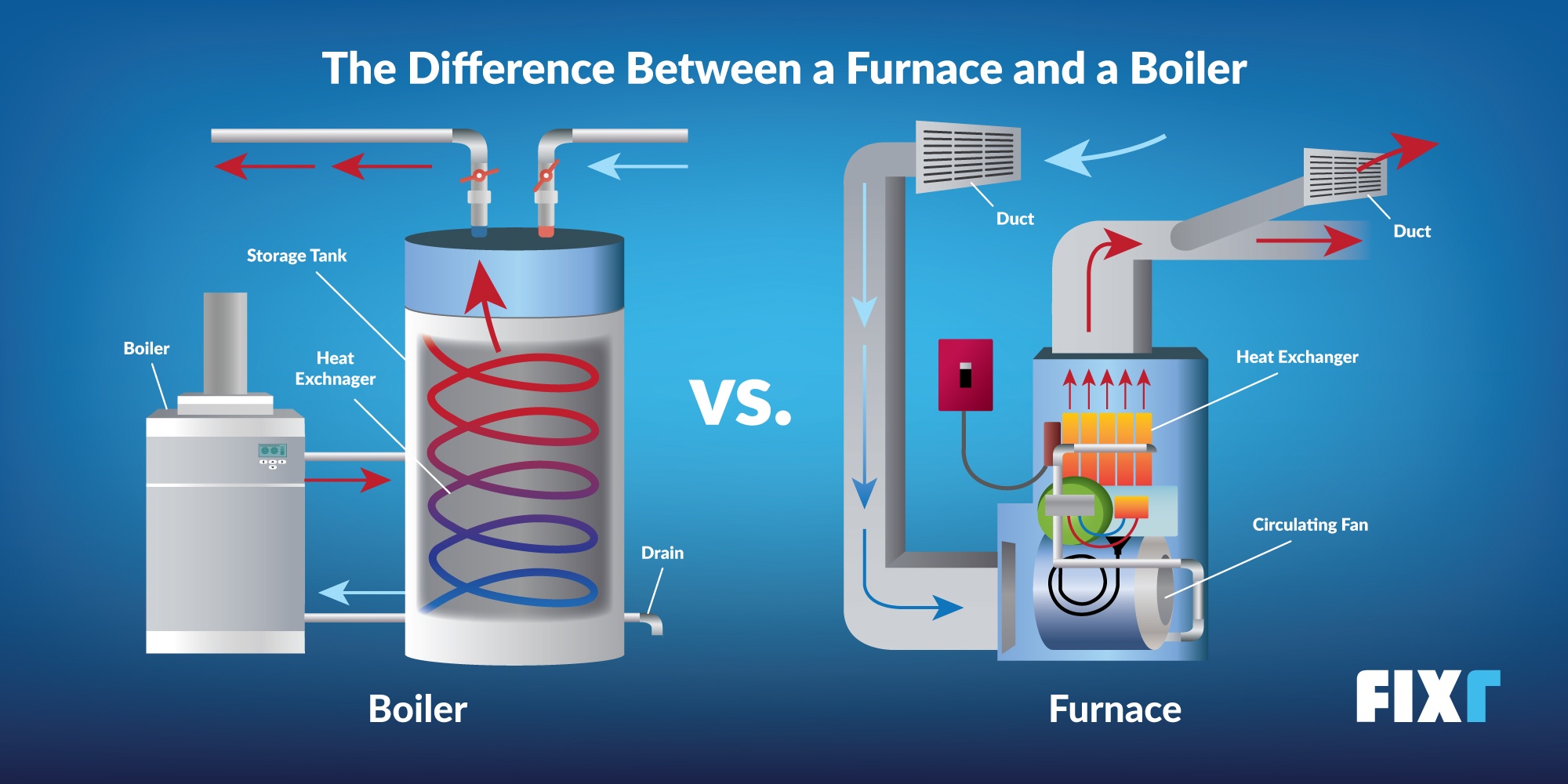
- Sediment Buildup in the Tank: Over time, sediment accumulates in the bottom of your hot water tank, reducing its capacity and insulating the water from the burner's heat. This reduces the amount of available hot water.
- Malfunctioning Thermostat: The thermostat controls the burner. If it's faulty, it might not be calling for heat when it should, or it might be shutting off the burner prematurely, resulting in inconsistent or insufficient hot water.
- Damaged Heating Element (If Applicable): Some furnaces use a heating element to supplement hot water production, especially during peak demand. A damaged element will significantly reduce the water's temperature.
- Undersized Furnace: If the furnace is too small for your hot water demands, it simply won't be able to keep up, especially during times of high usage (multiple showers, running the dishwasher and laundry simultaneously). This is especially true if you've recently added new appliances or increased your household size.
- Circulation Problems: Issues with the water circulation pump or pipes can hinder the efficient transfer of heat to the water.
- Air in the System: Trapped air can disrupt the heating process and reduce efficiency.
Question 2: How can I tell if sediment buildup is the problem?
Sediment buildup in your hot water tank is a common issue, particularly in areas with hard water. Here are some telltale signs:
- Reduced Hot Water Capacity: You might notice that you run out of hot water much quicker than usual.
- Noisy Tank: Rumbling or banging sounds coming from the tank are often caused by water boiling around sediment buildup.
- Discolored Water: Rusty or brownish water can indicate sediment being stirred up from the bottom of the tank.
- Lower Hot Water Temperature: Even when the thermostat is set high, the water might not get as hot as it used to.
- Longer Heating Times: The furnace may run for longer periods to heat the water to the desired temperature.
If you suspect sediment buildup, you can try flushing the tank. Refer to your furnace's manual or consult a professional for instructions.
Question 3: What can I do myself to try and fix the problem?
While some issues require professional attention, there are a few things you can check and try yourself:
- Check the Thermostat: Make sure the thermostat is set to the desired temperature and is functioning correctly. Try increasing the temperature setting slightly to see if it makes a difference.
- Check for Leaks: Inspect the furnace, tank, and surrounding pipes for any leaks. Even small leaks can reduce water pressure and overall hot water availability.
- Bleed Air from the System: If you hear gurgling or hissing sounds, there might be air trapped in the system. Locate the bleed valves (usually near the top of radiators or heating units) and carefully release the air.
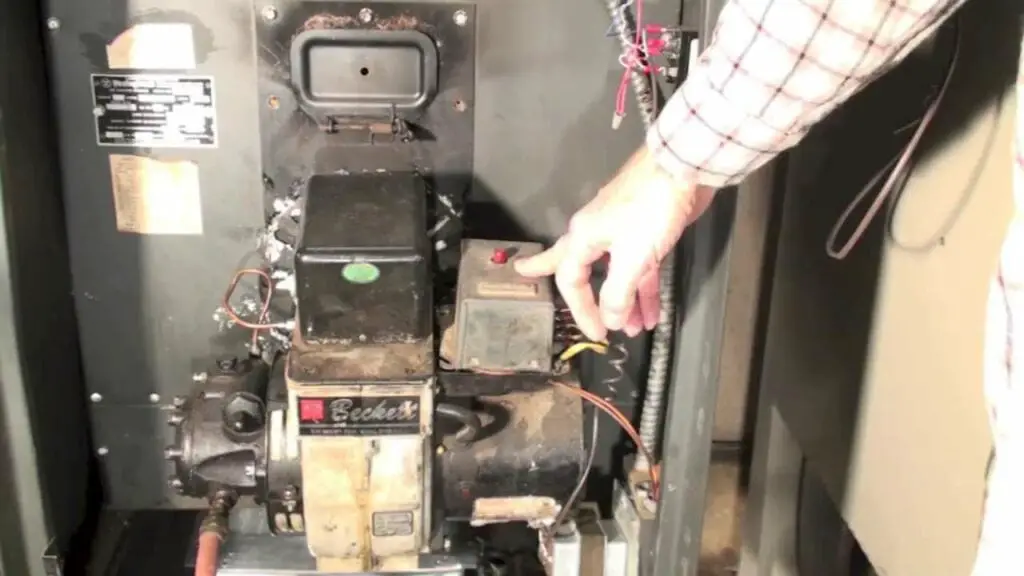
- Inspect the Burner Area (If Safe and Accessible): Visually inspect the burner area for any obvious signs of soot buildup or damage. However, do not attempt to clean or repair the burner yourself unless you are qualified to do so.
- Flush the Hot Water Tank: As mentioned earlier, flushing the tank can remove sediment buildup. Follow the manufacturer's instructions carefully.
- Check the Oil Level: Ensure that your oil tank has sufficient fuel. A low oil level can lead to burner inefficiency and insufficient hot water.
Important Note: If you're not comfortable working with gas or electrical components, it's always best to call a qualified HVAC technician.
Question 4: When should I call a professional HVAC technician?
It's crucial to call a professional HVAC technician in the following situations:
- If you suspect a gas leak. Gas leaks are dangerous and require immediate attention.
- If you are not comfortable working with gas or electrical components. Safety should always be your top priority.
- If you have tried the DIY solutions and the problem persists. A professional can diagnose the underlying cause and perform the necessary repairs.
- If you notice any unusual smells or noises coming from the furnace. This could indicate a serious problem.
- If you are unsure about how to flush the hot water tank or bleed air from the system. Improper procedures can damage the equipment or cause injury.
- If the furnace is old or has not been serviced recently. Regular maintenance can prevent problems and extend the life of your furnace.
- If you see signs of corrosion or rust on the furnace or its components. This could indicate a more serious problem that needs to be addressed.
Question 5: How can I prevent future hot water problems with my oil furnace?
Preventing future hot water problems involves regular maintenance and proactive care:
- Schedule Regular Maintenance: Have your oil furnace professionally serviced at least once a year. A technician can inspect and clean the burner, check the thermostat, and identify any potential problems before they become major issues. This is crucial for maintaining efficiency and extending the life of your furnace.
- Flush the Hot Water Tank Annually: Regularly flushing the tank removes sediment buildup and helps maintain its efficiency.
- Use a Water Softener (If Applicable): If you have hard water, consider installing a water softener to reduce mineral buildup in the tank and pipes.
- Replace the Oil Filter Regularly: A clean oil filter ensures a steady flow of fuel to the burner.
- Monitor Your Hot Water Usage: Be mindful of your hot water usage, especially during peak demand times. Avoid running multiple hot water appliances simultaneously if possible.
- Insulate Hot Water Pipes: Insulating your hot water pipes can help reduce heat loss and improve the efficiency of your hot water system.
- Upgrade to a More Efficient Model: If your furnace is old and inefficient, consider upgrading to a newer, more efficient model. This can save you money on energy bills and provide a more reliable supply of hot water.
- Ensure Proper Ventilation: Make sure the area around your furnace is well-ventilated to prevent overheating.
Question 6: Could the size of my oil tank be contributing to the hot water issue?
While the size of your oil tank itself doesn't directly affect the *production* of hot water, it *can* indirectly contribute to problems if you're constantly running low on fuel. Here's how:
- Running Out of Oil: If you frequently run low on oil, sediment from the bottom of the tank can get sucked into the fuel lines, clogging the burner nozzle and reducing efficiency. This, as mentioned earlier, *will* impact hot water production.
- Inconsistent Fuel Supply: Constantly needing to refill the tank can lead to inconsistent fuel pressure, which can affect the burner's performance and hot water output.
- Tank Size vs. Demand: While the tank size isn't the *direct* cause, if your heating and hot water demands have increased significantly (due to a growing family, new appliances, etc.), the tank might simply be too small to adequately supply your needs between refills. This is especially true in colder climates where heating demands are higher. While it doesn't directly impact the *furnace's* hot water production capability, it reduces the overall amount available to the house.
Therefore, consider the following:
- Monitor Your Oil Consumption: Keep track of how quickly you're using oil, especially during the winter months.
- Consider a Larger Tank: If you're consistently running low, upgrading to a larger tank might be a worthwhile investment.
- Automated Oil Delivery: Sign up for an automated oil delivery service to ensure you never run out of fuel.
Question 7: What is the typical lifespan of an oil furnace, and should I consider replacement instead of repair?
The typical lifespan of an oil furnace is 15 to 20 years. However, with proper maintenance, some furnaces can last longer. Deciding whether to repair or replace an older furnace depends on several factors:
- Age of the Furnace: If your furnace is nearing or exceeding its expected lifespan, replacement might be a more cost-effective option in the long run.
- Frequency of Repairs: If you're constantly facing breakdowns and repairs, the cumulative cost can quickly outweigh the price of a new furnace.
- Efficiency: Older furnaces are typically less efficient than newer models. Upgrading to a high-efficiency furnace can save you significantly on energy bills.
- Cost of Repairs: If the cost of a major repair (e.g., replacing the heat exchanger or burner assembly) is a significant portion of the cost of a new furnace, replacement might be the better choice.
- Available Rebates and Incentives: Government and utility companies often offer rebates and incentives for upgrading to energy-efficient appliances. This can help offset the cost of a new furnace.
- Overall System Performance: If your furnace is consistently struggling to meet your heating and hot water demands, replacement might be necessary.
Before making a decision, get a professional assessment from a qualified HVAC technician. They can evaluate the condition of your furnace, estimate the cost of repairs, and provide recommendations on whether to repair or replace it. Consider getting multiple opinions to ensure you're making the best decision for your needs and budget. Replacing an older, inefficient furnace can be a significant investment that pays off through improved energy efficiency and lower utility bills, especially considering rising fuel costs.