Oil Furnace Smells Like Exhaust
Oil Furnace Smells Like Exhaust? Here's What's Going On (and What to Do)
That acrid, smoky smell emanating from your vents? If it smells like exhaust, and you have an oil furnace, you've got a problem. The good news is, often it's something minor. The bad news? It can also indicate a serious safety issue. This guide will walk you through troubleshooting the most common causes of exhaust smells from oil furnaces, helping you decide if it's a DIY fix or time to call in the pros.
Is it Really Exhaust? Knowing the Smell
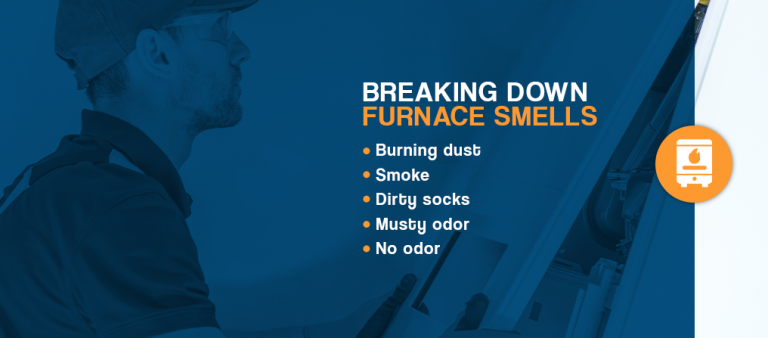
Before we dive in, let's be sure we're dealing with exhaust. Oil furnace exhaust smells very similar to the exhaust from a car. It's acrid, sharp, and often has a smoky quality. Other furnace smells can mimic exhaust, but they usually have distinct differences:
- Burning Dust: Usually a short-lived smell that occurs when you first turn on the furnace after a period of inactivity. It dissipates quickly.
- Electrical Burning Smell: A sharper, more chemical-like smell. If you smell this, shut down the furnace immediately and call an HVAC professional.
- Rotten Egg Smell: This usually indicates a gas leak (if you have a gas supply to your house for other appliances). Evacuate the area and call your gas company immediately!
If you're confident it's exhaust, proceed cautiously. If you're unsure, err on the side of caution and call a qualified technician.
Safety First!
Carbon monoxide (CO) is a colorless, odorless, and deadly gas produced by incomplete combustion. If you suspect an exhaust issue, follow these steps:
- Install Carbon Monoxide Detectors: Make sure you have working CO detectors on every level of your home, especially near sleeping areas.
- Ventilate: Open windows and doors to ventilate your home.
- Evacuate: If you or anyone in your household is experiencing symptoms like headache, dizziness, nausea, or confusion, evacuate immediately and call 911.
- Shut Down the Furnace: Turn off the furnace at the breaker.
Possible Causes and Troubleshooting Steps
Once you've ensured your safety, you can begin troubleshooting. Here's a breakdown of the most common causes of exhaust smells from oil furnaces:
1. Delayed Ignition (Puff Back)
What it is: A puff back occurs when oil accumulates in the combustion chamber before igniting. When it finally does ignite, it does so explosively, sending soot and exhaust back into your home's ductwork.
Symptoms: A loud bang when the furnace starts, followed by a strong exhaust smell. Soot may be visible around the furnace and vents.
Possible Causes:
- Dirty or Malfunctioning Burner: The burner may not be atomizing the oil properly.
- Clogged Nozzle: A clogged nozzle prevents proper oil flow, leading to accumulation.
- Weak Ignition Transformer: The ignition transformer may not be producing a strong enough spark to ignite the oil immediately.
- Faulty Oil Pump: The oil pump may not be delivering oil at the correct pressure.
DIY Troubleshooting:
- Check the Burner Nozzle: (Caution: Turn off the furnace and oil supply valve before proceeding). Carefully remove the nozzle and inspect it for clogs or damage. If it's dirty, try cleaning it with a specialized nozzle cleaning tool or replace it. (Note: replacing the nozzle annually is a good preventative measure).
- Clean the Burner: Use a brush and vacuum to remove any soot or debris from the burner assembly.
- Replace the Oil Filter: A clogged oil filter can restrict oil flow and contribute to delayed ignition. (Annual replacement recommended)
When to Call a Pro: If cleaning the nozzle and burner doesn't resolve the issue, or if you're uncomfortable working with the oil burner, call a qualified HVAC technician. They can diagnose and repair issues with the ignition transformer, oil pump, or other burner components.
2. Cracked Heat Exchanger
What it is: The heat exchanger is a critical component that separates the combustion gases from the air circulating through your home. Cracks in the heat exchanger allow exhaust gases, including deadly carbon monoxide, to leak into your living space.
Symptoms: Persistent exhaust smell, even when the furnace isn't actively running. Possible carbon monoxide detector alarms. Soot deposits around the furnace.
Possible Causes: Overheating, corrosion, or manufacturing defects.
DIY Troubleshooting: There is no DIY troubleshooting for a cracked heat exchanger. This is a serious safety issue that requires professional diagnosis and repair.
When to Call a Pro: Immediately! A cracked heat exchanger poses a significant risk of carbon monoxide poisoning. A qualified HVAC technician can perform a thorough inspection of the heat exchanger using specialized equipment, such as a combustion analyzer. If a crack is detected, the heat exchanger (or the entire furnace) will need to be replaced.
3. Poor Ventilation
What it is: Insufficient air supply to the furnace can lead to incomplete combustion, resulting in excess smoke and exhaust smells.
Symptoms: Exhaust smell, particularly when the furnace is running at its highest capacity. The furnace may struggle to maintain the set temperature.
Possible Causes: Blocked air vents, dirty air filter, or obstructions around the furnace itself.
DIY Troubleshooting:
- Check Air Vents: Ensure that all air vents in your home are open and unobstructed.
- Replace Air Filter: A dirty air filter restricts airflow and can cause the furnace to work harder. Replace the filter regularly (every 1-3 months, depending on usage and filter type).
- Clear Obstructions: Make sure there's ample space around the furnace for proper ventilation. Remove any boxes or other items that may be blocking airflow.
When to Call a Pro: If improving ventilation doesn't resolve the issue, or if you suspect a problem with the furnace's blower motor, call an HVAC technician. They can assess the airflow and identify any underlying problems.
4. Soot Buildup
What it is: Excessive soot buildup in the furnace and flue pipe can restrict airflow and lead to incomplete combustion, resulting in exhaust smells.
Symptoms: Visible soot around the furnace and vents. Strong exhaust smell. Inefficient heating.
Possible Causes: Incomplete combustion, improper burner settings, or lack of regular maintenance.
DIY Troubleshooting:
- Inspect the Flue Pipe: Check the flue pipe (the pipe that vents exhaust gases outside) for any blockages or leaks. Remove any visible soot or debris. (Caution: Wear gloves and a dust mask when handling soot).
- Clean the Furnace Interior: Use a brush and vacuum to remove any soot buildup from the inside of the furnace. (Caution: Turn off the furnace and oil supply valve before proceeding).
When to Call a Pro: If you're uncomfortable cleaning the furnace or flue pipe, or if the soot buildup is excessive, call a qualified HVAC technician. They can perform a thorough cleaning and inspection, and adjust the burner settings to ensure proper combustion. Annual furnace cleaning is highly recommended.
5. Improper Oil-to-Air Ratio
What it is: An incorrect oil-to-air ratio in the burner can lead to incomplete combustion and excess smoke and exhaust. This is more technical than other DIY fixes.
Symptoms: Exhaust smell, black smoke coming from the flue pipe, and inefficient heating.
Possible Causes: Incorrect burner settings, a malfunctioning air shutter, or a problem with the oil pump.
DIY Troubleshooting: This is not a DIY fix. Adjusting the oil-to-air ratio requires specialized tools and knowledge. Incorrect adjustments can lead to dangerous conditions.
When to Call a Pro: Absolutely call a qualified HVAC technician. They have the necessary tools and expertise to adjust the burner settings and ensure proper combustion.
Tools and Parts You Might Need
- Screwdrivers (various sizes)
- Wrenches
- Vacuum cleaner with hose attachment
- Brushes (various sizes)
- Oil filter
- Burner nozzle
- Nozzle cleaning tool
- Gloves
- Dust mask
- Carbon monoxide detector
Estimated Repair Costs
Keep in mind these are just estimates. Actual costs can vary depending on your location, the complexity of the repair, and the HVAC technician's rates.
- Burner Nozzle Replacement: $50 - $150
- Oil Filter Replacement: $50 - $100
- Furnace Cleaning: $150 - $300
- Heat Exchanger Replacement: $800 - $2500 (may be more cost effective to replace the entire furnace)
- Oil Pump Replacement: $300 - $800
- Ignition Transformer Replacement: $200 - $500
Preventative Maintenance: The Best Defense
The best way to avoid exhaust smells and other furnace problems is to schedule annual maintenance. A qualified HVAC technician will:
- Clean and inspect the burner
- Check the oil-to-air ratio
- Inspect the heat exchanger
- Clean the flue pipe
- Replace the oil filter and burner nozzle
- Test the safety controls
Regular maintenance will help ensure your furnace operates safely and efficiently, saving you money on energy bills and preventing costly repairs in the long run.
Disclaimer: This article is for informational purposes only and should not be considered a substitute for professional advice. If you are unsure about any aspect of furnace repair, or if you suspect a serious safety issue, contact a qualified HVAC technician.