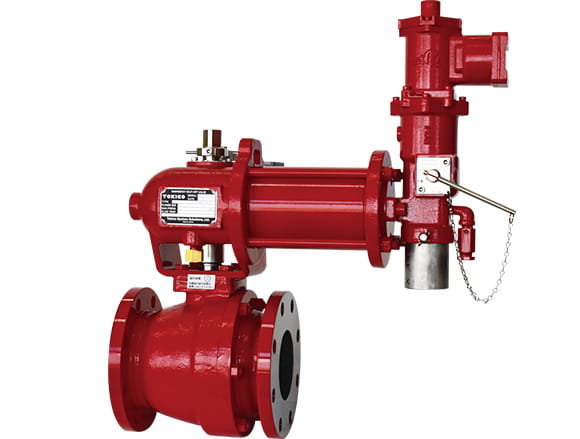
Oil Tank Safety Shut Off Valve
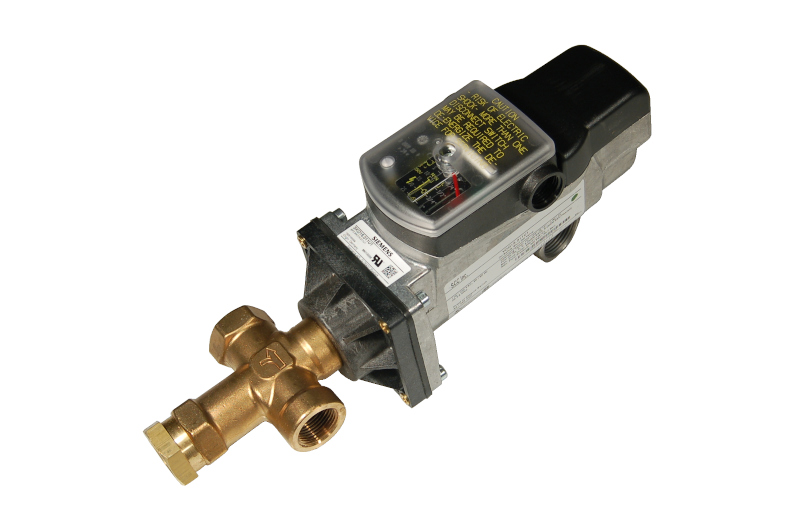
Heating oil is a common and reliable fuel source for many homes, especially in colder climates. However, like any fuel source, it's crucial to ensure its safe operation. A vital component of a safe oil heating system is the oil tank safety shut-off valve. This guide will explain what it is, how it works, why it's important, and what you need to know to ensure your home heating system is safe and efficient.
What is an Oil Tank Safety Shut-Off Valve?
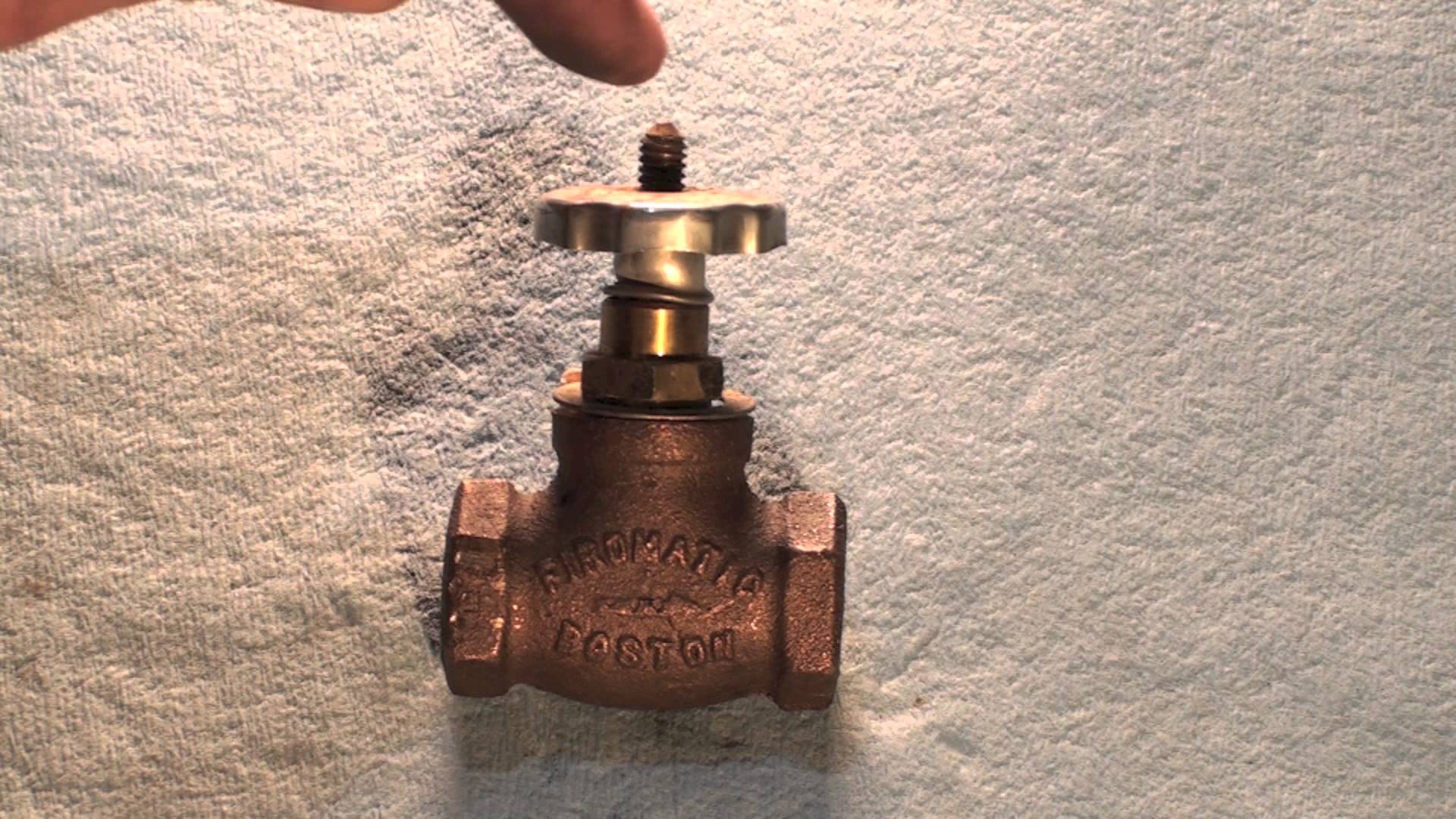
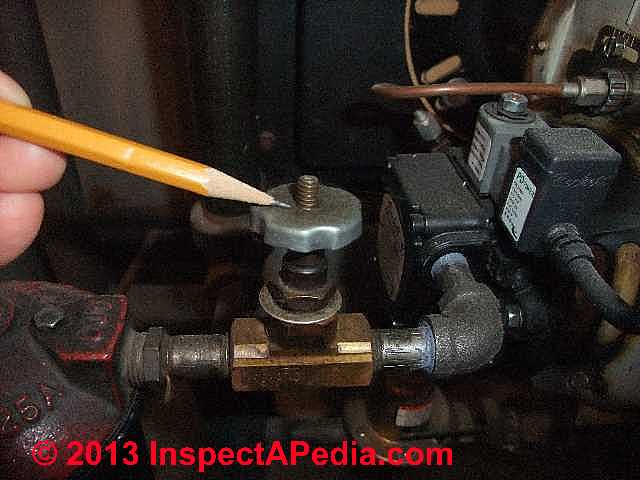
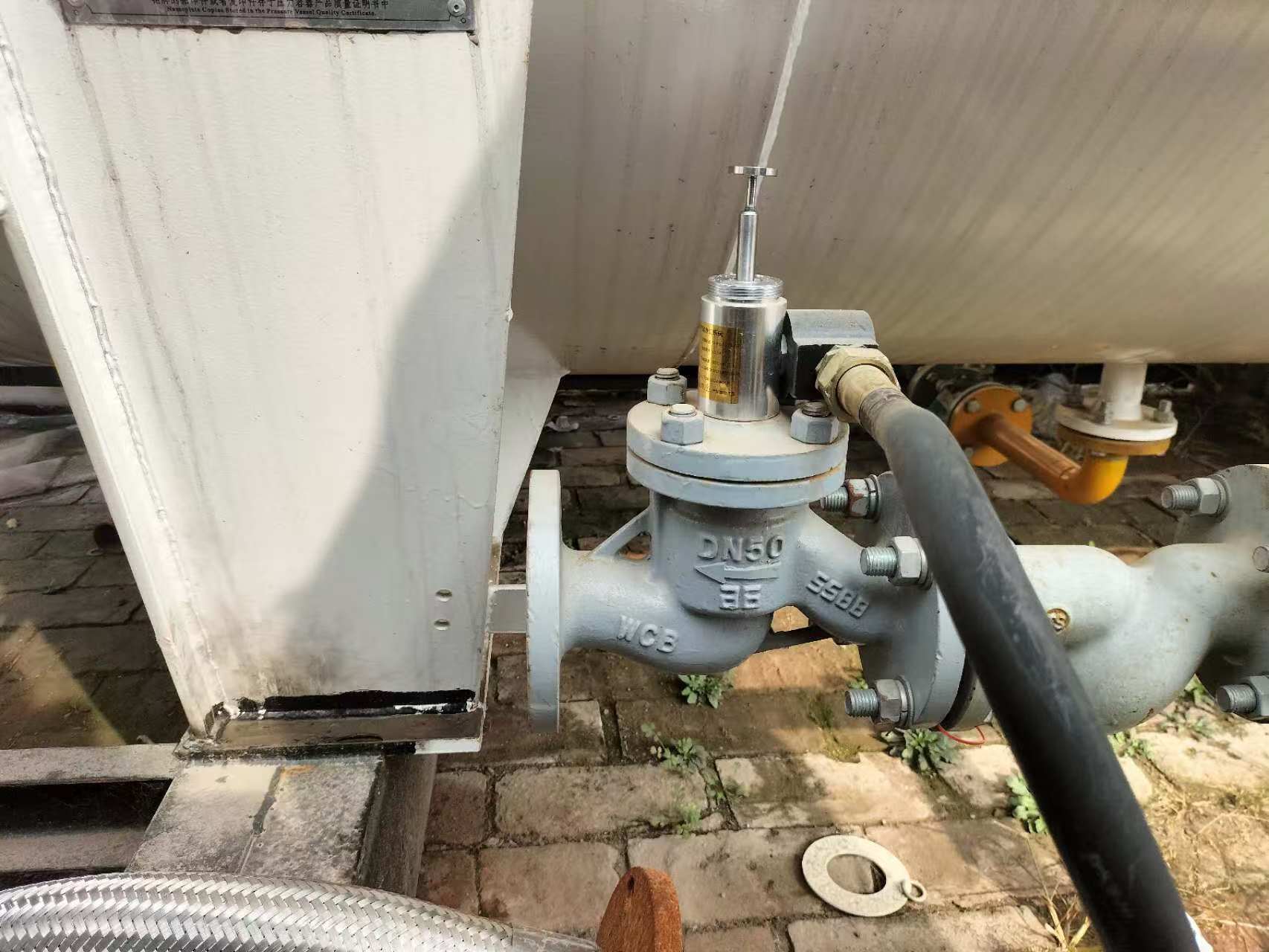
An oil tank safety shut-off valve, also known as a fusible link valve or fire safety valve, is a critical safety device installed on your oil tank. Its primary function is to automatically stop the flow of oil from the tank to your burner in the event of a fire or dangerously high temperatures. Think of it as a circuit breaker for your oil supply.
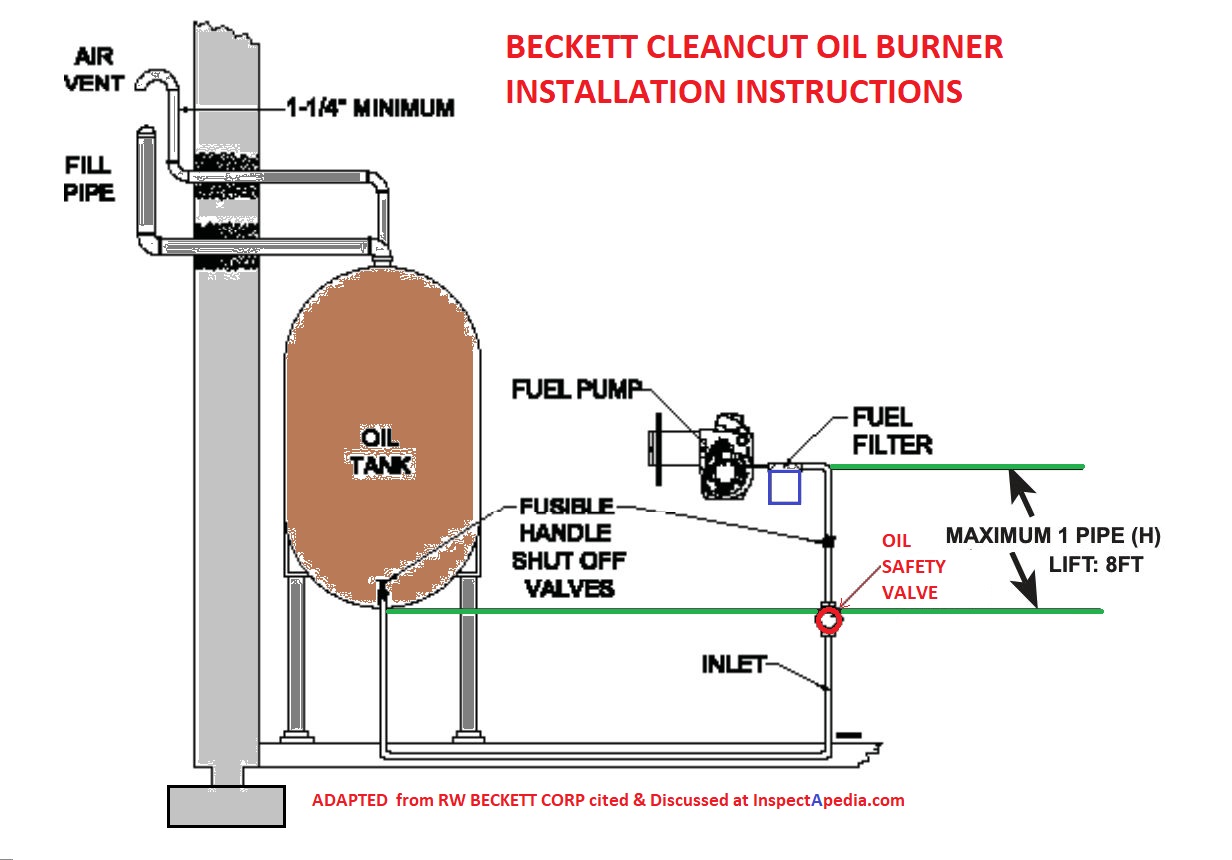
Imagine your oil tank as a source of energy, and the fuel line as the path that energy travels. The burner is like the engine that uses that energy. The shut-off valve sits in the fuel line, acting as a gatekeeper. Under normal circumstances, it allows the oil to flow freely. But if a fire breaks out near the burner or the tank, the valve slams shut, preventing the oil from fueling the fire and potentially escalating the situation.
How Does it Work?
The most common type of oil tank safety shut-off valve operates using a fusible link. This link is a small piece of metal alloy designed to melt at a specific, relatively low temperature, usually around 165°F (74°C). This temperature is well below the flashpoint of heating oil, meaning it will trigger long before the oil itself ignites.
Here's a breakdown of the process:
- Normal Operation: The fusible link holds the valve open, allowing oil to flow freely from the tank to the burner.
- Elevated Temperature: If a fire or high temperature occurs near the valve, the fusible link heats up.
- Fusible Link Melts: Once the temperature reaches its melting point, the link separates.
- Valve Closes: When the link separates, a spring-loaded mechanism is released, causing the valve to instantly slam shut. This stops the flow of oil from the tank to the burner.
Some newer valves may utilize electronic temperature sensors rather than fusible links, but the principle remains the same: detect excessive heat and immediately cut off the oil supply.
Why is an Oil Tank Safety Shut-Off Valve Important?
The importance of a properly functioning oil tank safety shut-off valve cannot be overstated. It's a crucial component for several reasons:
- Fire Safety: The primary purpose is to prevent the oil in the tank from fueling a fire, significantly reducing the risk of a larger, more dangerous blaze. Imagine a small fire near your furnace; without a shut-off valve, the oil could continue to feed the flames, potentially leading to an explosion or a house fire.
- Protection of Property: By preventing the oil from fueling a fire, the valve helps to minimize property damage. A small fire contained is far less destructive than a full-blown oil-fed inferno.
- Protection of Life: Most importantly, the valve helps to protect lives. By preventing a larger fire, it gives occupants more time to evacuate and reduces the risk of injury or death.
- Code Compliance: In many jurisdictions, having a properly installed and functioning oil tank safety shut-off valve is a legal requirement. Local building codes often mandate their use to ensure safety.
- Insurance Requirements: Some insurance companies may require the installation of a safety shut-off valve as a condition of coverage. Not having one could potentially invalidate your policy in the event of a fire.
Installation and Placement
The placement of the oil tank safety shut-off valve is critical for its effectiveness. It should be installed as close as possible to the oil tank outlet, ideally within a few inches. This minimizes the amount of oil that can potentially escape in the event of a fire.
Professional installation is highly recommended. A qualified heating technician will ensure that the valve is properly installed, positioned correctly, and compatible with your existing oil tank and fuel lines. Improper installation can render the valve ineffective or even create a safety hazard.
Here are some key considerations for installation:
- Proximity to the Tank: As mentioned, the closer the valve is to the tank, the better.
- Accessibility: The valve should be easily accessible for inspection and replacement.
- Protection: While the valve itself is designed to withstand heat, it's best to protect it from direct flame or extreme temperatures if possible.
- Professional Expertise: Only a qualified technician should install or replace an oil tank safety shut-off valve.
Maintenance and Inspection
While oil tank safety shut-off valves are generally reliable, they require periodic inspection and maintenance to ensure they are functioning correctly.
Here are some key maintenance and inspection tips:
- Visual Inspection: Regularly visually inspect the valve for any signs of damage, corrosion, or leaks. Look for cracks, rust, or oil stains around the valve.
- Fusible Link Check: If your valve uses a fusible link, visually inspect the link for any signs of damage or distortion. A damaged link may not melt properly in the event of a fire.
- Professional Inspection: Have your oil heating system, including the safety shut-off valve, inspected by a qualified technician at least once a year. They can perform more thorough tests to ensure proper functionality.
- Replacement: Fusible link valves typically need to be replaced every 15-20 years or after they have been triggered. Consult with your technician for specific recommendations based on your valve type and usage. Electronic valves may have different replacement schedules.
- Documentation: Keep records of all inspections, maintenance, and replacements performed on your oil heating system, including the safety shut-off valve.
Troubleshooting Common Problems
While safety shut-off valves are designed to be reliable, problems can sometimes occur. Here are some common issues and potential solutions:
- Valve Won't Open: If the valve is stuck in the closed position, it may be due to a triggered fusible link (if applicable) or internal corrosion. A technician can diagnose the cause and replace the valve if necessary. Never attempt to force the valve open.
- Valve Leaks: Leaks around the valve indicate a problem with the valve itself or the connections to the fuel lines. Tightening the connections may resolve minor leaks, but a damaged valve will need to be replaced.
- False Tripping: In rare cases, the valve may close without a fire. This could be due to a faulty fusible link, a malfunctioning electronic sensor, or excessive vibrations. A technician can diagnose the cause and repair or replace the valve.
Important Safety Note: If you suspect a problem with your oil tank safety shut-off valve, do not attempt to repair it yourself. Contact a qualified heating technician immediately. Working with fuel systems can be dangerous, and improper repairs can lead to leaks, fires, or explosions.
Choosing the Right Valve
When selecting an oil tank safety shut-off valve, it's essential to choose one that is compatible with your oil tank, fuel lines, and heating system. Consider the following factors:
- Valve Size: Ensure that the valve has the correct inlet and outlet sizes to match your fuel lines.
- Valve Type: Choose a valve that is appropriate for your specific oil tank and heating system. Consult with a qualified technician for recommendations.
- Compliance: Make sure the valve meets all applicable local and national codes and standards.
- Reputation: Opt for a valve from a reputable manufacturer known for producing high-quality, reliable products.
- Features: Consider any additional features that may be beneficial, such as remote monitoring capabilities or alarm systems.
Cost Considerations
The cost of an oil tank safety shut-off valve can vary depending on the type of valve, its features, and the cost of installation. Generally, a basic fusible link valve is relatively inexpensive, while more advanced electronic valves may be more costly. The cost of installation will depend on the complexity of the job and the labor rates in your area.
While the initial cost of a safety shut-off valve may seem like an expense, it's important to consider it as an investment in your safety and the protection of your property. The cost of replacing a valve is far less than the potential cost of a fire caused by a faulty fuel system.
Conclusion
The oil tank safety shut-off valve is a small but incredibly important component of your oil heating system. It's a vital safeguard that can prevent a minor incident from escalating into a major catastrophe. By understanding how it works, why it's important, and how to maintain it, you can ensure that your home and family are protected from the dangers of fire. Remember to have your system regularly inspected by a qualified technician and never attempt to repair or replace the valve yourself unless you are a trained professional.
Prioritizing safety is crucial when it comes to fuel-based heating systems. A properly functioning oil tank safety shut-off valve provides peace of mind, knowing that you have taken a significant step to protect your home and loved ones from the devastating consequences of a fire.