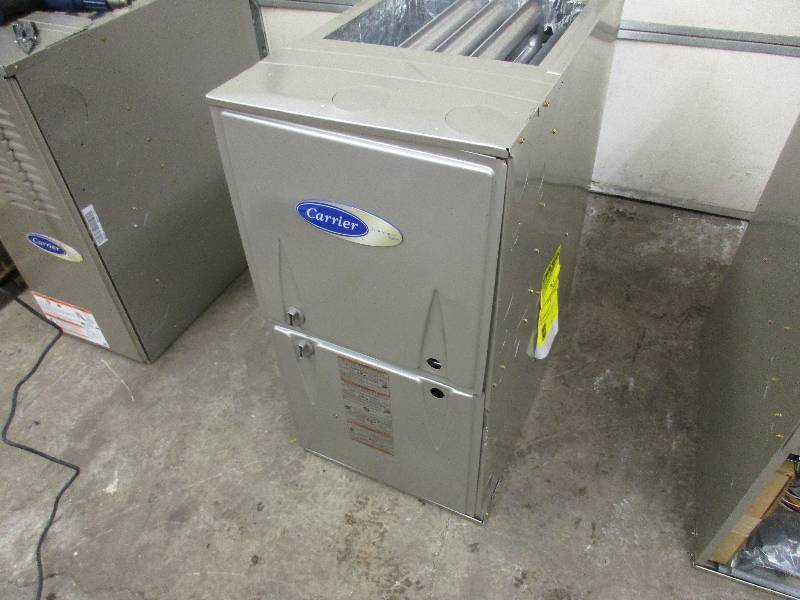
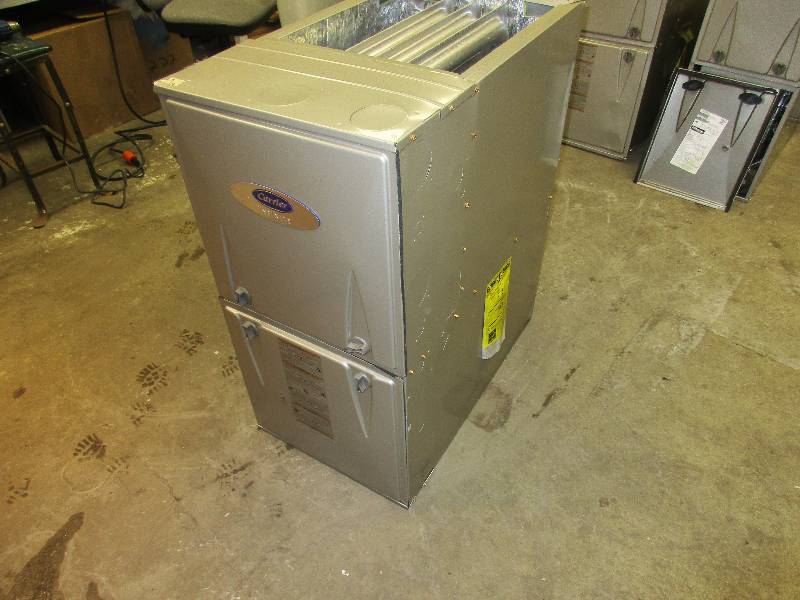
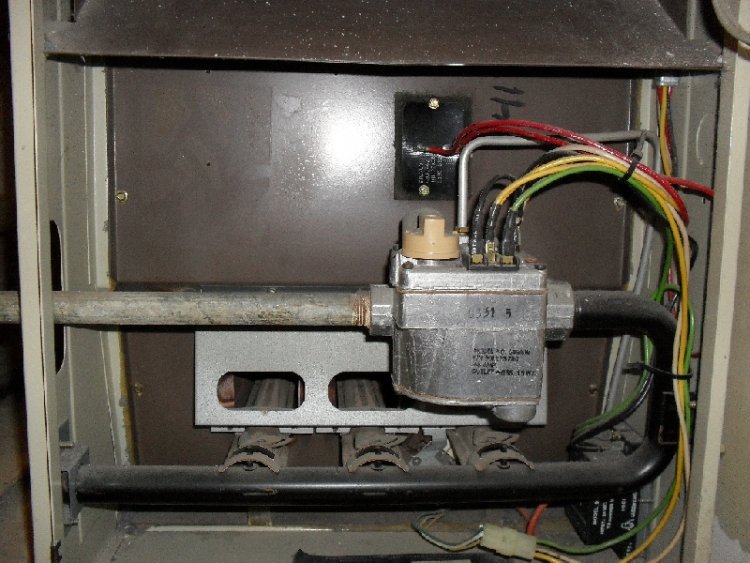
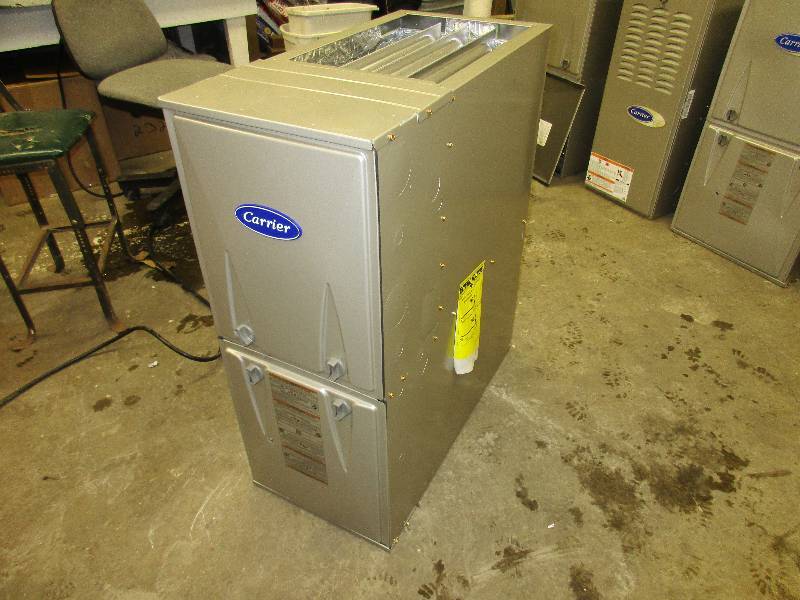
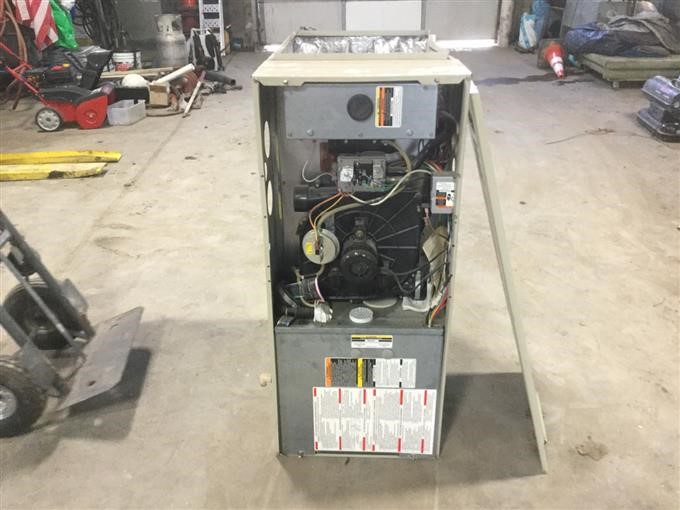
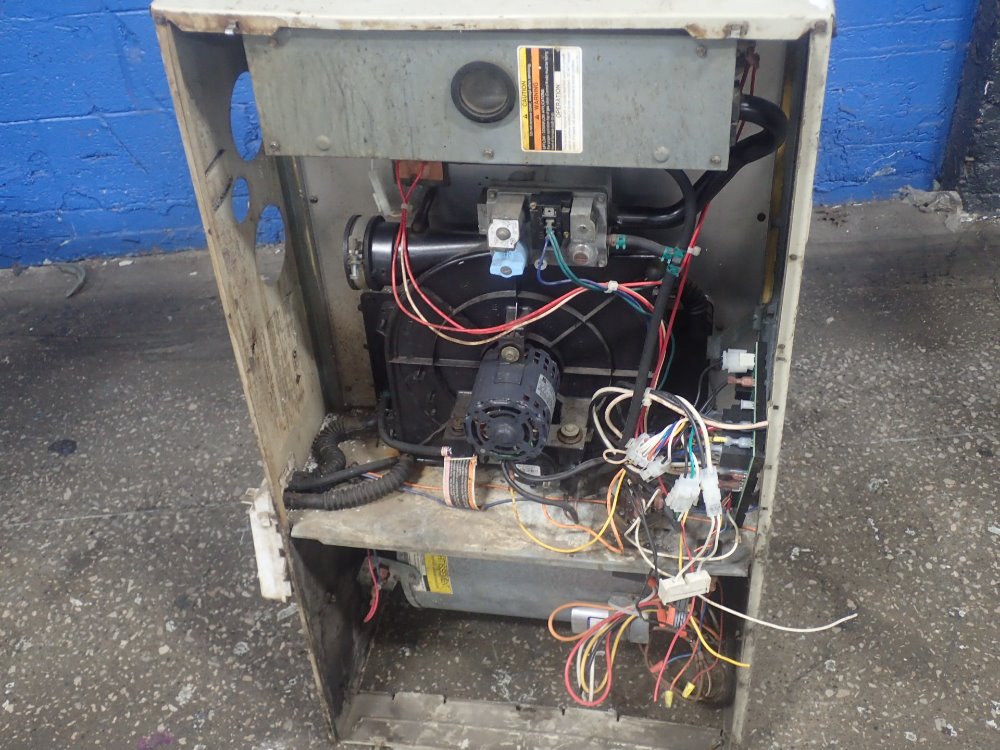
Old Carrier Furnace Models

Out With the Old, In With the Efficient: Understanding and Upgrading Your Old Carrier Furnace
For decades, Carrier furnaces have been a mainstay in homes and businesses across America, providing reliable heating through harsh winters. However, older Carrier models, while dependable in their time, can be significant energy drains compared to today's high-efficiency options. If you’re looking to reduce your energy bills, improve your home's comfort, or contribute to a more sustainable future, understanding the inefficiencies of your old furnace and exploring upgrade options is crucial.
The Energy Drain: Why Older Furnaces Cost You More
The primary reason older Carrier furnaces are less efficient lies in their Annual Fuel Utilization Efficiency (AFUE) rating. AFUE represents the percentage of fuel consumed that is actually converted into usable heat. Older models, particularly those manufactured before the late 1980s, often have AFUE ratings as low as 60% to 70%. This means that for every dollar spent on fuel, only 60 to 70 cents goes towards heating your home; the rest is lost through the chimney and other inefficiencies.
In contrast, modern high-efficiency furnaces boast AFUE ratings of 90% to 98%. Energy Star certified furnaces, for example, must have an AFUE of at least 95%. This significant difference translates directly into lower energy bills. Imagine upgrading from a 65% AFUE furnace to a 95% AFUE model. You could potentially save up to 30% on your annual heating costs. Over the lifespan of the furnace (typically 15-20 years), these savings can add up to thousands of dollars.
Beyond AFUE, older furnaces often lack features that enhance efficiency and comfort, such as:
- Variable-speed blowers: Older furnaces usually have single-speed blowers, which operate at full capacity regardless of heating demand. Variable-speed blowers adjust their speed based on heating needs, providing more consistent temperatures and reducing energy waste.
- Two-stage or modulating burners: These burners adjust the amount of gas burned based on heating demand, providing more precise temperature control and reducing energy consumption. Single-stage burners, common in older models, operate at only one setting – full blast.
- Sealed combustion: Older furnaces often draw combustion air from inside the house, which can lead to drafts and heat loss. Sealed combustion furnaces draw air from outside, improving efficiency and indoor air quality.
Identifying Your Old Carrier Model: A Crucial First Step
Determining the specific model of your old Carrier furnace is essential for assessing its efficiency and compatibility with potential upgrades. The model number is typically found on a rating plate located inside the furnace cabinet, often on the burner box or near the blower compartment. You may need a flashlight to locate it.
Common prefixes in old Carrier furnace model numbers include:
- 58PAV: A popular series of older Carrier furnaces.
- 58GSA: Another common series, often indicating a gas furnace.
- 394CAD: Represents an older series of induced-draft furnaces.
Once you have the model number, you can research its AFUE rating and other specifications online or by contacting a local HVAC contractor. Websites like the AHRI Directory of Certified Product Performance (Air-Conditioning, Heating, and Refrigeration Institute) can be helpful in finding this information.
Is It Time to Upgrade? Key Indicators
Several signs suggest it's time to consider replacing your old Carrier furnace:
- Age: If your furnace is 15 years or older, it's nearing the end of its lifespan and likely operating at reduced efficiency.
- Rising energy bills: A sudden or gradual increase in your heating bills could indicate that your furnace is losing efficiency.
- Frequent repairs: If you're constantly calling for repairs, it may be more cost-effective to replace the furnace.
- Uneven heating: Cold spots in your home could indicate that your furnace is not distributing heat effectively.
- Strange noises: Unusual banging, rattling, or whistling sounds can be a sign of mechanical problems.
- Yellow burner flame: A yellow or flickering burner flame can indicate incomplete combustion, which is inefficient and potentially dangerous due to carbon monoxide production. A healthy flame should be blue.
The Benefits of Upgrading: ROI and Beyond
Upgrading to a high-efficiency Carrier furnace offers numerous benefits, including:
- Lower energy bills: As mentioned earlier, a high-efficiency furnace can significantly reduce your annual heating costs.
- Increased home comfort: Modern furnaces provide more consistent temperatures and eliminate cold spots.
- Improved indoor air quality: Sealed combustion furnaces and advanced filtration systems can improve indoor air quality by reducing dust, allergens, and other pollutants.
- Reduced carbon footprint: By using less energy, you can reduce your carbon footprint and contribute to a more sustainable future.
- Increased home value: A new, high-efficiency furnace can increase the value of your home.
- Quieter operation: Modern furnaces are typically much quieter than older models.
The return on investment (ROI) for a new furnace can be significant, especially when considering long-term energy savings and potential rebates. Use an HVAC energy savings calculator to accurately see savings from upgrading your system.
Smart HVAC Integration: Maximizing Efficiency and Convenience
Integrating your new Carrier furnace with smart home technology can further enhance its efficiency and convenience. Smart thermostats, for example, allow you to control your furnace remotely via your smartphone or tablet. You can also set custom schedules to optimize energy usage based on your lifestyle.
Some smart thermostats also offer advanced features such as:
- Geofencing: Automatically adjusts the temperature based on your location.
- Learning capabilities: Learns your heating preferences and adjusts the temperature accordingly.
- Energy reports: Provides detailed information about your energy usage.
Beyond thermostats, smart sensors can monitor temperature and humidity levels in different rooms, allowing you to fine-tune your heating system for optimal comfort and efficiency. Some systems can even detect when windows or doors are open and automatically adjust the temperature to prevent energy waste.
Rebates and Incentives: Making the Upgrade More Affordable
Numerous rebates and incentives are available to help homeowners and businesses upgrade to high-efficiency furnaces. These incentives can significantly reduce the upfront cost of a new furnace, making the upgrade even more attractive.
Potential sources of rebates and incentives include:
- Federal tax credits: The Federal government offers tax credits for energy-efficient home improvements.
- State and local government programs: Many states and local governments offer rebates and incentives for energy-efficient appliances.
- Utility company rebates: Your local utility company may offer rebates for installing a high-efficiency furnace.
- Manufacturer rebates: Carrier and other furnace manufacturers often offer rebates on select models.
Be sure to research all available rebates and incentives before purchasing a new furnace. Your HVAC contractor can also help you identify potential savings.
Choosing the Right HVAC Contractor: Expertise and Experience Matter
Selecting a qualified and experienced HVAC contractor is crucial for ensuring a successful furnace replacement. Look for a contractor who is licensed, insured, and has a proven track record of installing high-efficiency furnaces. Get multiple quotes and ask for references. A good contractor will assess your home's heating needs, recommend the appropriate furnace model, and provide a detailed installation plan.
Consider asking potential contractors about their experience with Carrier furnaces and their knowledge of smart HVAC integration. A contractor who understands both traditional HVAC systems and modern smart home technology can help you maximize the efficiency and convenience of your new furnace.
Conclusion: A Smart Investment in Comfort and Savings
Upgrading from an old Carrier furnace to a high-efficiency model is a smart investment that can save you money, improve your home's comfort, and reduce your environmental impact. By understanding the inefficiencies of your old furnace, exploring upgrade options, and taking advantage of available rebates and incentives, you can make a well-informed decision that benefits both your wallet and the planet. Don't delay – start exploring your options today and enjoy the comfort and savings of a modern, efficient heating system.